Sweet peas
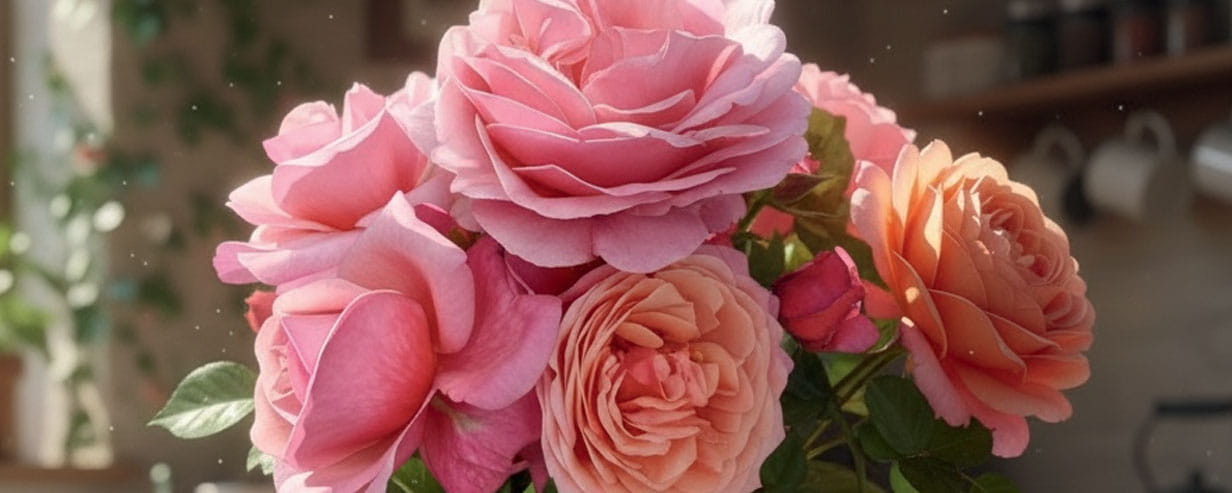
Colour varieties range from sultry dark-red through to pastel summer shades of blue, lavender and pink and there are striped and flaked varieties.
Sowing and growing sweet peas for the garden
Although growers of exhibition sweet peas sow in the autumn, early March is plenty soon enough for the ordinary gardener. Buy good quality seeds (from the suppliers listed below) and try to avoid mixtures so that you know what you’re growing.
- There is no need to soak or rub the seed coat. Viable seeds will germinate usually within 15 days.
- Fill nine-inch deep pots with a good seed-sowing compost like John Innes no. 1 and water the pot well before you sow.
- Space the seeds out well (a maximum of seven to a four-inch pot) and cover with between an inch of compost.
- Place in cool greenhouse and protect from mice with wire.
- Once the plants reach four inches in height remove them from the greenhouse and harden them off by putting them outside for a week.
- Prepare the ground by digging thoroughly and try to add a slow release fertiliser like blood fish and bone, growmore or poultry-based manure - powdered 6X or pellets.
- Put in the supports and twiggy hazel sticks are the best - but canes and a net will do.
- Loosen the roots of the sweet peas and, using a trowel, plant out the sweet peas roughly nine inches apart in a light and sunny position.
- Pinch them out straight after planting so that they form bushy plants and then water them in well.
- Water well if dry - using warm water from a can - until the sweet peas are mostly up the supports. However do NOT over water.
- Religiously pick your sweet peas every other day and always remove any seed pods - this keeps them in flower.
- Regular picking, together with generous provision of food and water, will give a prolonged and colourful display.
Selecting varieties
These fragrant flowers were Edwardian favourites and there is even a sweet pea named after King Edward V11th. Plant breeders began with a small bicolored blue and mauve sweet pea called ‘Cupani’ (syn. 'Matucana') named after the monk who introduced the plant to England in 1699. They developed two distinct strains - the Spencers and the Grandifloras.
Spencers
The majority fall into this group and the originals were bred by Silas Cole the head gardener of Lord Spencer at Althorp Hall in Northants. These larger flowered varieties have long, strong stems, a sweet fragrance and they come mainly in pastel colours.
Grandifloras
These were bred at the end of the 19th century and varieties usually have three flowers per stem on a medium-length stem. This gives them a delicate old-fashioned air some gardeners like. The scent can be very intense too.
Top ten sweet peas
Very fragrant heritage varieties
'King Edward V11' - a crimson
'Lord Nelson' - a navy blue
'Matucana' - a maroon-purple with purple-blue wings
Large-flowered modern varieties
'Ethel Grace' - a pale-lavender
'Our Harry' - a clear- blue
'Gwendoline' - a bright pink
'Mrs Bernard Jones' - a soft-pink
Flaked and striped varieties
'Lilac Ripple' - a white and lilac variety
'Mars' - a very strong red flecked with white
'Nimbus' - an inky purple-black streaked with white
Arranging and cutting tips
There’s no special technique. The peas are cut, preferably early in the morning, and put straight into a bucket of water.
Pastel flowered sweet peas can be arranged in soft colour combinations on their own in a simple jug.
Blue and lavender shades mix well with the tiny lime-yellow, frothy stars of Alchemilla mollis . Many small-flowered annuals including Clary (Salvia horminium), larkspur ( Consolida ambigua), cornflowers (Centaurea cyanus) and small-flowered scabious combine well with them too.
Darker sweet peas, including the flaked and striped varieties, look stunning with the lacy, white heads of annual Ammi majus and Ammi visnaga. It’s worth growing both because Ammi majus is taller and earlier and Ammi visnaga is shorter and later . Adding some dark tassels of amaranthus (love-lies -bleeding) makes this combination even more dazzling, especially if you use a pale container.
Growing sweet peas for exhibition
Autumn sowing is vital - this gives the most developed roots and enables the earliest planting in the garden.
- Remove all but the strongest stem.
- Remove tendrils and tie and support the main stem using wires or raffia.
The resulting flower stems should be longer and stronger and the number, size and quality of blooms per stem will be maximised.
Recommended seed suppliers
Chiltern Seeds - www.chilternseeds.co.uk
Owl Acre Sweet Peas - www.lathyrus.com
The Natural Gardener
Val Bourne is the author of The Natural Gardener. Buy this book at a discount from Saga Books.