
Saga insurance designed for people over 50
Whatever you need insurance for – at home, on the road or on holiday – we've got you covered.










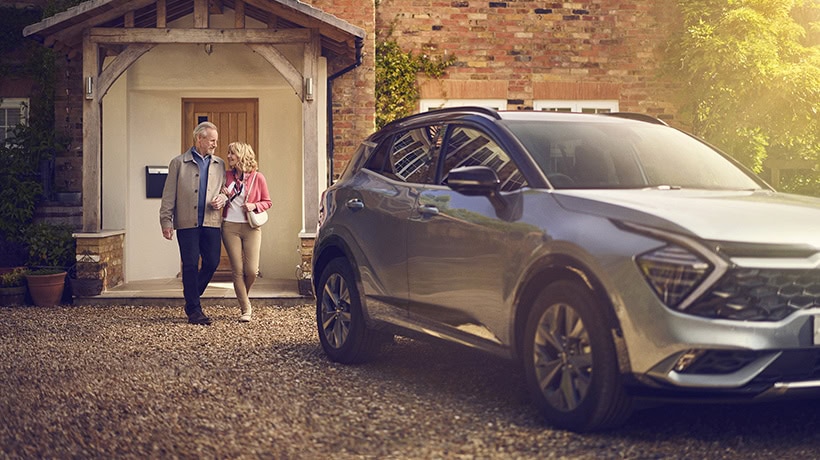
Car insurance
Whether you're looking for a straight forward insurance, or cover that's packed with added extras, our over 50s car insurance has options to suit your needs.

Home insurance
Saga Plus Home Insurance includes great features as standard – like Accidental Damage and Matching Sets cover. And your price won't go up for two years, if nothing changes (T&Cs apply).

Travel insurance
From UK stays to global getaways, Saga Travel Insurance has a policy to suit you with 5 cover options. All come with a 24/7 GP Service, no upper age limit and most pre-existing medical conditions covered.

Health insurance
Quicker diagnosis and treatment, and nationwide private hospital options – it’s no wonder customers have chosen us to take care of their health for over 30 years. There’s no upper age limit and you won’t need a medical.
More from Saga Insurance

Landlord insurance
Landlord Insurance that protects you, your property and your tenants with options to tailor your cover.

Guides to insurance
Get to know all about our insurance and how you can make the most of your cover, whether that's for you car, home, health or holidays.

Customer hub
Manage your Saga Insurance with ease. Find everything you need for claims, renewals, and policy changes.
Here's what our customers have to say about us
Why Saga is the company for you
We are proud to offer five-star treatment every day
Our car, home, Saga Standard and Saga Plus travel and top-level health insurance product are all 5 Star rated by Defaqto.

Car insurance

Home insurance

Saga HealthPlan Super

Saga Standard and Saga Plus Travel insurance

Explore Saga Insurance
There's plenty to explore and learn about our wide range of insurance cover.

Sign up to hear from Saga Insurance
Don't miss out – Find out about our latest offers and updates straight to your inbox.

Is your car insured?
It’s vital you know or you could be in very hot water. Here’s how to check your car insurance.

Insurance for hearing aids
As technology advances, the cost of hearing aids keeps climbing. Could this be the right moment to consider investing in hearing aid insurance?

Do I need travel insurance?
If you’re wondering whether you really need cover for your next trip, our guide to dealing with medical problems abroad may help.

What is health insurance?
Health insurance gives you quick access to private healthcare for early diagnosis and prompt treatment.

Electric car insurance
If you’re thinking of driving towards a greener future, here’s what you need to know about electric car insurance.

Last-minute travel insurance
How late can you leave it to buy a policy and still get properly protected? Read our guide.

Britain's most memorable motors
From Audi's iconic four rings to the challenges of pronouncing Porsche, we test Brits' knowledge of car logos, brand names, and pronunciations.

Saga's Automated Assistant