I'm doing the right things- so why can't I lose weight?

Alphabet Y You’ve dieted, counted calories, measured portions and still the kilos cling to you. Diet saboteurs can come in unexpected forms. We name and shame some of the calorie culprits that could be foiling your best-laid weight-loss plans

ScalesScales
What’s age got to do with it?

Growing older can be a factor when it comes to weight-loss woes. 'Most people become more sedentary as they get older,' explains Anna Denny, of the British Nutrition Foundation. 'As they become less active, they have more fat and less lean muscle, so their metabolism slows down, (primarily because fat burns off calories less efficiently than muscle).'

Taking less exercise and having a reduced muscle mass means that your energy requirements change - you don’t need to eat as much as you used to. Carry on eating the same diet as you did ten years ago, and you’ll put on weight, because you just aren’t burning off the calories you’re taking in.

It doesn’t have to be this way, though. ‘We tend to expect people to become less active as they age, but they don’t have to,’ says Anna Denny. ‘We’re all different. Some people stay very active into older age.’ And the good news is that if you take regular exercise you’ll build muscle and boost your metabolic rate.

Stress

Money worries, relationship problems, too much or too little work – all of these and more, can raise our stress levels. If you’re stressed over a long period of time, it can play havoc with your weight.

When your body feels stress it reacts by releasing a number of stress hormones, including adrenaline and cortisol, which raise your blood pressure, increase your heart rate and the fuel supplies to your blood stream. These changes are designed to keep us alive when we face danger, and are known as the 'Fight or flight' response.

Cortisol works on other areas too, it turns down the systems we don’t need when we’re running from a predator – our digestive, immune and reproductive systems among them. Long periods of stress mean these hormones trigger this response – and alter how our bodies work - for far longer than is healthy.

One of our responses to cortisol is to store fat around our middles, where it’s near our major arteries, and easily available as extra energy. Stress also affects our metabolic rate, slowing it down, so we don’t burn up our fuel supplies so quickly. The result? Your body hangs onto its fat stores.

However, not everyone responds to stress by piling on lbs. Some people react by losing their appetite and shedding weight, which is not as good as it sounds, as this too can have long-term health consequences.

Sleep more – fight fat

Burning the candle at both ends? If you haven’t been getting enough sleep, it could be one reason why you’re struggling to lose weight. Research by, Dr Shahrad Taheri of the University of Birmingham, has found that people who sleep for less than eight hours a night have a greater risk of being overweight.

Calorie-Crunch

It seems that hormonal changes, brought on by lack of sleep may be the root of the problem. When we don't get enough sleep, our bodies produce a hormone called ghrelin, which stimulates appetite, and create less of a hormone called Leptin, which suppresses appetite. The result could well be that when we're sleep-deprived we feel hungrier, and are more likely to raid the kitchen cupboards.

If your scales are refusing to show the weight-loss you’ve been hoping for, it could be that your diet is too extreme. ‘Skipping meals in a bid to shed pounds is a no-win situation,’ explains Dr Beckie Lang, of the Association for the Study of Obesity.

‘The body just makes use of its glycogen stores (smaller stores of carbohydrates) for such eventualities. As soon as you resume normal eating, these stores are replenished. The fat you are trying to burn off stays put, as it isn’t used. Instead glycogen and water are lost, hence the possible drop on the scales. This can continue for a few days – which is why short term, very low calorie fad diets don’t work.’

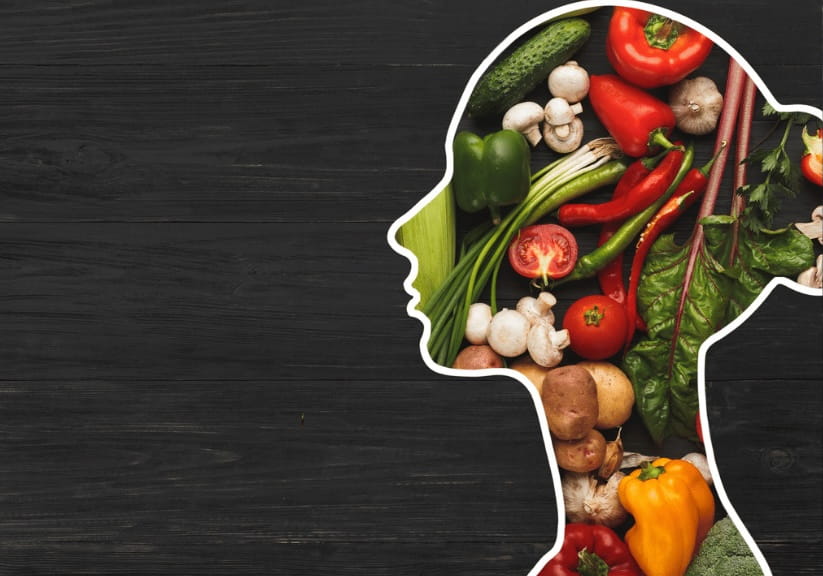
Avoid this problem by altering your eating habits sensibly, taking smaller portions of your favourite foods and bulking up on fruits and vegetables instead. A steady, slow, weight loss of about 1kg per week is a tactic that’s more likely to be successful in the long run.

Medical Treatments

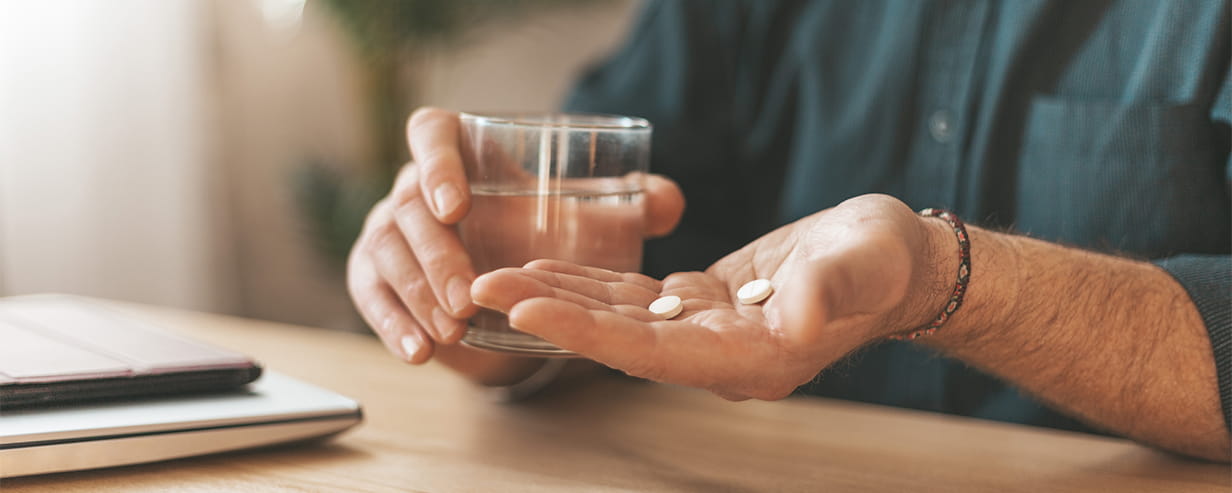
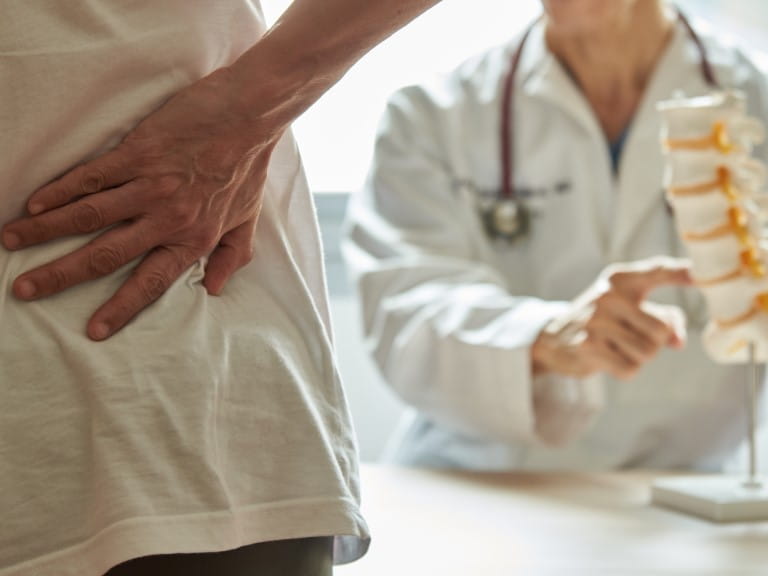
It may not seem fair, but your prescription drugs may be making it more difficult for you to lose weight. If you have diabetes, for instance, and take one of the sulphonylurea group of drugs, you may find that you put on weight. Taking Metformin, however, (one of the biguanides group of drugs), and a commonly used diabetes medication, may help with weight loss, or at least help you stop gaining any more.

Steroids are prescribed for a range of conditions, including rheumatoid arthritis, severe asthma and cancer. One side affect of taking steroids is that you may feel hungrier than normal, and so eat more than usual, and put on weight. ‘The effect is dose-related,’ says Dr Catti Moss of the Royal College of General Practitioners. ‘Your doctor will try to get your dose down as low as possible. If you’re taking under 7.5mg, you shouldn’t be getting significant weight problems.’

Anti-depressants may also make you put on weight, depending on which you take. ‘There are a number of anti-depressants that can make it more difficult to lose weight,’ says Dr Moss. ‘But no pill will make you put on weight unless you eat more. The weight gain is usually appetite and activity related. If you manage to eat the same amount and do the same amount of exercise, you’ll probably weigh the same.’


The opinions expressed are those of the author and are not held by Saga unless specifically stated.

The material is for general information only and does not constitute investment, tax, legal, medical or other form of advice. You should not rely on this information to make (or refrain from making) any decisions. Always obtain independent, professional advice for your own particular situation.

Related

  • Dieting

    Virtual tools for real-life weight loss

    Eve Menezes Cunningham explores web-based weight loss tools

    Read on

  • Diet choices

    What did you have for lunch?

    Rather than increasing your appetite, thinking about your last meal could aid weight loss, say scientists

    Read on

  • Thumb

    Research points the best way to weight loss

    Low-carb or Mediterranean – choose the diet that suits you best

    Read on

  • Measuring tape

    Lose weight and stay slim

    Shedding some pounds, if you need to, can help lower your risk of developing type 2 diabetes, high blood pressure, heart disease, osteoarthritis and even some kinds of cancer

    Read on

  • HCP thumbnail

    Health Cash Plan

    You can claim up to 75% of your common everyday healthcare expenses including dental and optical treatments.

    MORE DETAILS

  • Health Club

    Health Club

    Free membership and free online assessment to see how healthy you could be.

    MORE DETAILS

  • Saga Health Insurance

    Health insurance

    A comprehensive range of competitively priced HealthPlans. 3 months free when you pay by monthly Direct Debit.

    MORE DETAILS


  • June N

    Posted: Wednesday 29 August 2012

    I agree with much of what you say and eat a good mixed diet, in old age, although I eat smaller portions I suffer imbalance which spoils my confidence for much exercise even of course walking,so that although not overweight generally I have some spread round the waist and hips. If I try to lose weight my skin becomes slacker -flab! Catch 22 I think its called.

  • joan buggie

    Posted: Sunday 5 February 2012

    I have two body weights, winter and summer. I dont agonise if I gain 4/6 lbs in winter,I adjust in spring and the more energetic summer soon balances it out again

COMMENTS

Type your comment here


 characters remaining.

Health Cash Plan

Over 50s can claim back 75% of healthcare costs

  • Help with everyday healthcare expenses
  • Cash towards dental and optical bills, plus many more healthcare costs.