How to grow herbs

By Martyn Cox

Growing your own herbs is doddle. Either plant in beds, borders or a dedicated herb garden, or grow in pots and display on a patio. Although some of these can be grown by seed, it's easier to buy ready grown plants. Not only will they establish quickly, but most will be ready to start using straight away.

Potted herbsPotted herbs
Thyme

How to start: Plants

Where to grow: Plant into well-drained soil in a sunny spot, or grow in pots filled with John Innes 2 compost.

Aftercare: Allow compost to almost dry out in between watering. Keep plants compact by lightly trimming over the top after flowering. If you want to pick leaves over winter, prune back in early September to force new growth. Protect the vulnerable fresh foliage by covering with horticultural fleece.

Mint

How to start: Plants

Where to grow: Mint is a rampant thug that will spread all over the place if planted straight into the ground. Restrain it by growing in a large pot (30cm is ideal), which can then be plunged into the soil – ensure the lip of the container remains above the surface to prevent shoots from escaping over the top.

Aftercare: Water well and keep the plant bushy by pruning lightly in summer.

Milk thistle

How to start: Seeds

Aftercare: Either sow seed in March or April for flowering in the summer, or from May to August for flowering next year. Sow directly into well drained, fertile soil in full sun.

Aftercare: Young plants will need protecting from slugs and snails.

Valerian

How to start: Seeds or plants.

Where to grow: Sow seeds in spring and plant the rooted seedlings, or young plants, into well drained soil in a sunny or partly shade part of the garden.

Aftercare: To prevent plants from self seeding, cut back stems as the flowers fade. You can make more plants by dividing well-established clumps in spring.

Lemon Balm

How to start: Seeds or plants.

Where to grow: Rich, moisture retentive soil in sun, or in pots. Sow seeds into trays in March and plant out when large enough to handle.

Aftercare: Trim shoots often to keep plants bushy and produce the tastiest leaves. You can make more plants by dividing in the spring. If growing in pots, water whenever the compost has almost dried out.

Sage

How to start: Plants

Where to grow: Very tolerant of drought, sage hates having wet roots, so find it a sunny position in well-drained soil.

Aftercare: To encourage bushy growth, prune lightly in spring and again after flowering in summer. After four years or so plants will become woody and need replacing.

Aloe vera

How to start: Plants

Where to grow: Plant this succulent into pots using well-drained John Innes 2 compost. Although it is perfect on a sunny patio over summer, it is tender so will need moving indoors to protect from frost over winter.

Aftercare: From late spring to early autumn allow the compost to almost dry out between watering. In winter, water infrequently, only to prevent leaves from shrivelling.

Lavender

How to start: Plants

Where to grow: Grow in pots filled with gritty compost, or in a sunny spot with well-drained soil.

Aftercare: If un-pruned lavender will quickly grow lanky and woody. Keep plants compact by lightly trimming after flowering to remove spent heads, usually in late August. In March, trim over plants removing about 2.5cm of previous season’s growth – do not cut into woody stems. In pots, allow the compost to almost dry between watering and keep on the dry side in winter.

Related

  • Cook's window box from 'Gifts From The Garden' by Debora Robertson

    How to make a cook's window box

    How to make a themed window box, tailored to a friend’s particular culinary passion.

    Read on

  • Herb basket

    Make an everlasting herb container

    Evergreen herbs are valuable plants to grow in the garden. They not only provide colour, structure and beauty all year round, but during autumn and winter months they’re a mainstay when there’s little else around.

    Read on

  • Grow your own salad leaves

    Grow your own mixed salad leaves

    Fed up with finding salad mulch at the bottom of the fridge? Why not grow your own 'cut and come again' salad.

    Read on

  • Herbs in pots

    Queen of Herbs: Jekka McVicar

    Julia Shaw talks to Jekka McVicar, Britain's best-known herb gardener

    Read on

  • Companion gardening © John Glover

    Putting plants together

    Companion planting is about marrying plants that work well together in order to survive and grow strong and healthy.

    Read on

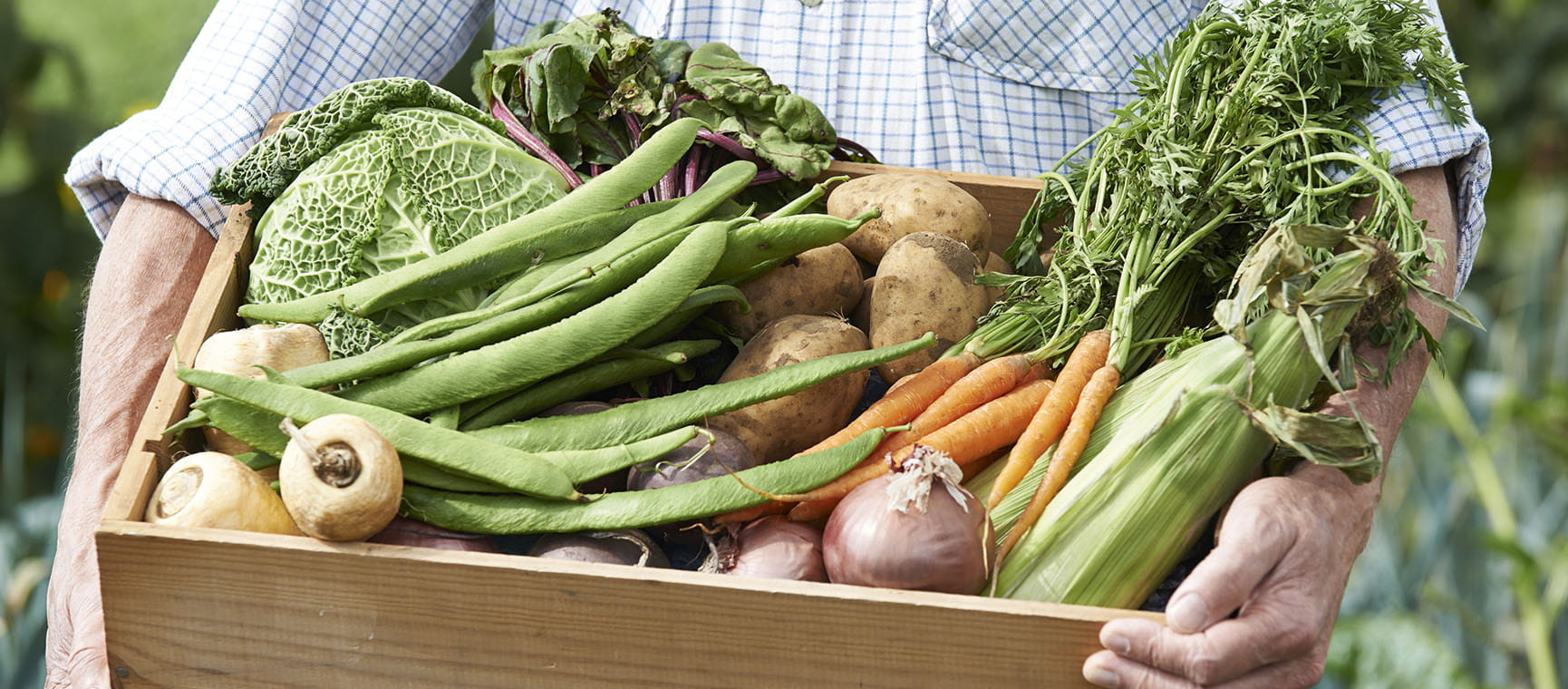
  • Basket of vegetables

    Vegetable growing masterclass

    Fed up with tasteless fruit and veg, worried about air miles and pesticides? Time to get growing your own vegetables.

    Read on

  • Home thumbnail

    Home insurance

    Cover of up to £50,000 for contents and up to £500,000 for buildings as standard.

    MORE DETAILS

  • Holiday home thumbnail

    Holiday home insurance

    All the cover you need for your holiday home abroad.

    MORE DETAILS

  • Home phone and broadband

    Home Phone and Broadband

    MORE DETAILS


COMMENTS

Type your comment here


 characters remaining.

Saga Magazine

Free seeds when you subscribe

Receive six packets of Mr Fothergill’s seeds absolutely free when you subscribe to Saga Magazine for just £19.95.

GARDENS HOLIDAYS

Discover the natural world

Experience some of the world’s most magnificent horticultural locations, including South Africa, Madeira, Canary Islands, Greece and the UK.

Home Insurance

Over 50s save up to 25% online

As well as providing insurance for your home and contents we can also offer extra protection for your shed and gardening equipment…