How to buy, plant and grow bulbs

By Martyn Cox

Alphabet S Spring bulbs are nature's answer to fireworks. Bury them, stand back and wait for an explosion of colour.
DaffodilsDaffodils

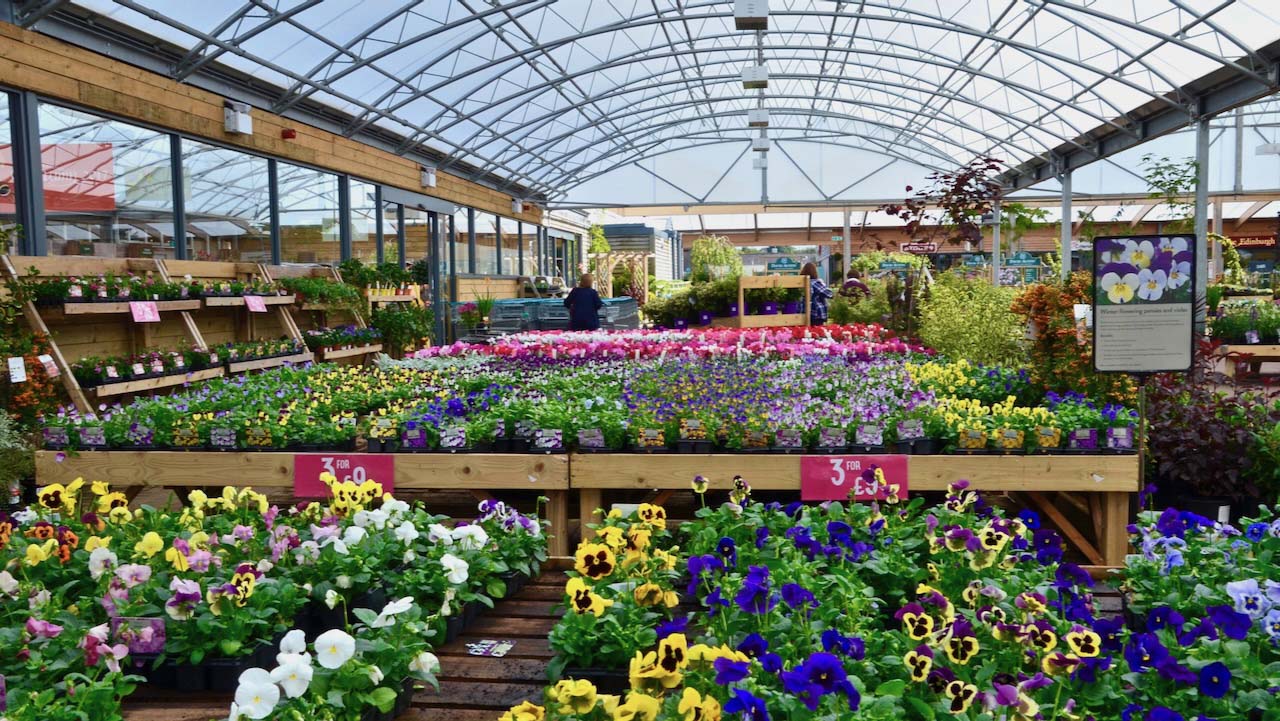
Late summer into early autumn is the best time to plant many varieties (a notable exception being tulips, which should go into the ground between mid and late autumn) and a trip to your local garden centre should reveal a tempting selection of bulbs displayed in pick-and-mix style boxes, including daffodil, crocus, camassia, hyacinth, fritillaria, anemone and iris.

However, if you are looking for rare or unusual flowers, you may be disappointed by the limited range in the shops. The answer: buy from a specialist nursery, but hurry. The best varieties often sell out quickly.

How to buy

Before buying bulbs it's always worth checking to see that they're healthy, otherwise a promising floral spectacle may turn into a damp squib. The best bulbs will feel firm and plump with no signs of damage or premature growth.

As a rule of thumb, discard any that are soft, shrivelled, battered, pitted or mouldy. It's slightly more difficult to assess the quality of pre-packed bulbs, but don't be afraid to have a good feel of the contents through the bag and put it back on the shelf if any feel squishy.

If you're buying from a mail-order supplier, open up the packet on delivery and give the contents a quick once over. If you're not happy with the quality, phone and ask for a replacement to be sent out.

Where to plant

Bulbs are incredibly versatile and can be planted in the border, naturalised in grass or grown in pots - ideal if you have a tiny garden or even a balcony. Low-growing bulbs do best in containers, including daffodil 'Tête-à-Tête', red tulip 'Fusilier' or one of the many varieties of Iris reticulata.

Either grow a single variety in a pot filled with bulb fibre, or if you're feeling adventurous, try layering different types of bulb in the same container. For maximum impact choose flowers that appear at the same time (this will take practice).

After planting, protect from foraging squirrels by putting a sheet of chicken wire over the top. It looks ugly, but it will save bulbs from being disturbed and can be removed when growth appears in late winter.

Elsewhere, bulbs are ideal for growing in beds or plugging gaps in the border, while crocus, dwarf daffodils and snowdrops can also be naturalised in lawns.

The aim is to avoid serried rows and to make it look as if the bulbs have decided to grow there by themselves. To do this, drop a handful from waist height and plant where they land, repeating in several areas across your lawn.

Planting tips

A hand trowel is fine for planting a few bulbs, but if you need to dispatch a big sack of bulbs, it's worth buying a long handled bulb planting tool. Not only will it make light work of planting, but it's ideal if you suffer from a bad back. To use, simply push into the ground, twist and pull out a core of soil. Drop in the bulb and crumble the plug of soil to fill the hole.

If you're naturalising in the lawn, don't forget to put the cap of turf back on top. Some planters have markers on the side, which helps if you've got bulbs that need planting at a specific depth - generally, most varieties need a hole three times the size of the bulb.

Suppliers

Broadleigh Gardens - 01823 286231, www.broadleighbulbs.co.uk

Avon Bulbs - 01460 242177, www.avonbulbs.co.uk

Bloms Bulbs - 01234 709099, www.blomsbulbs.com

Related

  • Spring bulbs

    How to naturalise bulbs

    A reader asks: I'd like to naturalise some bulbs in my lawn and I'm not sure what to plant, when to do it or how to?

    Read on

  • Tulipa Ballerina

    Is it true you can plant tulips until Christmas?

    Acclaimed gardening writer, Val Bourne, advises one reader on late planting of tulip bulbs

    Read on

  • Spring bulbs

    Lasagne planting bulbs

    Planting spring bulbs in pots is a great way to add a dash of colour to smallest of gardens, but for maximum impact have a go at 'lasagne' planting bulbs in large containers.

    Read on

  • Home thumbnail

    Home insurance

    Cover of up to £50,000 for contents and up to £500,000 for buildings as standard.

    MORE DETAILS

  • Boat thumbnail

    Boat insurance

    We cover most types of boats and offer insurance that provides high levels of protection.

    MORE DETAILS

  • Motor thumbnail

    Car insurance

    Superb cover and excellent customer service, with an additional discount up to 15% when you buy online.

    MORE DETAILS


COMMENTS

Type your comment here


 characters remaining.

GARDENS HOLIDAYS

Discover the natural world

Experience some of the world’s most magnificent horticultural locations, including South Africa, Madeira, Canary Islands, Greece and the UK.