Drought-resistant plants that can be left for the summer

By Val Bourne

Alphabet W We go away for weeks every summer and can't water the garden. Which plants can survive without water and still look fine when we get back in late August?
Val BourneVal Bourne

There are lots of drought-tolerant Mediterranean plants capable of performing in sunny, well-drained positions. They include lavender, sage, rosemary, phlomis, thyme and origanum. These aromatic plants have leaves covered in an oily surface. This protects them from strong summer sunshine. Some, like phlomis and sage, have hairy leaves that are soft to the touch. Others, like rosemary, have narrow needle-like leaves. These plants are often silver and they thrive without water, once established, due to their deep root systems.

South American and some South African plants are also adapted to dry summers too. Among the most drought tolerant are penstemons, diascias and dahlias and, if you dead head these and all your other plants thoroughly before you go away, many will be flowering when you come back.

One of the finest and hardiest penstemons is the wine-red ‘Andenken an Friedrich Hahn’ a plant often sold as ‘Garnet’. The flower spikes are a modest size, but each plant produces many flowering stems. ‘Hidcote Pink’ is a glorious pink with darker streaking and ‘Sour Grapes’ is a smoky silver-blue. Don’t cut any penstemons down until the following spring as the top growth offers protection in winter.

Good dahlias include the purple ‘Hillcrest Royal’, the bright-red ‘Bishop of Llandaff’, the dark-red ‘Arabian Night’ and ‘Rip City’. Tubers can be left in the ground in most parts of the country as we are now having warmer winters. Slugs can be a problem in wet summers. They particularly love chocolate-leaved dahlias.

Diascias are low-growing South African plants and the flowers come mainly in pinks and orange-pinks and there are many named forms. They will flower continuously without special treatment and many will overwinter in well-drained soil.

Fleshy-leaved succulents also perform well and you could use echeverias, house leeks (or sempervivums) and agaves in containers. Sedums also have fleshy water-filled leaves and the dark-leaved ones (like ‘Purple Emperor’) perform in late summer come rain or shine. The heads are made of small starry flowers and these fade well before forming dark seed heads.

Buddlejas are also very drought tolerant and, again if thoroughly deadheaded, they will perform in late summer. ‘Lochinch’ is a compact lavender-flowered buddleja with orange-eyed flowers. ‘Pink Delight’ is an excellent pink with fatter spikes and ‘Nanho Blue’ is a small-flowered form. All buddlejas have nectar-rich flowers which are highly attractive to butterflies. In fact it’s the best butterfly plant you can grow. It can attract 22 native species if grown in a sunny position so that the nectar flows.

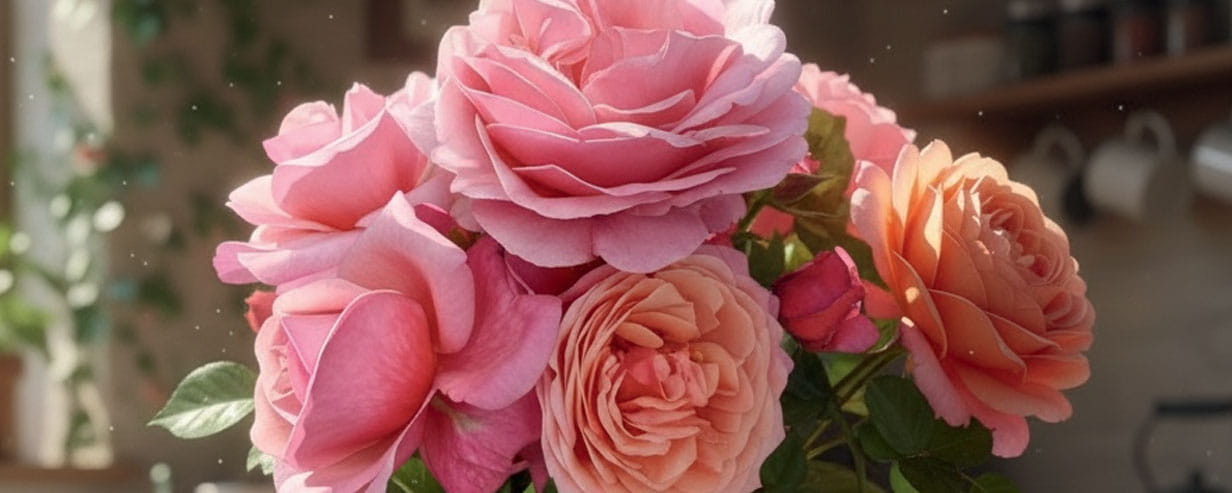
I would also recommend fragrant Hybrid Musk roses as they flower later than most. These often are large shrub roses with arching branches and they are packed with flower from late-summer onwards. They bear clusters of smaller flowers and the apricot ‘Buff Beauty’ or the pink ‘Felicia’ will peak in late August.

These could support ‘viticella’ clematis bred from a Spanish sun-loving species. The double forms, the dusky plum ‘Purpurea Plena Elegans’ and the navy-blue ‘Mary Rose’ have much long-lasting flowers than the singles and they resemble small roses. Later single forms include ‘Polish Spirit’. Many ‘viticellas’ are very good at scrambling through roses, shrubs or trees and, if you look at the RHS Plant Finder they can be identified by the letters (Vt) after the name. They are easy to prune too, just cut back hard in Spring.

Some daisies will perform in drier conditions too, among them are varieties of aster bred from European species such as the pale-blue Aster x frikartii ‘Monch’ and Aster amellus ‘Violet Queen’. Both favour the front of a border and ‘Monch’ gets my vote as the longest-flowering aster of all.

And if you want an attractive no-fuss container use a selection of scented-leaved geraniums. Some are citrus scented, others are rose scented. ‘Lady Plymouth’ and ‘Attar of Roses’ is excellent.

Related

  • Val Bourne

    How can I make August bearable?

    August can be a lacklustre and tired month because the garden is often at its driest. But by early September night time temperatures start to drop and as a result morning and evening dews begin to revive the garden - and your spirit.

    Read on

  • Scented leaved pelargoniums

    Container plants: summer survival solutions

    Every summer we go on holiday and come back to dried-up containers. Is there anything capable of surviving for two weeks without water?

    Read on

  • Agapanthus

    Keeping the garden going in August

    August is a dire month, with few gardens looking good. The soil is often dry, the light is uninspiring and there are many plants already on the downhill slope

    Read on

  • Home thumbnail

    Home insurance

    Cover of up to £50,000 for contents and up to £500,000 for buildings as standard.

    MORE DETAILS

  • Motor thumbnail

    Car insurance

    Superb cover and excellent customer service, with an additional discount up to 15% when you buy online.

    MORE DETAILS

  • Holiday home thumbnail

    Holiday home insurance

    All the cover you need for your holiday home abroad.

    MORE DETAILS

  • Home phone and broadband

    Home Phone and Broadband

    MORE DETAILS


COMMENTS

Type your comment here


 characters remaining.

Saga Magazine

Claim your free issue today and find out why we're the UK's bestselling monthly magazine.