Keeping the Garden Going in August

By Val Bourne

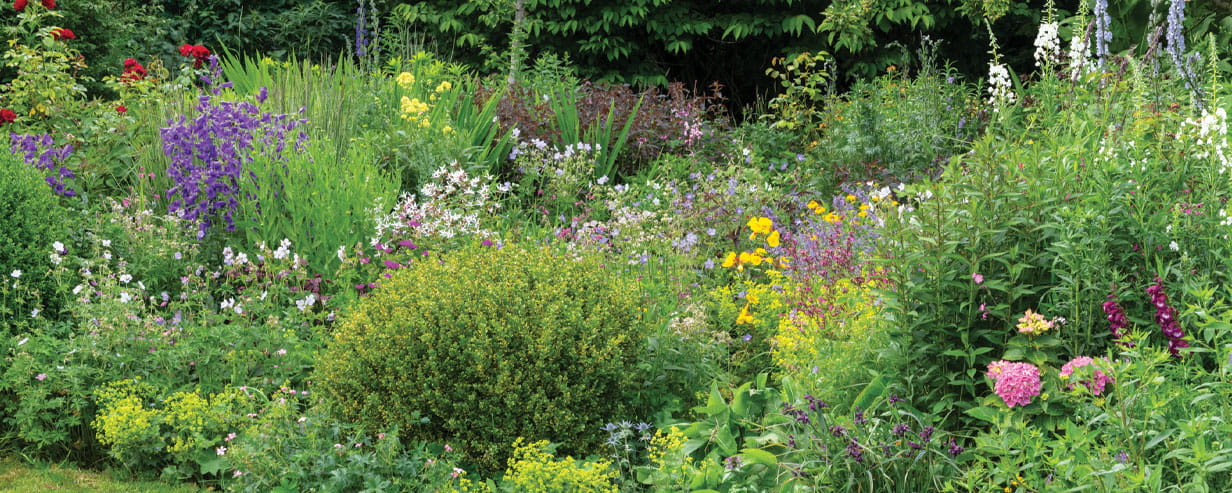
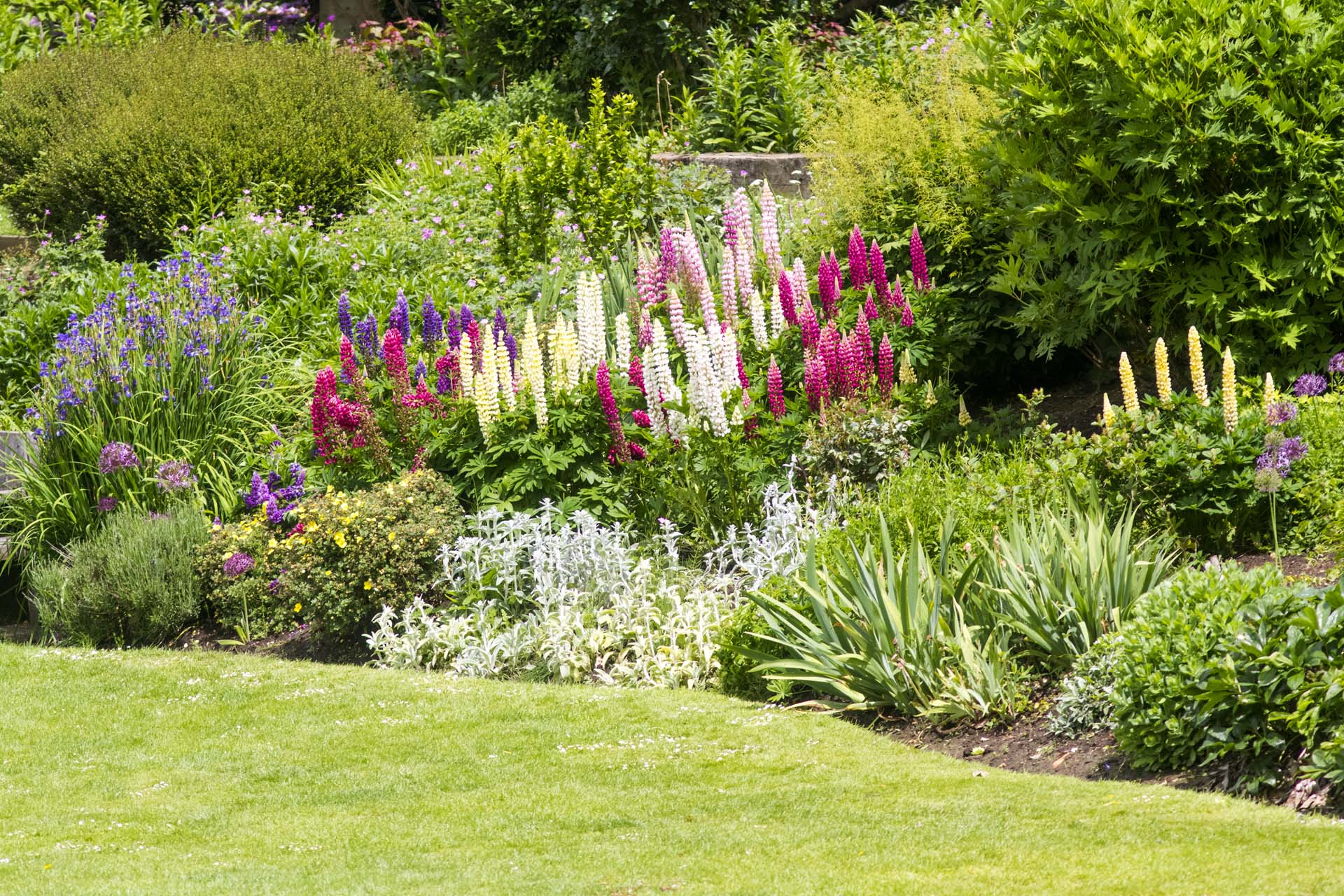
Alphabet A August is a dire month, with few gardens looking good. The soil is often dry, the light is uninspiring and there are many plants already on the downhill slope. But there are remedies and you can often keep the garden going by deadheading spent flower heads (to promote more flower) and by preening the borders and removing seed heads and brown leaves.

AgapanthusAgapanthus
Mulch thirsty plants

You can also stop the tired look by mulching with well-rotted organic material in early May - but always on damp soil. This will keep any moisture trapped underneath. You can make a simple mulch using partially decomposed grass clippings. However, whenever you mulch you nearly always get more slugs. So don’t add this mulch near hostas, dahlias, delphiniums or other favourite slug fests.

Thirsty plants

  • Phloxes
  • Asters
  • Persicarias
  • Aconitums
  • Heleniums
  • Monardas

A quick and easy mulch for thirsty plants

Put the grass clippings on a plastic sheet and leave for one day in sunshine. Turn the pile of clippings and leave for another 24 hours, or until they have turned brown. Apply the mulch by spreading round each plant. Never cover the crown of a plant.

The Chelsea chop

Another way to keep the garden going is to give plants a Chelsea chop in May - roughly when the flower show takes place. Although it’s too late this year, you could cut plants down by two-thirds next May. They will bush out more, be shorter in stature and flower later. This is very good for campanulas, sedums, phloxes and asters. But I wouldn’t recommend the Chelsea chop if you’re on thin, dry soil or in drier parts of the country - unless you’re prepared to water.

Cultivate some drought-tolerant plants

Several types of plant are specially adapted to strong sunshine and dry conditions and they positively thrive in hot, dry summers.

Aromatic Plants

Any pungent plant has an oily coating designed to screen out the sun’s drying rays and many peak in August.

These billowing lavenders (or lavendins) have long, tapering flowers held on very long stems above a rounded mound of thick, felty foliage. They peak in late-summer and can be trimmed back to form a tight orb in September. Never cut them back hard and replace every 5th year - so take cuttings. (40 - 60 cm)

Forms or hybrids of Origanum laevigatum include 'Herrenhausen' and 'Hopleys' and the hybrid 'Rosenkuppel'. The long wiry stems are topped by two-toned purple or pink flowers and they leave an excellent winter seed head. (30 -40 cm) Good low-growing thymes include Thymus pulegiodes 'Tabor' and 'Silver Queen'.

The best marmalade-orange achillea with intricate, acrid, silvery foliage and large flat heads (50 cm).

This sprawling lemon-yellow daisy with cut silver foliage flowers in early summer. But if cut back hard after the first flowering it becomes an August star (30 cm).

Cut back hard in mid-July for a sheet of sky-blue flowers in August (a floppy 60 cm)

Fleshy-leafed plants

Some plants with thick water-filled leaves can withstand dry conditions and purple-leafed sedums, house leeks, phormiums, eucomis and succulents will never flag. However their soft stems may well attract vine weevil. Check by tugging the main stem away from the roots. If healthy it will stay attached.

This wonderfully poised, upright sedum combines dark, neatly crimped leaves with ruby-red flowers. These are extremely attractive to hoverflies and bees. Simply the best sedum.

This multi-striped pink, green and cream phormium - provides linear structure.

Larger pewter-toned, dusky grey-purple leaves and branching stems of pink flowers (30 cm).

A new green-leaved sedum that won’t flower until September. But the wide heads of green buds will look just as good as flowers in August (40 cm).

It has proved hardy even coming through last year's winter. Wavy swords of deep-red crinkled leaves make a shuttlecock. 'Pineapple' flowers amy follow (40 - 60 cm).

Tender plants from warmer climes

Some plants from South America or the Mediterranean start into growth later here due to the weather, so they don’t peak until late summer and autumn. They offer great value in August and they include penstemons, dahlias, salvias, verbenas and diascias. Lots of other bedding plants also perform in August and these include petunias, pelargoniums, osteospermums, eliotropes, agapanthus and verbenas.

Take a masterclass

If you feel that your garden is drab in August make a pilgrimage to the Cotswold Wildlife Park and Garden near Burford in Oxfordshire. The Walled Garden is a sensation and the borders will inspire you. (It is listed in the Good Gardens Guide - www.cotswoldwildlifepark.co.uk)

Truly perennial August performers

There are 'backbone' plants that shine in August and they include crocosmias, kniphofias, phloxes, European asters, heleniums and buddlejas.

1. Helenium 'Sahin’s Early Flowerer' - shimmering mahogany and orange daisies - every one different - on this strong hybrid helenium (100 cm).

2 Aster x frikartii 'Monch' - large lavender-blue daisies with very long rays. This European aster tolerates much more drought and flowers for weeks. Tends to flop a little, so better at the front (50 cm).

3. Crocosmia 'Emberglow' - a blaze of dark-red flowers in August (90 cm) .

4. Rudbeckia 'Goldsturm' - crisp yellow daisies with brown centres set against good green foliage (90 - 120 cm).

5. Kniphofia 'Timothy' - subdued gentle pokers that smoulder like red-hot iron on a blacksmith’s forge (80 cm).

Suppliers

Sampford Shrubs - www.samshrub.co.uk

Special Perennials - www.specialperennials.co.uk

Cotswold Garden Flowers - www.cgf.net

Related

  • Hakonechloa All Gold with Heuchera Tiramisu

    How can I make August bearable?

    August can be a lacklustre and tired month because the garden is often at its driest. But by early September night time temperatures start to drop and as a result morning and evening dews begin to revive the garden - and your spirit.

    Read on

  • Scented leaved pelargoniums

    Container plants: summer survival solutions

    Every summer we go on holiday and come back to dried-up containers. Is there anything capable of surviving for two weeks without water?

    Read on

  • Drought

    Acclimatising to changes in the garden

    Here's a comforting thought: we gardeners will be some of the people least troubled by climate change.

    Read on

  • Home thumbnail

    Home insurance

    Cover of up to £50,000 for contents and up to £500,000 for buildings as standard.

    MORE DETAILS

  • Holiday home thumbnail

    Holiday home insurance

    All the cover you need for your holiday home abroad.

    MORE DETAILS

  • Home phone and broadband

    Home Phone and Broadband

    MORE DETAILS


COMMENTS

Type your comment here


 characters remaining.

GARDENS HOLIDAYS

Discover the natural world

Experience some of the world’s most magnificent horticultural locations, including South Africa, Madeira, Canary Islands, Greece and the UK.

Saga Magazine

For more fascinating stories and insightful articles, why not try Saga Magazine for just £1 for 3 issues.