Travel
Whether you’re after the latest travel advice or are simply looking for some inspiration for your next holiday, you’ll find everything that you need here.

Win a boutique cruise for two worth more than £8,300
Your chance to win a 15-night cruise to the Canary Islands on board Saga's Spirit of Adventure.

Our choice of the best walks in the UK
Beach, mountain, pub, woodland and circular – the best walks across the UK.

Join us on a luxury spa break this autumn
Enjoy being pampered at Ragdale Hall Spa and meet the Saga Magazine team at this exclusive getaway.
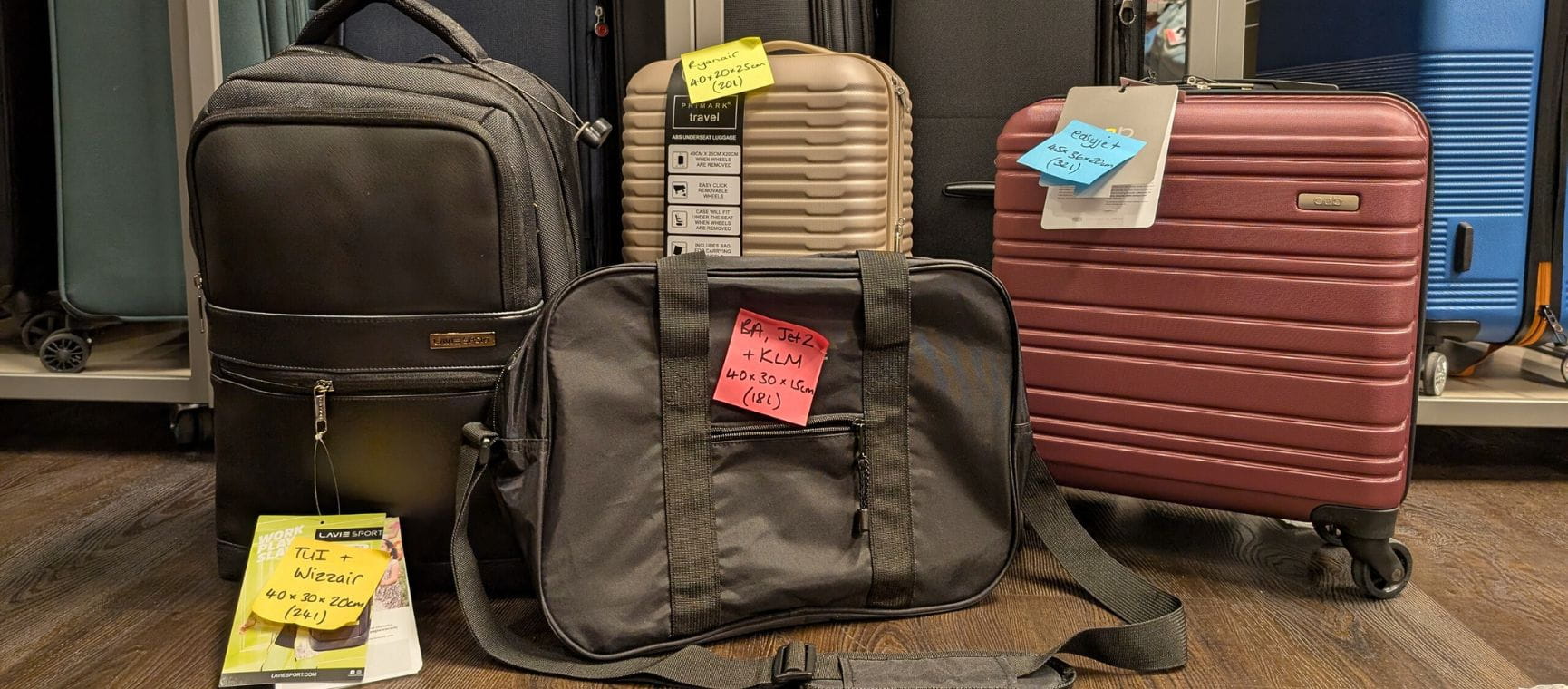
Cabin bag sizes: our guide to what you can take onboard on each airline
We help you beat the airlines at their own game with the cabin bag weight and size limits for the UK's seven most popular carriers.
The 8 travel insurance mistakes that could cost you dearly
The common gaps that could leave you out of pocket and how to make sure you’re properly protected.

Martin Clunes: why I no longer travel with my homemade hot sauce
On the magic of Madagascar and the tea bags the actor never travels without.

This year, Saga is celebrating an incredible 75 years – and we’d love you to be part of the celebrations. For a limited time only, you can subscribe to Saga Magazine for just 75p an issue.
Receive the next 6 print editions delivered direct to your door, plus 6 months’ unlimited access to the Saga Magazine app – perfect for reading on the go.
Play our free daily puzzles
Beat the boredom and exercise your mind with our selection of free puzzles.



Appliances you should always unplug before going away
Stay safe and save money, the electrical items you need to unplug and the ones to keep connected.

My 7 top solo travel tips
Joanna Moorhead’s solo travel tips learned from travelling the globe alone.

Lucy Worsley on “disgracing” herself in New York
The celebrity historian shares her travel stories and disasters.
Our choice of the best walks in the UK
Beach, mountain, pub, woodland and circular – the best walks across the UK.
Win a boutique cruise for two worth more than £8,300
Your chance to win a 15-night cruise to the Canary Islands on board Saga's Spirit of Adventure.

The 6 best circular walks around the UK
Our expert’s choice of circular walks include an island loop, a waterfall circuit and a mountain lake route.

The 6 best woodland walks around the UK
Our expert shares her choice of the best woodland walks around the UK.

The 6 best mountain walks in the UK
From full-day hikes to introductory routes, our expert shares her choice of mountain walks.