Gardens
Gardening and landscape design ideas to help you make the most of your outdoor living space.
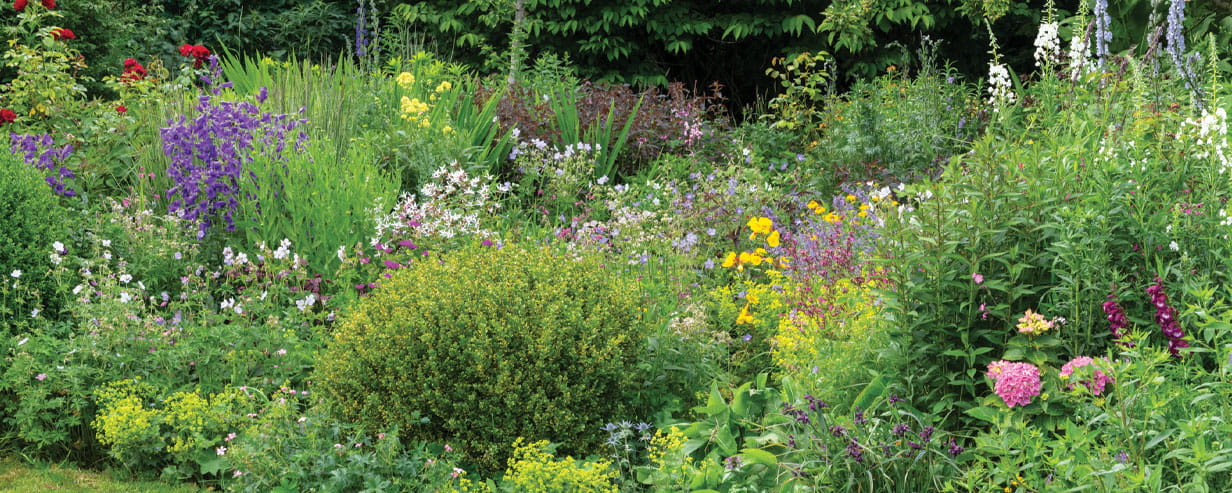
Jobs to do in the garden in June
With Alan Titchmarsh on how to give your plants a second flush.

How the Saga Rose was created
We go behind the scenes at the launch of our very special flower at the RHS Chelsea Flower Show.
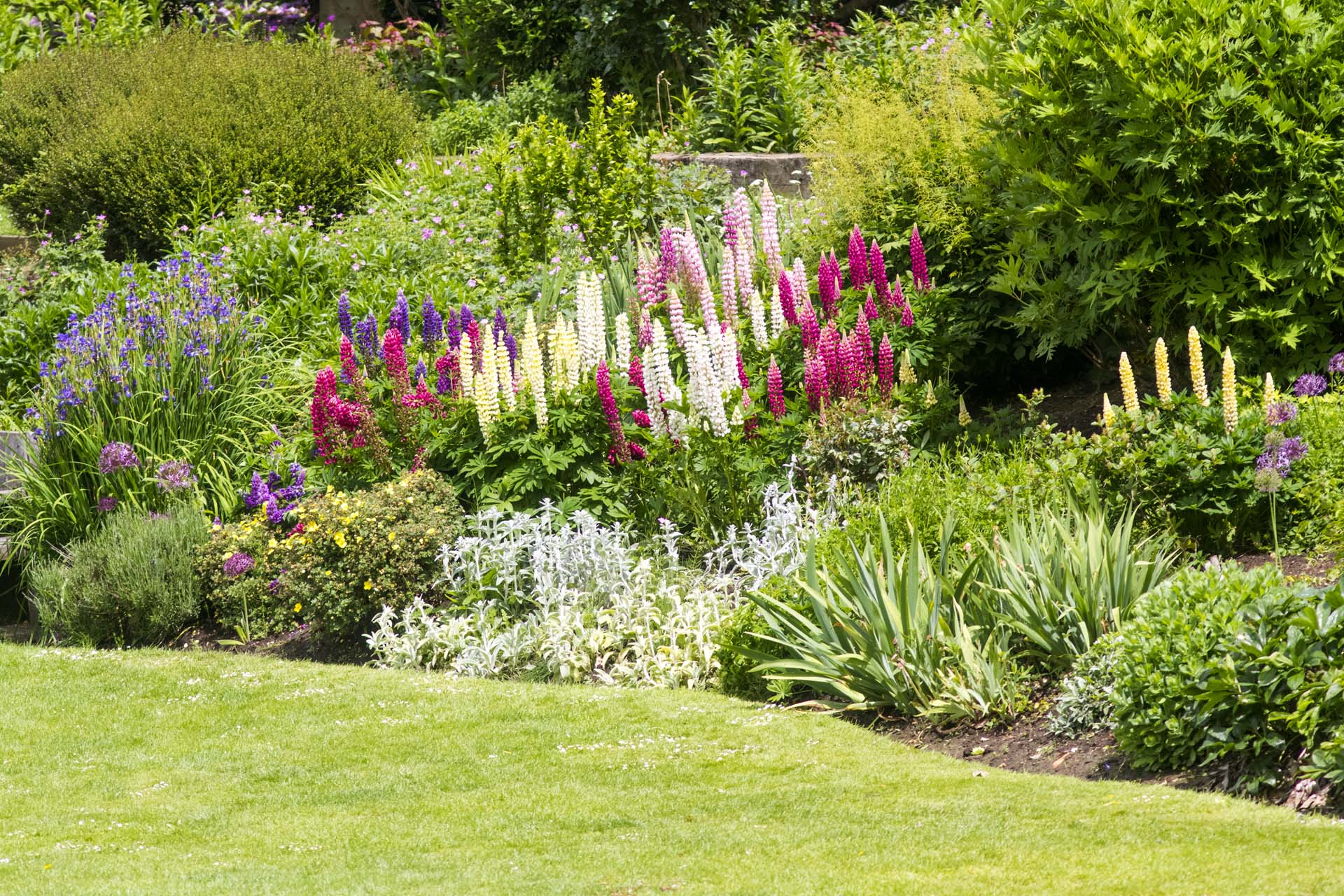
The 10 best low-maintenance border plants
The experts pick flowers and shrubs that will create beautiful borders with minimum effort and maximum impact.
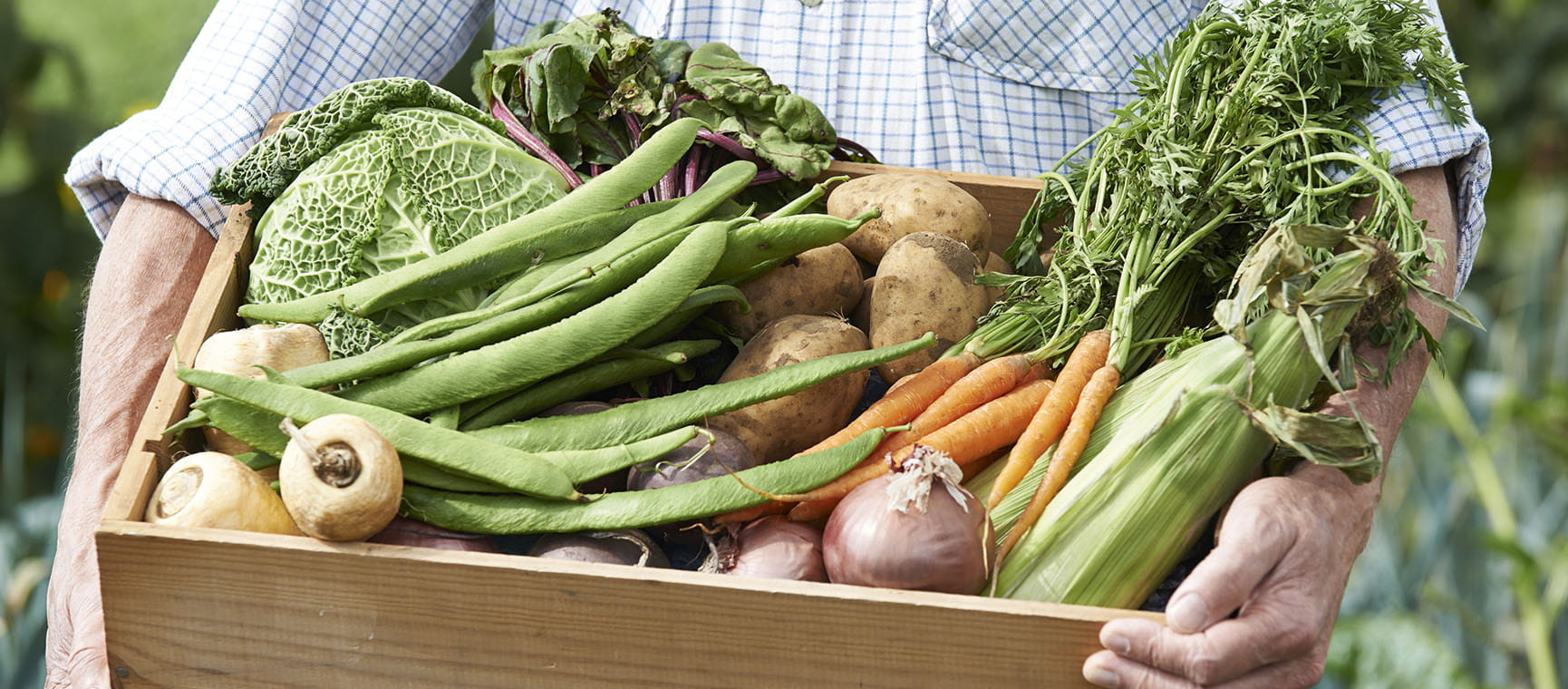
How to grow your own vegetables
Tips from the gardening experts on growing your own vegetables.

How and when to harvest radishes so they taste their very best
With a clever tip from gardener David Domoney to guarantee you'll eat them at their prime.
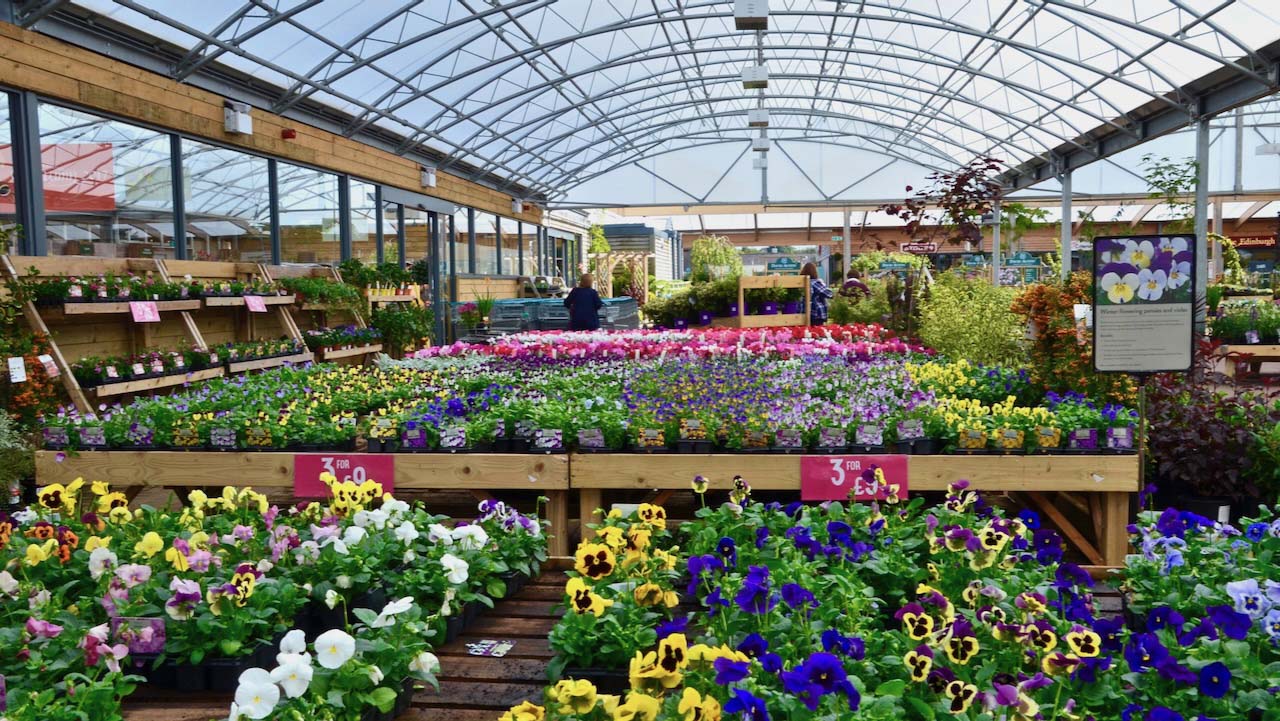
Don't make these 5 plant-buying mistakes
Shop for flowers and shrubs successfully with our expert dos and don’ts.
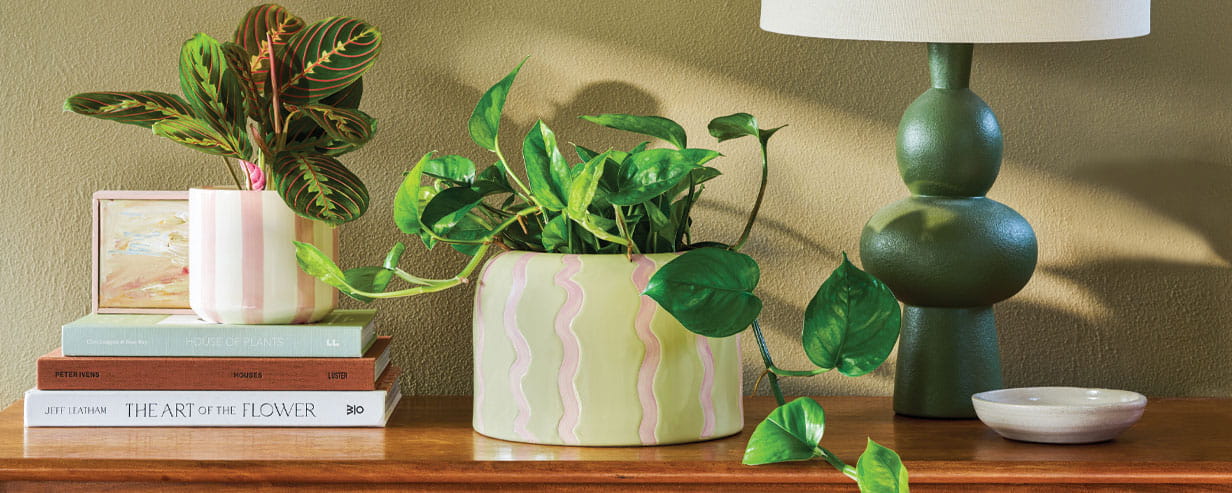
The 9 biggest houseplant care mistakes to avoid
Everything from the wrong water to bad positioning can harm houseplants.
How and when to harvest radishes so they taste their very best
With a clever tip from gardener David Domoney to guarantee you'll eat them at their prime.
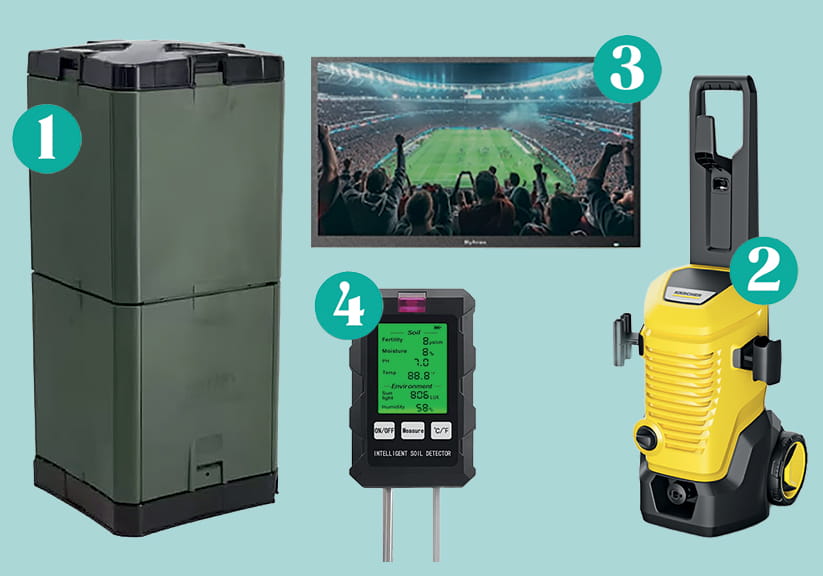
The best technology and gadgets for your garden
Our expert shares his top choices of the latest tech for your outdoor space.
Jobs to do in the garden in June
With Alan Titchmarsh on how to give your plants a second flush.
How the Saga Rose was created
We go behind the scenes at the launch of our very special flower at the RHS Chelsea Flower Show.
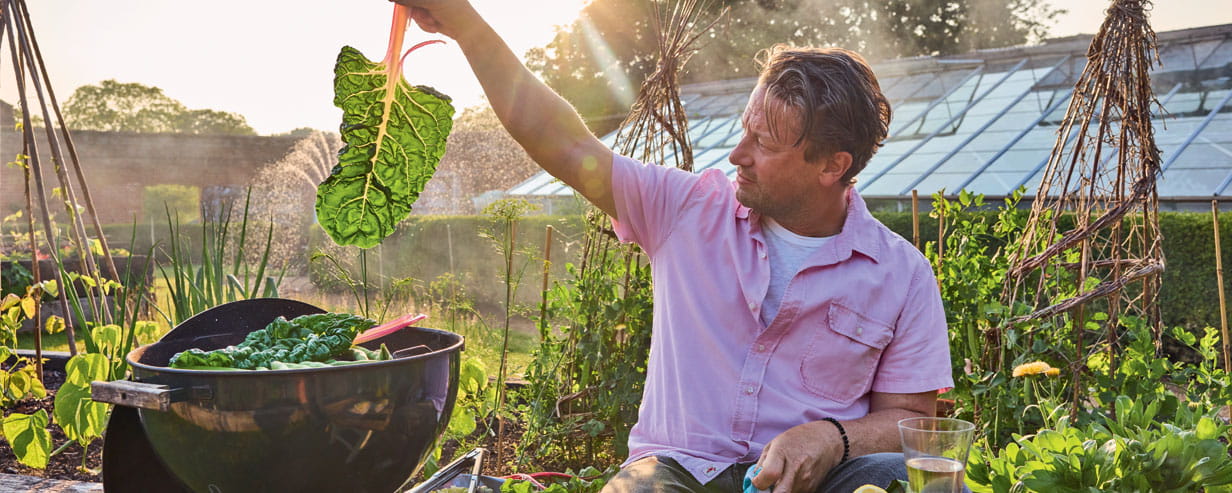
Jamie Oliver's 7 best BBQ tips
Don’t fire up the barbecue until you’ve read the TV chef’s guide.
How to grow your own vegetables
Tips from the gardening experts on growing your own vegetables.
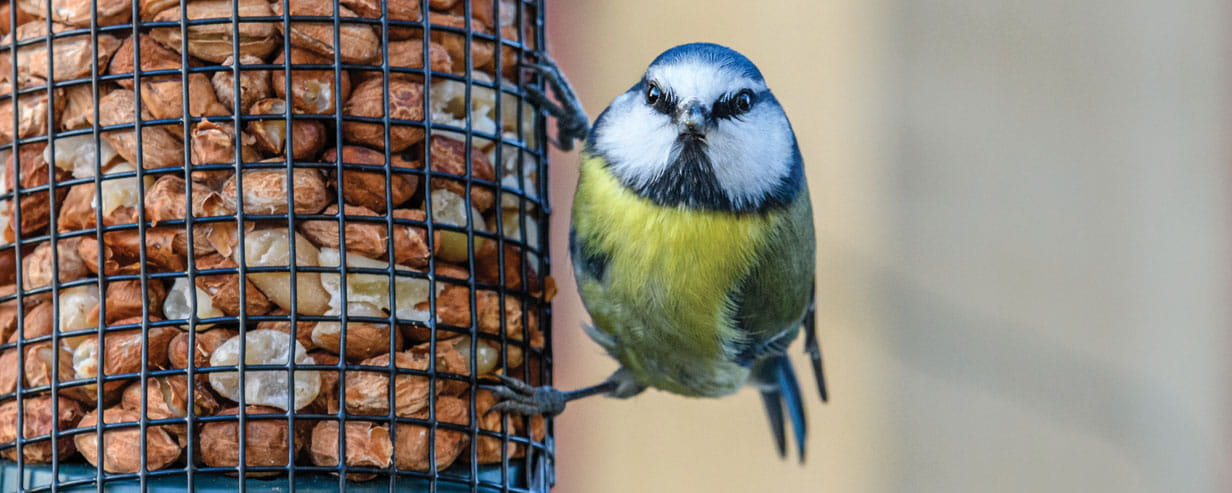
Confused about bird feeding? Here's the latest advice
The experts explain the best ways to look after our feathered friends.

This year, Saga is celebrating an incredible 75 years – and we’d love you to be part of the celebrations. For a limited time only, you can subscribe to Saga Magazine for just 75p an issue.
Receive the next 6 print editions delivered direct to your door, plus 6 months’ unlimited access to the Saga Magazine app – perfect for reading on the go.
Play our free daily puzzles
Beat the boredom and exercise your mind with our selection of free puzzles.