Health & Wellbeing
Our experts show you simple and effective ways to stay healthy and active, so you can live your passions every day.

What do the new prostate cancer test changes mean for men?
It’s the UK’s most common cancer, but guidance given to GPs about prostate cancer screening has recently changed. Do men still have the right to ask for a PSA test? We answer your questions.

7 surprising health benefits of fitness trackers
Wearable devices can help support heart health, sleep, mobility and independence as we age.

A knee surgeon’s 5 non-negotiables for healthy joints
Advice on how to protect and support your knees on Saga’s health podcast.

How to unblock your ears
Expert advice on the best and worst ways to clear ears blocked by wax or fluid.

Daily habits to keep liver healthy
Three of the UK’s leading specialists reveal how they look after their livers – and bust a few myths about alcohol and health while they’re at it.

How early is too early to wake up
A leading UK professor of sleep medicine explains how to deal with early waking.
Daily habits to keep liver healthy
Three of the UK’s leading specialists reveal how they look after their livers – and bust a few myths about alcohol and health while they’re at it.
How early is too early to wake up
A leading UK professor of sleep medicine explains how to deal with early waking.
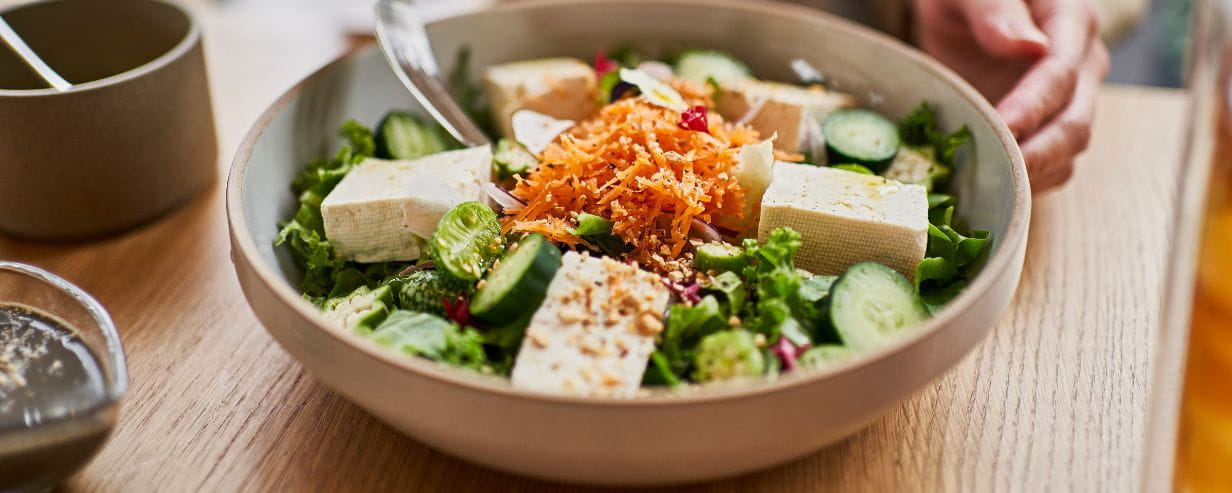
Which meat-free alternatives are best for your health?
From tofu and tempeh to Quorn and pea protein, experts explain the pros and cons of today’s most popular meat-free proteins.
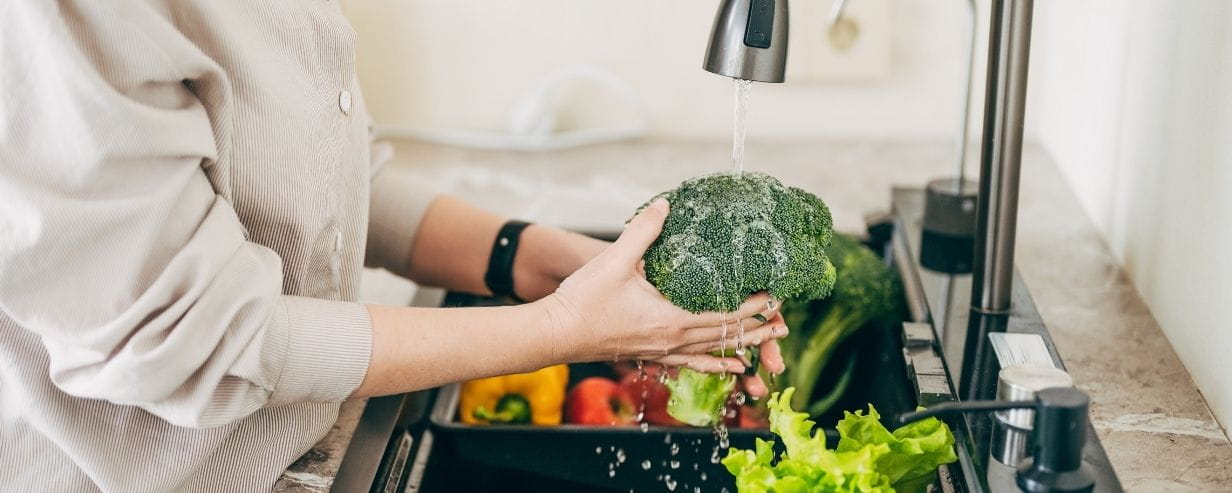
Foods you should wash – and those you shouldn’t
Washing food may feel hygienic but get it wrong and you could spread bacteria around your kitchen.
What do the new prostate cancer test changes mean for men?
It’s the UK’s most common cancer, but guidance given to GPs about prostate cancer screening has recently changed. Do men still have the right to ask for a PSA test? We answer your questions.
7 surprising health benefits of fitness trackers
Wearable devices can help support heart health, sleep, mobility and independence as we age.

I have been taking statins for 10 years, and I’m healthy. Is it really worth continuing with them?
If you’ve never had any heart trouble or a stroke, should you continue taking statins or give them up? Dr Mark Porter gives his verdict.

UK salmonella outbreak: are eggs safe and should you be worried?
We explain which eggs are safe, why older people are more vulnerable and when symptoms need medical attention.

This year, Saga is celebrating an incredible 75 years – and we’d love you to be part of the celebrations. For a limited time only, you can subscribe to Saga Magazine for just 75p an issue.
Receive the next 6 print editions delivered direct to your door, plus 6 months’ unlimited access to the Saga Magazine app – perfect for reading on the go.
Play our free daily puzzles
Beat the boredom and exercise your mind with our selection of free puzzles.