Spice up your life - the health benefits of spices

By Janette Marshall

Alphabet E Eating more spices could soon be as important as eating five portions of fruit and vegetables a day.
Herbs and spicesHerbs and spices

The same antioxidants that convinced doctors worldwide that fruit and vegetables help prevent heart disease and certain cancers are now known to be present in spices, and in larger quantities than was previously thought.

Recognising the potential health value of spices and herbs, the American government has been analysing the antioxidant content of spices and herbs and adding them to its USDA (United States Department of Agriculture) nutrient database, alongside other foods.

Just a small amount of spices and herbs in a normal healthy balanced diet could bring benefits. USDA data show half a teaspoonful of cumin seeds, for example, is equal to a standard portion of red grapes or kiwi fruit for antioxidant potential. A teaspoonful of dried ginger or paprika can match a portion of tomatoes or green pepper.

Analysis of a curry powder blend of spices by Australian academics and American spice and herb producers McCormick (better known for the Schwartz brand in the UK) both conclude that one teaspoonful is as powerful an antioxidant fix as portions of broccoli, spinach, red peppers, carrots and other high-scoring antioxidant vegetables dubbed 'superfoods'.

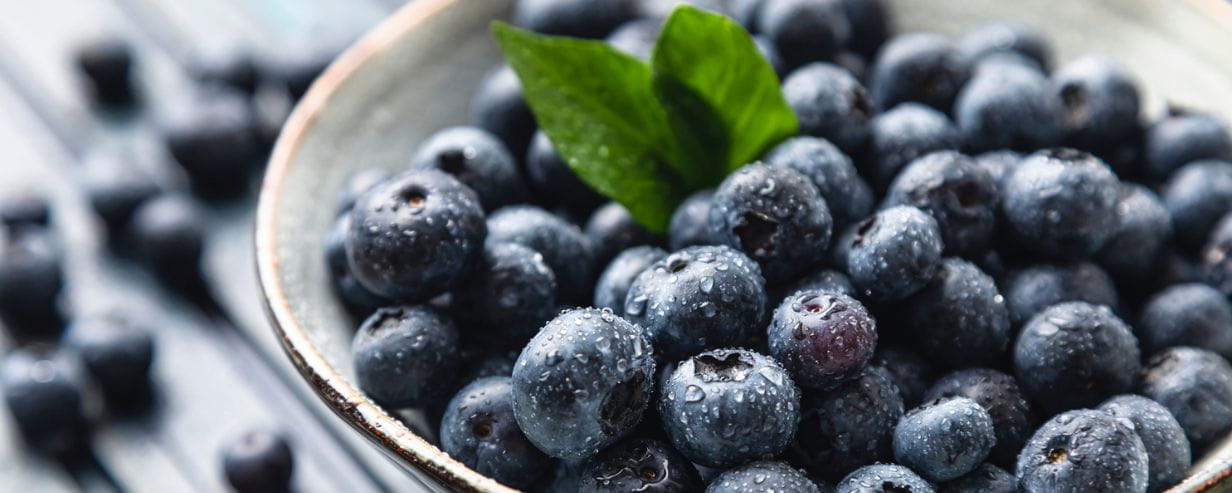
For those with a sweet tooth, one teaspoon of ground cinnamon or cloves packs in as much antioxidant power as a portion of cranberries, blueberries or raspberries.

"Making regular use of spices and herbs is a healthy and economic way to enhance health and your cooking," says dietitian and nutritionist Nigel Denby, who is also a trained chef. "Spices allow you to reduce salt, sugar and fat content and still have tasty food. Because spices are so versatile you can use them throughout the day’s eating."

But not all spices are equal. According to the Journal of Nutrition there can be 1,000-fold difference in antioxidant content. At the top of the chart are allspice, chilli, cinnamon, cloves, cumin, curry spice mixes, garlic, ginger, mustard, paprika and turmeric.

Hamed Faridi, vice president of research and development at McCormick, oversees the new McCormick Science Institute which is funding several clinical trials in US universities into the health benefits of spices and herbs used in cooking.

Faridi is excited about the potential: "Antioxidants can reduce the risk of chronic inflammation involved both in heart disease, and as a precursor to diabetes and certain cancers. We are interested to see if on a daily basis culinary use of spices and herbs might mitigate the risk of chronic inflammation. Weight management is another area of interest because spicy chillies speed up metabolic rates.

Research is underway that will study the ability of a mixture of high-antioxidant spices to reduce stress-induced inflammation in moderately obese, middle-aged to elderly subjects.

"Stressful situations, such as public speaking and performing arithmetic calculations, increase inflammation and this study will determine whether such inflammation can be reduced or prevented by a meal containing spices," explains Faridi. "The study will also examine cardiovascular markers including blood pressure and arterial function."

Regularly eating ginger can also help reduce muscle pain after exercise, says Faridi: "New research that will be presented this summer shows that healthy young subjects who consumed two grams of ginger per day for eight days experienced significantly less pain the day after exercise compared to subjects who received a placebo."

You don't have to do vigorous exercise or a stressful job to benefit. If you just want to relax around the BBQ this summer, a newly published UCLA study into making burgers healthier, might be more pertinent. The study found that adding a mix of paprika, cumin, ginger, garlic, oregano and rosemary reduced formation of oxidized fats during cooking and digestion by 70 per cent.

These results suggest that high-antioxidant spices can reduce oxidation of harmful 'bad' cholesterol, the primary cause of atherosclerosis (narrowing of the arteries that leads to heart attack and stroke).

If burgers are not for you, using spice 'rubs' on steak, poultry and other meat, or marinating them in spice mixes before cooking can also reduce production of heterocyclic amines (HCAs), suspected carcinogens formed in muscle foods during high temperature grilling or cooking.

In studies at the Food Science Institute, Kansas State University, Caribbean herb and spice mixes reduced HCA production by more than 80 per cent. Italian studies have shown that the addition of herbs such as lemon balm, marjoram and oregano to salad, and spices and herbs to salad dressing, increases their antioxidant activity significantly.

Guy H Johnson, executive director of the McCormick Science Institute, concludes: "The many health benefits of spices and herbs with antioxidant and/or anti-inflammatory properties may include helping to maintain a healthy heart, cognitive function, healthy blood glucose concentrations and other processes that could be adversely affected by chronic inflammation. However, additional research is needed before the scientific evidence is conclusive."

Meanwhile, Oldways, an American non-profit organisation that promotes science-backed healthy eating, is already convinced of the importance of eating more spices and herbs and has restructured its Mediterranean Diet Pyramid to reflect this. Since the pyramid was published 15 years ago, Oldways says many new scientific studies have supported the health benefits of the Mediterranean style of eating. Recently they have also shown the importance of herbs and spices for their health-promoting characteristics and the role they play in increasing the palatability of foods.

Related

  • Thumb

    Understanding antioxidants

    We're always hearing how antioxidants can protect against disease by fighting free radicals. But what exactly are they and what can they do for you?

    Read on

  • Citrus fruit

    How antioxidants ease hypertension

    You've undoubtedly heard that antioxidants are good for your heart, but new research from Wolfson Medical Centre in Israel indicates that antioxidants have beneficial effects on several aspects of heart health.

    Read on

  • Herbal remedies

    Healing herbs

    Jane Garton explains what herbs can do for your health - and how to use them

    Read on

  • Health thumbnail

    Health insurance

    A comprehensive range of competitively priced HealthPlans. 3 months free when you pay by monthly Direct Debit.

    MORE DETAILS


  • Jean baitup

    Posted: Thursday 12 April 2012

    Thank you for the article on spices and vegetables. I found this very informative and interesting. I use a lot of spices and found the information amazing. Again, thank you.

COMMENTS

Type your comment here


 characters remaining.

Health Cash Plan

Over 50s can claim back 75% of healthcare costs

  • Help with everyday healthcare expenses
  • Cash towards dental and optical bills, plus many more healthcare costs.