Health & Wellbeing
Our experts show you simple and effective ways to stay healthy and active, so you can live your passions every day.

10 ways to protect your eyes as you get older
Half of sight loss is avoidable. An eye expert explains the steps you can take to prevent it.

The “fibre crisis” that is damaging our health
Hugh Fearnley-Whittingstall on the 5 major health benefits of fibre.

9 expert ways to cut your chances of having a stroke
What steps can you take to minimise your stroke risk? Medical specialists offer their best advice.

Two surprising health drinks everyone should try
Staying hydrated is vital, but water isn’t the only answer, says wellness guru Liz Earle.
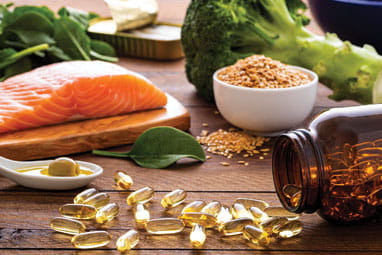
Should I still take omega-3 supplements?
Expert advice on the latest research on the the benefits and dangers of omega-3.
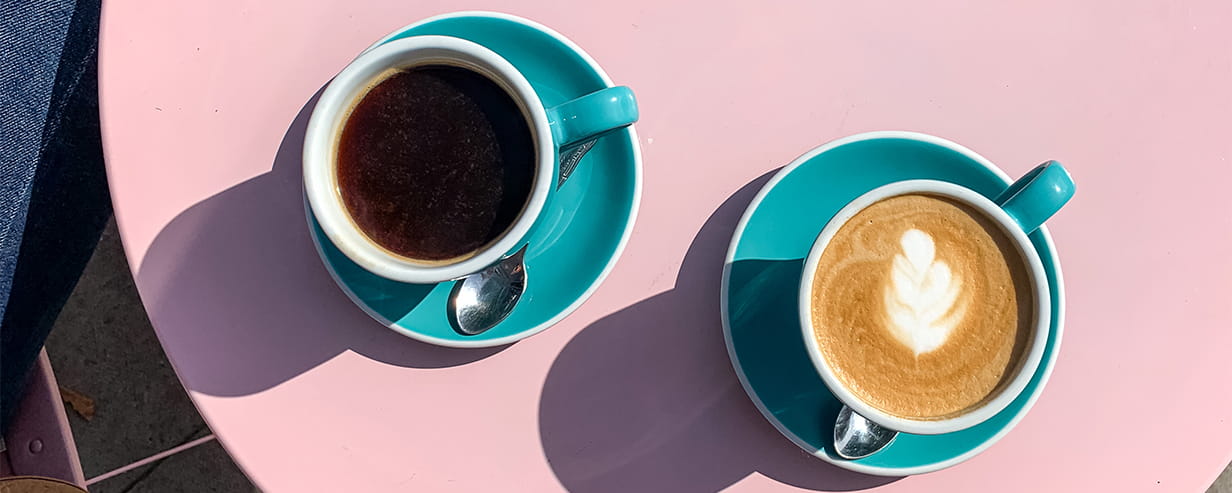
Tea vs coffee: which one is actually better for your health?
The experts brew up an answer and reveal the beverage benefits in full.

Should you give up bread for your health?

10 everyday sayings that could be ageing you faster
Why you feel healthier on holiday
The simple habits you pick up on holiday, can make a real difference back home.

Should you brush your teeth before or after breakfast?
Dr Mark Porter settles a family debate of when we should brush our teeth in the mornings.

Are slippers bad for my feet?
They might be comfy, but slippers aren't great for older feet - what to wear instead.
I’m frightened of cataract surgery. What’s the alternative?
Dr Mark Porter reassures a reader about the benefits of cataract surgery.
Viral health trends that could do you more harm than good
Experts reveal which social media wellness hacks work – and which to avoid.
10 ways to protect your eyes as you get older
Half of sight loss is avoidable. An eye expert explains the steps you can take to prevent it.

This year, Saga is celebrating an incredible 75 years – and we’d love you to be part of the celebrations. For a limited time only, you can subscribe to Saga Magazine for just 75p an issue.
Receive the next 6 print editions delivered direct to your door, plus 6 months’ unlimited access to the Saga Magazine app – perfect for reading on the go.
Play our free daily puzzles
Beat the boredom and exercise your mind with our selection of free puzzles.