Homes
Practical advice, real-life reviews and design inspiration to help you create the home you’ve always wanted.

Air fryer vs microwave - which one is right for you?
Both sit nicely atop your kitchen counter, but is one better than the other?

Thinking of downsizing? What to know before you take the plunge
Selling up and downsizing is a massive decision. We explain the benefits and pitfalls.

10 illuminating ideas for conservatory lighting
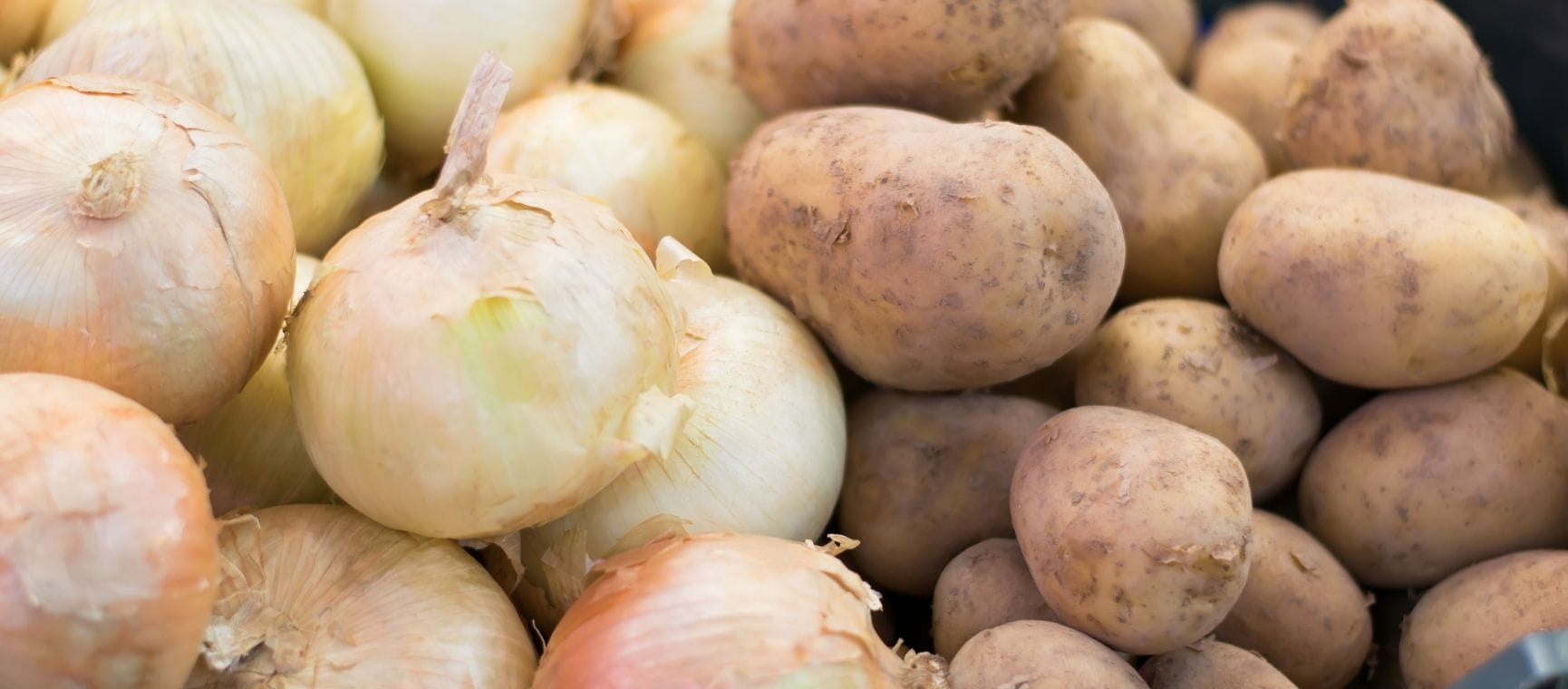
The foods you must never store together

Your front door can add value to your home - or cost you a hefty fine

Are you changing your sheets too little or often?
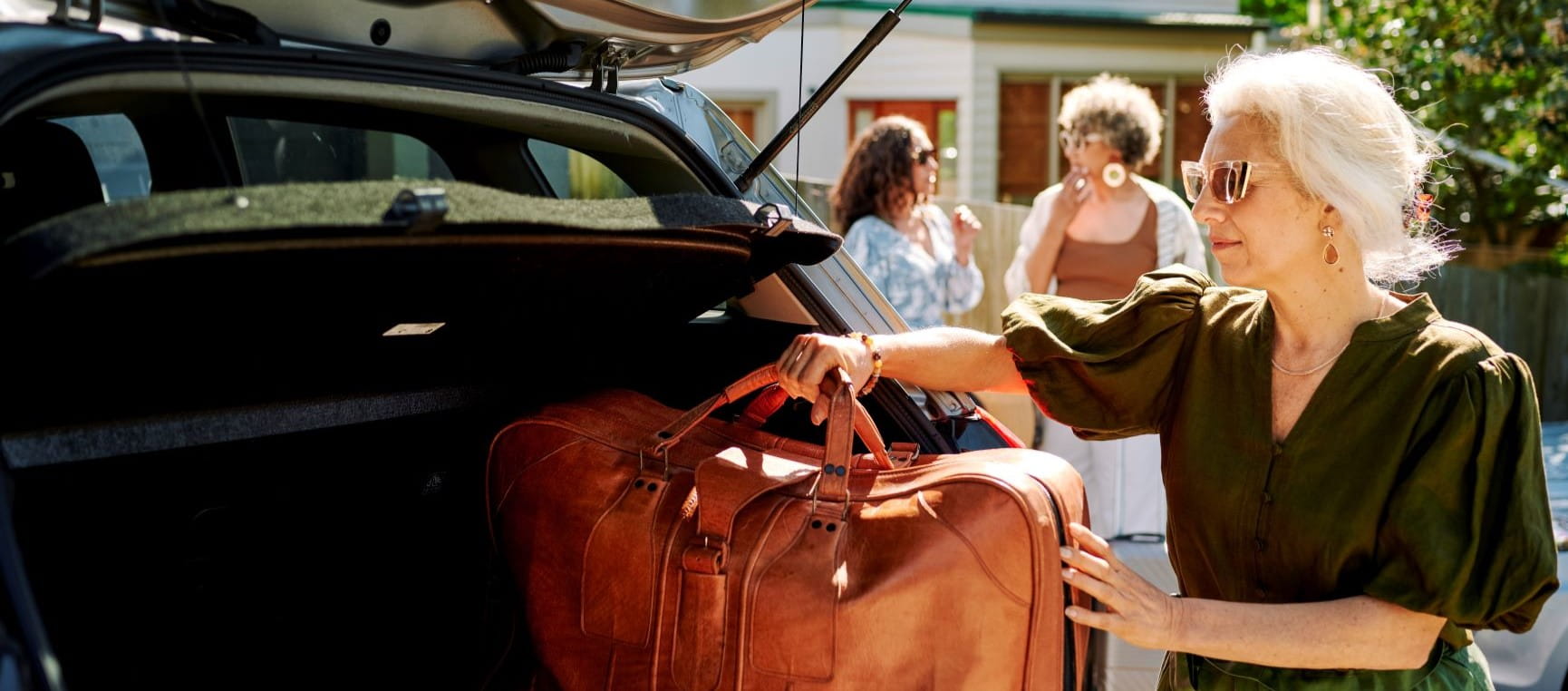
Appliances you should always unplug before going away
Stay safe and save money, the electrical items you need to unplug and the ones to keep connected.

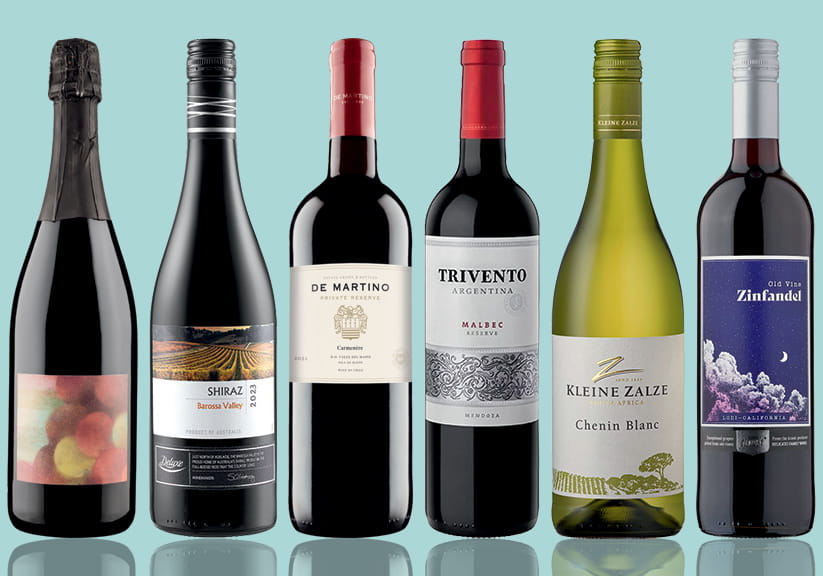
The best wines to drink with a summer barbecue
Our expert shares sizzling wines to enjoy with BBQ food, whatever your budget.
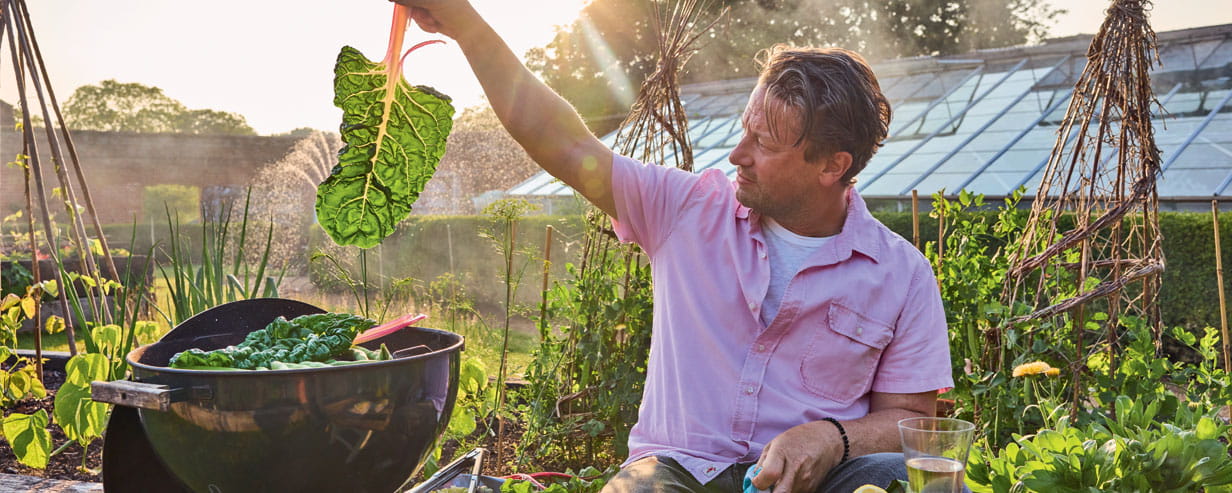
Jamie Oliver's 7 best BBQ tips
Don’t fire up the barbecue until you’ve read the TV chef’s guide.

Best supermarket sausages for the BBQ
The best supermarket sausages for your barbecue this summer.
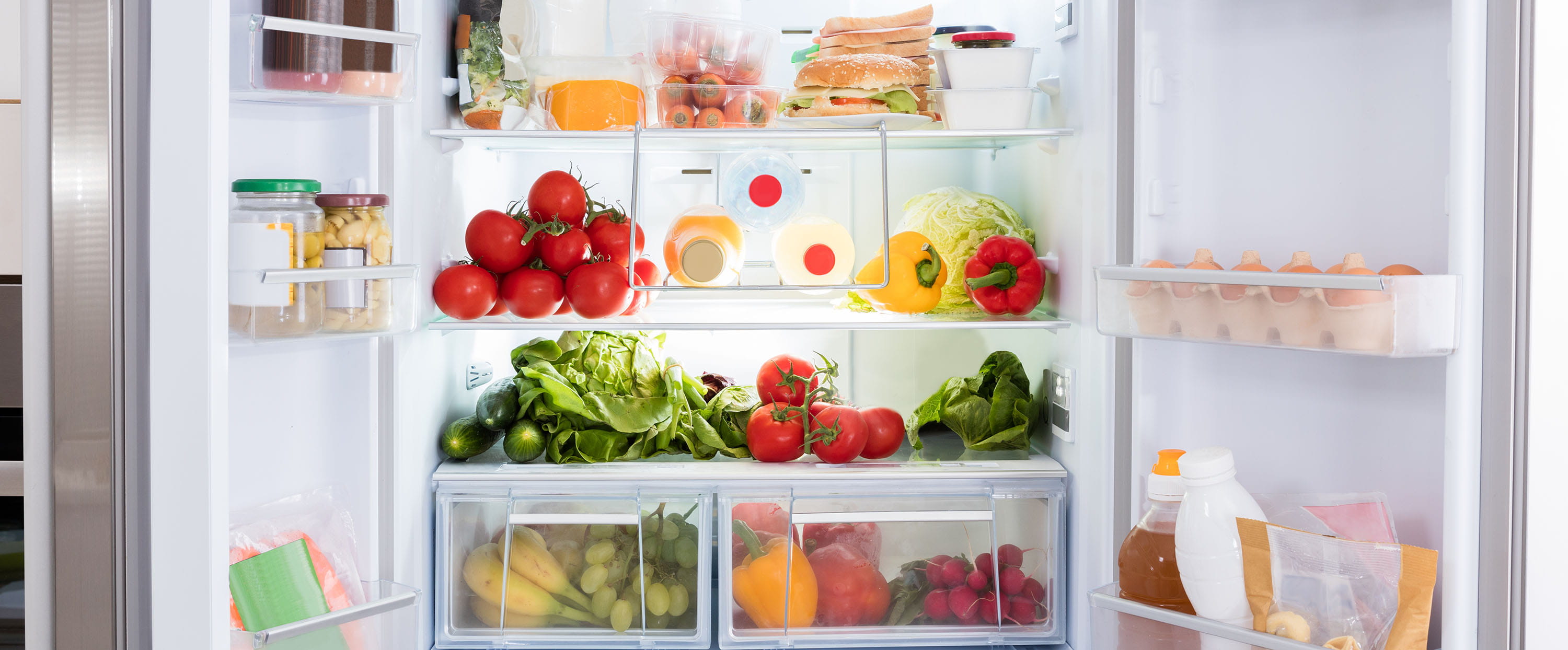
Why your fridge is a germ hotspot – and how to fix it
Your fridge could be a haven for bacteria. Here’s what to do about it.

The best wine to drink with Chinese food
The perfect wine for a Chinese meal depends on the person as much as the food.

When should you turn the heating off
Temperatures are rising, but when is the best time to flick the switch on your heating?

This year, Saga is celebrating an incredible 75 years – and we’d love you to be part of the celebrations. For a limited time only, you can subscribe to Saga Magazine for just 75p an issue.
Receive the next 6 print editions delivered direct to your door, plus 6 months’ unlimited access to the Saga Magazine app – perfect for reading on the go.
Play our free daily puzzles
Beat the boredom and exercise your mind with our selection of free puzzles.