SAGA MAGAZINE
Deadheading
Roses
Why, when and how to deadhead
roses, with tips from Monty Don.
New feature
Visit Saga Magazine's new video page!
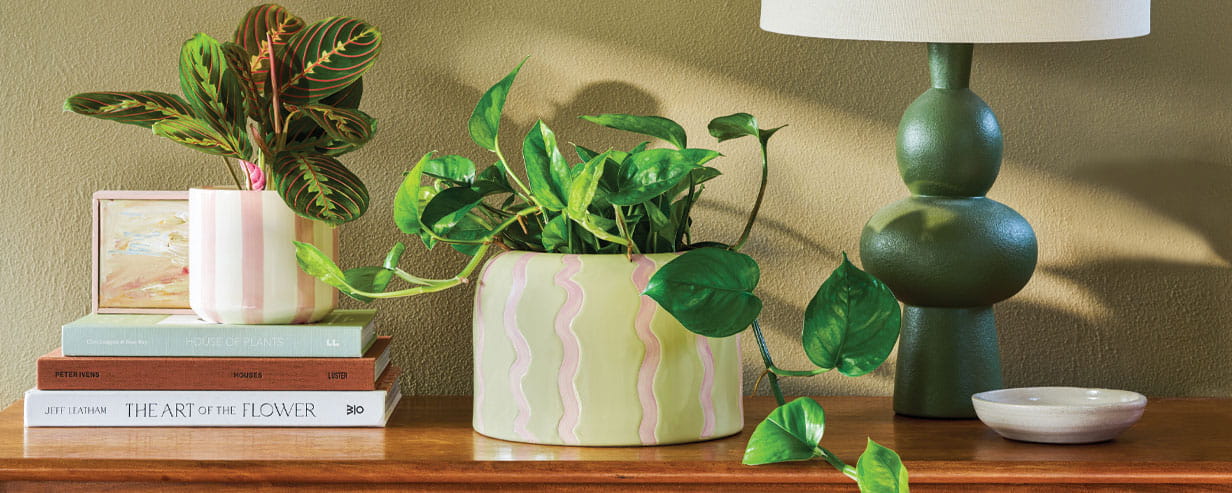
The 9 biggest houseplant care mistakes to avoid
Everything from the wrong water to bad positioning can harm houseplants. Here’s what not to do…
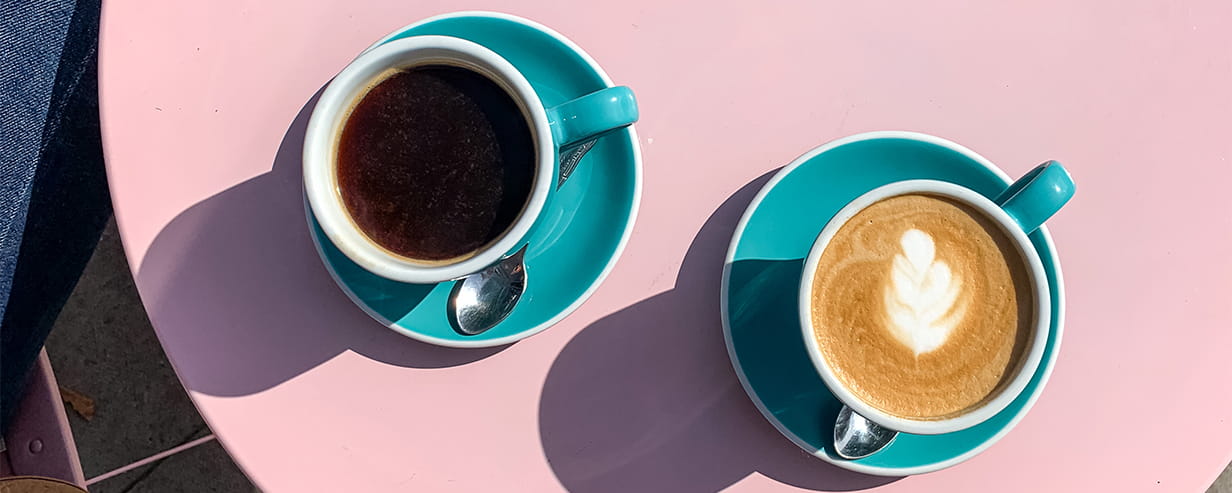
Tea vs coffee: which one is actually better for your health?
The experts brew up an answer and reveal the beverage benefits in full.
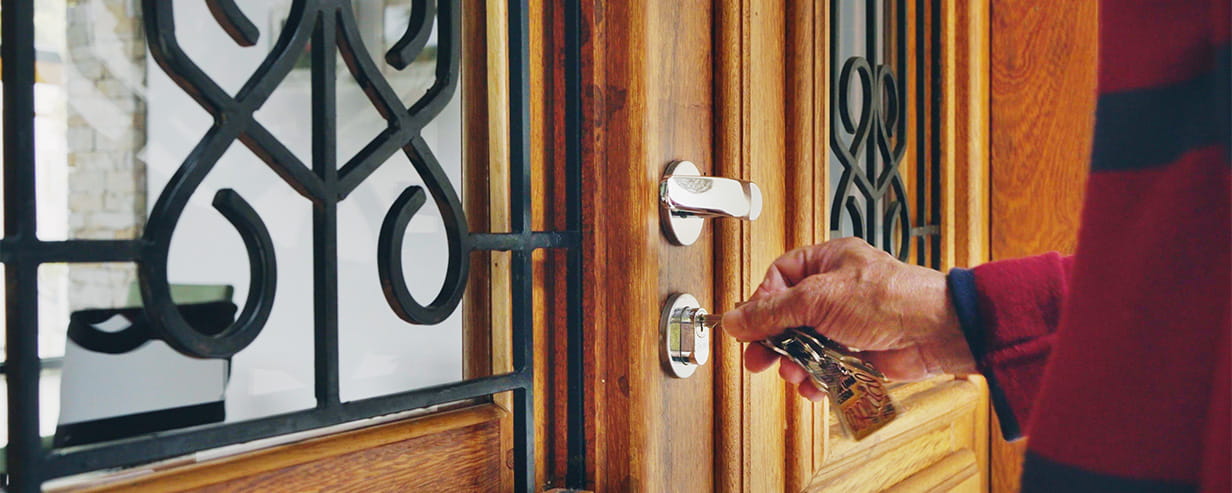
Holiday checklist: 7 ways to keep your home safe while you are away
Make sure your property and possessions are secure with our guide to protecting your home when you’re on holiday.

The best West End shows for every special occasion
Our critic matches the perfect London show for each occasion.

Saga prize draws, competitions and offers
All the competitions, prize draws and offers on Saga right now – enter now to win!
.jpg)
Welcome to the Experience is Everything podcast
Saga’s podcast lets national treasures share what they’ve learnt during their amazing lives.
Play our free daily puzzles
Beat the boredom and exercise your mind with our selection of free puzzles.


This year, Saga is celebrating an incredible 75 years – and we’d love you to be part of the celebrations. For a limited time only, you can subscribe to Saga Magazine for just 75p an issue.
Receive the next 6 print editions delivered direct to your door, plus 6 months’ unlimited access to the Saga Magazine app – perfect for reading on the go.
Latest articles
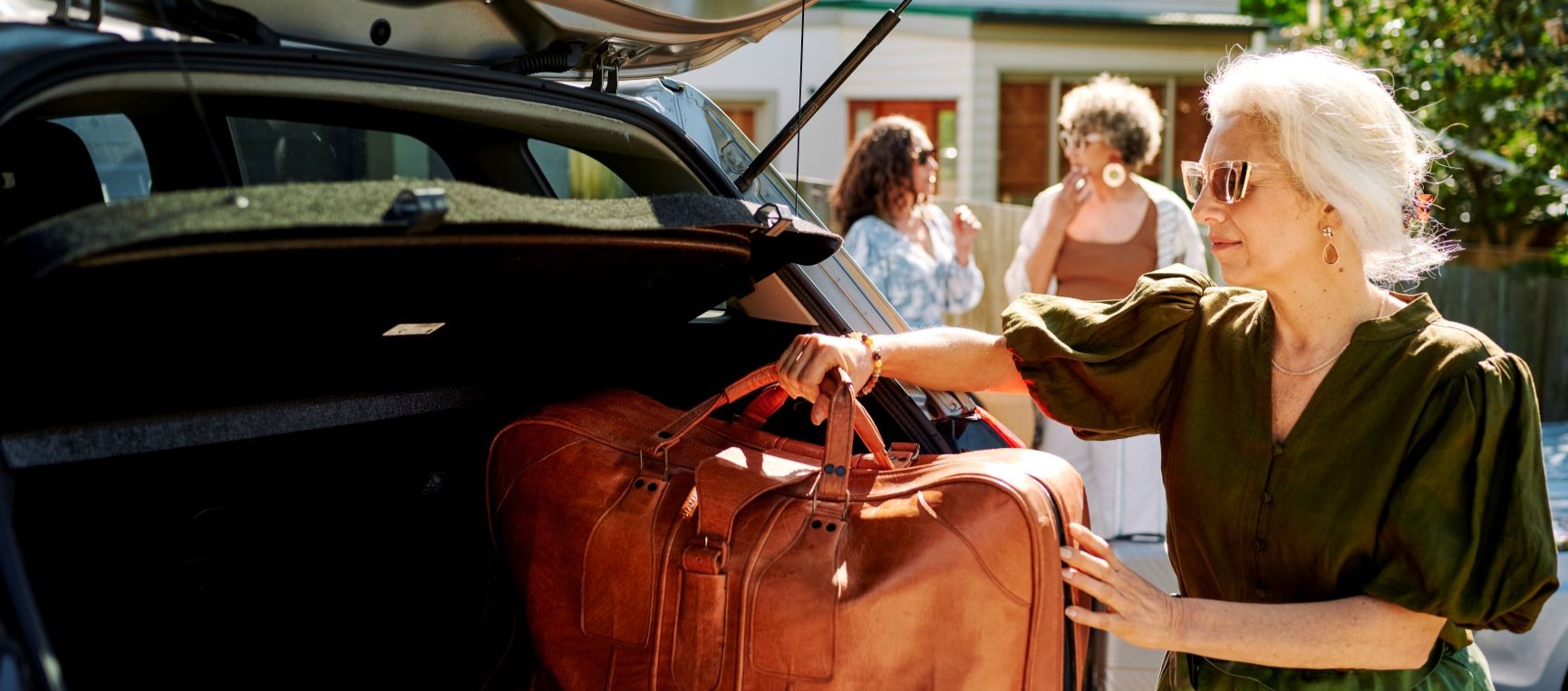
Stay safe and save money, the electrical items you need to unplug and the ones to keep connected.

All the competitions, prize draws and offers on Saga right now – enter now to win!


What steps can you take to minimise your stroke risk? Medical specialists offer their best advice.

Joanna Moorhead’s solo travel tips learned from travelling the globe alone.

Updates on carer’s allowance debt, car finance compensation and dividend tax rates.

High quality wines conveniently delivered direct to your door and covered by our 100% money back guarantee. Join our wine club today and save £85 on your first case
Exclusive celebrity interviews
Exclusive interviews with some of the world's most celebrated actors, musicians, writers and thinkers

“For a while, it was so tedious – it stopped us being able to do anything else but we had no option”
The Doc Martin star was enjoying country life with his family, but then along came two boisterous Jack Russell puppies.

“I’m a tough old bird, but I’m not iron-clad”
The 71-year-old classicist on Beyoncé, family and why it’s so important to speak out.

“I feel enormous love for Downton.”
The actor bids farewell to Downton, reflects on losing his parents and brother, and looks forward to his starring role in a new West End show.

“Memories are made out of Christmas disasters!”
For the Bake Off judge, the funniest festive season was the one when the lunch went completely wrong.

“I’ve got pretty good genes”
The baking queen on celebrating her 90th birthday, her daily indulgence and why her husband Paul thinks “cooking is boring”.

“I haven’t weighed myself in 26 years”
The TV star chats about health, her love of sprouts and why she’s been proven right about the detox diet.

“We don’t really look after the elders in our society, they get pushed to the side.”
The actors talk ageing, James Bond, the powerful message of the film and why author Richard Osman felt nervous about coming on set.
Homes


Make sure your property and possessions are secure with our guide to protecting your home when you’re on holiday.

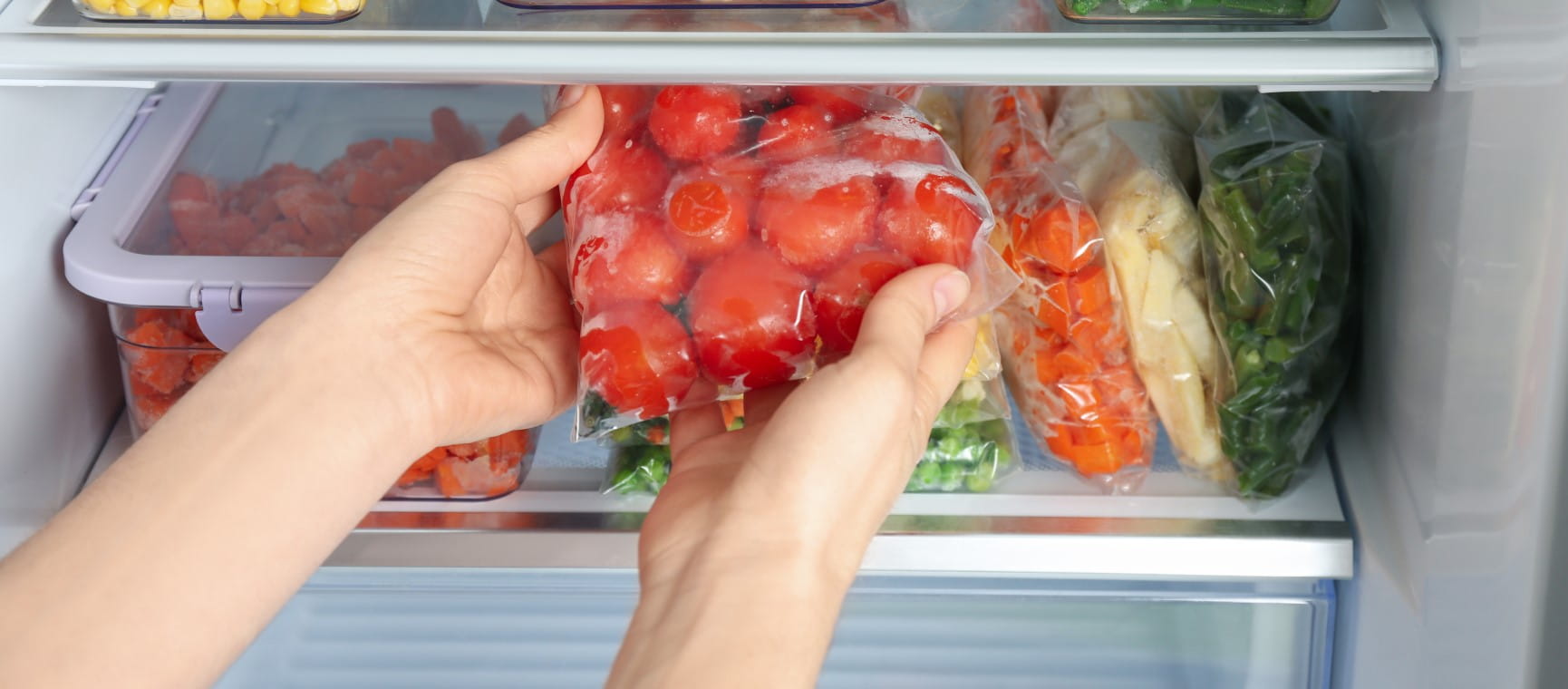
From rice to roast chicken, there’s a lot of confusing advice about leftover food. We asked the experts to separate fact from fiction.

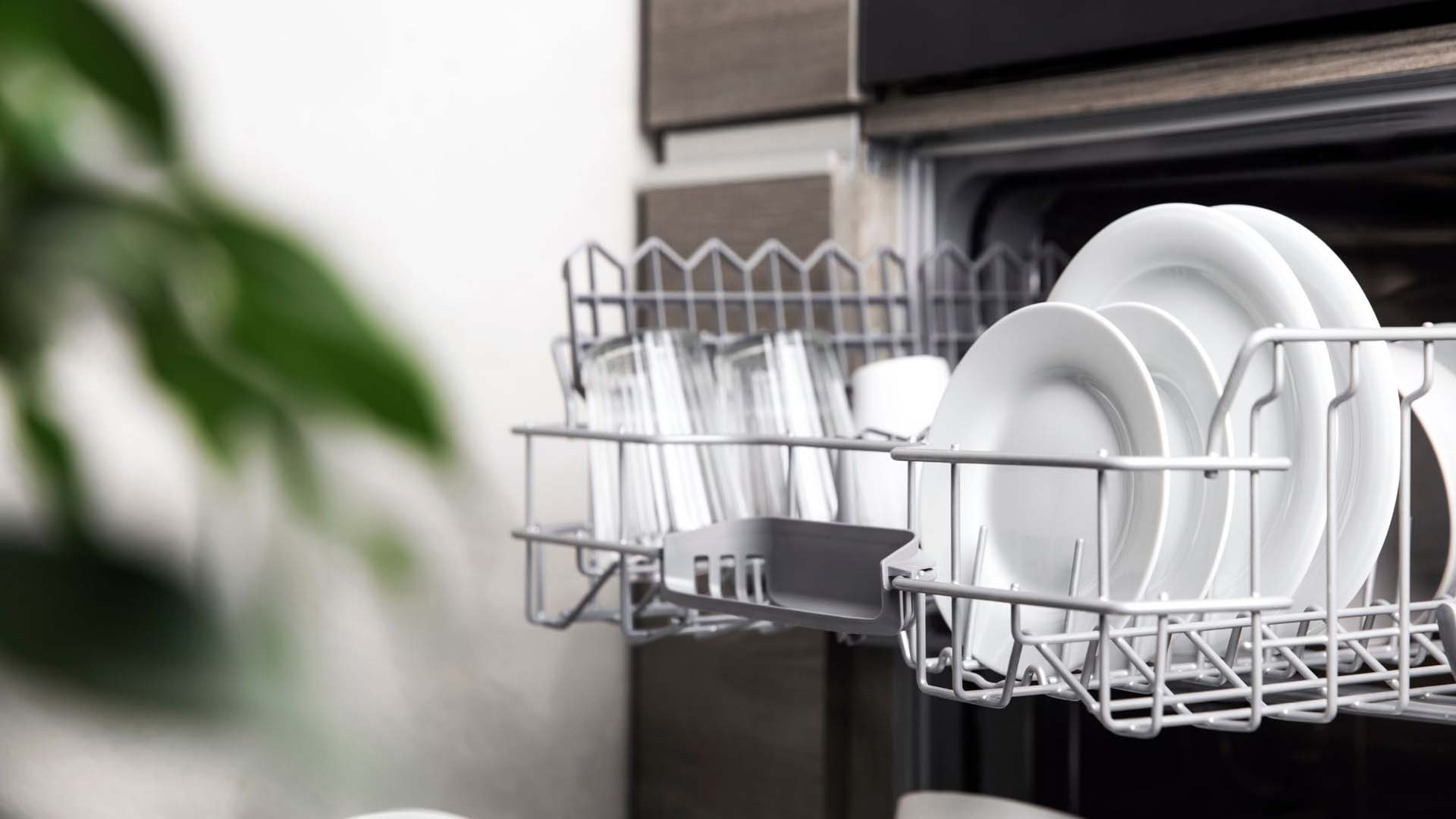
These foods will lose flavour and freshness if you store them in the fridge.
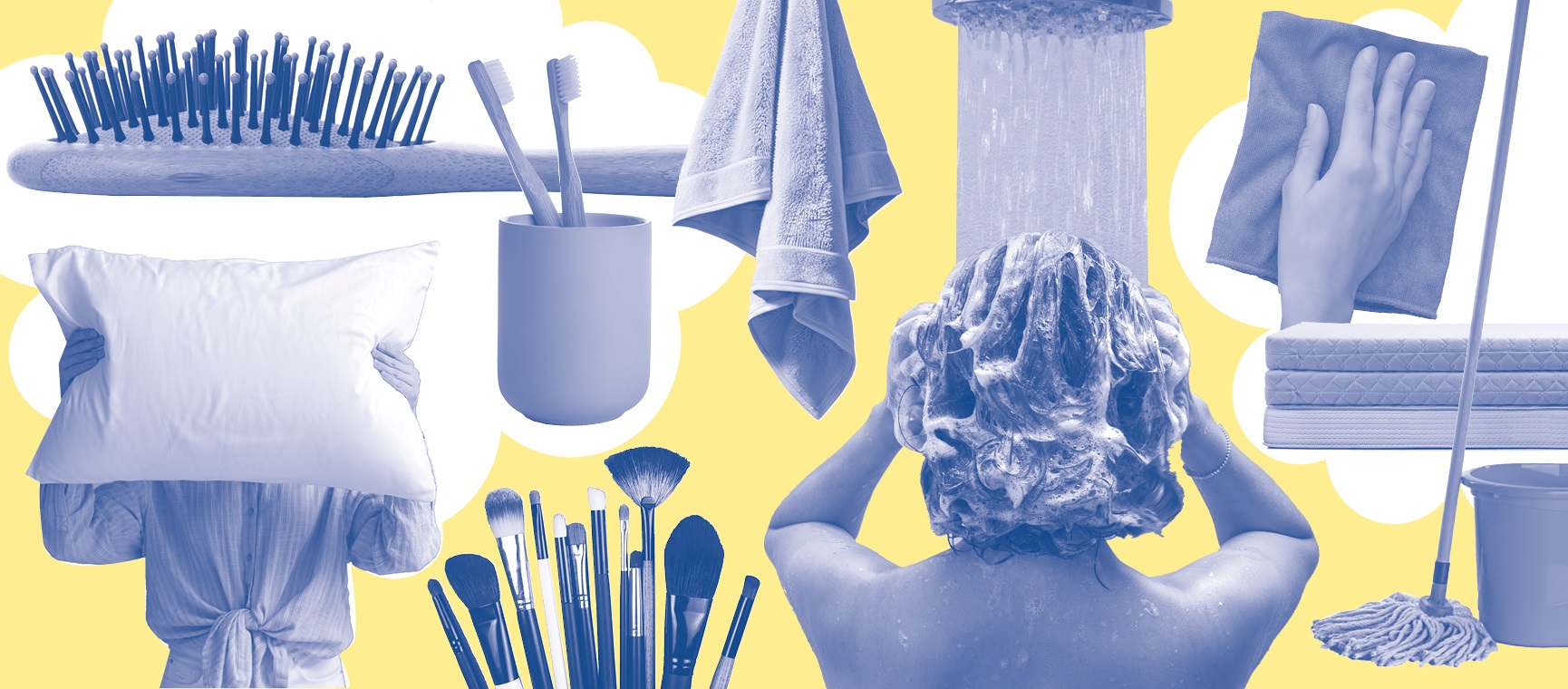
Whether it's changing your sheets, cleaning your floor or washing your hair, we asked the experts to answer our most common household dilemmas.
.jpg?la=en&h=541&w=1232&hash=BA7C6DF0A90C6CDBDF9E25A757CC17BF)
Want to make the perfect brew? Then follow these expert tips

From choosing the right temperature to making the most of eco cycles, how to cut the hidden costs of laundry without sacrificing clean clothes.
Health & Wellbeing

The simple habits you pick up on holiday, can make a real difference back home.

Half of sight loss is avoidable. An eye expert explains the steps you can take to prevent it.

Experts explain the pros and cons and pick out the healthiest ones.

Expert advice on the latest research on the the benefits and dangers of omega-3.

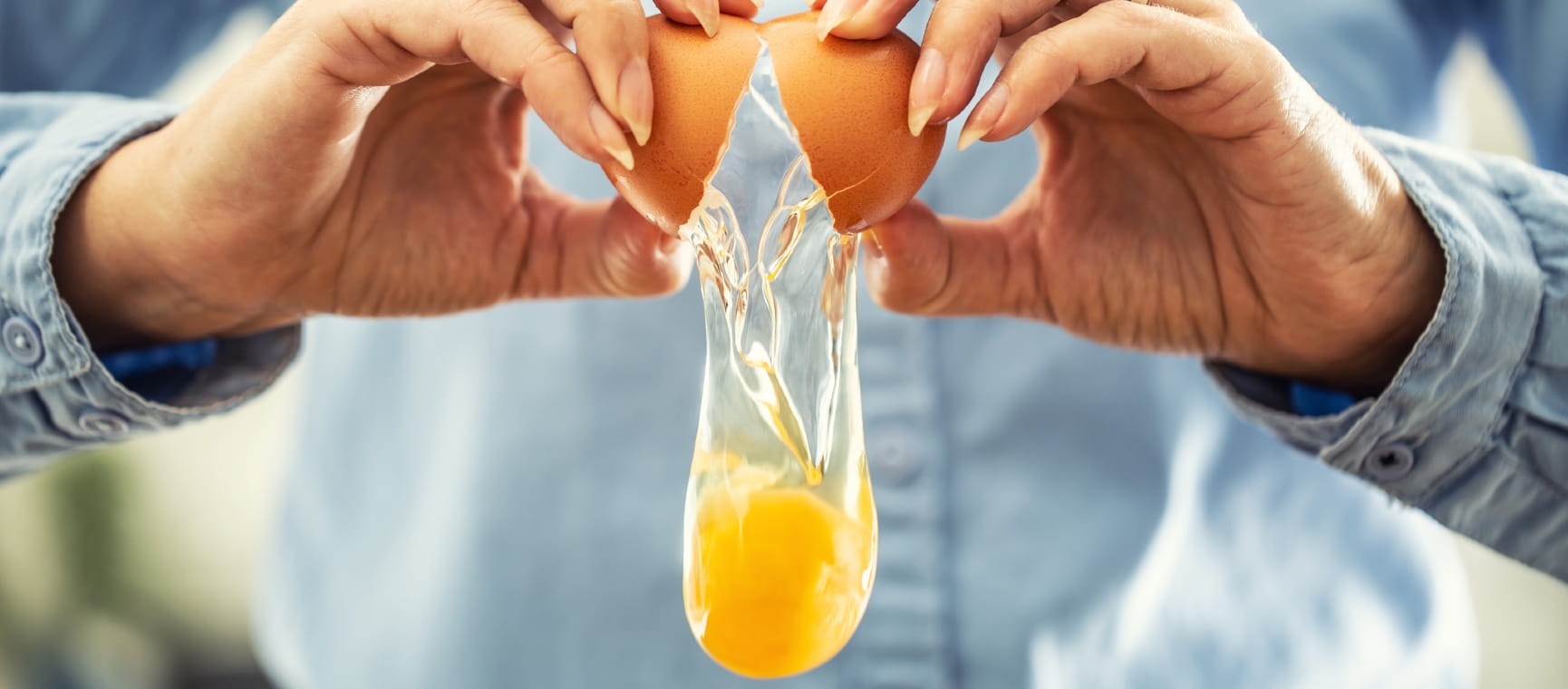
Once considered a cholesterol-raising villain, have eggs finally been proven to be good for you? We unscramble the facts.

Experts reveal its health benefits and why not everyone can take it.

Memory loss is seen as the main symptom of Alzheimer’s and dementia, but in the early stages there can be many others.