How to grow brassicas

By Val Bourne

Alphabet B Brassicas are amongst the easiest vegetables to grow and they can provide you with a crop at any time of year.
Kale cavolo neroKale cavolo nero

However few of us want to eat cabbages in high summer when we have peas, beans and courgettes etc. So generally the best use of space is to grow brassicas for autumn and winter cropping. This conveniently leaves an April-to-June gap when the garden is free of any brassicas. This three-month break also helps to limit pests like whitefly.

What to grow

Kale

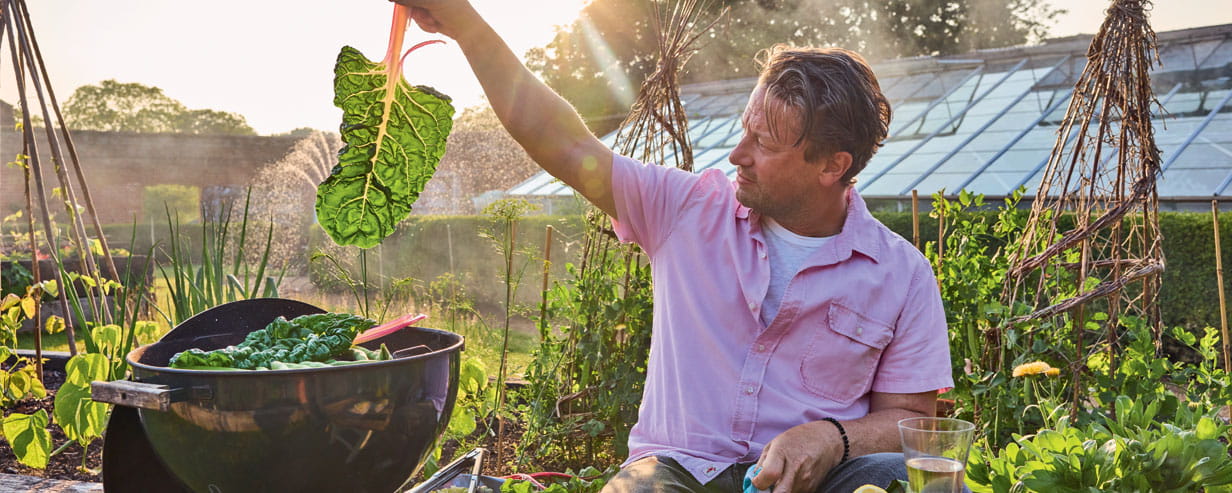
Kale is probably the easiest brassica and, although once rather shunned as a poor man’s crop, it’s become very fashionable thanks to television chefs like Jamie Oliver. It comes in several forms from the crisply curly green and purple-leaved forms, to ragged-leaved forms to the tongue-shaped Tuscan kale. There are two main advantages to kale. It is extremely hardy (much more so than purple-sprouting and Brussels sprouts) and it can be picked throughout autumn and winter. All varieties are readily available. Don’t confuse it with seakale which is a beet with edible stems.

'Black Tuscan Kale' also known as 'Cavolo Nero'

This is the most handsome and the easiest to eat as it has a less-strong, gentler flavour and a softer texture. Young leaves can be stir fried.

'Dwarf Green Curled'

Short and sturdy with crinkled green leaves - a little thistly to eat but an invaluable survivor in hard winters.

Red Kale - including 'Redbor' and 'Scarlet'

Highly ornamental damson-coloured leaves and just as hardy -but less good to eat to my palate.

Brussels sprouts

Shorter varieties are less prone to having their well-laden stems blown over. Varieties vary from early (ie they can be picked before Christmas) or late-season and these are generally picked up until March. Tight buttons are desirable (so ignore the 'posy' sprouts) and, if you have room, grow an early as well as a late variety. Only room for one? Then go for a later variety.

Early Brussels sprout varieties

'Bosworth' AGM

British bred F1 variety with smooth, dark-green buttons -quite spaced on the stem. Can last until February.

'Falstaff'

A purple sprout that can be picked and eaten by Christmas in most years

'Nelson' AGM

Small, dark and even-sized buttons with a sweet flavour.

Mid to late Brussels sprout varieties

'Montgomery' AGM

A British-bred late mid-season variety with dark green smooth sprouts of excellent flavour. Can be harvested from November until January.

'Trafalgar'

Medium-sized firm sprouts with a very sweet flavour - buttons keep well so you can pick in late March.

'Wellington' AGM

Very hardy with a sprout flavour. Heavy crop of tight dark-green buttons.

Purple sprouting

This is delicious and it often crops in late-spring - following on from Brussels sprouts. Varieties are divided between early and late, and spear quality can vary too. Thompson & Morgan sell a mixture of three British-bred varieties that will provide slender spears throughout winter. It isn’t possible to grow the hand-sized heads of broccoli you find in the supermarket in the garden here.

'Early Sprouting Rudolph'

Bred to give early harvests in time for Christmas, but will also produce spears in cold gardens by February in average winters.

'Sprouting Early Red Arrow'

This high-yielding British bred variety produces plump spears between February and March

'Choice Selection Mix' (T & M)

Three varieties to provide a long crop of purple spears in winter and spring - using 'Red Admiral' F1, 'Rudolph' and 'Cardinal'.

Winter cabbages

These vary in hardiness. The rich-green, thin-leaved Savoy cabbages are less hardy than the thicker leaved leathery ones. When you find a variety you enjoy stick to it as flavour and texture vary.

'Celtic' AGM (from Suttons)

Firm, hard heads with savoy-textured leaves -good to eat.

'Marabel' AGM (from Marshalls)

A red-tinted green cabbage of the January King type -with dense round heads.

Tundra F1 AGM (Mr Fothergills)

A savoy ballhead cabbage cross. Very hardy and sweet.

How to grow

Brassicas are generally found on sandy or light soil, often close to the coast. They tend to be drought tolerant once they have a root system - especially those with greyer (or glaucous) leaves. However they are leafy plants and an extra nitrogen-rich feed (something like growmore) as you plant them out in June and again in early September helps them enormously.

  • Sow all winter brassica seeds in spring - usually in April. The best technique is to use square modular trays - 24 sized ones that fit a large seed tray.
  • Use seed compost to fill the trays and water well.
  • Then place one seed in each module and 99% will germinate quickly.
  • Once the plant has filled the module and reached 3 inches (8 cm) in height plant it outside in firm soil - using a trowel.
  • Space at least fifteen inches part (45 cm).
  • Sprinkle on a general fertiliser or better still dig in garden compost two to three months before planting.
  • Net immediately with butterfly netting (available from www.harrodhorticultural.com) - to prevent small white and cabbage white caterpillars from laying eggs. This will also prevent pigeon damage.
  • Support the netting with canes topped by inverted plant pots.
  • Water well after planting. If it’s dry, puddle them in by filling the holes with water just before you plant.
  • Feed again in early September.
  • Whitefly can be a problem. but generally don’t devastate a crop. They will disappear as long as you have no cabbages between March and June.
  • Always rotate cabbages as they can suffer from soil-based pests and diseases like cabbage root fly and club root.

Related

  • Companion planting

    Companion planting

    Companion planting has long been associated with organic gardening, but there's no reason why this clever technique should not be more widely practiced.

    Read on

  • Origanum butterfly

    Organic insecticides, composts, fertilisers and plant feeds

    A reader asks which organic insecticides, composts, fertilisers and plant feeds to use.

    Read on

  • Basket of vegetables

    Vegetable growing masterclass

    Fed up with tasteless fruit and veg, worried about air miles and pesticides? Time to get growing your own vegetables.

    Read on

  • Jerusalem Artichoke flowers

    Create an edible garden

    Think again if you thought it was impossible to grow fruit and vegetables alongside ornamental plants.

    Read on

  • Home thumbnail

    Home insurance

    Cover of up to £50,000 for contents and up to £500,000 for buildings as standard.

    MORE DETAILS

  • Motor thumbnail

    Car insurance

    Superb cover and excellent customer service, with an additional discount up to 15% when you buy online.

    MORE DETAILS

  • Caravan insurance

    Caravan insurance

    A choice of cover levels, plus you could save up to 10% online.

    MORE DETAILS


COMMENTS

Type your comment here


 characters remaining.

River Cottage Experience

A culinary holiday in Dorset

Whether you’re a lover of good food or an enthusiastic smallholder, this unique holiday visits 'Dorset's most-filmed farmhouse'.

GARDENS HOLIDAYS

Discover the natural world

Experience some of the world’s most magnificent horticultural locations, including South Africa, Madeira, Canary Islands, Greece and the UK.