Gardens
Gardening and landscape design ideas to help you make the most of your outdoor living space.
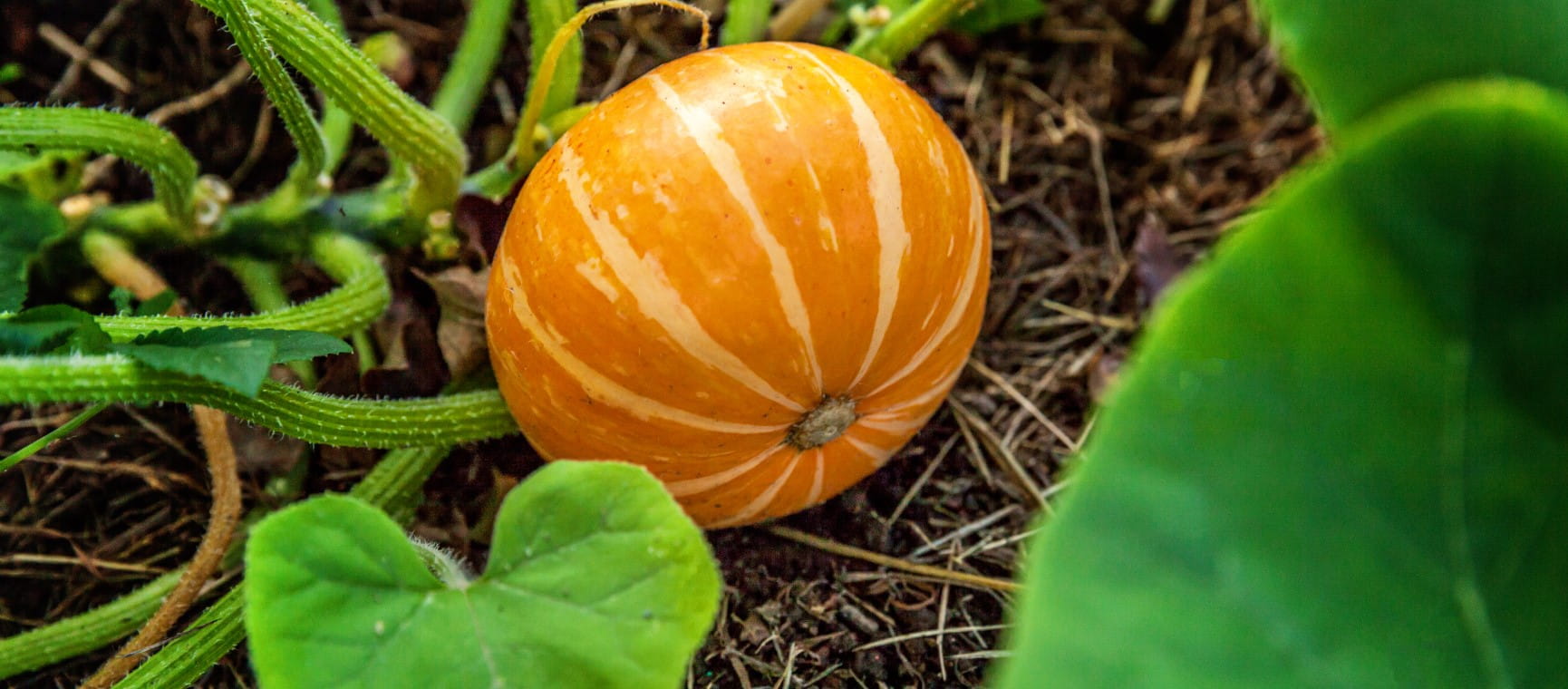
Jobs for the garden in October
Here’s what to sow, divide, harvest and protect this month.

The bulbs to plant now for a colourful spring garden
Our expert guide explains which bulbs to plant this autumn, where to put them and when.
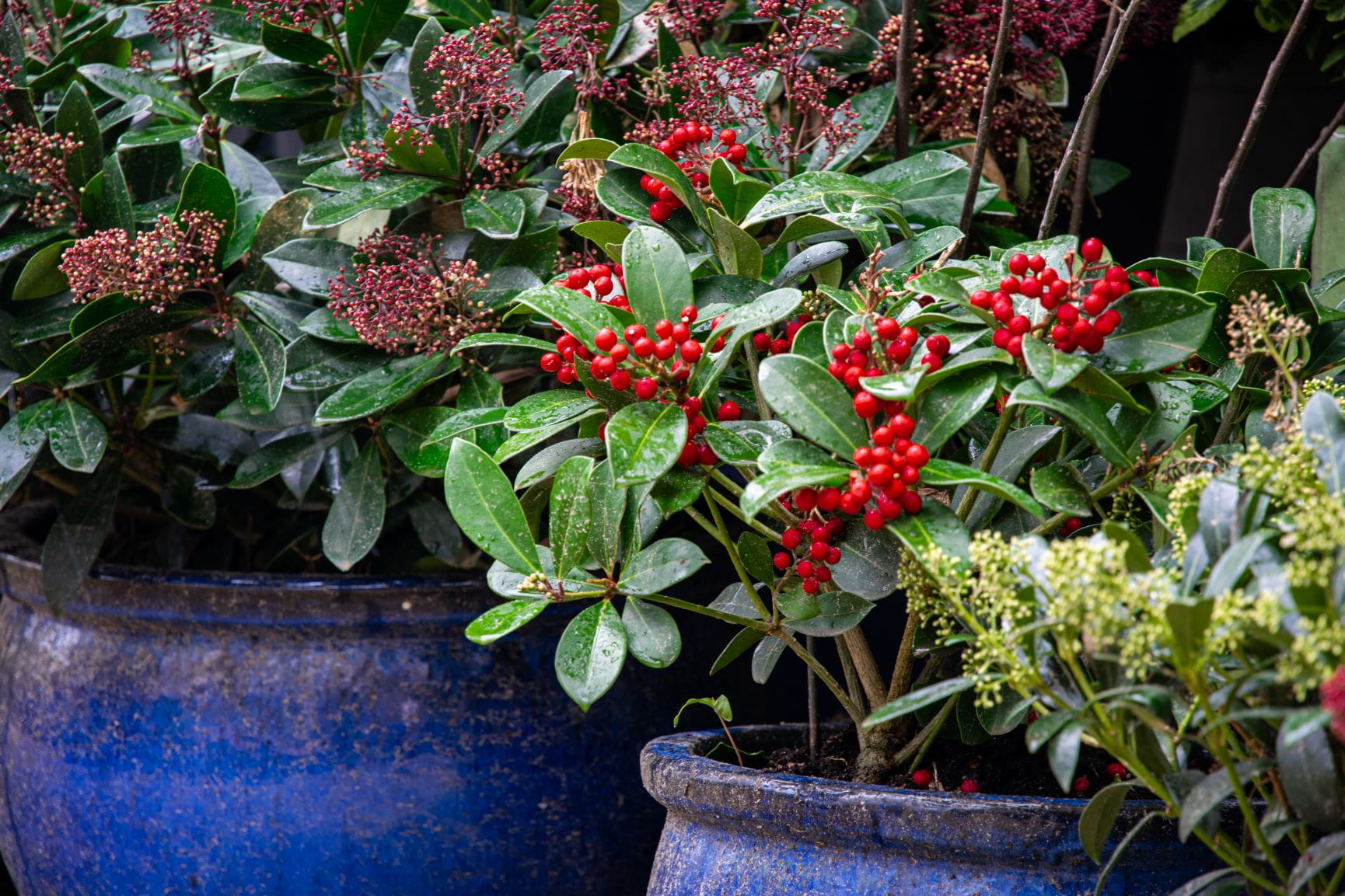
The best plants for winter containers
Make the most of your winter containers with expert advice on the best plants for your pots to brighten your days right through to spring.

10 tips to keep dahlias flowering longer
Expert ways to keep dahlias happy, encouraging bigger blooms and longer flowering.

Our top 5 autumn lawn care tips
Autumn lawn care tips: how to scarify, aerate and over-seed your grass.

How to take great garden bird photographs
A wildlife photographer's 6 tips to capturing beautiful garden bird photos from the comfort of your home.
Jobs for the garden in October
Here’s what to sow, divide, harvest and protect this month.
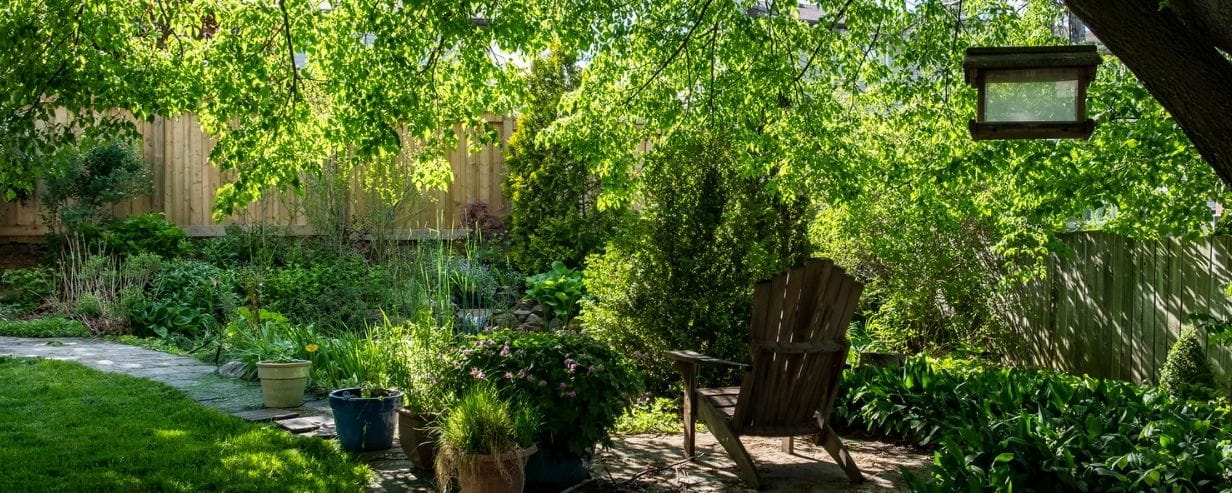
Are shady gardens the future?
As rising temperatures, droughts and flash flooding make gardening more unpredictable, shade could be the solution – for your garden and your health.
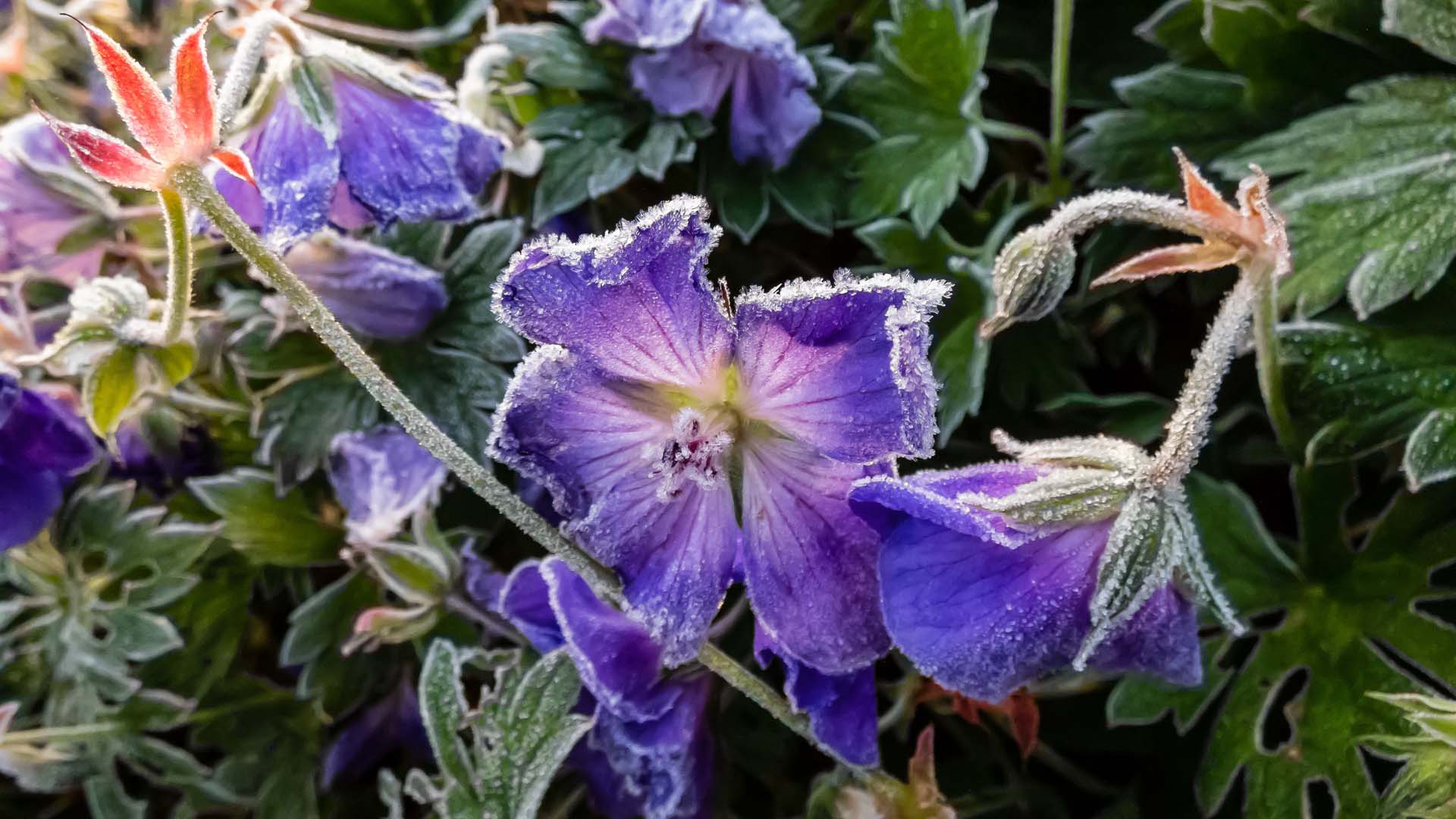
How to overwinter geraniums

Bring colour to your garden with drought-resistant prairie plants
Late-blooming plants native to the American plains can bring vivid reds and yellows to even the driest of British gardens.

Win tickets to the BBC Gardeners’ World Autumn Fair
We've got 20 tickets to give away to one of the year’s gardening highlights.
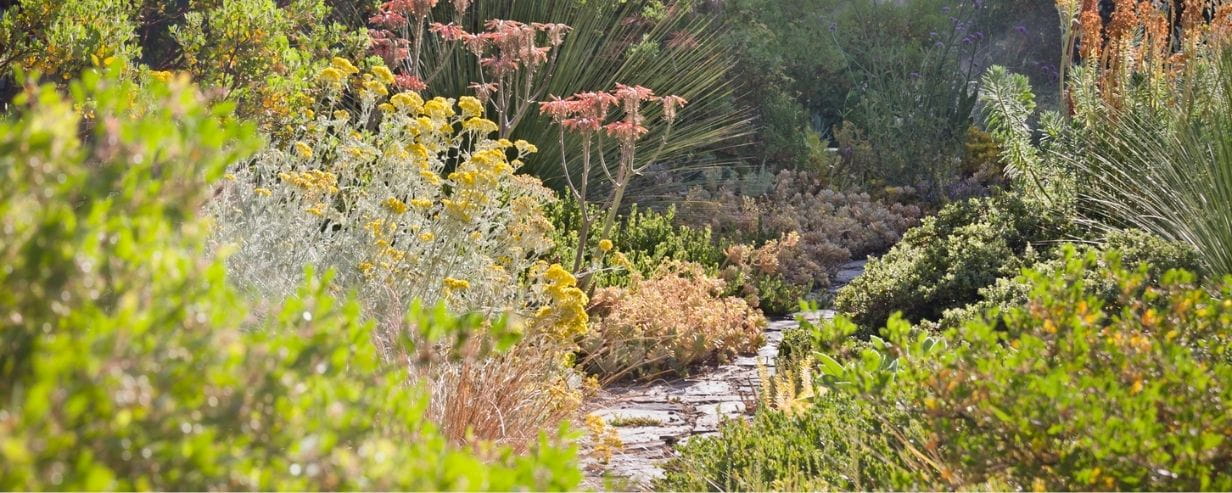
How to drought-proof your garden for hotter summers
Gardening experts share the practical ways to help your plants survive heatwaves and hosepipe bans.
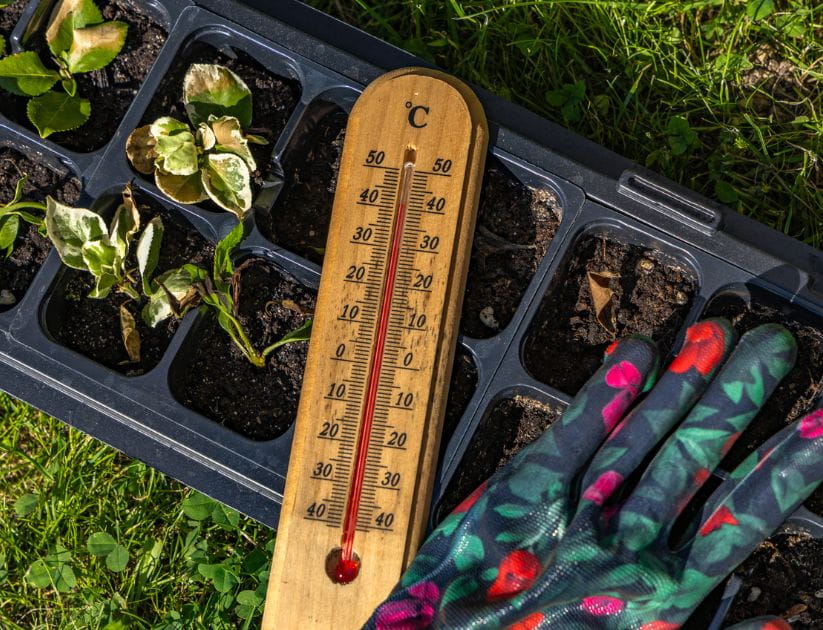
How to help your garden survive a heatwave
Experts share practical ways to protect your garden during drought and hot weather.
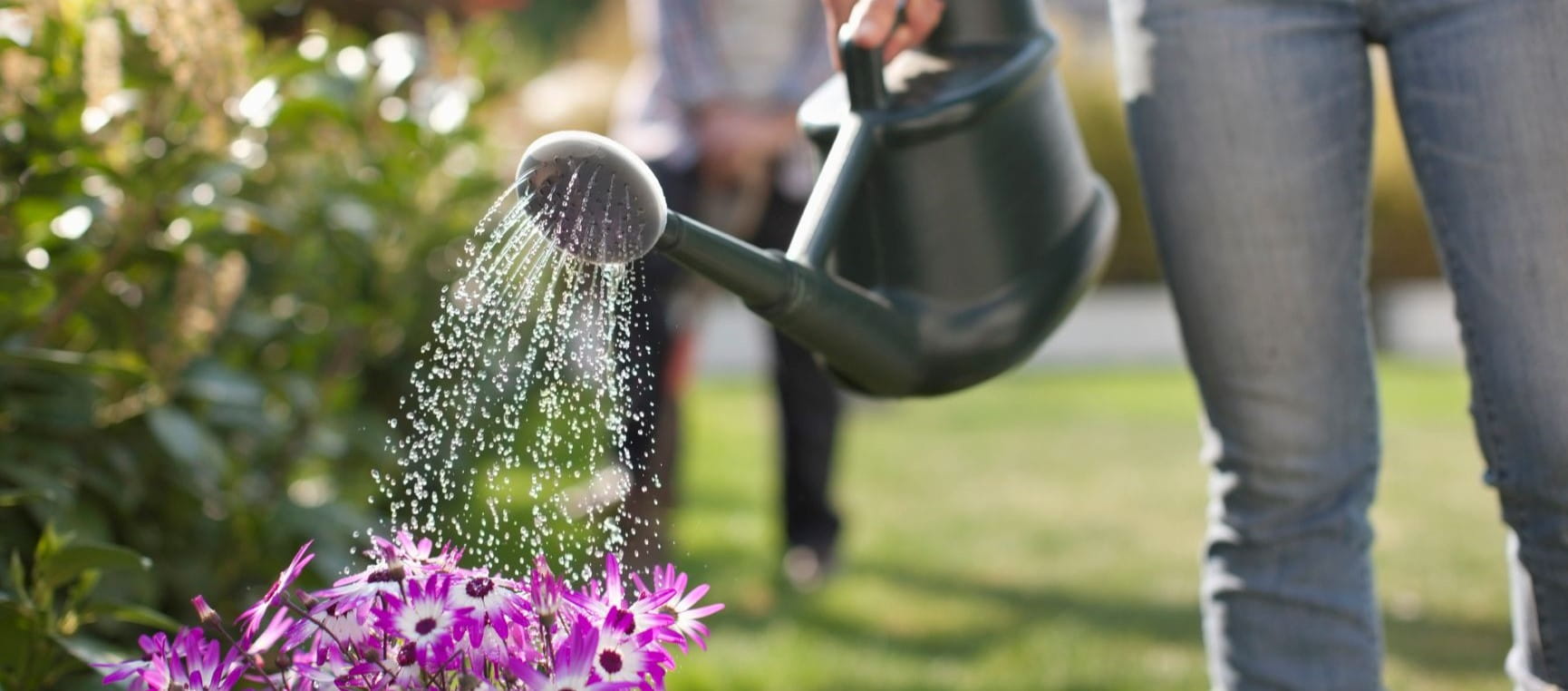
Easy ways to save water in the garden
15 water-saving tips will help you conserve water in the garden and help keep your plants looking their best.

This year, Saga is celebrating an incredible 75 years – and we’d love you to be part of the celebrations. For a limited time only, you can subscribe to Saga Magazine for just 75p an issue.
Receive the next 6 print editions delivered direct to your door, plus 6 months’ unlimited access to the Saga Magazine app – perfect for reading on the go.
Play our free daily puzzles
Beat the boredom and exercise your mind with our selection of free puzzles.