Tomatoes
Commercial crops are picked under ripe for transportation purposes and flavour inevitably suffers. The tomato you grow yourself can be picked when perfectly ripe. It’s also one of the few crops capable of giving months of food for little effort.
Tomatoes are subtropical plants and they need sun, moisture and warmth but you don't need a tunnel or greenhouse. Tomatoes grown outside simply crop later and are more prone to going down with potato blight (Phytophthora infestans) so try to keep your tomatoes and potatoes apart.
Luckily some varieties resist blight. 'Ferline', an F1 hybrid from Thompson & Morgan, has fared well in outdoor trials and this heavy-yielding, red-fruiting variety is vigorous. 'Koralik', an Eastern European variety from The Organic Gardening Catalogue, also shrugged off the disease in trials. But all the round, red tomatoes ripen at once. Finally this year Suttons and Dobies are selling grafted tomato plants. These avoid many soil-borne fungal diseases and viruses and it's the first year home gardeners have been able to buy them.
Grafted tomato plant varieties (Suttons and Dobies)
Grafted tomato plants have been used by commercial growers for many years, but now the home gardener can also buy them too. Although they can cost an average of £10.00 for three plants the rootstock encourages greater vigour and your plants will crop earlier and more heavily - so the extra cost should be worth it. More importantly the tomatoes aren’t affected by any seed-borne diseases.
Suttons are using five different rootstocks and currently selling five different varieties, but more will appear. They are also grafting aubergines, peppers, melons and chillies. Tom Sharples, the Technical Manager, told me that it’s the "best thing to happen to tomatoes in recent years". Plants will be dispatched in either late March or April - depending whether they are for the greenhouse or the outdoor patio.
Grafted varieties
- 'Elegance' - a standard red
- 'Santorange' - an orange plum
- 'Conchita' - a red cherry
- 'Belriccio' - a red beefsteak
- 'Dasher' - a mini plum
Seeds of blight-resistant varieties
'Koralik'(The Organic Gardening Catalogue)
Tomato 'Koralik' is a heritage Russian bush variety that crops early enough to avoid the main August wave of blight. But it has also shown good tolerance to blight in three years of trials throughout the whole season. The foliage has remained healthy, the yield has been consistently high and all the small, bright-red tomatoes on each truss ripen together.
'Premio' F1 (new and exclusive to Marshalls)
'Premio' is another disease-resistant tomato which has been extensively trialled and this also should be suitable for outdoor use. The flavour is excellent and the handsome red fruit has shiny red skin so it looks good on the vine. It ripens well and evenly and the taste is outstanding. It shows high resistance to many tomato plant diseases making it perfect for the home gardener.
Commonly available cordon varieties
These are restricted to six trusses and all the side shoots (the leafy growths in the gap between stem and leaf) are pinched out to develop an upright plant - this takes up less space and allows fruit to ripen easily.
'Sungold'
Small orange fruits, exceptionally sweet. Crops well. For greenhouse or outdoor culture.
'Alicante' AGM
Excellent flavour, medium-sized round, red tomato with thin skin. Free-fruiting - one of my favourites.
'Gardener's Delight' AGM
Small, cherry-sized, bright red fruits with authentic, old-fashioned flavour. Grow outdoors or in the greenhouse.
'Shirley' AGM
Early-maturing, heavy-cropping F1 variety for cold or slightly heated greenhouses with excellent quality fruit. Recommended for growbag culture with an open growing habit and resistance to TMV, Cladosporium ABC and Fusarium 1 and 2. Fleshy fruit popular with vegetable exhibitors.
'Golden Sunrise'
Golden-yellow, medium-sized fruit of excellent and distinctive flavour. Ideal for greenhouse or outdoor growing.
Growing tomatoes from seed
- The easiest sowing time for most gardeners is late February or early March.
- Sow seeds thinly into small, round, plastic pots filled with soil-less seed-sowing compost. Lightly cover and place somewhere warm - a heated propagator is ideal but a warm windowsill will also do.
- When the seedlings reach an inch high and show more than two leaves, transplant them into individual pots - handling them by their long narrow leaves. Immerse them deeply in the compost to encourage better roots.
- Once the plants reach six - eight inches in height (up to 20 cm) transplant them either into the greenhouse or into larger pots.
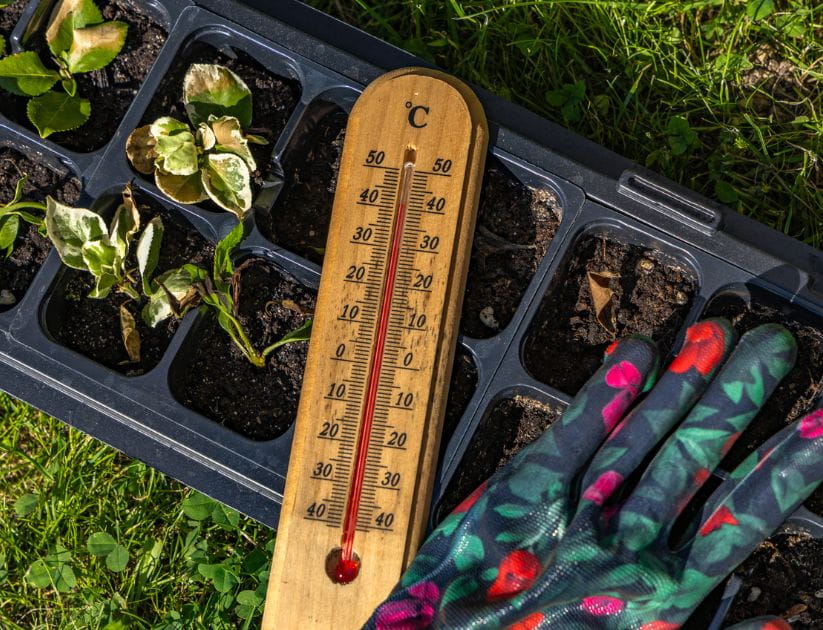
- Young tomato plants need to be kept warm at night and horticultural fleece helps greatly.
- Tomatoes are frost tender and they must not go outside until mid-May at the earliest. But plants could go in an unheated greenhouse at the end of April - again use fleece if it’s cold.
- Once planted, water sparingly at first until the first truss (group of flowers) appears. This encourages a deeper root system.
Feed and stake
Once the first truss appears step up the watering, feed with a specialist potash-rich tomato food every two weeks and pick out any side shoots. Finally restrict the plant to six trusses - making sure that your plants have sufficient support to bear the weight of fruit. Thick bamboo canes do the job well.
If you are using the same greenhouse, the soil must be changed every other year to avoid soil sickness. Dig out the old bed and replace with compost-rich material.
Using ready-grown plants
Buy healthy plants and avoid any that look stunted or a very dark-green in colour as these have been subjected to cold nights.
Avoid heritage varieties unless you live in the warmer south-east. Generally they fail to do well in many parts of the country.
Grow bags, hanging baskets and containers
Tomatoes can do well in all three in warm summers but you need to find a sheltered position in good sun.
Bush varieties, which give small cherry fruits, are perfect for growing in grow bags. They are sometimes less baffling for beginners as the plants do not need the side shoots pinching out. But care must be taken to keep the fruit off the ground as tomatoes are prone to slug damage and some varieties take up a lot of ground space.
Bush varieties
'Red Alert' (from Marshalls)
Very early with exceptional flavourful, one-inch wide red fruits.
'Roma VF' (Marshalls Seeds)
Thick fleshed, nearly seedless plum tomato for sauces, ketchup, tomato juice and soup. Disease resistant and heavy cropping - for outdoors or greenhouse use.
'Tumbling Tom Yellow' and 'Tumbling Tom Red' ( Mr Fothergill's, Plants of Distinction and Suttons)
Sweet yellow or red, cherry-sized fruits that trail over baskets. Both are very flavourful.
Viral Infection
Tomatoes can get virus infections and these too can be fatal. Symptoms are usually yellowing or mottling of the leaves and reduced yield. Break off badly affected leaves.
A good tip
Commercial growers never cut leaves, side shoots or trusses when harvesting because the cut edges bleed and weaken the plant and possibly allow botrytis to develop. The torn edges leave a scar but dry faster and are safer.
Nutritional information
Tomatoes are packed with antioxidants and are rich in Vitamins A and C and lycopene, all helping to stimulate your body’s immune system. Cooked tomatoes deliver more health-giving lycopene.