“I’m a spinal surgeon – my 7 secrets for a healthy back”
A leading spinal surgeon reveals how he keeps his back strong.

Victoria Hislop’s five favourite Greek islands
From Crete to Chios, the islands that the best-selling author loves the most.

When should you turn the heating on this autumn?
We asked the experts the best time to crank up your thermostat as the temperatures drop.

Lucy Worsley: “I thought I’d be forever the weird girl”
The TV historian talks everything from lunches with the late Queen to ghostly encounters at Hampton Court.

Tap, filtered or bottled water: which is best?
Experts explain the pros and cons of tap, filtered and bottled water.
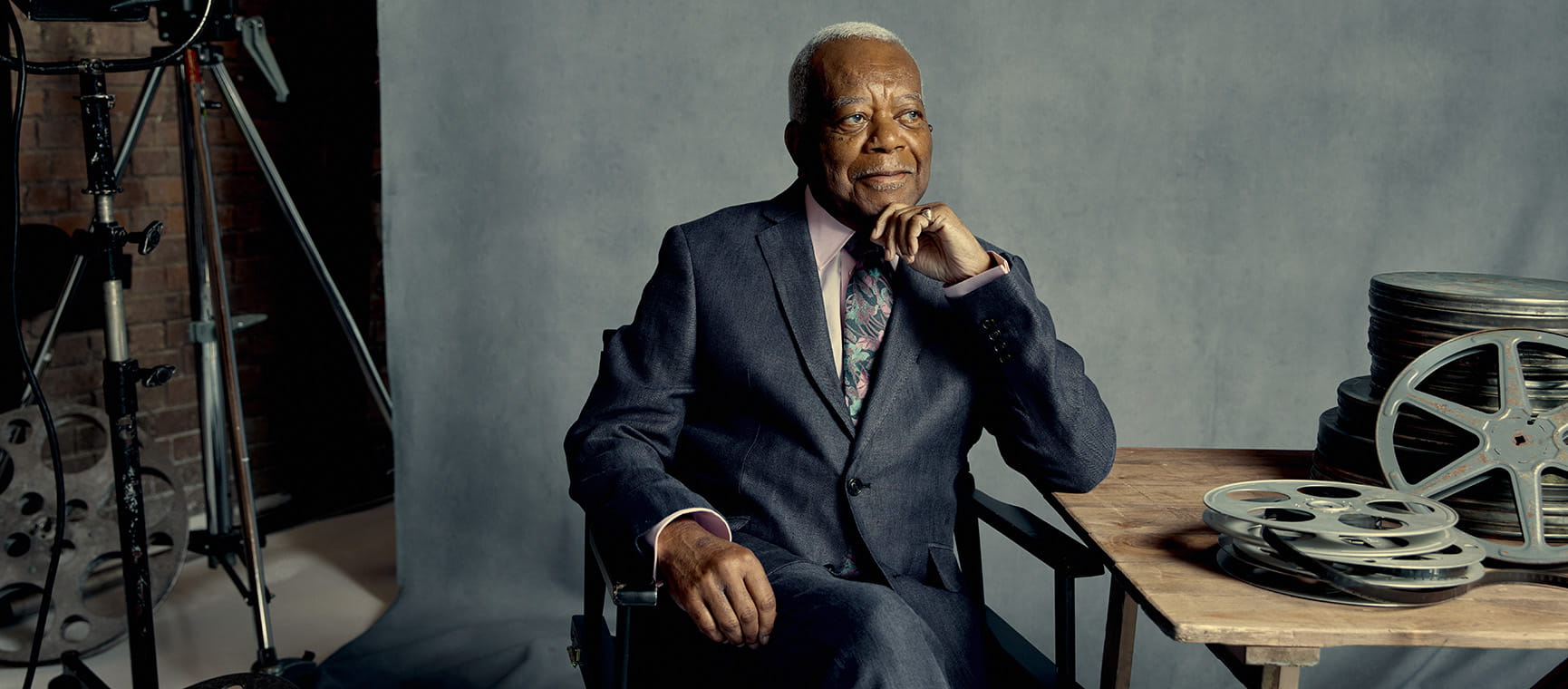
"And finally," Sir Trevor McDonald on the power of laughter
Laughter can’t cure absolutely everything but a healthy dose of humour can help balance out even the most serious of news stories.
Play our free daily puzzles
Beat the boredom and exercise your mind with our selection of free puzzles.


This year, Saga is celebrating an incredible 75 years – and we’d love you to be part of the celebrations. For a limited time only, you can subscribe to Saga Magazine for just 75p an issue.
Receive the next 6 print editions delivered direct to your door, plus 6 months’ unlimited access to the Saga Magazine app – perfect for reading on the go.
Latest articles

Hundreds of you responded to Sir Trevor McDonald’s article about cash still deserving our respect.

Anna Richardson shares practical tips for ticking off the jobs you keep putting off.

All the competitions, prize draws and offers on Saga right now – enter now to win!

Is your canine cleverer? Or can your feline think faster? Experts reveal the truth.

Enjoy a 4-bottle case of hand-picked wines from Vintage by Saga - just £15.96. Perfect for cosy autumn evenings & good company.
Exclusive celebrity interviews
Exclusive interviews with some of the world's most celebrated actors, musicians, writers and thinkers

“If I can do it, anybody can”
The BBC newsreader on running 23 marathons, coping with grief and why she’s still chasing new challenges at 58.

“For a while, it was so tedious – it stopped us being able to do anything else but we had no option”
The Doc Martin star was enjoying country life with his family, but then along came two boisterous Jack Russell puppies.

“Memories are made out of Christmas disasters!”
For the Bake Off judge, the funniest festive season was the one when the lunch went completely wrong.

“I feel enormous love for Downton.”
The actor bids farewell to Downton, reflects on losing his parents and brother, and looks forward to his starring role in a new West End show.

“I’ve got pretty good genes”
The baking queen on celebrating her 90th birthday, her daily indulgence and why her husband Paul thinks “cooking is boring”.
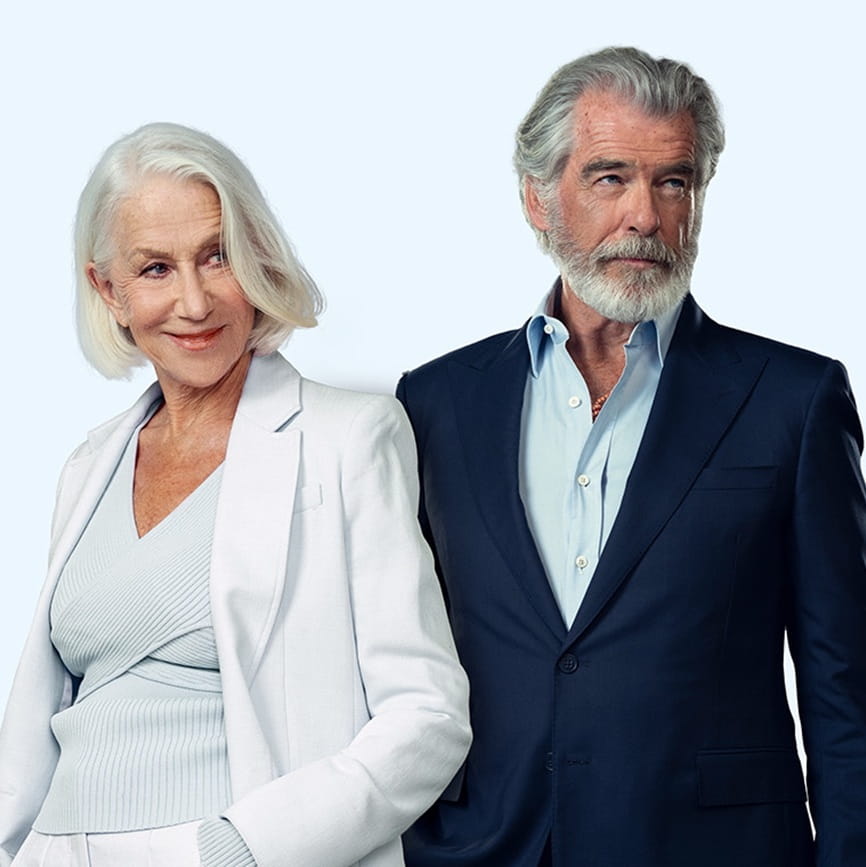
“We don’t really look after the elders in our society, they get pushed to the side.”
The actors talk ageing, James Bond, the powerful message of the film and why author Richard Osman felt nervous about coming on set.
Homes

We tested the popular supermarket frozen chips to discover which deliver the crispiest, fluffiest results.
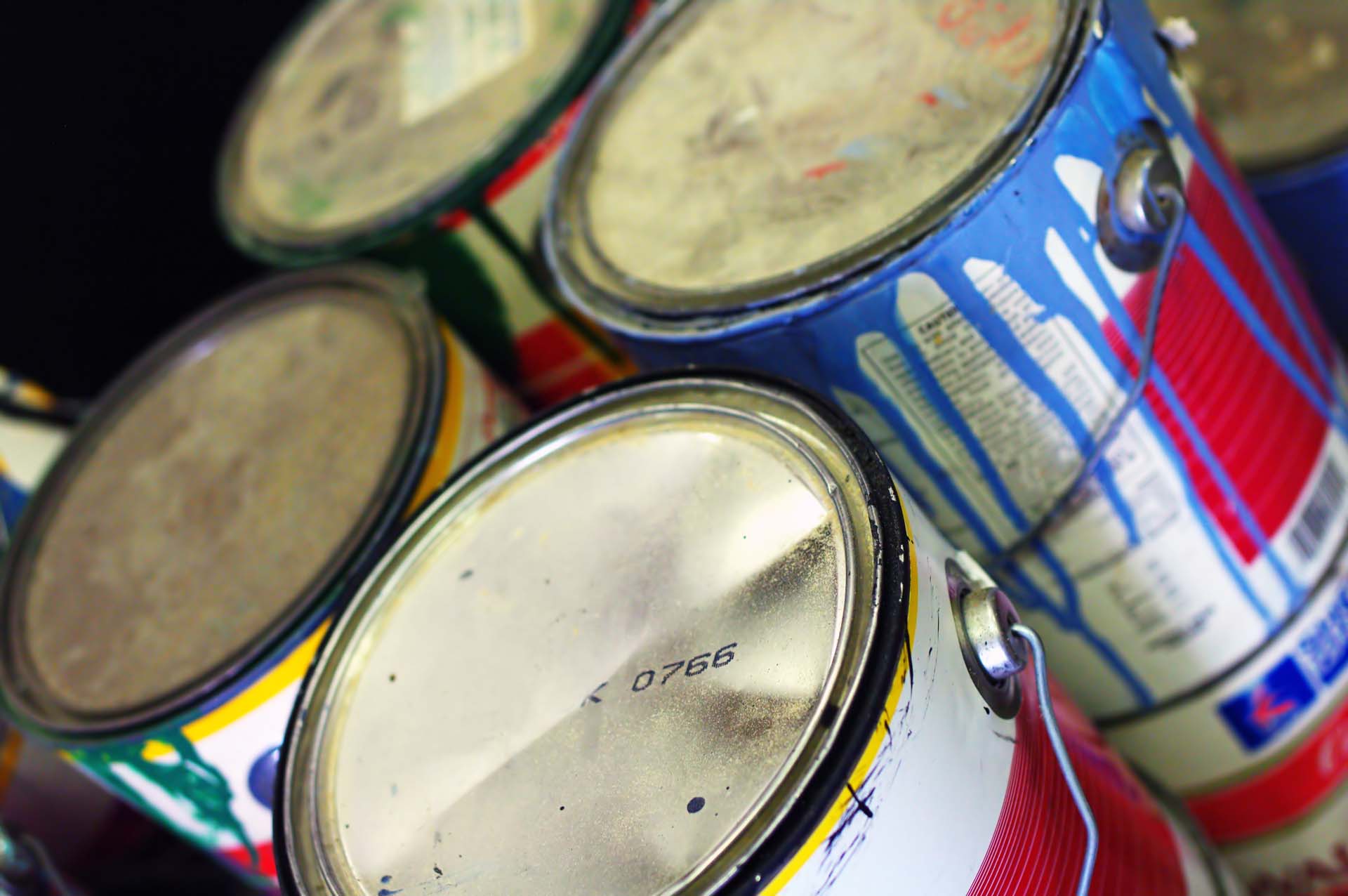

A little know-how can go a long way when something goes wrong at home. Here’s our guide to warning signs and what to do about them.
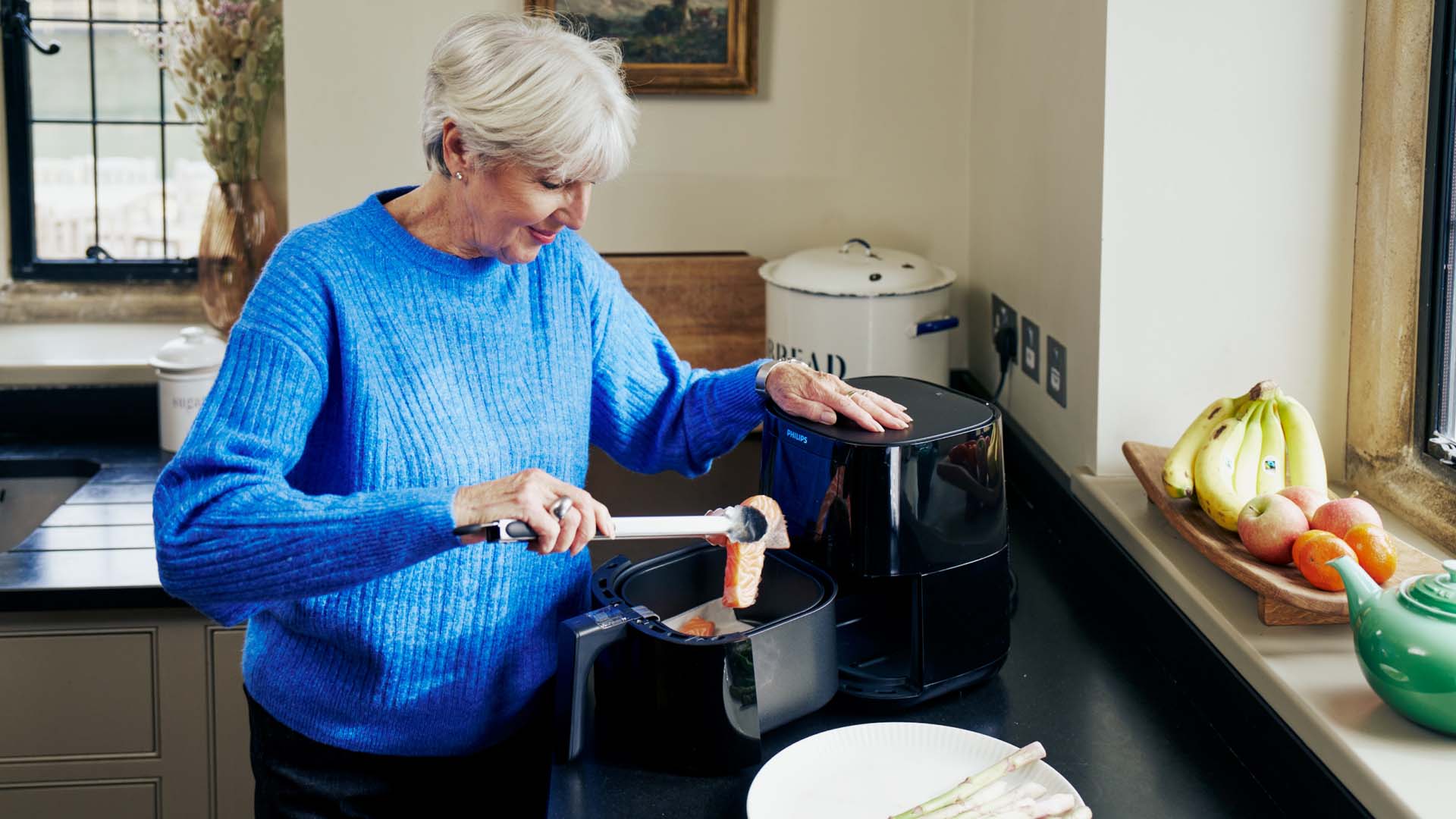
We delve into the world of air frying to share tips on what to look for when buying, and offer advice from expert chefs.
Health & Wellbeing

The simple habits you pick up on holiday can make a real difference back home.

Dr Mark Porter settles a family debate of when we should brush our teeth in the mornings.

We explain why chickpeas and other pulses are great for you and your wallet.

They might be comfy, but slippers aren't great for older feet - what to wear instead.

Our sleep experts guide us through the bedtime truths and myths.