Health & Wellbeing
Our experts show you simple and effective ways to stay healthy and active, so you can live your passions every day.

Is porridge always the best breakfast?
We find out whether budget brands, instant sachets and pots of porridge are just as healthy.

5 signs of heart disease you shouldn't ignore
From breathlessness to swollen ankles, a cardiologist explains the warning signs to look out for.
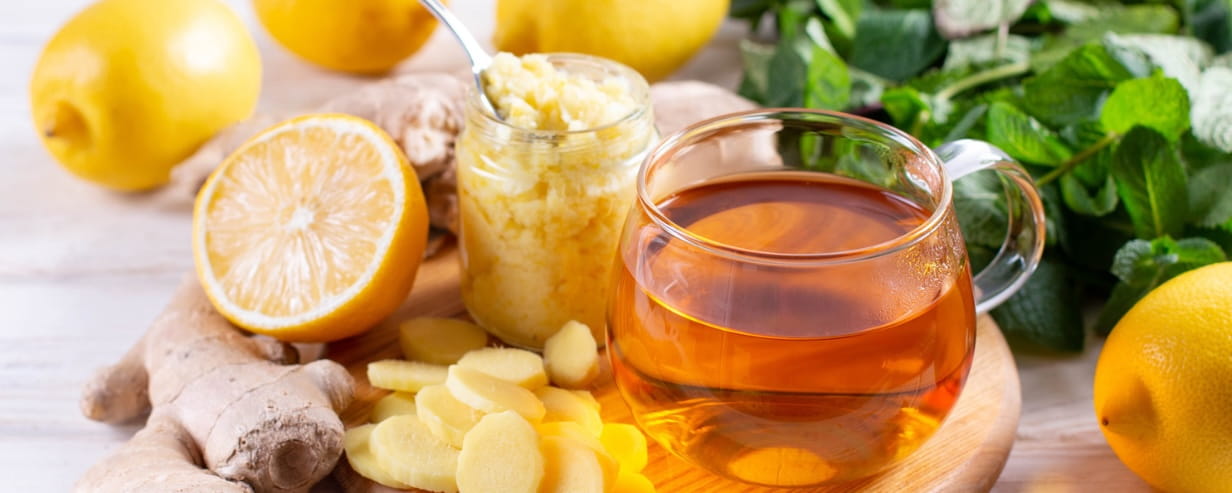
Best foods to eat when you have a cold
Experts explain what to eat and drink to support your body while you recover from the sniffles.

Can vaccines reduce dementia and heart disease risk?
Studies suggest vaccines against shingles, RSV and other infections may also help protect the brain and heart.

Tap, filtered or bottled water: which is best?
Experts explain the pros and cons of tap, filtered and bottled water.

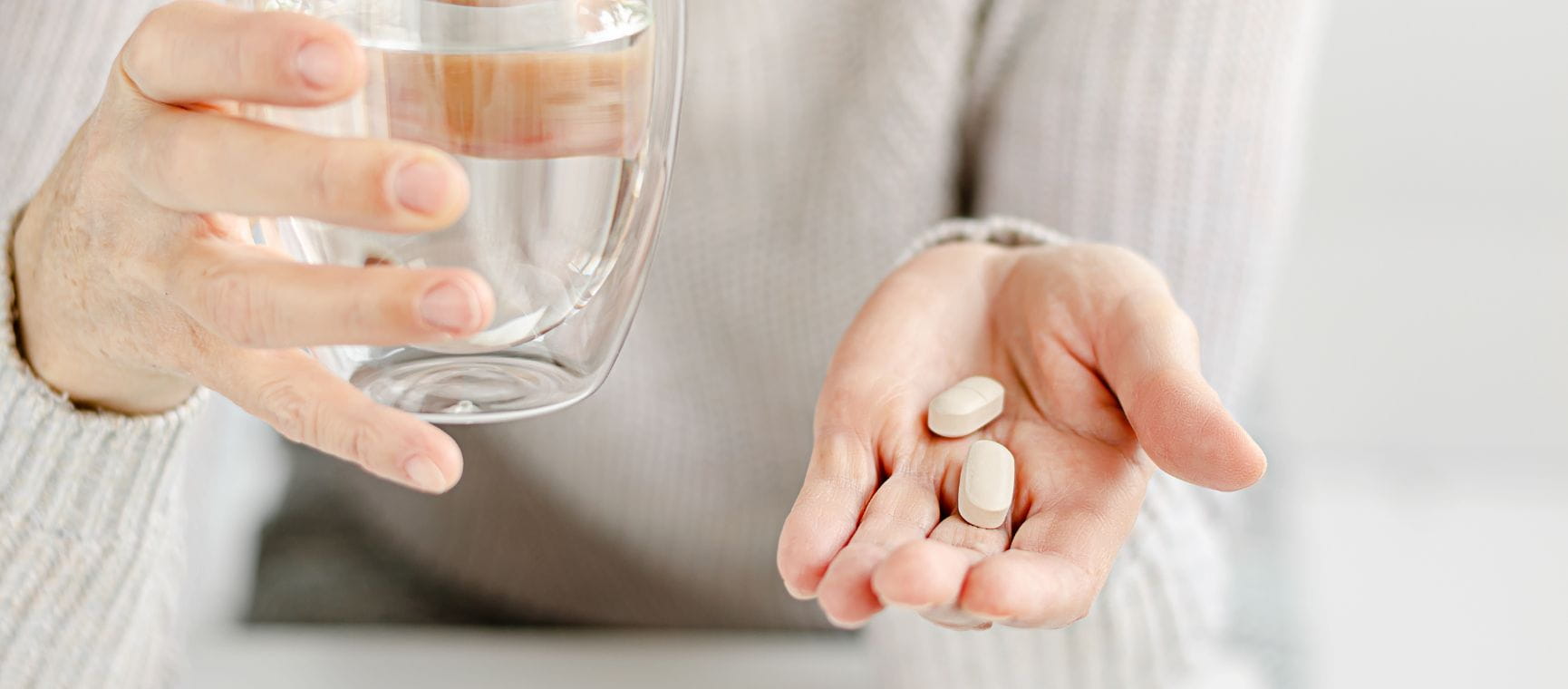
Are you taking too many pills?
When does enough medication become too much? Advice from the experts.
Best foods to eat when you have a cold
Experts explain what to eat and drink to support your body while you recover from the sniffles.
5 signs of heart disease you shouldn't ignore
From breathlessness to swollen ankles, a cardiologist explains the warning signs to look out for.
Struggling with your memory and brain fog?
You could be deficient in vitamin B12 - here’s what to do about it.
The unusual heart attack symptoms you need to know
Do you know the symptoms of a heart attack? Here’s what to look out for, and how to prevent one.

Potatoes: are they better for you than you think?
Experts explain the health benefits of potatoes and why the way you cook them is so important.
Is porridge always the best breakfast?
We find out whether budget brands, instant sachets and pots of porridge are just as healthy.
Are you taking too many pills?
When does enough medication become too much? Advice from the experts.

10 simple moves to improve your balance
Increase your balance and strength from the comfort of your home.

Treat someone special to a Saga Magazine subscription – 12 inspiring issues for just £34.95. Plus, you will also enjoy three free gifts: a cotton tote bag, a bumper puzzle book and a box of Guylian Seashell chocolates.
Every issue is packed with real-life stories, exclusive celebrity interviews, insightful articles and practical tips on health, finance, travel, and more. A thoughtful gift that entertains all year round.
Play our free daily puzzles
Beat the boredom and exercise your mind with our selection of free puzzles.