Celia Imrie: “I liken my life to a game of snakes and ladders”
The Celebrity Traitors star on embracing life’s surprises and her love of travelling by ship and train.

7 daily habits to keep your liver healthy
Leading specialists reveal the daily habits that support liver health and help you stay well as you age.

Our top 5 autumn lawn care tips
Autumn lawn care tips: how to scarify, aerate and over-seed your grass.

Tips if you are stuck on a Codeword
Our puzzle expert shares 4 simple techniques to help you crack the code and complete the grid.

I’m a cruise expert: here’s what to pack
If you’re not sure what to take with you, our expert cruise shares what you need and what to leave at home.

13 things you didn’t know about The Traitors
With Celebrity Traitors 2 returning to our screens, we reveal some surprising facts about the hit series.
Play our free daily puzzles
Beat the boredom and exercise your mind with our selection of free puzzles.


This year, Saga is celebrating an incredible 75 years – and we’d love you to be part of the celebrations. For a limited time only, you can subscribe to Saga Magazine for just 75p an issue.
Receive the next 6 print editions delivered direct to your door, plus 6 months’ unlimited access to the Saga Magazine app – perfect for reading on the go.
Latest articles

Hundreds of you responded to Sir Trevor McDonald’s article about cash still deserving our respect.

Anna Richardson shares practical tips for ticking off the jobs you keep putting off.

All the competitions, prize draws and offers on Saga right now – enter now to win!

Is your canine cleverer? Or can your feline think faster? Experts reveal the truth.

Enjoy a 4-bottle case of hand-picked wines from Vintage by Saga - just £15.96. Perfect for long lunches, garden gatherings and relaxed evenings.
Exclusive celebrity interviews
Exclusive interviews with some of the world's most celebrated actors, musicians, writers and thinkers

“If I can do it, anybody can”
The BBC newsreader on running 23 marathons, coping with grief and why she’s still chasing new challenges at 58.

“For a while, it was so tedious – it stopped us being able to do anything else but we had no option”
The Doc Martin star was enjoying country life with his family, but then along came two boisterous Jack Russell puppies.

“Memories are made out of Christmas disasters!”
For the Bake Off judge, the funniest festive season was the one when the lunch went completely wrong.

“I feel enormous love for Downton.”
The actor bids farewell to Downton, reflects on losing his parents and brother, and looks forward to his starring role in a new West End show.

“I’ve got pretty good genes”
The baking queen on celebrating her 90th birthday, her daily indulgence and why her husband Paul thinks “cooking is boring”.

“We don’t really look after the elders in our society, they get pushed to the side.”
The actors talk ageing, James Bond, the powerful message of the film and why author Richard Osman felt nervous about coming on set.
Homes

We tested the popular supermarket frozen chips to discover which deliver the crispiest, fluffiest results.
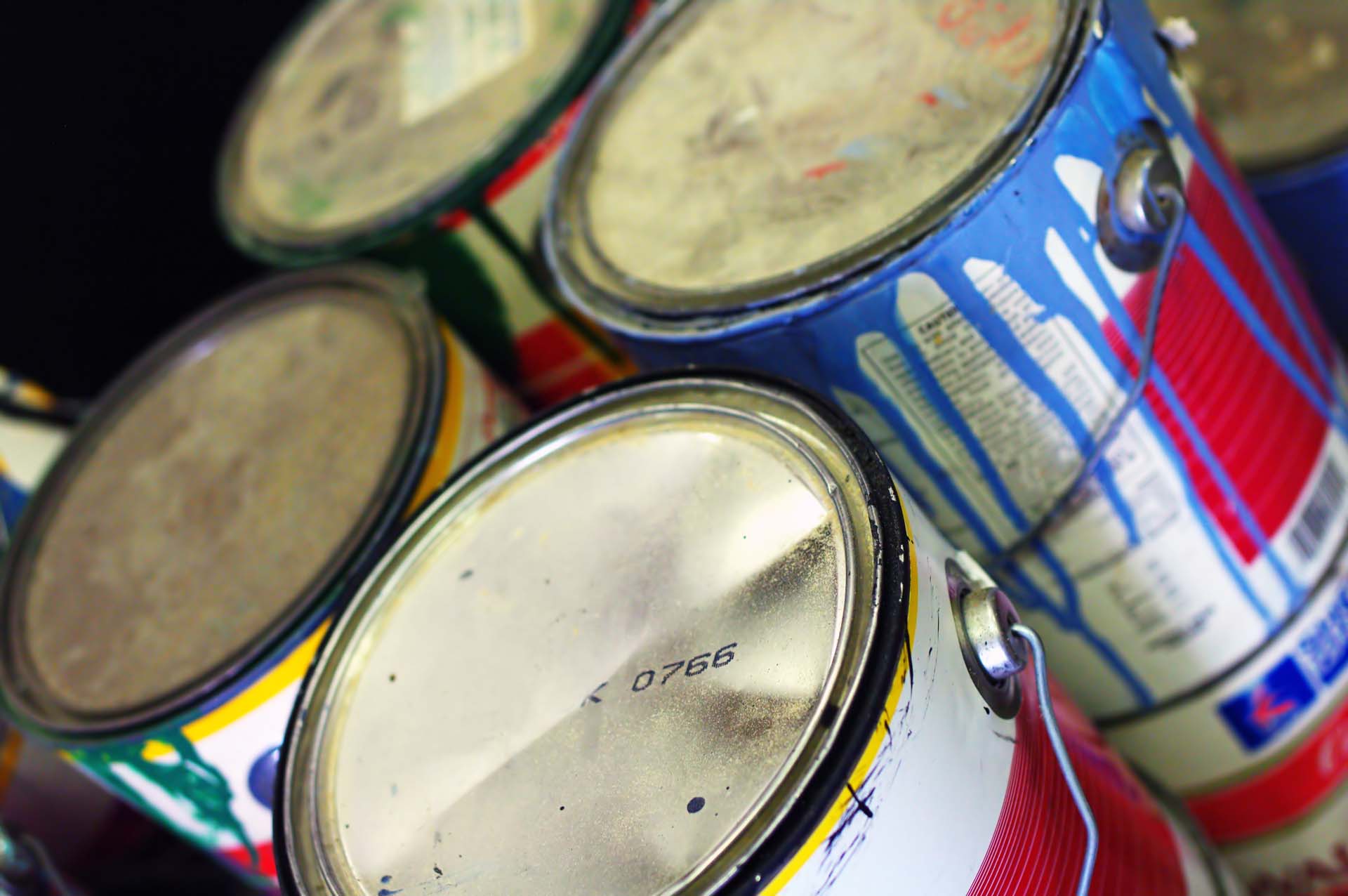

A little know-how can go a long way when something goes wrong at home. Here’s our guide to warning signs and what to do about them.
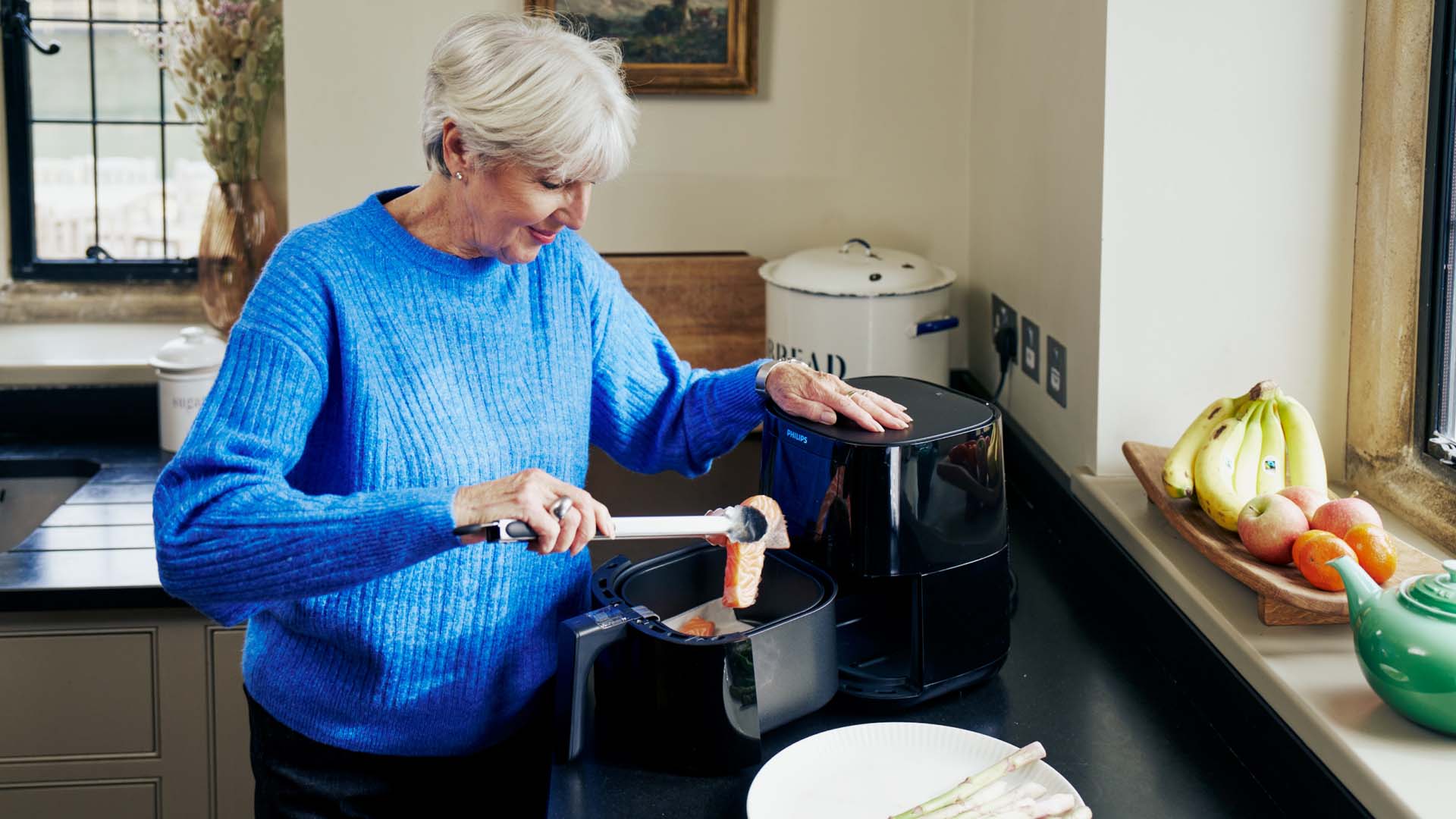
We delve into the world of air frying to share tips on what to look for when buying, and offer advice from expert chefs.

Health & Wellbeing

The simple habits you pick up on holiday can make a real difference back home.

Dr Mark Porter settles a family debate of when we should brush our teeth in the mornings.

We explain why chickpeas and other pulses are great for you and your wallet.

They might be comfy, but slippers aren't great for older feet - what to wear instead.

Our sleep experts guide us through the bedtime truths and myths.