Companion planting
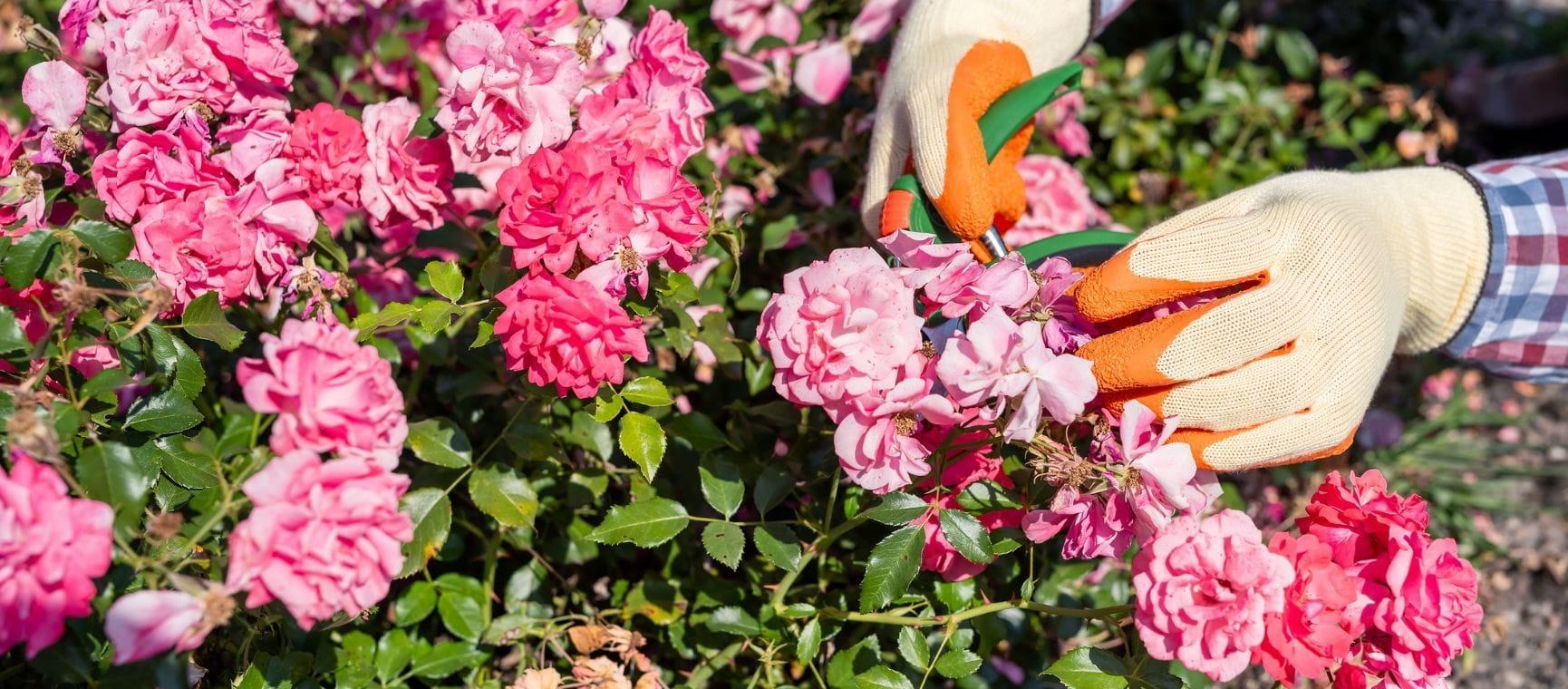
Essentially a method of growing two or more different plants together for the reputed beneficial effect they have on the crop you wish to nurture, companion planting is mainly carried out in the vegetable garden to control pests, to attract pollinating insects and to improve the growth of plants.
Put pests off the scent
Pungent herbs or flowers are excellent for growing alongside vegetables to disguise its smell from pests or to drive them away completely. Carrots can be decimated by the dreaded carrot root fly, so stump the pest by sowing rows of seeds among onions - the scent of the bulb will confuse the tiny fly and you’ll make better use of limited space by giving you the opportunity to squeeze in more crops.
Elsewhere, dot strongly scented French marigolds around tomatoes, beans and sweetcorn – not only will they add a splash of colour to the garden, but they will help to repel whitefly and aphids.
Thyme, marjoram, sage, coriander and parsley are other strongly scented herbs that can be used to fill gaps around other plants in the veg patch.
Martyr plants
A novel way of keeping crops pest free is to plant others nearby that you know will attract pests like a magnet. Nasturtiums, pictured above (photo by Vivian Russell), are a great sacrificial lamb to lure pests away from those plants you want to nurture. Plant them around your edibles and they’ll be attacked by blackfly, while your precious crops remain free of this pesky aphid. These trailing plants also attract the dreaded Cabbage White Butterfly, so plant them around cabbages, cauliflowers or broccoli to keep them free from caterpillars.
In the greenhouse, find room for a pot of basil and it will attract whitefly, preventing your tomatoes or cucumbers from suffering from attack.
Better pollination
The yield of some crops can be poor if there is a lack of pollinating creatures, so increase your chances of a bumper harvest by growing some nectar-heavy flowering plants around your edibles. A good plant partnership is sweetpeas with climbing beans. Grow them together on a wigwam of canes or ornamental obelisk, and the sweetpeas will provide colour and interest to the structure, along with attracting beneficial insects.
Sow seeds of poached egg flowers under soft fruit to attract bees, hoverflies and other creatures. Apart from improving the pollination of flowers, thus increasing the chances of a great harvest, many of the creatures that are lured in by the pretty yellow and white flowers will vacuum up pests.
Improve the health of plants
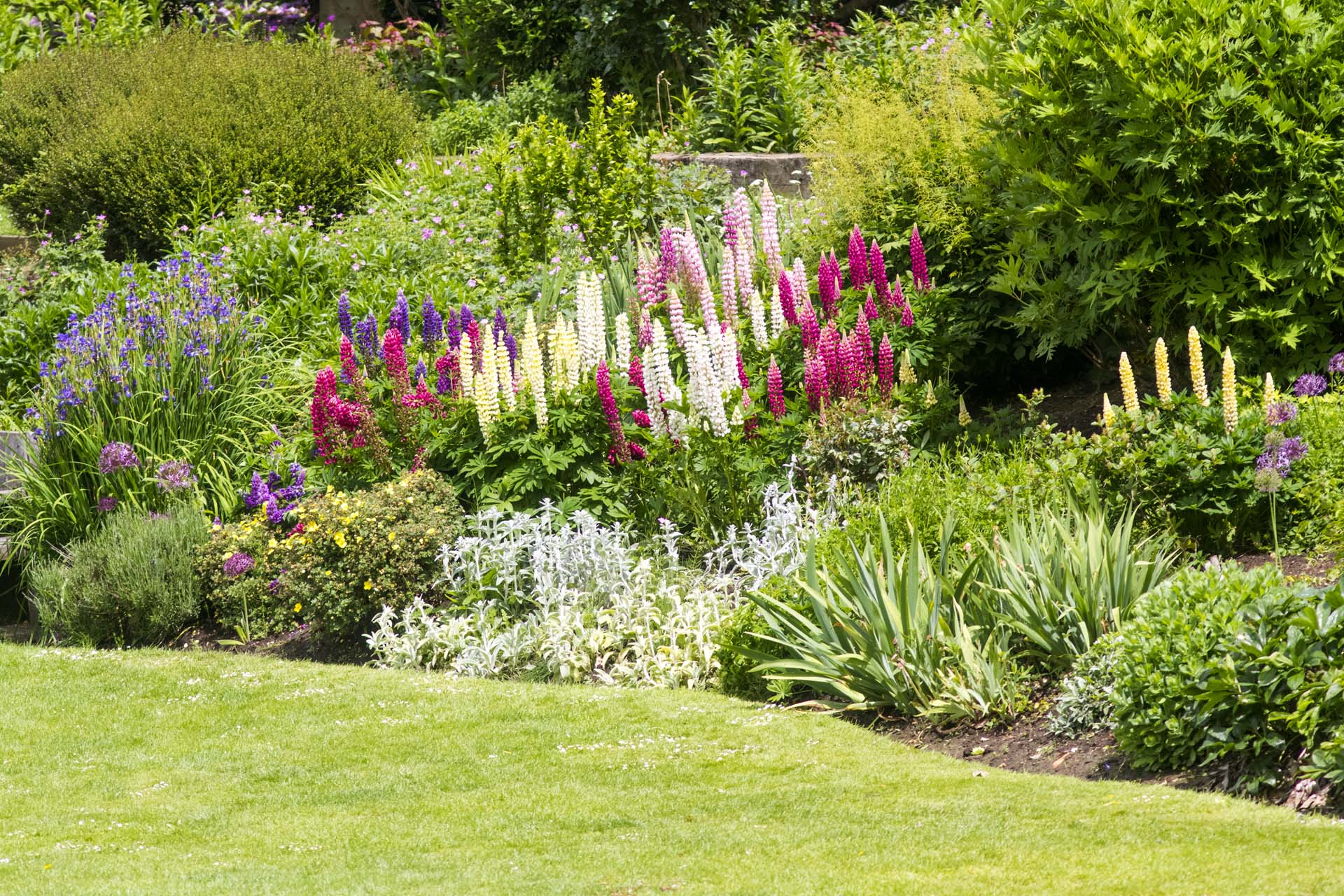
Plants that belong to the pea family, which includes lupins, peas, beans and sweet peas, benefit the soil by taking nitrogen from the air and storing it in their roots – any excess is then made available to the plants growing alongside. To make the most of them, try planting in the fruit cage or around fruit trees.
Big Gardens in Small Spaces
For more creative ideas on how to grow vegetables and fruit in the garden, check out Martyn's new book, Big Gardens in Small Spaces: Out-of-the-Box Advice For Boxed-in Gardeners (£18.99, Timber Press), buy this book at a discount from Saga Bookshop