

Important information about Saga Car Insurance
Saga Car Insurance is now provided in partnership with Ageas. Some of the cover details shown on this page may not reflect those included in previous quotes.
If you already have a car insurance policy from us starting with a number 10, find out more about the cover available to you.
Find the best car insurance for you
Car insurance. We all need it to drive a car legally and safely. Understand your options and find the cover that’s best for you in our complete guide to car insurance in the UK. That’s another task you can tick off your to do list.
New to Saga?
Start your journey with us, get a new quote or pick up where you left off.
Already a customer?
Log in or create a MySaga account to view your policy documents or renew your policy.

Saga Car Insurance named a Which? Best Buy
Saga’s Plus, Select and Standard policies are all rated Which? Best Buys. According to the Which car insurance review, Saga Plus is the best car insurance on the market, and all three policies “wowed” their experts.
What does car insurance cover?
Car insurance policies vary according to how much cover you need. Generally, the more cover a policy offers, the more expensive it is.
Saga offers three Comprehensive levels of car insurance for the over 50s, each with the same great Saga service so you can choose the most suitable policy for your needs and budget.
For more information on finding the best car insurance for your situation, check out our tailored guides for over 60s, over 70s and over 80s car insurance.
Why choose our car insurance
Saga offers comprehensive car insurance for the over 50s. Which includes the following:
2-year fixed price
Choose Saga Plus and fix the price of your insurance for the next renewal, if nothing changes. T&Cs apply.
Uninsured Driver Promise
We’ll repay your excess, and you’ll keep your no claims discount if you’re in a non-fault accident with an uninsured driver and have their details.
No admin fees
If you need to make changes to your policy mid-term we won't charge you a fee. And with Saga Plus we don't charge cancellation fees, so you're not tied in.
No Claims Discount Protection
If you have four or more years’ No claims discount, we’ll protect it against two fault claims in a three-year period (automatically included for eligible customers who choose Saga Plus or Saga Select).
New for old child car seat cover
We’ll replace child car seats with a brand new one after an accident, even if there’s no apparent damage to it. (Unlimited on Saga Plus, up to £1,000 on Saga Select and up to £750 on Saga Standard)
Who provides Saga Car Insurance?
Saga Car Insurance is arranged and administered by Ageas Retail Limited and underwritten by Ageas Insurance Limited.
Compare car insurance from Saga
| Cover and benefits | Saga Standard | Saga Select |
Saga Plus
2-year fixed price
|
|---|---|---|---|
|
Uninsured Driver Promise We’ll repay your excess, and you’ll keep your no claims discount if you’re in a non-fault accident with an uninsured driver and have their details. |
|||
|
Courtesy car Our nationwide network of approved repairers will provide you with a courtesy car for the duration of the repair. |
|||
|
Driving abroad Cover in most European countries with the same level of cover as you have in the UK. |
Up to 90 days |
Up to 180 days |
Unlimited |
|
No Claims Discount Protection If you have four or more years' no claims discount, we'll protect it against two fault claims in a three-year period. |
Optional |
||
|
Vandalism Promise You won't lose your no claims discount if you make a valid claim for damage caused by vandals. |
|||
|
Misfuelling cover Any loss or damage caused by accidentally filling your vehicle with the wrong type of fuel. |
|||
|
Key Protection We'll cover up to £2,500 per claim, and with us, you will even get up to £250 for wear and tear. You won't have to pay an excess and your no claims discount won't be affected. |
Optional |
Optional |
|
|
Legal Protection We’ll cover up to £100,000 of legal costs for accidents that are not your fault, as long as an independent legal representative believes there is more than 51% chance of success. |
Optional |
Optional |
|
|
Claims Promise Your no claims discount won't be affected by claims caused by theft, fire, storm or flood, or if your vehicle is hit when parked. |
|||
|
2-year fixed price You'll get a price for one year's cover but, because we fix this for your next renewal, as long as nothing changes, you'll pay the same price next year. (T&Cs apply). |
|||
|
Onward Taxi Travel Promise If you have an accident in the UK and your car's too damaged to drive, we'll arrange a taxi to take you anywhere you need to go in the country – with as many stops as you need. |
2-year fixed price car insurance
Choose Saga Plus and fix the price of your insurance for your next renewal, if nothing changes. T&Cs apply

Electric car insurance
If you’re thinking of driving towards a greener future, here’s what you need to know about electric car insurance.

What is car insurance?
Car insurance will cover the costs if your car is in an accident, is damaged or stolen, is vandalised or catches fire. You must have motor insurance to legally drive your car on UK roads. If you drive without insurance, you could be liable to fines, be disqualified from driving or have your car seized.What types of car insurance are there?
There are three different types of car insurance cover available on the market:
- Third party insurance – covers damage to a third party, whether that’s another vehicle, a building or person - but not the cost of repairing or replacing your car.
- Third party, fire and theft – third party, plus cover for your vehicle following fire or theft.
- Comprehensive – covers damage to your car and its occupants, someone else’s car and its occupants, belongings inside your car, vandalism, and may give you a courtesy car if yours can’t be used due to an accident.
Third party insurance is the legal minimum you need to drive your car in the UK, but many people find that Comprehensive cover will give them the most peace of mind. Saga does not offer cover on a third party, or third party fire and theft basis.
What doesn't car insurance cover?
The ins and outs of what is and isn’t covered will depend on the car insurance policy you choose, so you should always read your policy documentation carefully. However, there are a few things that are generally excluded. These include:
- Your car being stolen when you’ve left it unlocked
- Loss or damage due to war, terrorism, earthquake or radioactivity
- Damage you or anyone named on your certificate of insurance has done deliberately
- Your excess – the first amount of any claim that you have to pay
Do you need car insurance?
You cannot drive a car without insurance, so if you own a car in the UK, at minimum you need to have third party insurance. You must also insure your car if you don’t drive it, but keep it parked on the street, in a driveway or in a garage.
There are very few instances where you don’t need car insurance, which include:
- You hold a valid Statutory Off Road Notice (SORN)
- Your car has been kept off-road since before 1 February 1998
- Your car has been scrapped, stolen or exported and you have given notice of this
- Your car is between dealers or is being held in stock by an authorised dealer.
The police are able to check on the spot if your vehicle is insured. If it isn’t it can be seized and then disposed of unless you get valid insurance and pay charges for its return.
How does car insurance work?
When you take out car insurance, an underwriter will work out how much of a risk there is of you making a claim. They take into consideration a wide range of risk factors, such as:
- What car you drive
- How many miles you drive each year
- Where you live
- Your occupation
- Your age
- Your claims history
- Whether your car has an alarm or immobiliser
- Where you keep your car at night
How much of a risk these are is down to historical statistics. A combination of these factors determines whether the underwriter will be prepared to cover you and at what cost. The more of a risk you’re thought to be, the more expensive your car insurance price will be.
Here's what our customers have to say about us...

Defaqto 5 Star rated car insurance
We are proud to offer five-star treatment every day with Saga Car Insurance – Defaqto 5 Star rated every year since 2013.
Car insurance FAQs
Here are some of our most frequently asked questionsYes, you and any drivers named on the policy are. Saga Plus includes cover to drive abroad for an unlimited amount of time. Saga Select includes cover for up to 180 days and Saga Standard includes cover for up to 90 days in any policy year. Check which countries are covered.
For most countries we cover, you don’t need a green card anymore.
Please check your Statement of Fact for any endorsements, as exclusions may apply due to certain occupations.
If no exclusions apply, you (the policyholder) can drive a car that you don’t own or that isn’t insured by you or your spouse or partner, but only on a third-party basis.
Third-party is the most basic level of car insurance, and means that if you have an accident that’s your fault, your insurance will only cover the cost of repairing the other person’s car and their medical expenses. Damage to the car you’re driving or any injuries to you won’t be covered.
You’ll also need to have the permission of the car’s owner to drive it, and it must be insured in its own right.
Yes, we offer insurance cover for a wide variety of electric cars.
To find out if we can cover your electric vehicle and how much it will cost, get a quote online.
Yes, we include cover for damage to windscreens and windows. And if you claim for this it won’t affect your no claims discount.
With Saga Plus and Saga Select, as long as you use one of our approved repairers and they don’t need to replace your windscreen, you won’t even have to pay for it (Saga Standard has a £25 excess for repairs).
If your windscreen does needs replacing, you’ll have to pay a £75 excess (£100 excess with Saga Standard).
A cover limit of £150 (Saga Standard), £250 (Saga Select) or £500 (Saga Plus) applies if you use a repairer we have not approved.
Get a quote for Saga Car Insurance today
More from Saga
There's plenty to explore and learn about our car insurance cover and beyond.

The best cars for older drivers
As we get older, our driving habits understandably change. So which are the best cars for older drivers? Get some inspiration in this handy Saga guide.

Hosted Holidays
Discover specially selected hotel, special interest, and solo traveller breaks with a dedicated host who’ll help you live like a local. We even arrange insurance and airport transfers.
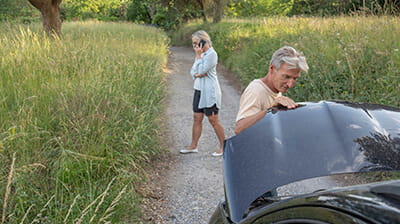
Breakdown cover
Flexible policies for over 50s, for breakdown cover you can rely on.
Car insurance cover note
When there’s a delay in receiving your certificate of motor insurance, cover notes come to the rescue.
Britain's most memorable motors
From Audi's iconic four rings to the challenges of pronouncing Porsche, we test Brits' knowledge of car logos, brand names, and pronunciations.

Car insurance extra coverage
In addition to the benefits which come as standard with our car insurance, we also offer a range of additional cover options.

Is your car insured?
It’s vital you know or you could be in very hot water. Here’s how to check your car insurance.

Saga's Automated Assistant