Can compression stockings help varicose veins?
Dr Mark Porter on whether compression stockings can make a difference if you suffer from varicose veins.

Image credit: Shutterstock
Dr Mark Porter on whether compression stockings can make a difference if you suffer from varicose veins.
Q. I have varicose veins in my legs.
They don’t cause me trouble at the moment, but will wearing compression stockings under trousers stop them getting worse?
Dr Mark's reply
Varicose veins of the legs are very common, and typically more of a problem the older you are, affecting at least one in five 40-year-olds in the UK, rising to one in three by 50, and close to half of those in their sixties.
The main cause is probably age-related damage to the valves in the veins, which hinders the flow of blood back towards the heart, leading to engorgement and bulging. Varicose veins are also more common in women and people with a family history.
Properly fitted compression stockings may slow progression in some people but are generally reserved for those bothered by symptoms such as aching legs.
If you do try stockings, only wear them during the day (remove at bedtime) and replace every three to six months as their elasticity weakens with time.
Higher compression stockings (class two as opposed to weaker class one types) tend to work better, but some people find them uncomfortable, and they are not suitable for everyone, particularly those with poor circulation.
If in doubt, ask to be measured and properly fitted by the supplying pharmacy or a practice nurse if already under their care.
They are prescribable on the NHS where indicated, but you also can buy them from your pharmacy or an online supplier.
Prices vary, but below the knee class one stockings typically start at around £15 a pair, while class two tend to be a bit more expensive at £20-plus a pair.
For more detailed information on varicose veins and their treatment, including when you should be referred for a specialist opinion, visit the NICE website.


Treat someone special to a Saga Magazine subscription – 12 inspiring issues for just £34.95. Plus, you will also enjoy three free gifts: a cotton tote bag, a bumper puzzle book and a box of Guylian Seashell chocolates.
Every issue is packed with real-life stories, exclusive celebrity interviews, insightful articles and practical tips on health, finance, travel, and more. A thoughtful gift that entertains all year round.

Are you retiring at the wrong age? The best age to retire for your body, brain, happiness and pocket.


Everything you need to know about the lung infection, and how you could be ill with “walking” pneumonia without realising it.
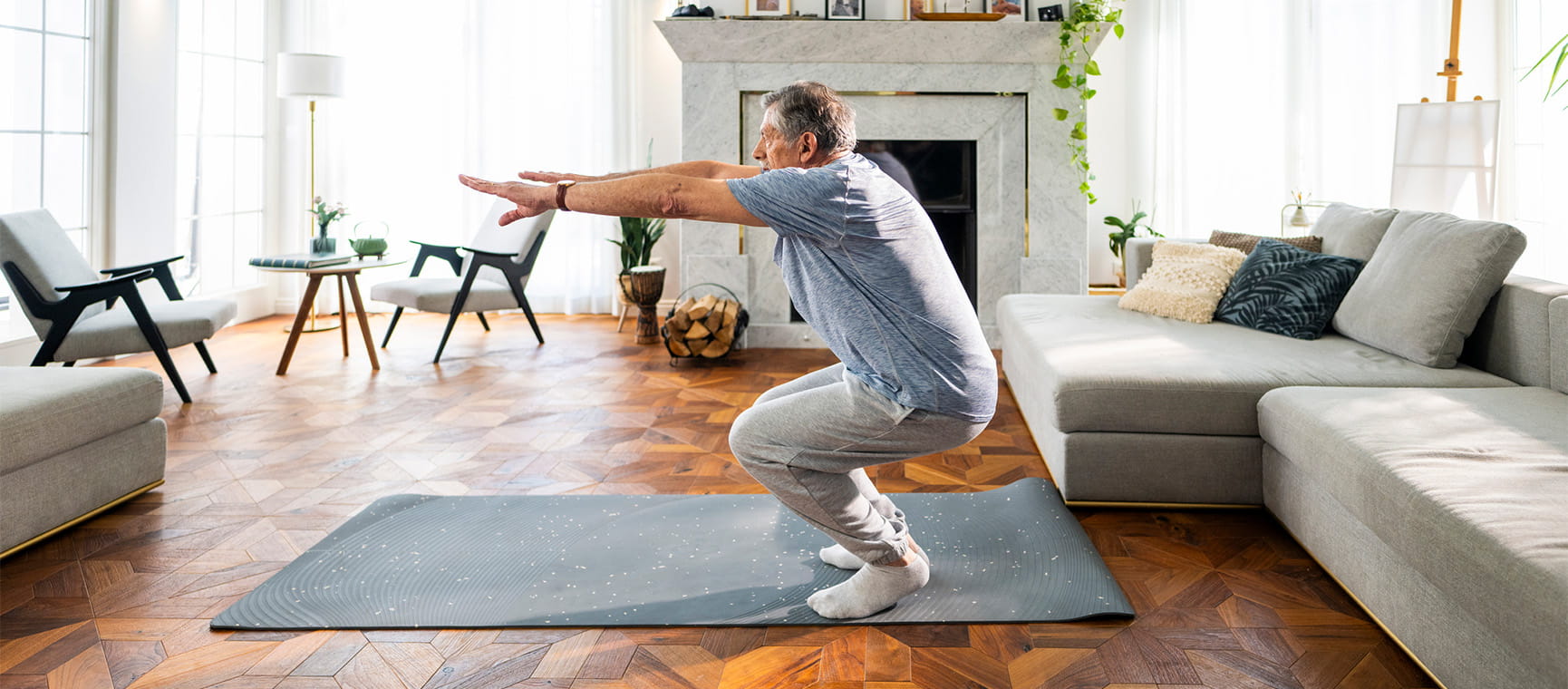
Strong calves for a strong mind: how they support our circulation and brain health, with easy moves to strengthen yours at home.


Our GP Dr Mark Porter explains what can cause itchy skin, which is a common problem as we get older.

Worried you’ve morphed into Victor Meldrew? Find out how to battle that bad mood, and what to do if you’re stuck with a grouchy loved one.

The benefits of heat and cold therapy, and how Nordic bathing won over our nervous writer.
From breathlessness to swollen ankles, a cardiologist explains the warning signs to look out for.

Everything you’re entitled to this year, when you can have it, and the gaps that remain.
Pilates for back pain – what to do if you are suffering, and five gentle exercises that could help.
Dizziness or vertigo: a sensation of spinning, can stop us doing everyday things for fear of falling. Try these tips to stop feeling dizzy


You don’t have to put up with bladder leaks. We try out the latest pelvic floor gadgets for men and women.
Learn how to spot cataract warnings – and when it’s time to consider surgery.