Is it snoring or sleep apnoea? Dr Mark Porter explains
Our resident doctor Dr Mark Porter on how to deal with a snoring problem that is causing sleepless nights.
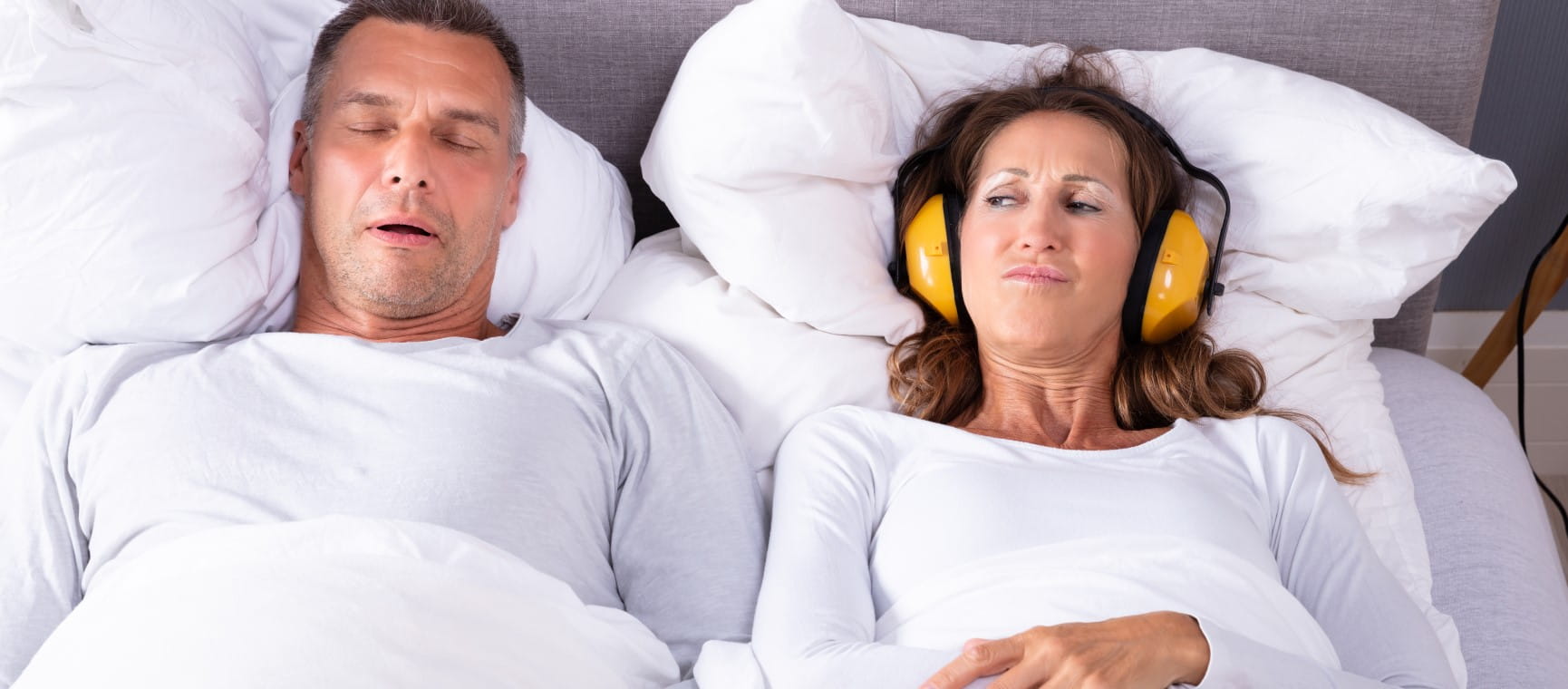
Image credit: Getty/AndreyPopov
Our resident doctor Dr Mark Porter on how to deal with a snoring problem that is causing sleepless nights.
Q. Is treatment for snoring available on the NHS?
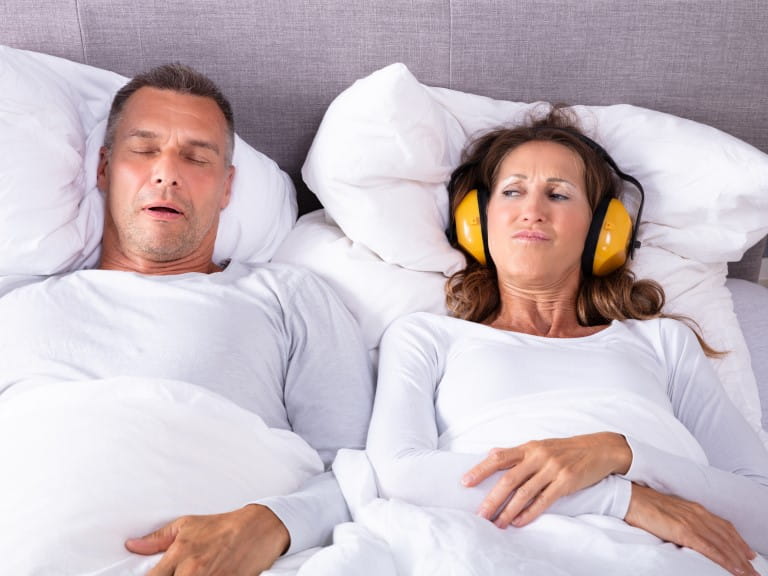
I am worried about my husband. He has always snored a bit, but recently it has become much worse and he seems to hold his breath for long periods, sometimes waking with a start, only to drop off and start snoring again.
A: Treatment for simple snoring is not generally available on the NHS.
However, your husband’s case may be more complicated, as he may have obstructive sleep apnoea (OSA), for which he can, and should, get help.
As well as disturbing you, it could have implications for his own health and wellbeing. Someone with OSA tends to have snoring punctuated by silences during which the snorer seems to stop breathing (apnoea) until they cough, splutter, wake momentarily or change position, and start again.
Their breathing stops because their upper airway blocks and they start to suffocate. As oxygen levels drop a self-preservation reflex kicks in and the snorer rouses before dropping off again.
This cycle can be repeated many times a night, meaning they wake feeling unrefreshed, are tired and irritable throughout the day and often nod off inappropriately.
The resulting fatigue and irritability can lead to everything from relationship problems and poor concentration to crashing when driving.
And OSA is also linked to a higher risk of health problems like high blood pressure, diabetes and heart disease too. Disturbed nights and repeated episodes of low oxygen are not good for your brain or body, or the person sleeping next to you.
Fortunately, it is treatable.
Less severe cases may respond to self-help measures like weight loss, and stopping smoking and cutting back on alcohol where relevant.
However, most will need some form of help to keep their airway open while asleep, such as a special type of ‘gumshield’ (mandibular advancement device) or, more commonly, a mask connected to a machine that gently blows air into the nose (CPAP).
The next step is to confirm what is going on. That will require referral to a specialist clinic to confirm the diagnosis. Something to discuss with your own GP, please.
The Sleep Apnoea Trust has more information.


Buy direct and start a new Saga Health Insurance policy by the end of 10 December 2026 to get your first 3 months free. T&Cs apply.
Underwritten by Bupa Insurance Limited.

Are you retiring at the wrong age? The best age to retire for your body, brain, happiness and pocket.


Everything you need to know about the lung infection, and how you could be ill with “walking” pneumonia without realising it.
Strong calves for a strong mind: how they support our circulation and brain health, with easy moves to strengthen yours at home.


Our GP Dr Mark Porter explains what can cause itchy skin, which is a common problem as we get older.

Worried you’ve morphed into Victor Meldrew? Find out how to battle that bad mood, and what to do if you’re stuck with a grouchy loved one.

The benefits of heat and cold therapy, and how Nordic bathing won over our nervous writer.

From breathlessness to swollen ankles, a cardiologist explains the warning signs to look out for.


Everything you’re entitled to this year, when you can have it, and the gaps that remain.

Pilates for back pain – what to do if you are suffering, and five gentle exercises that could help.
Dizziness or vertigo: a sensation of spinning, can stop us doing everyday things for fear of falling. Try these tips to stop feeling dizzy


You don’t have to put up with bladder leaks. We try out the latest pelvic floor gadgets for men and women.

Cataracts are a normal part of ageing. Learn how to spot the signs – and when it’s time to consider surgery.