Can testosterone help with the menopause? Dr Mark Porter has the answer
A Saga Magazine reader asks Dr Mark whether they should be prescribed testosterone in addition to HRT.

Image credit: Getty/TatyanaGl
A Saga Magazine reader asks Dr Mark whether they should be prescribed testosterone in addition to HRT.
Q. Why would a menopausal woman be prescribed testosterone in addition to conventional HRT? I understand the rationale of adding back in missing female hormones, but why a male one?
The reason I ask is because I have met a few women who are taking it and they have all said that they feel so much better.
Am I missing out?
Testosterone is not widely used in HRT. Women also produce the male hormone, albeit at much lower levels than men and, as happens in both sexes, levels tend to drop as they get older.
Conventional HRT, taken by the majority of women, is based on replacing the missing female hormone oestrogen (along with progesterone-type additives to protect the womb where required) as this is typically all that is needed. However, low dose testosterone may be added in for some women complaining of a low sex drive (libido) despite taking normal oestrogen-based HRT.
Testosterone should boost libido, and many women report other benefits too, such as extra energy and improved mood, but these are less clear cut in published research.
And testosterone supplementation needs to be prescribed with care as side effects can include weight gain, acne and excess hair growth (such as on the face).
As with all types of HRT, it is all about tailoring the regime to the needs of the individual – something that often requires a GP/specialist with a particular interest in the menopause.
Or, to put it another way, think of HRT regimes like dresses – what looks great on one woman may not suit another.
For more information on the use of testosterone replacement in the menopause, visit thebms.org.uk
Enjoy Dr Mark's medical advice and more exceptional content on your phone or tablet with the Saga Magazine app. Subscribe for just £1 for three months.


Treat someone special to a Saga Magazine subscription – 12 inspiring issues for just £34.95. Plus, you will also enjoy three free gifts: a cotton tote bag, a bumper puzzle book and a box of Guylian Seashell chocolates.
Every issue is packed with real-life stories, exclusive celebrity interviews, insightful articles and practical tips on health, finance, travel, and more. A thoughtful gift that entertains all year round.

Are you retiring at the wrong age? The best age to retire for your body, brain, happiness and pocket.


Everything you need to know about the lung infection, and how you could be ill with “walking” pneumonia without realising it.
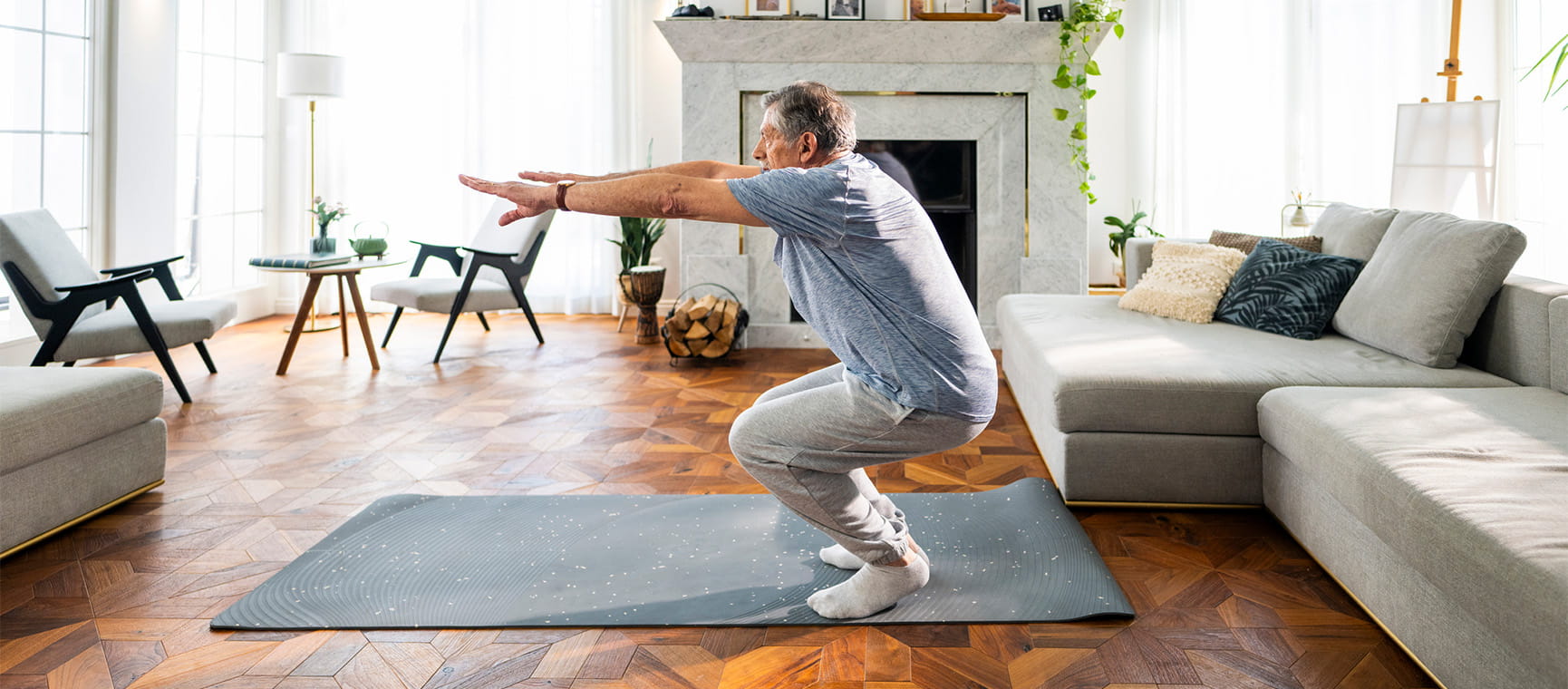
Strong calves for a strong mind: how they support our circulation and brain health, with easy moves to strengthen yours at home.


Our GP Dr Mark Porter explains what can cause itchy skin, which is a common problem as we get older.

Worried you’ve morphed into Victor Meldrew? Find out how to battle that bad mood, and what to do if you’re stuck with a grouchy loved one.

The benefits of heat and cold therapy, and how Nordic bathing won over our nervous writer.
From breathlessness to swollen ankles, a cardiologist explains the warning signs to look out for.

Everything you’re entitled to this year, when you can have it, and the gaps that remain.

Pilates for back pain – what to do if you are suffering, and five gentle exercises that could help.

Dizziness or vertigo: a sensation of spinning, can stop us doing everyday things for fear of falling. Try these tips to stop feeling dizzy


You don’t have to put up with bladder leaks. We try out the latest pelvic floor gadgets for men and women.

Learn how to spot cataract warnings – and when it’s time to consider surgery.