Shutterstock / DigitalPen
Electric vehicles are more popular than ever, but the government is introducing new charges that could change the equation.
We explain how the per-mile tax will work, what it means for your wallet, and share honest experiences from drivers who’ve already made the switch.
What’s on this page?
From April 2028 drivers of electric cars will need to start paying a 3p per mile road charge, while drivers of hybrid cars will pay 1.5p. Drivers will need to pay in advance based on estimated mileage, with the charge adjusted later if it turns out they have done more or fewer miles.
The process is expected to involve a mileage check during the car’s MOT, as well as on the first and second anniversaries of the car’s registration (since there is no MOT due until the car is three years old). That means miles driven abroad will still incur the charge. Payments will be administered by the DVLA as part of the existing Vehicle Excise Duty (VED) system.
Analysis done by Auto Express for the Independent suggests that with the UK average petrol price at £1.37 per litre, a petrol car returning 40 miles per gallon (mpg) costs around 15.5p per mile to run.
In contrast, an electric car returning four miles per kilowatt-hour (kWh) and charged at the current average UK domestic electricity cost of around 26p per kWh will cost around 6.5p per mile. From 2028, the proposed pay per mile tax would add 3p per mile to the EV cost, making it around 9.5p per mile.
The new charge means a driver who racks up 8,500 miles a year in 2028/29 can expect to pay around £255. Although the charge will be a frustration for drivers who invested in an EV because of lower running costs, it is still roughly half the fuel duty paid by drivers of petrol and diesel cars.
The Office for Budget Responsibility (OBR) estimates that the pay per mile charge will raise £1.1 billion in its first year and reach £1.9 billion by 2030/31. But it acknowledged that actual amounts raised would depend on the number of EVs purchased. The announcement came after the recent introduction of road tax for electric car drivers in April 2025, with a standard rate of £195.
There are now around 1.4 million battery-powered vehicles on UK roads, according to the RAC. Meanwhile, in October 2025, around a quarter of all new car registrations were fully electric cars and a further 13% were plug-in hybrid cars.
Sales of EVs have been mainly driven by fleet and business buyers. Private buyers accounted for just under a quarter (24.5%) of new fully electric car purchases in January to September 2025.
The upfront cost of buying an EV is high. According to Autotrader, in June 2025, the average cost of a new electric car was £49,790, compared to £34,225 for the equivalent petrol car. But they have fewer moving parts, so in theory there’s less that can go wrong and you won’t need to pay for oil changes.
But if something does go wrong repairs are, on average, 25% more expensive.
Prices for used electric cars aredropping as more choice becomes available, with Parkers reporting that a four-year-old EV is now 14% cheaper than its petrol or diesel counterpart.
Then there’s the cost of insurance to consider. For some time, insuring an EV has been more expensive than its petrol or diesel counterparts, and while there are a variety of factors to think about, data from Saga Insurance suggests that electric cars still cost more to insure.
When it comes to the costs, there are many variables that affect how EVs and petrol/diesel vehicles compare. These include whether you are buying new or used, how many miles you drive, and whether you have somewhere to charge the car at home – domestic electricity is generally much cheaper than public charging.
Your energy supplier and tariff can also affect the cost, since an off-peak or specialist EV tariff can make things cheaper. It’s hard to predict what electricity and petrol or diesel costs will be in future, which will also affect the calculations.
In terms of fuel costs, the headline figures favour electric vehicles, particularly if you’re able to charge your car at home.
“There are two main tiers of saving when you buy an EV,” says Morgan. “The first is fuel consumption. If you look at the cost of a 1.5 litre petrol Mini, if you’re doing 10,400 miles a year, the cost in fuel comes to [approximately] £1,400. “The cost to charge the equivalent electric Mini for the same mileage is around £685, so that’s a saving of about £715 on a standard electricity tariff.”
With charging points costing in the region of £1,000 to install, that outlay should be recovered in just over a year, he claims. "The second stage of saving comes if you switch to an EV-friendly energy tariff and charge overnight.”
Some energy suppliers now offer tariffs for cheap overnight charging, for example, EDF, British Gas and Intelligent Octopus Go.
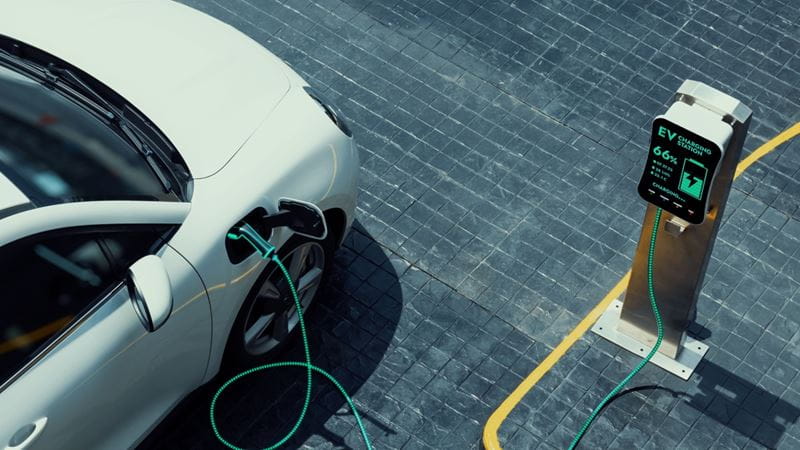
While cost is a key consideration, what about living with an electric car day-to-day? Many of the EV drivers we spoke to cited ‘environmental reasons’ as the motivation for buying one – and that they fell in love with them on the test drive.
Lisa Ingram, 60, from Frensham in Surrey, runs an organic cotton company. She bought a Nissan Leaf in 2023 and saved around £7,000 on the list price because it had 2,000 miles on the clock. For her, the environmental benefits were the big selling point.
“It makes me smile every time I get in it,” she says. “When I’m overtaking a cyclist or someone walking their dog on a country lane, it’s good to know I’m not blasting fumes into their face. “You can’t beat it for short trips, popping to the shops and delivering parcels for our eco-friendly company, Little Leaf Organic, but longer journeys do have to be planned out beforehand, deciding where to stop and charge en route.”
Danny Morgan, head of sales and marketing at home charge point installer Smart Home Charge, says: “A lot of the focus [on electric cars] has been on the environmental angle, but many people drive EVs simply because they like them. They’re easy to use and they offer a smooth driving experience.”
Hypnotherapist Helen Davis, 58, from Petersfield, says she’s found her electric Renault Zoe to be low maintenance and cheap to run. The only problem she’s had with it in the five years of ownership has been a glitch with a seatbelt. “In my last car, I was regularly paying £70 to fill up the tank. With no road tax, I feel like I’ve saved money [driving an electric car].
"That said, the car cost more to buy and I couldn’t get my money back if I wanted to sell it tomorrow because the price has gone down so much.”
She hasn’t opted for a home charger because she doesn’t have off-road parking. “The local council offices are walking distance from my house, so I can walk round, leave it charging for an hour or so and then go and pick it up.” Helen says she spends around £8 each time she tops up.
Tim Birtwhistle, 75, who's retired and lives in North Yorkshire, bought a VW id3 Pro S in 2023 and says it offers “cheap, well-equipped motoring with no range anxiety”.
“Servicing costs less than for an ICE (internal combustion engine) vehicle and there are more HEVRA garages around (independent garages that can service electric and hybrid vehicles), which saves on main dealer costs.”
Tim has invested in solar panels and a home charger (paid for by Renault when buying a car in 2019) and charging overnight on E.On’s Next Drive tariff, which now costs him 7.5p per kWh.
But some drivers, like 75-year-old Gill Baron from Leicester, who’s retired and drives a Renault Zoe, point out that saving money is not straightforward. “EV owners doing higher mileage [near] home can save money on fuel costs, but charging away from home is very expensive now,” she says.
The average cost of public charging is now 48p per kWh, compared to as little as 7p on an EV tariff at home.
Then there’s the fact the EV drivers are going to lose a current exemption over petrol and diesel car drivers. “I’ve had three EVs and I wouldn’t say I’ve saved money,” says Gill.
She reckons this is because she doesn’t rack up enough miles to benefit from fuel savings. “I must confess I keep an old diesel car for longer journeys because charging adds a lot to travel time and while you’re waiting at a service station you go in and drink coffee and eat cake, which all adds up.”
Without the ease of being able to fill up your tank in minutes and fuel stations never far away, some motorists do worry about the range of EVs and the risk of running out of charge before they’ve reached their destination.
According to the Electric Vehicle Database, the average range of EVs that are currently on the market is 236 miles.While some newer cars have a range of over 300 miles, an eight-year-old Renault Zoe will struggle to do 80 miles, especially on a cold day (colder temperatures can reduce the efficiency of car batteries).
It’s easy to see why some EV drivers we spoke to (like Gill) confessed to having a petrol or diesel car in the garage for longer journeys. Tim says: “Charging out and about is expensive and, although availability is improving in most areas and London is ahead, you do have to plan a long journey.”
Helen agrees. “I do a weekly round-trip of 140 miles and I can just about do it in the winter without charging if I wrap up and don’t have the heating on,” she says. “It’s changed the way I drive, so if range is an issue I’ll stick to 60mph.” (Using the heating and air conditioning drains the battery more quickly, as does driving faster.) Gill also worries about charging on the go: “The charging infrastructure in England is abysmal. Apart from the high cost, you’ll find chargers that are broken and there are often queues.”
So, while EV owners enjoy the driving, many we spoke to used a different car for long journeys or took the train. But when we asked if any of them would go back to petrol or diesel, not one driver said yes. Despite the drawbacks, Gill says she has no regrets.
“I was an ‘early adopter’, and in the early days, I used to go to get-togethers with other owners. Now my Renault Zoe is perfect for local trips and especially around town.” Embracing the technology of an EV as well as the driving experience were also themes that came up time and again.
Lisa describes her car as “a dream to drive” while Helen says she finds longer journeys more comfortable than in her previous petrol car. “It’s so smooth and the driving feels so much easier,” she says. “Even if I’ve had a long journey, I don’t feel as tired as I did in my old car – I think the lack of vibration helps.”
Lisa also loves the idea of recharging the battery while driving, which works by giving the battery a small boost whenever you brake, putting power back into the car. “There’s a route home where I can actually put a couple of miles back on,” she says.
Then, of course, there’s the fact that you’re generating zero emissions from the exhaust and keeping the air cleaner. As Tim says: “Our first electric car was a Renault Zoe and it met all our expectations as a ‘local shopping trolley’, so now we’re all EV. “Clean air is a very valuable commodity, and we want our grandchildren to breathe more easily.”

There’s billions sitting unclaimed in shares and dividends – find out if any belongs to you.

From their first savings account to their first home, find out how your gifts can make the biggest impact for your grandchildren
.jpg?la=en&h=354&w=616&hash=653168623B92F3457D40ACA115D37B3E)

.jpg?la=en&h=354&w=616&hash=458B0288E9852F4B63A433E2FDD375E7)
Discover which old discs could be worth money and the easiest ways to sell, donate or recycle.


Choose our highest car cover level Saga Plus and freeze the price of your car insurance for 2 years if nothing changes. T&Cs apply.