Shutterstock/Bilanol
Get all our latest money stories and exclusive offers direct to your inbox. Sign up here.
This article is for general guidance only and is not financial or professional advice. Any links are for your own information, and do not constitute any form of recommendation by Saga. You should not solely rely on this information to make any decisions, and consider seeking independent professional advice. All figures and information in this article are correct at the time of publishing, but laws, entitlements, tax treatments and allowances may change in the future.
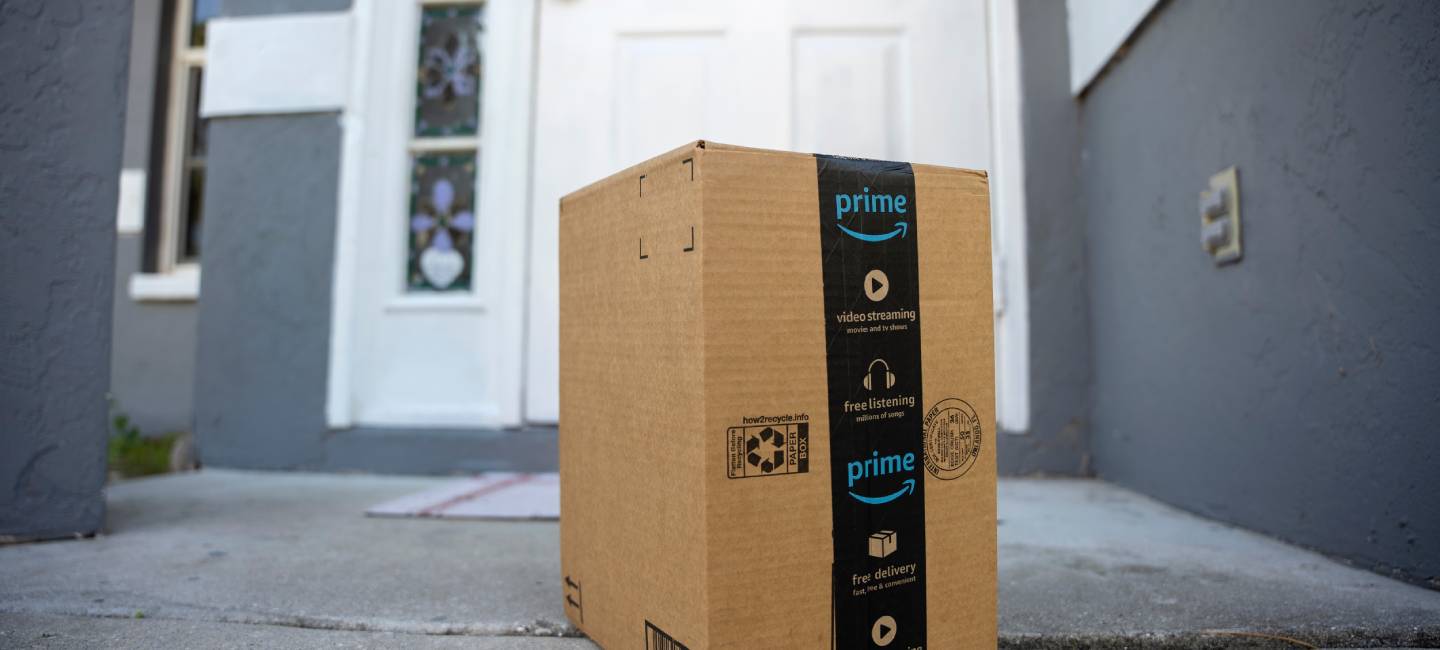
Parcel theft and delivery delays are soaring, with millions of households affected across the UK. Whether you’re waiting for an online order or sending a gift to a loved one, knowing your rights – and how to protect your parcels – can save you time, money and stress.
Here’s what you need to know before you click ‘buy’ or head to the post office.
What’s on this page?
Over the last 12 months £666.5 million worth of parcels were stolen from porches and doorsteps across the UK, nearly £290 million more than 2024, according to technology company Quadient (which extrapolated the figures from a freedom information request to police forces combined with a survey of 2,000 adults).
Nearly five million households were affected across the UK, with the average parcel worth £138. Only a small minority of these thefts are ever reported to the police.
In the rush to get increasing numbers of parcels delivered, couriers often don’t wait for you to answer the doorbell before they drop off your parcel.
In some cases packages are abandoned on doorsteps in full view of passers-by and vulnerable to theft.
If you are unlucky and become a victim of so-called ‘porch pirates’, it’s important to be aware of your rights. In most cases, you should be able to get your money back – even if the courier has emailed a photo of the item on your property.
Helen Dewdney, the consumer champion known as ‘The Complaining Cow’, stresses that under the Consumer Rights Act 2015, “The goods remain at the trader’s risk until they come into the physical possession of (a) the consumer, or (b) a person identified by the consumer to take possession of the goods.”
This means that legally, you will only be liable for the delivery if you had told the retailer that the spot it was left in was a ‘safe place’ – whether that was the porch, doorstep, or behind the bins.
If a parcel is stolen from a spot that you haven’t designated as safe, you should be entitled to a refund or replacement from the retailer – whatever they might suggest to the contrary.
Vix Leyton, consumer expert at Think Money, says: “Don’t be bullied or scared into conceding defeat – some companies have deliberately stern terms and conditions. They ask you to agree that in order to investigate your complaint that you’ll cooperate with the police, and include everything from checking your local area to knocking on all your neighbours’ doors, but that is not your job.
“Your rights are clear; if it’s not in your hands or hands you have specifically designated, they must pay up or replace. But it might require a lot of persistence.”
Dewdney adds that even if it looks like the courier is to blame for not safely delivering your package, your grievance should always be with the retailer. You shouldn’t be asked to report it to the police (as they can’t help in these cases) or to supply a crime number. If the retailer decides to take issue with the courier, that’s down to them.
“There are a lot of misconceptions about deliveries,” she says. “Consumers wrongly believe that you contact the courier when in actual fact you don’t, it’s the retailer. It’s a classic fob-off by companies. That and the retailer has said that a package has been ‘tracked and delivered’ when it was only delivered to the door.”

The problem isn’t always porch pirates; sometimes parcels get lost on the way. Courier firm Evri admitted earlier this year that it expects to lose 1% of the parcels it’s charged with delivering in 2025. That amounts to eight million parcels – or 22,000 a day – that won’t reach their destination in time (some may be delivered late).
Most courier services will let you know if there has been a problem with your delivery and if it’s running late. Whether or not you get a notification, if it doesn’t arrive, your rights will be just the same as if your parcel was stolen, says Leyton.
“If you buy something and it never reaches you, your rights are very clear. Your contract is with the retailer, not the courier,” she explains. “It is the retailer’s responsibility to get the item to you, and until it is in your hands, the risk is theirs. If they claim it was delivered safely but you did not receive it, you are entitled to a refund or replacement. You do not have to prove it was stolen, and you do not have to chase the courier yourself.”
For an extra layer of protection, it’s often a good idea to buy with a credit card. If the individual item costs between £100 and £30,000, you have protection under Section 75 of the Consumer Credit Act, which makes the credit card company jointly liable with the retailer. This can be useful if there’s an issue which the retailer can’t or won’t resolve. But it only applies if you bought directly from the retailer – purchases from eBay or Amazon Marketplace may not be covered.
It’s a different situation if you post a gift – or any other parcel – to someone else and it doesn’t show up. That’s because you (not a retailer) are the customer of the delivery service. So if your parcel goes missing or is damaged, you’ll need to claim compensation directly from them.
Leyton says: “If you send a parcel via Royal Mail or any courier and it disappears, you claim compensation directly from the delivery company. Royal Mail, for example, has a compensation process based on the service you paid for.”
If, on the other hand, somebody posts a gift to you that doesn’t arrive, they’ll need to make a complaint. She adds: “For gifts sent to you, the sender has to make the claim because the contract is between them and the delivery company. It can feel awkward, but that is how the system works. The onus is on the company that took payment to either locate the parcel or compensate for the loss.”
If you’re posting gifts or important items, it’s worth thinking about insurance and the best way to send them. Standard delivery services often include only limited compensation, which may not cover the full value of your item. For high-value items, paying for extra cover can save you a lot of stress later.
Below are some of your options, depending on who you are posting with.
Standard First and Second Class: Compensation up to £20 for loss or damage.
Signed For: Up to £50.
Special Delivery Guaranteed: Includes cover up to £750, with options to increase to £2,500 or £10,000 for an extra fee. This is the only Royal Mail service that covers valuables like jewellery and cash.
Standard cover: £20 included for free.
Enhanced cover: You can increase protection up to £999 for an additional cost. Full tracking is included with all services.
Basic liability is included, but you can increase cover for an extra fee. Third-party insurers can offer cover up to £90,000 for high-value items.
Compensation for loss and damage is included in the price, but certain items are excluded (such as jewellery and cash).
You can buy enhanced compensation when booking online for UK and international parcels.
For many people the complaints process will be pretty straightforward – you’ll either be offered a replacement item or a refund.
But sometimes it can feel like a customer service endurance test (Leyton was herself challenging a retailer over a missing parcel when she spoke to Saga Money). But it’s important to stand your ground and exercise your legal rights.
Leyton adds: “Unfortunately things are likely to still go wrong occasionally even if you do everything right – but complaining is very important. If we don’t inconvenience the retailers when the system fails, there will be less appetite to make it better.”


Find out the benefits you are entitled to, from Pension Credit to Carer’s Allowance.

We explain the shelved PIP reforms and what's next for universal credit.

The definitive list of travel discounts for train, coach, and bus travel across the UK.





.jpg)