When should you turn the heating on this autumn?
As temperatures begin to dip, you may be wondering when to crank up your thermostat. But with energy bills rising again, how can you keep warm without spending more than you need to?
If you’ve started reaching for that extra layer of clothing each morning, you’ll probably be wondering when to turn the heating on.
As the weather gets chillier, it’s tempting to put off switching on the central heating for as long as possible, particularly when energy bills are a concern. But leaving your home too cold can affect your comfort and, for some people, your health.
With energy bills rising again this autumn, it’s understandable that many households will be reluctant to switch on the central heating. Ofgem’s energy price cap increased by 4% on 1 October, adding around £60 a year to the bill of a typical household using gas and electricity and paying by direct debit.
That makes it all the more important to heat your home efficiently, rather than paying to warm rooms when you don’t need to. But how long can you realistically put off turning the heating on, and what’s the best way to keep your home comfortable as temperatures fall?
With an increasingly changeable weather pattern – cold one day and warm the next – it isn’t easy to know when to flick that switch. However, we can make a judgement based on the outside temperature.
While each person’s temperature comfort zone varies, Martyn Bridges of Worcester Bosch says: “Temperatures that are constantly below 15°C–16°C (59°F–61°F) throughout the day tend to make people feel cold.”
Heating experts at Vaillant previously analysed five years of Met Office temperature data to pinpoint when households across the UK might need to turn their heating on.
Their research put the average switch-on date at 3 October, with households in northern cities typically needing their heating earlier than those in the south. But after an unusually warm summer, will this year’s dates look a little different?
While the original research offers a useful guide to when temperatures usually start to drop, the best time to turn your heating on will depend on the weather, how warm you like your home and whether you’re feeling the chill. Rather than sticking rigidly to the calendar, it’s worth letting the temperature in your home guide you.
The experts at Saga Insurance have the best advice on boiler maintenance and safety checks, to help you avoid unexpected repair costs.
Apart from outside conditions, the temperature in your home will play a big part.
If it’s well insulated, with a good level of glazing and loft insulation, you can hold off from turning your heating on for a little while longer.
There are several simple ways to keep the cold at bay and put off reaching for the thermostat:
If you’re unsure as to what temperature to set your thermostat, it’s worth knowing what the health experts advise.
The Energy Saving Trust says: “For most, the lowest comfortable temperature to set your heating to is between 18°C and 21°C (64°F and 70°F), as the World Health Organisation advises.”
The average thermostat setting in the UK is 20.8°C (69.4°F). However, 18°C (64°F) is warm enough to remain comfortable in winter.
To help find the perfect temperature, position the thermostat in a place that isn’t blocked by curtains or furniture, so air can flow around it and measure the temperature of the space properly.
There’s nothing quite like emerging from a warm bed into a chilly bedroom to make you question your life choices. Fortunately, a little forward planning can make mornings more comfortable without leaving the heating running unnecessarily.
If you have a programmable thermostat, try setting your heating to come on around 30 minutes to an hour before you get up. This gives your home time to warm up before you start the day, although the time needed will depend on your heating system and how well insulated your property is.
You don’t necessarily need to keep the heating running all day, particularly if you’re out of the house or there are a number of rooms you don’t use. Setting a schedule that reflects your daily routine can help you avoid heating an empty home.
At night, you may be able to turn the heating down or switch it off, depending on how quickly your home loses heat and how cold it gets.
However, if you’re older, have a health condition or are otherwise vulnerable to the cold, it’s important to keep your home at a safe, comfortable temperature rather than prioritising savings at the expense of your health.
With her 30 years of experience, Camilla Sharman has covered a wide range of sectors within the business and consumer industries both as a feature, content, and freelance writer. As a business journalist, Camilla has researched articles for many different sectors from the jewellery industry to finance and tech, charities, and the arts.
View author page
Guard against inconvenient and unexpected boiler failure with Saga Home & Heating Emergency cover and boiler service option.
Whether you're looking for straightforward insurance or cover that's packed with extras, our home insurance has plenty of options for people over 50.
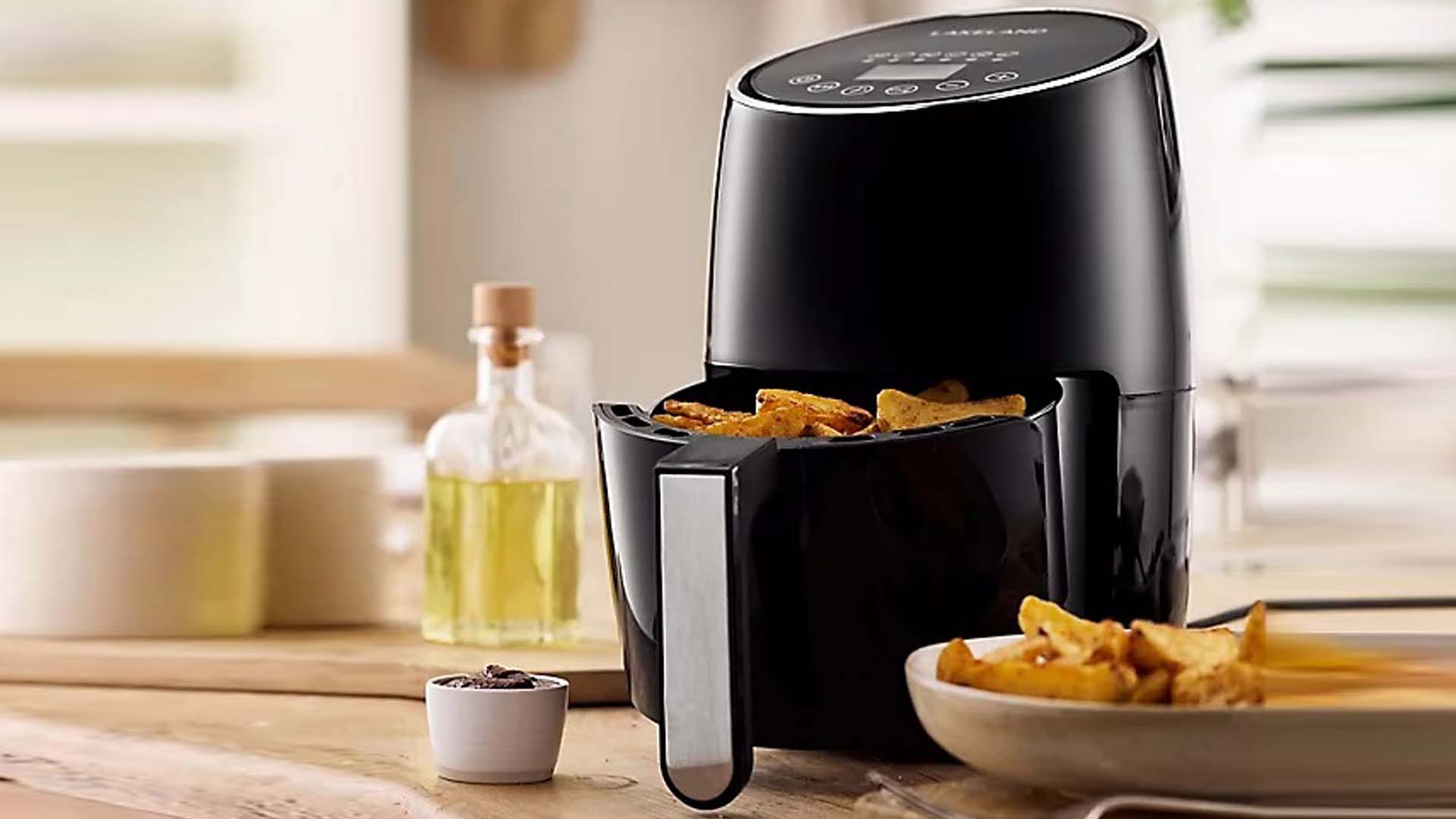
Home chefs are turning to their air fryer and slow cooker to save money on their energy bills. Which is cheaper to run?
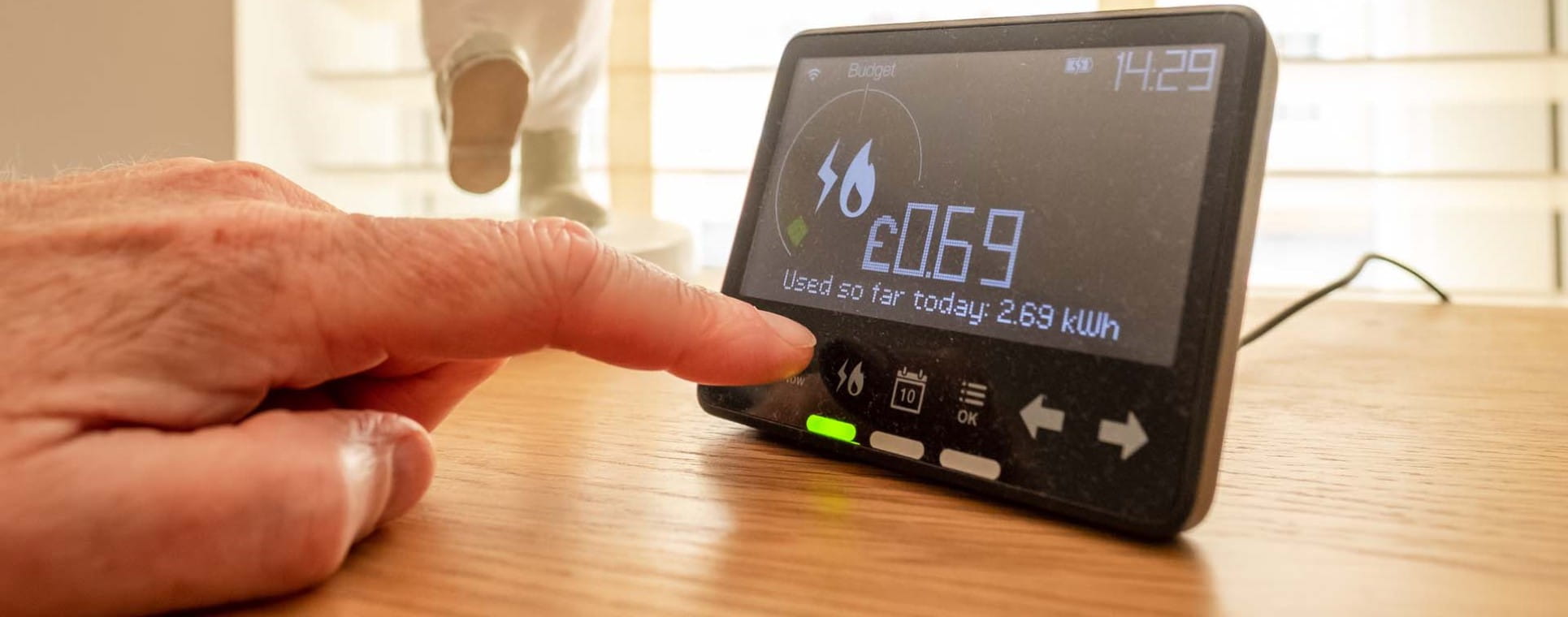
Find out if a smart meter offers you more benefits than your traditional energy meter.
As well as being a healthy option, air fryers are said to save money – but in reality, how economical are they?