Does no-dig gardening really work? Charles Dowding says its a "win-win-win"
The no-dig approach promises less work, a better-looking garden and bigger harvests. The UK's organic gardening guru explains how it works.
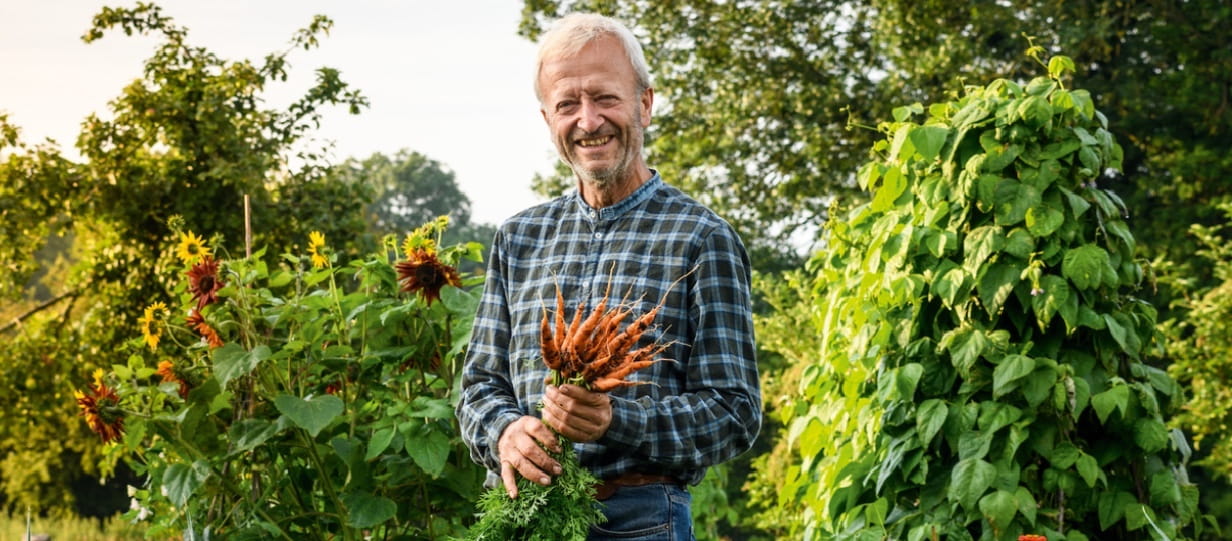
The no-dig approach promises less work, a better-looking garden and bigger harvests. The UK's organic gardening guru explains how it works.
Sun-warmed tomatoes straight from the stalk, honey-scented carrots teased from the earth, or the sweetest cobs on towering stalks of corn are all mouth-watering favourites you can enjoy this summer from a few seeds sown now. With longer days, sunshine and rising overnight temperatures, April is the perfect time to get growing.
If you’ve resisted the lure of growing your own food for worry about the physical effort involved and poor returns, it’s time to think differently. The nation’s organic gardening guru Charles Dowding believes that healthy veg should be as easy to produce as it is rewarding.
"Growing your own food is a lovely thing – but when you grow the no-dig way, it’s so much more than that," he says.
"It’s easy and you get a bigger harvest from the same ground in less time, with fewer weeds. It’s also better for your health – so it’s win-win-win!"
Charles, 67, has been championing organic gardening since the 1980s, when he was deemed a maverick in the industrialised world of growing food. He trialled no-dig gardening as early as 1982, and realised it was saving him huge amounts of time by cutting out repeated rotavating and easing the hours spent weeding and watering.

The health benefits became apparent to him, too – not just from the harvested veg being pesticide-free when grown organically.
"Fresh food from the garden is better for you than from the supermarket, because of the minerals in garden soil and microbes on the vegetables," explains Charles.
"We’re now realising how valuable this is for our gut health – and when that’s functioning beautifully, it makes you feel good. It’s difficult to put hard numbers on it, but using the no-dig approach is significant for your health."
Charles argues that most of us have been overlooking the key to successful veg growing for years: our soil. We may dismiss it as dirt, but scientists are discovering an underground universe of fungi, healthy bacteria and microbes that are the key to nutrient-rich veg and fruit.
"It’s a biological network that supports plants by giving access to minerals or water, while plant roots are bringing carbon into the soil – so it’s a form of symbiosis," he says.
"When we apply synthetic fertilisers and dig the soil, that whole network is broken. But give soil the organic matter it needs and you’ll have less need to add fertiliser or water in future."
Growing flowers among your veg doesn’t just look pretty, it attracts more insects, boosting pollination and distracting potential predators from feasting on your prized veg.
Choose shorter-growing varieties such as dwarf French marigolds and nasturtium (‘Empress of India’ has edible leaves and petals), cornflowers, zinnia or Malope ‘Vulcan’.

Evolved over the past 40 years, his no-dig method involves layering compost or manure on top of the soil, then letting worms and other creatures, plus the weather, gradually mix it in, while veg plants thrive in the top layer.
Success relies on two key materials: cardboard and compost. The cardboard should be as plain as possible, which most of us have in quantity thanks to online shopping. For the all-important compost, it’s fine to buy it in, says Charles, as few of us have the space to make enough at home. Bulk bags of mushroom compost are his preferred starting point – though green waste from local authorities or well-rotted horse manure (stored for at least a year) are good substitutes.
Lay the cardboard on top of borders or even your lawn to block light from plants: over time, this kills them off – even perennial weeds. On top of this, lay 10cm (4in) of compost to give sufficient depth for growing young plants right away. As they mature, their roots will reach down into the layers below.
This method is not only the easiest way to create a new bed without lifting a spade, but it’s also fast, so you’ll soon be enjoying the taste of quick-growing crops, such as salad leaves or spinach, radishes and spring onions – by midsummer, if you start now. Later in the summer, beans, tomatoes, courgettes and all root crops also thrive in these conditions.
The biggest problem to overcome in creating any veg bed is weeds – but if you’re vigilant, even tenacious bindweed, ground elder and brambles will weaken and die using no-dig. Surface-growing annual weeds will last only a few weeks once denied light.
In a small growing space, you don’t want to waste any ground, says Charles – so make the most of it by overlapping planting (while one crop finishes, a new one establishes), interplanting (growing veg together that enjoy the same conditions), and multi-sowing seeds (raising clumps of plants rather than singles).
"Exploit the spaces between lettuces by sowing dwarf French bean seeds in between; young ridge cucumber plants can go in close to peas or strawberries as their season finishes."
"Take advantage of complementary conditions by growing rows of leeks with celeriac. Harvesting the leeks leaves room for celeriac to fill out."
"Sow several seeds of a root veg, such as beetroot, radish or turnips, into the same module. Once transplanted as a clump, seedlings grow more strongly than if grown as individuals."

"If you’ve got a lot of weeds, overlap several layers of cardboard to keep all light away from existing weed growth – including on paths – before layering on the compost," Charles says.
"The cardboard only lasts around 10 weeks, so on weedy ground you must pull out any weed growth weekly. It depends how much food is stored in the weeds’ roots, but by late summer they’ll be seriously weakened, and by next year should be gone."
After your first year of no-dig, it’s even easier, promises Charles. Weeds are in retreat and the annual layer of compost can be reduced to just 2-3cm (around 1in). And there’s no need for crop rotation, he says, because the soil is in good health, making plants less vulnerable to problems: "I’ve grown potatoes in the same bed for 11 years, as a test, and the harvest is better than at the start."
Charles has been recording the results of his no-dig approach, to prove its value.
"I’ve run two beds side by side for 13 years, comparing dig and no-dig," he says.
"Both beds have the same amount of compost applied, but the no-dig bed gives a harvest that’s 12% higher on average every year."
He’s also used a fraction of the water that he would when growing conventionally, and never uses synthetic fertilisers to boost growth, which he likens to junk food for plants – appearing to nourish but, in reality, making them more vulnerable to pests and diseases.
"A healthy and productive garden that’s under control is a beautiful place to be," Charles enthuses.
"It’s such a joy when you have success growing veg, you keep going."
Grow Together: 50 Planting Partnerships to Boost Your Harvests, by Charles Dowding (DK, RRP: £14.99)
Hero image credit: Jason Ingram
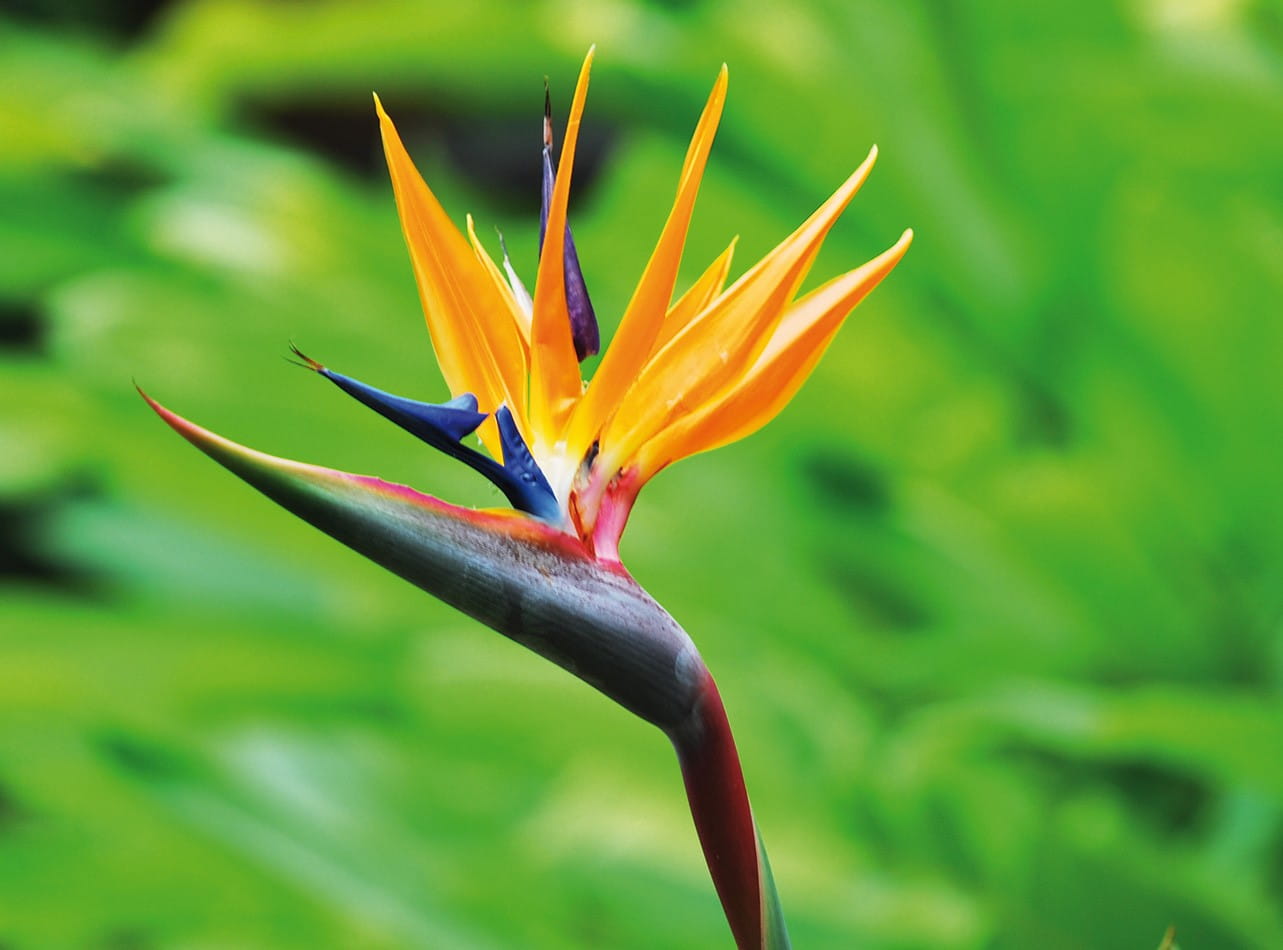
Find out about Saga's Gardening holidays here...
Explore stunning outdoor sanctuaries on Saga’s garden-themed getaways – it doesn't matter if you’re a keen horticulturist or just someone who enjoys colourful blooms.
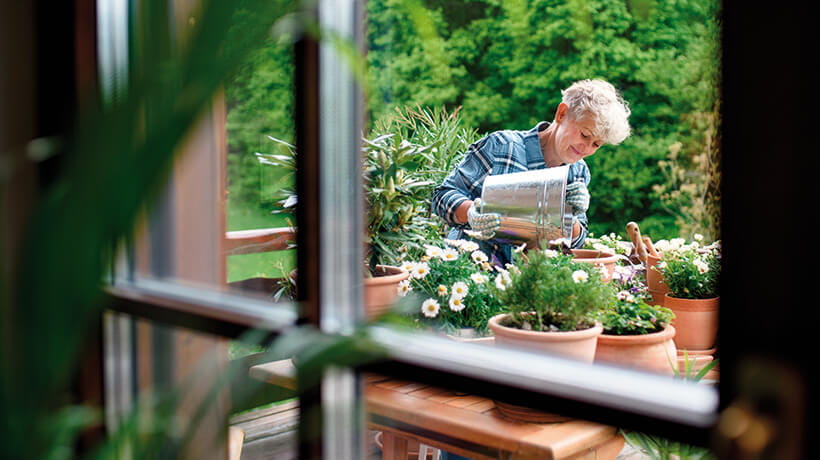
Saga Home Insurance comes with garden cover included. Find out what’s included and get tips to help secure your garden.
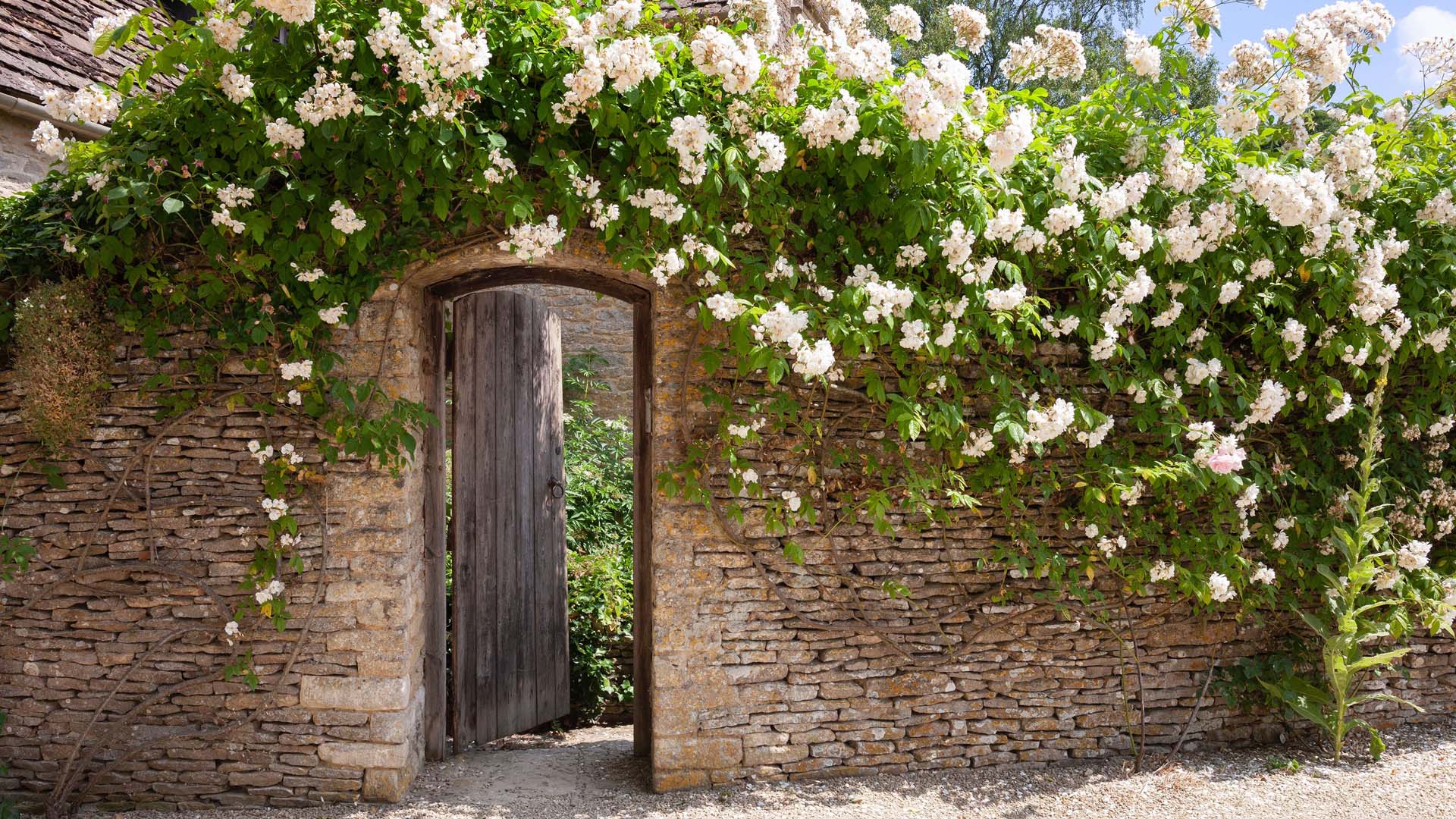
Try these clever ways with rocks, pebbles and boulders to transform your terrain.
Discover how to make a small garden look bigger with our useful guide that’s crammed with easy tricks, from your choice of floor to the clever use of plants and accessories.
From edibles to low maintenance there's a plant that's right for everyone

They’ll survive whatever the great British weather throws at them: grow these heatwave-proof plants in your conservatory.