How to leave the sofa and get fit – at any age
These simple new year fitness tips will help you get more active in no time now that Christmas is over.
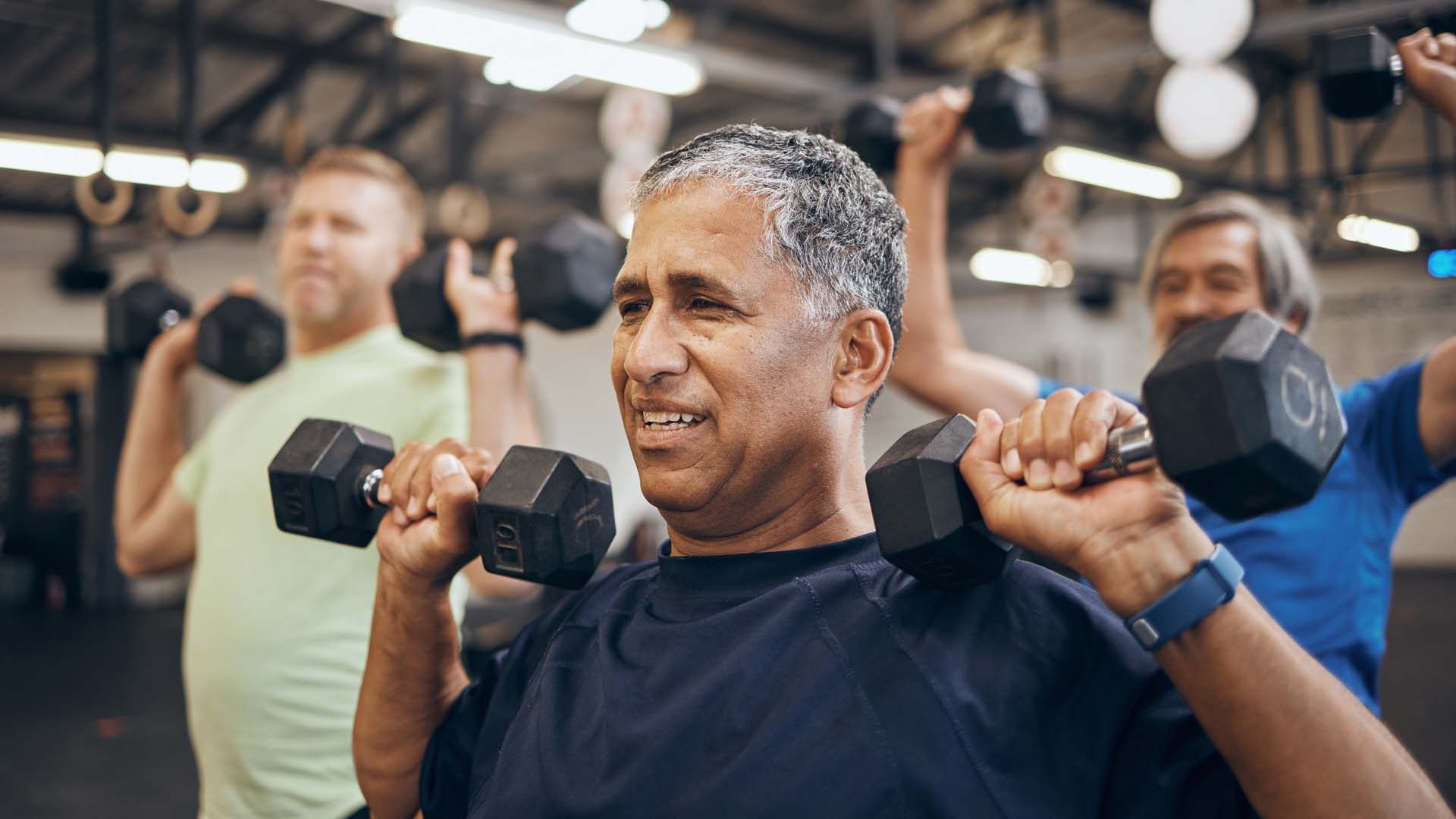
These simple new year fitness tips will help you get more active in no time now that Christmas is over.
As the decorations are put away for another year and the final Christmas chocolates and biscuits are eaten (or thrown away), many of us are vowing to get more fit and active for 2026.
But due to the festivities and spending a lot of time on the sofa watching TV and drinking and eating, we may not be at our best as we enter the new year. But thankfully we have spoken to a team of experts who can help improve our fitness no matter what our age with some simple tips that could also help us beat those January blues. And they don’t include joining a gym or trying to find a spot in your favourite class.
Whether it going for a walk with friends, using household items as your weights or fuelling your fitness with food, Dr Kim Boyd, WeightWatchers’ chief medical officer, personal trainer Louise Arnold, and Dr Nichola Conlon – the medical expert on Katherine Ryan’s podcast What’s My Age Again? – tell us how to get off the sofa and get active again.
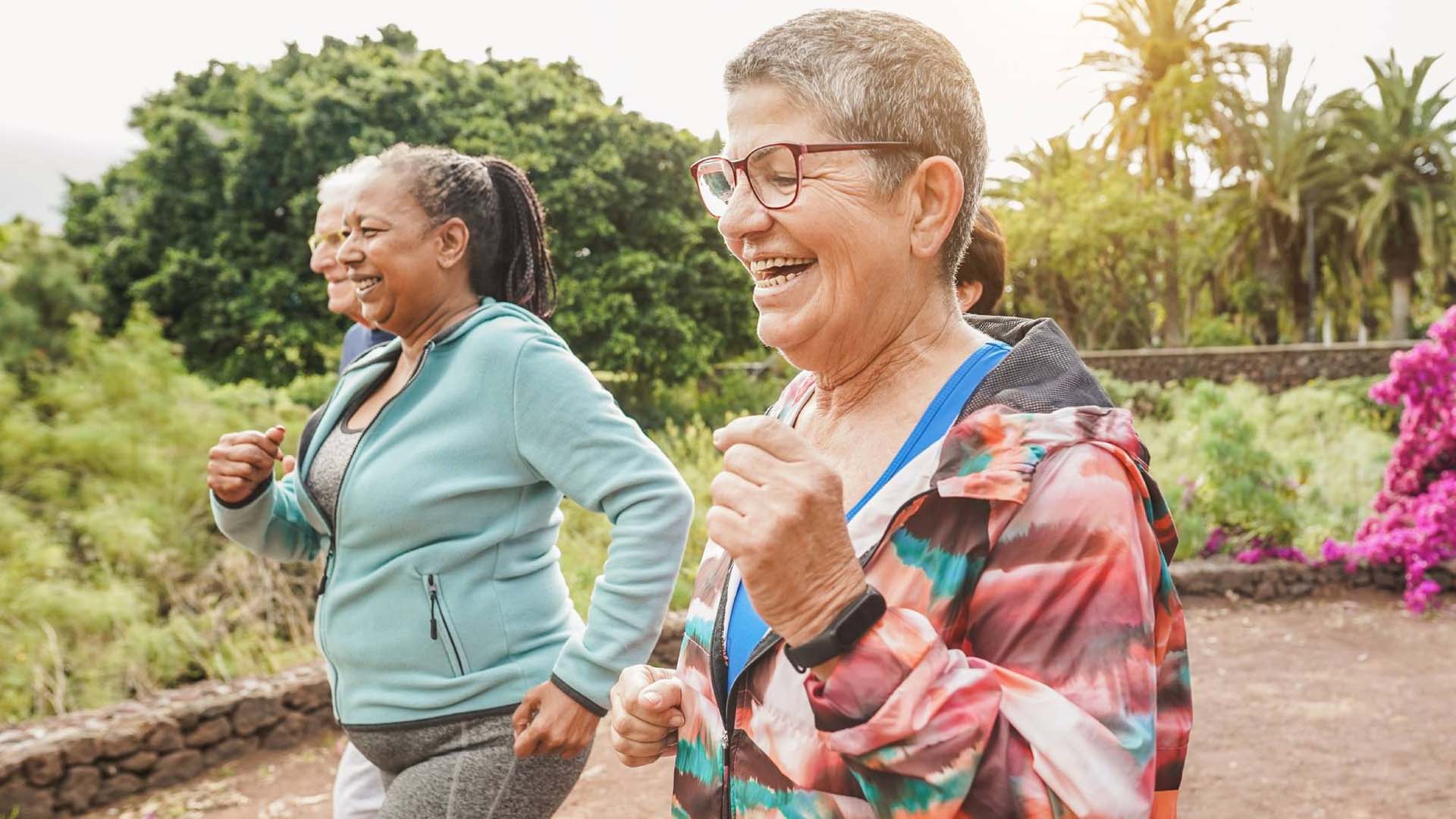
It may sound obvious but just heading out for a quick walk has both mental and physical benefits and it’s the easiest exercise to increase the intensity or frequency of as you become fitter.
“Never underestimate the power of walking and what it can do for you,” Arnold says. “If you are feeling unfit after the festivities or are nervous about exercising, then walking is the ideal activity. You can build up how much you do and it’s easy to start by just a quick walk around the block or park. And it’s something you can do with friends, family and partners and make it something social.
“Walking is the best exercise anyone can do for joint protection as it helps keep up your overall fitness without putting too much pressure the joints, especially the knees. It also gets you some much needed fresh air and headspace.
"We probably don’t need to tell you the benefits of being outside in nature and that all important vitamin D from the sun, when it makes an appearance!”

The UK Chief Medical Officer recommends 10,000 steps a day for adults or 7,000 for adults older than 60. A recent Lancet study showed that adult populations who did at least 7,000 steps a day reduced the risk of cardiovascular disease (down 25%), cancer (down 6%), dementia (down 38%) and depression (down 22%).
Dr Boyd also advises a quick walk after your evening meal, if you can, as just a couple of minutes can have a big impact on health and fitness levels.
“A short walk after dinner is one of the simplest, most effective habits you can build to support your health,” she says. “Even just 2-5 minutes of gentle movement after a meal can help steady your blood sugar, because your muscles start using some of the glucose from your food straight away.
“A few minutes of movement after eating gives your body a head start, helping to keep blood sugar steadier and supporting overall health in an easy, sustainable way.”
However, it is admittedly harder to go outside later in the day during the winter months, so a walk after lunch will also suffice if you don’t fancy going out in the dark.
We've got all the advice and information you need on how to start walking and create a healthy new habit.
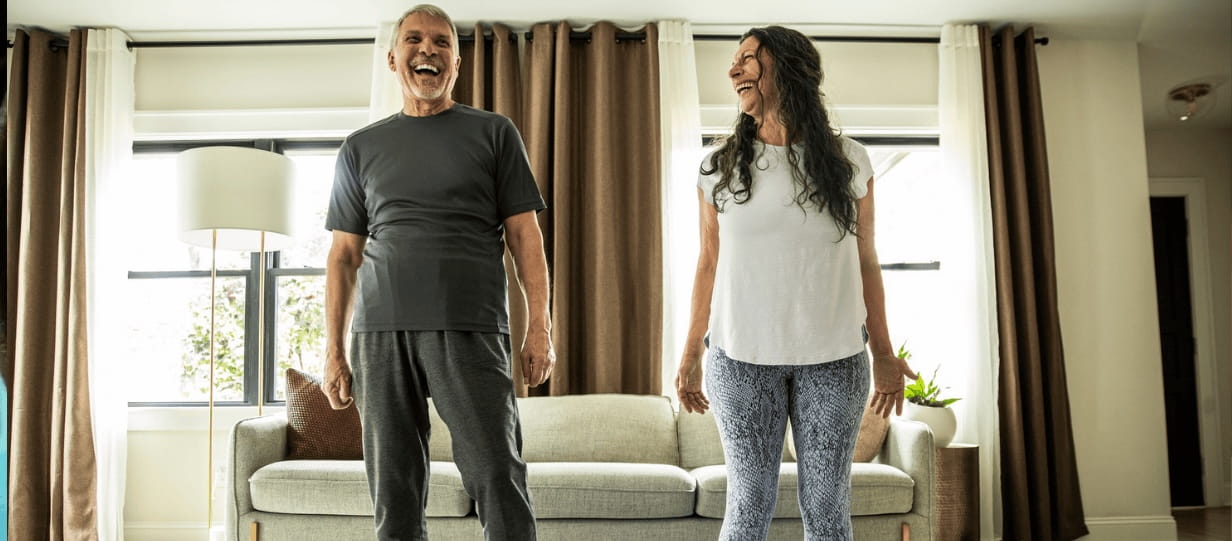
If you don’t fancy getting wet or cold or want the expense of joining a gym, you can easily get fit in the comfort of your own home.
Arnold says, “Our bodies change over the years but it’s still so important to keep as fit as you can and it doesn’t have to be hard work or expensive, though of course we may have to adapt exercises a little bit. These are some simple exercises that are great to get stared with – by doing them three times a week you will soon start to feel the difference and they can be done from anywhere.
“The one exercise I always recommend, is the squat, especially as people get older,” Arnold says. “It has so many benefits and is so good for keeping your body ‘younger’. And what’s more, it’s very easy to do, you don’t need to go to a gym and you can make small changes to progress over time.
“I always advise using the edge of a table to hold on to when first doing squats to help keep your balance as you get used to it,” Arnold explains. “Start off slowly, making sure your weight is in your heels, gently push your knees out on the way down and squeeze your bum on the way up and try for 10 squats.
“And as you progress, you can add weights, which can be full water bottles or tins of food from your cupboard, just make sure they are of even weight.”

Press-ups are among the best exercises to strengthen the upper body, as well as strengthening the muscles of your chest, shoulders, arms and core, and getting fitter.
“Press-ups are a classic body weight exercise and especially as we get older, they help maintain upper-body muscle mass, which naturally declines with age,” Arnold says. “They can be easily adapted – from press-ups on a wall, to the worktop, to on your knees and the ultimate goal, the full-floor variation – making them suitable for all fitness levels.
“I would start with press-ups standing in front of a wall and then when you feel confident enough, carefully take the movement down lower and lower, gradually getting closer to the floor.”
She also suggests lunges and standing ab work, while if you fancy some cardio but don’t want to go out running or have your own treadmill, jumping jacks are a great calorie burner.
Walking or running up the stairs is also very effective.
Try our simple 15-minute beginner strength training routine at home. You won't need any special equipment.
If you’ve over-indulged at Christmas it’s always very tempting to try and over-compensate by doing extra exercise or being very strict with your diet, However, our experts say it’s all about moderation as anything else could actually have a negative impact.
“When it comes to exercise, we all know it’s good for us, but it’s good in moderation,” says Dr Conlon.
“I think that’s the key thing to mention as we know that if people suddenly go off and start doing crazy triathlons and decide they’re going to go from nothing and go and run a marathon, it can actually have a negative effect. It can be a bit pro-inflammatory because it’s a bit too much stress on the body. So, it’s really about the balance. It’s not too little and it’s not too much.
“And it’s different with men and women, especially as men and women get older. For older women I would say strength training is very important and bodyweight exercises while men can do more endurance work.
“We know from studies that in women who do too much exercise, their oestrogen levels go down. And we know for women, oestrogen is incredibly protective. So if you’re doing too much exercise and it affects your hormones and your oestrogen goes down, it really does cause inflammation in the body and that’s on top of the stress that you’re putting it under with intense exercise.”
When it comes to eating, it’s important to have regular meals and avoid the snacks (even if you’ve still got some left over from Christmas) as this will help you feel healthier and give you more energy to exercise.
“Regular meals help keep blood sugar stable, support hormones, and maintain your metabolism,” Dr Boyd explains. “When we skip meals, we tend to overeat later in the day or gravitate toward high-sugar snacks.
“A balanced plate including protein, healthy fats, colourful veg and wholegrains will help you feel fuller for longer. This also helps improve your energy levels meaning you’re more likely to want to exercise.”
But all our experts agree that the main thing to remember is that you shouldn’t feel bad about over-indulging over Christmas. Just a few weeks of sensible eating and exercise can get your back on track and feeling much healthier and fitter.
(Hero image credit: Getty)

Some Saga holidays include soothing or spiritual activities like joining a traditional tea ceremony in Japan, practising yoga in India or bathing in Iceland’s Blue Lagoon.

Buy direct and start a new Saga Health Insurance policy by the end of 10 December 2026 to get your first 3 months free. T&Cs apply.
Underwritten by Bupa Insurance Limited.

We examine the science and how to best look after our brain as we get older.

Want to start winter mornings feeling energised? Follow these five simple tips.

Expert nutritionists break down the most important foods to eat in each decade as we get older.

Your neighbourhood pharmacist now offers a surprising number of services.


10 simple alternative items that can have a big effect on your health – without depriving you.
New measures for GP appointments are in the headlines, but what effect will they have for you when it comes to getting to see a doctor?

Everything you need to know about the lung infection, and how you could be ill with “walking” pneumonia without realising it.