Easy food swaps to boost your health in 2026
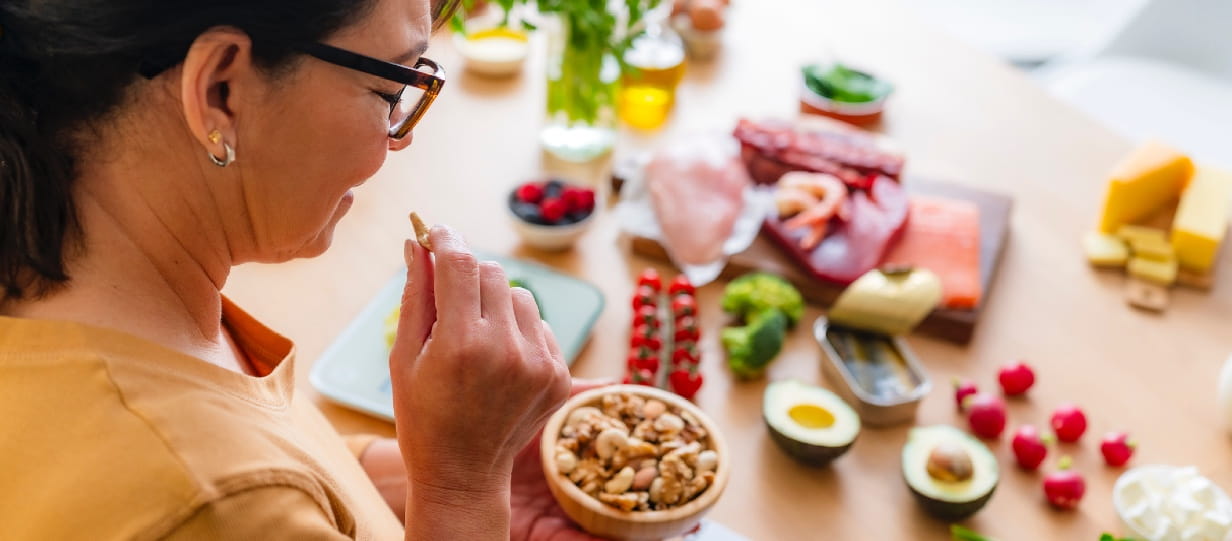
10 simple alternative items that can have a big effect on your health – without leaving you hungry or sacrificing taste.
10 simple alternative items that can have a big effect on your health – without leaving you hungry or sacrificing taste.
Smart food swapping can improve our vitality levels more effectively than any fad diet this new year, according to nutritionists.
January is dreary enough without depressing diets depriving us of the foods that bring us comfort and joy. But alas, a Christmas well spent can often leave us feeling sluggish and in need of an energising health boost.
This is where a few simple food swaps can step in, and help to kickstart your 2026 with cheer for a nourishing year ahead. And they won’t leave you feeling hungry. Nobody wants that.
Nutritionist and author Clementine Pellew-Harvey says: “Food swaps are a straightforward, sustainable way to improve your health and are much easier than restrictive fad diets.
“Swapping in more nourishing alternatives – rather than cutting foods out entirely – makes healthy eating feel doable and less overwhelming. It’s about small, positive changes that you can actually stick with in everyday life. And they’ll help you to feel fuller for longer, support immunity, and may help with gentle weight management.”
Public health nutritionist Summra Nasir says the key to success with food swaps is to start by building a healthy, realistic relationship with our diet.
“We are allowed everything in moderation,” she says. “If we follow the 80/20 rule, where 80% of the time we ‘swap in’ a predominantly plant-based diet of fruit and vegetables, wholegrains, lean protein and good fats, we will be in good health.
“The other 20% of the time, we can enjoy some of our favourite treats.”
According to research compiled from 37 dietary health studies, switching from dairy and processed meat to plant-based foods can significantly reduce our risk of coronary heart disease and type 2 diabetes.
Even if we don’t swap out these food groups entirely, regularly opting for alternatives could reap major health benefits. And there are plenty of other daily dietary swaps that are easier and tastier than you might think.

“Try oatcakes with any nut butter or fruit, for plenty of fibre and slow-release energy,” advises Pellew-Harvey.
Medjool dates, in particular, can satisfy our sweet cravings without the harmful, refined sugars in biscuits, adds Nasir.
Crisps can raise our cholesterol levels over time, with their high saturated fat and salt content.
“Replacing a packet of crisps with a similar-sized serving of roasted chickpeas or popcorn (making sure it isn’t laden with salt and sugar) adds protein and fibre, and is far more satisfying as a snack,” says Pellew-Harvey.
“Lower in sugar, dark chocolate is also higher in polyphenols and antioxidants, which help support healthy ageing and reduce oxidative stress,” explains Nasir.
“It’s also linked to supporting good heart, gut and brain health and is known to release the feelgood hormone serotonin.”
Swap out those sugary cereals for longer-lasting energy and a healthy heart boost with an oat-based breakfast, says Nasir.
“Oats are packed full of beta-glucan, a starch that helps slow the release of sugar and keeps you feeling fuller for longer.”
Since they offer a 'meaty' texture, even ardent bacon fans will be swayed by the myriad health benefits of mushrooms. Fuelling the immune system and cognitive function, they also support a healthy gut microbiome.
Smoked salmon is another worthy bacon replacement, believes Nasir: “It’s high in omega-3 (DHA and EPA), which support heart and brain health, and you’ll be cutting your saturated fat intake too.”

As tempting as it is to fill our lunchtime sandwiches with slices of pre-packed ham, this processed meat is often high in salt, and the World Health Organisation has classified it a “Group 1 carcinogen” due to its links to bowel cancer.
Pellew-Harvey says that roast chicken or turkey is an excellent substitute due to its protein punch, and absence of additives and preservatives.
For mashed potato fans, it’s easy to swap this for a comforting mix of carrot, celeriac and sweet potatoes, and you’ll thank yourself for avoiding that white carbohydrate sugar spike and subsequent energy slump.
“Root vegetables are packed full of all-round nutrients and are rich in fibre,” explains Pellew-Harvey. “And they deliver a more stable blood-sugar balance than white potatoes.”
Good hydration is essential for joint lubrication, energy, cognitive function, transporting nutrients, and preventing constipation, headaches and kidney stones. Sadly, fizzy drinks just don’t cut it in the hydration stakes.
That thirst-quenching feeling is an illusion, as the high caffeine, sugar or sweetener content can have a diuretic effect. Far better to stick to squash or flavoured water, if you’re not a fan of natural H20.
“These options are far more hydrating than any fizzy drink, and they contain far less sugar and/or sweeteners,” says Nasir.
While it’s hard to imagine our morning toast without that melting layer of best butter, it could be worth considering a drizzle of olive or avocado oil instead.
A study found that swapping butter for plant oil could even reduce the risk of premature death by up to 17%. And Nasir says it’s a particularly good food swap for heart health, due to its high concentration of monounsaturated fats.
Some gastronomists recommend toasting bread in a pan with a small glug of plant oil, and bakers often substitute olive oil for butter.
Cottage cheese, ricotta, mozzarella and feta all fall into the 'lower in saturated fat' category, while still providing calcium, protein and vitamins. What’s more, some soft cheeses contain less salt than cheddar, with cottage cheese being the lowest.
Nasir says: “Swapping cheddar for softer cheeses means less saturated fat, and a lower risk of heart disease and high cholesterol.”

We’ve all formed firm food habits and tastes over the decades, but it’s possible to make a shift with a little time and effort, says Pellew-Harvey.
“Food swaps can feel strange at first, but with a little consistency our taste buds will adjust and the new habits will stick,” she advises. “Start with one swap at a time and build from there. It'll get easier as your routine starts to change.”
Nasir agrees: “Habits usually take two to five months to become automatic, so patience and persistence are key when it comes to everyday lifestyle changes, like food choices.”
Inevitably, there will be some snacks, staples and treats that might feel impossible to substitute.
“The toughest swaps are usually foods tied to comfort or convenience, like biscuits with tea or ham sandwiches at lunch,” says Pellew-Harvey. “My advice is to make your new swaps as appealing as possible by prepping ahead. And remember, it’s about progress not perfection.”
Nasir has found that her clients struggle the most with foods that offer a quick dopamine hit, such as chocolate, and fizzy drinks that come with a sugar rush. “The problem is that the after-effects manifest in energy crashes and low mood, so it’s motivating to remind ourselves of this,” she says.
If you’re in need of some ideas to get you started, our nutritionists have shared their favourite meal swaps.
Nasir swaps lentils for mincemeat as they are far lower in saturated fats and provide plenty of plant protein.
She recommends swapping a cheesy jacket potato for a baked sweet potato with cottage cheese for more fibre and protein.
Instead of a bowl of sweetened breakfast cereal, Nasir opts for porridge with a nourishing topping, for slow-release energy and gut-friendly bacteria.
Pellew-Harvey chooses lentils and mushrooms instead of beef mince, topped with sweet potato mash.
Her top tip for breakfast is to soak oats overnight in plant milk, and add grated apple, cinnamon and walnuts to provide the crunch and sweetness of a breakfast cereal.
By simply roasting with olive oil and spices, Pellew-Harvey says that chickpeas are the perfect swap for salty crisps.
(Hero image credit: Getty)


Some Saga holidays include soothing or spiritual activities like joining a traditional tea ceremony in Japan, practising yoga in India or bathing in Iceland’s Blue Lagoon.

Buy direct and start a new Saga Health Insurance policy by the end of 10 December 2026 to get your first 3 months free. T&Cs apply.
Underwritten by Bupa Insurance Limited.

Expert nutritionists break down the most important foods to eat in each decade as we get older.

We reveal the 7 best tinned foods to supercharge your health while saving you time and money.
From ketchup to mayo – how healthy are your sauces? We find out the pitfalls and surprising benefits of our favourite condiments.

Could honey be the sweetest way to supercharge your health this year? Our experts explain the benefits and which to buy.
Our expert guide to the common foods you shouldn't mix with prescription drugs.

Experts reveal whether chilled supermarket soups are worth the extra cost and if some flavours are better for you than others.
Looking after your gut health could be one of the biggest things that you can do for your overall health. Here are the best foods to keep your gut happy.
The foods that could help you live longer and protect against chronic illness.


A dietician reveals which foods can help protect vision and prevent age-related eye conditions.
Everything you need to know about protein, from how it benefits your body to the best high-protein foods – and how much you really need.