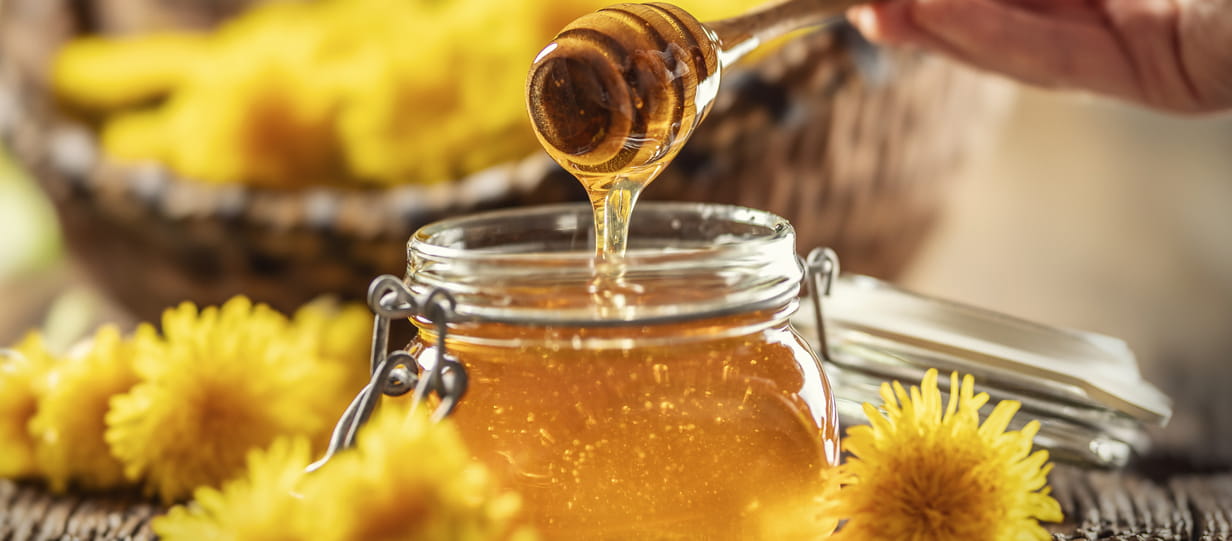
Winnie the Pooh may have been onto something. And so might historic honey fans such as the ancient Egyptians and Greeks, who hailed the sweet syrup as the food of the gods.
Science shows that many of our honey jars today are packed with bioactive ingredients with antioxidant and antibacterial properties.
But do certain honey types pack a bigger health punch alongside their sweet kick? And with the price of manuka honey soaring, what makes it so special?
Around 65 tonnes of the sweet stuff is drizzled on porridge, spread on toast and stirred into hot drinks in the UK each year, so we spoke to a honey expert and a top nutritionist to discover just what it means for our health.
Our clever bee friends collect nectar from flowering plants, which mixes with the insects’ natural enzymes before it’s deposited in the hive and stored as honeycomb for the winter months. The bees fan the nectar with their wings to remove any moisture, resulting in our beloved honey.
Nutritionist, writer and broadcaster Amanda Ursell explains the science behind bees’ honey-making, and its associated health benefits: “Bees not only collect flower nectar but plant secretions, and excretions of plant-sucking insects. This helps to explain the wide range of enzymes, organic acids, vitamins, minerals and phenolic compounds (plant chemicals) that end up in the honey they make.
“This combination provides an array of anti-inflammatory, antioxidant and antimicrobial properties to help protect plants, for example, from harmful pathogens and ultraviolet radiation. There is a growing body of scientific evidence to suggest that these bioactive compounds can impact human health as well.”

Co-founder of the Honey Guild Helen Rogers believes so: “All sugars should be consumed in moderation, but honey is denser and sweeter so less needs to be used.”
Honey has a slightly lower glycaemic index rating, too (58 rather than sugar’s 60), and so the sugar spike is slower. It also contains many vitamins and minerals that are absent in refined sugar: zinc, magnesium and vitamin C to name a few.
Ursell adds: “A teaspoon of sugar weighs 4g and provides 16 calories, versus a teaspoon of honey, which weighs 7g and provides 21 calories. If doing a straight swap on a bowl of porridge, for example, you may prefer the lower-calorie sugar option. However, with honey’s plethora of ‘added value’ phenolic compounds, I’d personally opt for the latter.”
The powerful antioxidant properties of polyphenols (plant compounds) found in honey can help to dampen inflammation, reduce oxidative stress and lower cholesterol levels, according to a study on its cardio-protective effects.
And further research on honey’s impact on blood pressure found a lower risk in post-menopausal women who consumed around 3 teaspoons of honey a day.
Is there any truth behind the soothing properties of honey on our common winter ailments? “Several studies on adults and children have linked consuming honey with significant reductions in night coughing, as well as a reduction in combined symptoms scores of upper respiratory tract infections,” says Ursell.
“Researchers suggest that this may in part be down to its ability to increase saliva in the mouth and mucus in the respiratory tract, while soothing irritation in the throat and upper airway.”
A further review by Oxford University noted that honey (either alone or stirred into hot drinks) can reduce the regularity and severity of coughs and colds, along with how long they linger, when compared to pharmaceutical remedies such as cough syrups and antihistamines.
One study illustrated how honey application can speed up the healing process due to its anti-bacterial qualities and high sugar content, which can help to dry out wounds. This might explain why honey is traditionally used in Chinese medicine as a topical treatment for mild burns and sores.
Ursell says that the science speaks volumes: “The potential bacteria-fighting properties of honey is one of the most scientifically investigated areas in honey research, with academics identifying that hydrogen peroxide plays a particular role in healing.”

The array of honey jars on offer when we do our weekly shop can be dizzying, with more than 50 varieties to choose from on some supermarket websites.
Ursell explains how the differences between honey types are often complex: “The composition of all honey reflects the complicated relationship between the honeybee, hive and environment, affecting everything from levels of sugars, vitamins and phenolic compounds to chemical pollutants and bacterial/yeast cells.”
So, how do we know which honey is best for us?
Featured in countless health campaigns and “superfoods” lists, manuka honey rose to fame in the 1990s after New Zealand biochemist Dr Peter Molan published his findings on its medicinal properties, particularly its antibacterial abilities. The subsequent global wellness boom propelled manuka into the “functional food” mainstream with its very own grading system relating to its antimicrobial strength.
The manuka plant itself had already been valued for centuries by Maori cultures as a cure for countless ailments, but some New Zealand farmers later viewed it as nothing more than a pesky weed! Times have certainly changed – a jar of manuka honey on Harrods’ website was recently described as being of “such a high level of quality that it’s only able to be cultivated once in a generation”, and priced at a cool £1,800.
Rogers says: “The high price and publicity associated with manuka is down to its short flowering season, intense production in remote parts of New Zealand, and limited supply. Plus, some very powerful and successful marketing!
“The higher the concentration of the active compound methylglyoxal (MGO), the stronger the antimicrobial effects and the higher the price.”
The manuka grading system indicates the amount of milligrams per kilogram of methylglyoxal within that batch of honey. So, MGO 100+ means 100mg per 1kg of methylglyoxal, and so on.
However, the surge in demand for the unique antimicrobial qualities of MGO has led to claims of adulteration. Up to half the manuka honey on our shop shelves may not be genuine, warns Ursell.
But no matter the MGO grading of your manuka, it’s important to note that high temperatures can reduce the antibacterial potency of manuka by breaking down its active compounds. If you’re making a honey drink, just be sure to use warm – not boiling – water.
Authentic manuka honey from accredited sources should always include the following on the label:
Some also include:
When deciding which MGO grading to opt for, and ultimately how much to spend, Ursell advises: “Only spend what you can afford. While the antimicrobial properties of a higher MGO manuka honey are revered – when properly assessed and accredited – you may still find potential benefits in a lower MGO (and much lower-priced) jar.”
Manuka honey with an MGO between 30 and 150 is considered “lower”, and can provide everyday wellness and immune support. These purse-friendly options can also aid digestion and deliver a range of antioxidant benefits.
High MGO starts at 300+, and its increased antibacterial potency points towards stronger medicinal qualities, in terms of soothing coughs and sore throats, and helping to fight infection when applied to wounds. But this comes with higher price tags – some jars can set you back more than £100.
Reputable, affordable brands to look out for in the supermarket are Rowse, Hilltop and Manuka Doctor, all of which offer low to mid-range MGO manuka for under £20 a jar, with many under £10.

Often labelled as “unpasteurised”, raw honey holds onto the nutrients, enzymes and pollen that are often lost in the processing of mass-produced, budget-friendly honeys on the supermarket shelves.
Ursell explains: “Raw honey comes straight from the honeycomb and is only filtered to remove physical debris like grit, while most commercial honey is filtered and pasteurised.”
Rogers adds: “The high heat involved in this pasteurisation process limits some of the health benefits of honey. In addition, it’s difficult to know if a honey has been pasteurised, as there are no labelling requirements to indicate this. So, ideally, raw honey should be purchased directly from a beekeeper when possible.”
It’s still possible to harness the health benefits of the cheaper honey brands in the shops by looking out for darker honey varieties. They tend to be higher in antioxidants and trace minerals – such as calcium, iron and magnesium – than the lighter offerings.
Always check the label, and avoid “honey blends” and lots of added ingredients, such as glucose or corn syrup. Also, when buying a low-cost jar, aim for a single-origin honey for maximum purity.
Heather, acacia, lime and orange blossom are all examples of honey varieties from a single plant source, whereas “wildflower” refers to honey made from the nectar of many different flowers, according to seasons and regions.
Rogers says: “Wildflower honey indicates that the nectar source is native flora, in contrast to crops planted specifically for harvesting or soil enrichment.
“Most monofloral honeys have a specific therapeutic benefit deriving from the plant compounds concentrated in the honey. Heather honey has a high content of polyphenols, and some studies show that it can contain significantly more manganese than other honeys – a mineral vital for enzyme function, bone health and metabolism.”
Ursell says that researchers have found effective antibacterial qualities in wildflower honey, specifically blossom varieties: “A study in 2019 linked blossom honeys to particularly high hydrogen peroxide content and antibacterial efficacy,” she explains.
And the good news is that many brands of both monofloral and wildflower honey are quite affordable. Good examples are Sainsbury’s British Wildflower Honey at £4.95 a jar, Waitrose No.1 Scottish Heather Honey at £5, and Holland & Barrett Orange Blossom Honey at £4.50.
Ursell recommends a warm lemon and honey drink for the colder months: “Adjust to your taste, but add the juice from about half a lemon to approximately 2 teaspoons of honey in a mug. Pour on boiled water (but slightly cooled), and ‘brew’.
“The British Beekeepers Association’s (BBKA) whipped feta and honey is great as a dip, spread on crostini, with a baked potato or grilled chicken.
“And the BBKA’s tahini drop honey and chocolate cookies – while being a sweet treat – provide added nutrients such as calcium and protein, plus antioxidants.”
Rogers has these top tips for delicious ways to enjoy honey: “It can be substituted for part of the sugar content in many traditional recipes, but overheating has to be avoided as it can affect the flavour and nutritional properties. Honey is at its best when you can detect the aroma and subtle complex flavours.
“To include it on a cheeseboard is a game changer. Look out for some beautiful British monofloral honeys, such as lime with its herbal citrussy notes and hints of mint.
“Scones with clotted cream and honey instead of jam is a real favourite of ours. I can highly recommend a soft-set oilseed rape honey for this.
“Remember: there is a honey for everybody. Even those who think they don’t like honey!”
[Hero image credit: Getty Images]

Find out about Saga's gastronomy holidays here...
They say the way to the heart is through the stomach, and Saga’s thoughtfully crafted food and wine holidays are perfect if you like trying new flavours and exploring traditional methods of cooking.

Buy direct and start a new Saga Health Insurance policy by the end of 10 December 2026 to get your first 3 months free. T&Cs apply.
Underwritten by Bupa Insurance Limited.

Expert nutritionists break down the most important foods to eat in each decade as we get older.

We reveal the 7 best tinned foods to supercharge your health while saving you time and money.
From ketchup to mayo – how healthy are your sauces? We find out the pitfalls and surprising benefits of our favourite condiments.

Could honey be the sweetest way to supercharge your health this year? Our experts explain the benefits and which to buy.
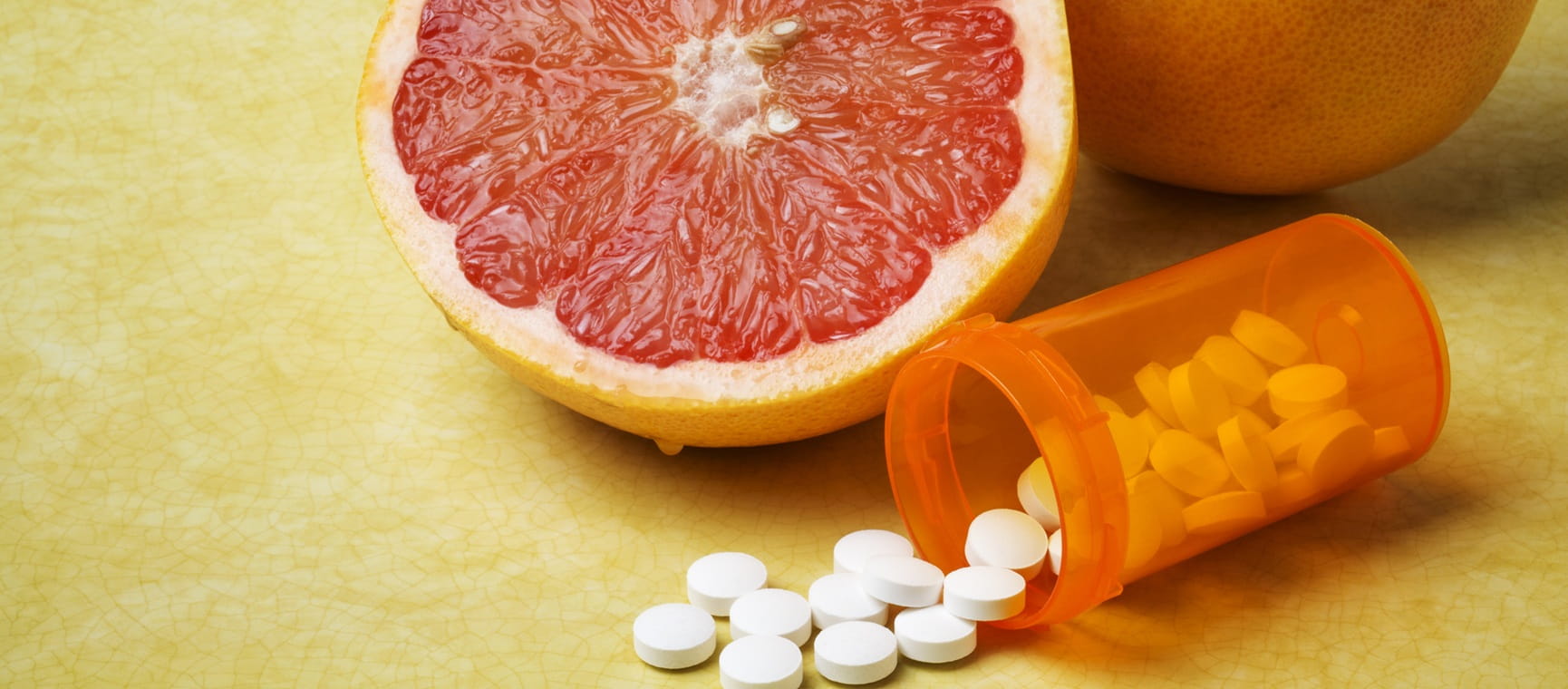
Our expert guide to the common foods you shouldn't mix with prescription drugs.

Experts reveal whether chilled supermarket soups are worth the extra cost and if some flavours are better for you than others.
Looking after your gut health could be one of the biggest things that you can do for your overall health. Here are the best foods to keep your gut happy.
The foods that could help you live longer and protect against chronic illness.


A dietician reveals which foods can help protect vision and prevent age-related eye conditions.
Everything you need to know about protein, from how it benefits your body to the best high-protein foods – and how much you really need.