The 7 best foods to eat when you have a cold
From vitamin-rich fruit and veg to protein, wholegrains and plenty of fluids, experts explain what to eat and drink when you have a cold.
A streaming nose, scratchy throat and that washed-out feeling can make even a mild cold thoroughly miserable, so it’s no wonder we want to do whatever we can to feel better faster.
While there’s no miracle food that will make a cold disappear, what you eat and drink can help support your body while you recover.
Dr Jenna Macciochi is an immunologist who specialises in understanding how nutrition interacts with the immune system.
She says: “Proper nutrition plays a vital role in supporting the immune system and can help prevent illnesses like the common cold.”
There isn’t one food that will cure a cold, but eating a varied, nutritious diet and drinking plenty of fluids can help support your body while you recover.
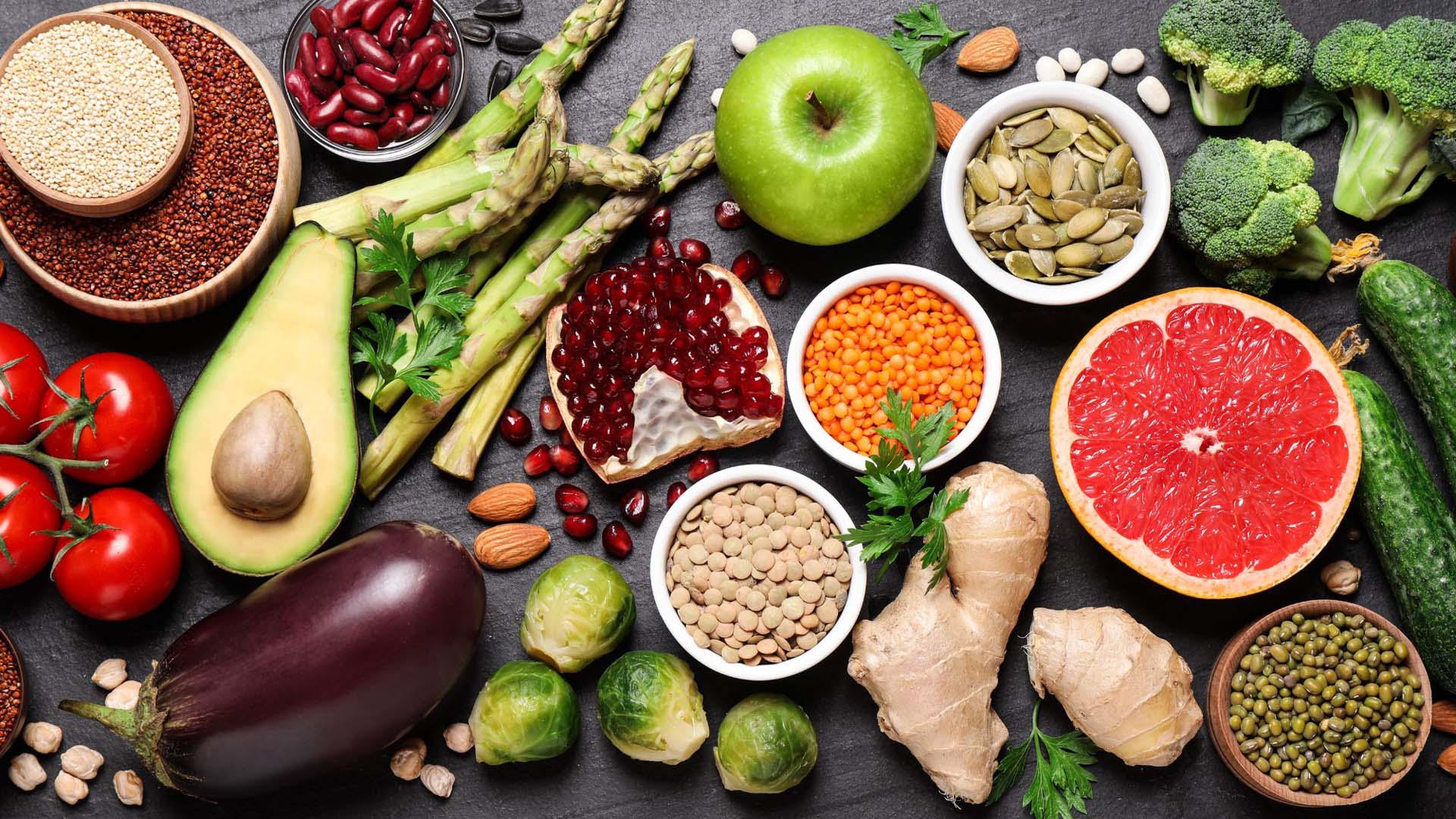
Good choices include fruit and vegetables, wholegrain carbohydrates, protein-rich foods such as fish, eggs, beans and lentils, and foods containing vitamins C and D and zinc.
Drinks that can be helpful include herbal teas and sugar-free kombucha. And if you are partial to a bit of dark chocolate, the good news is that it’s also an immune-system-friendly choice.
Variety is key and there are certain nutrients and types of foods that can help your body recover.
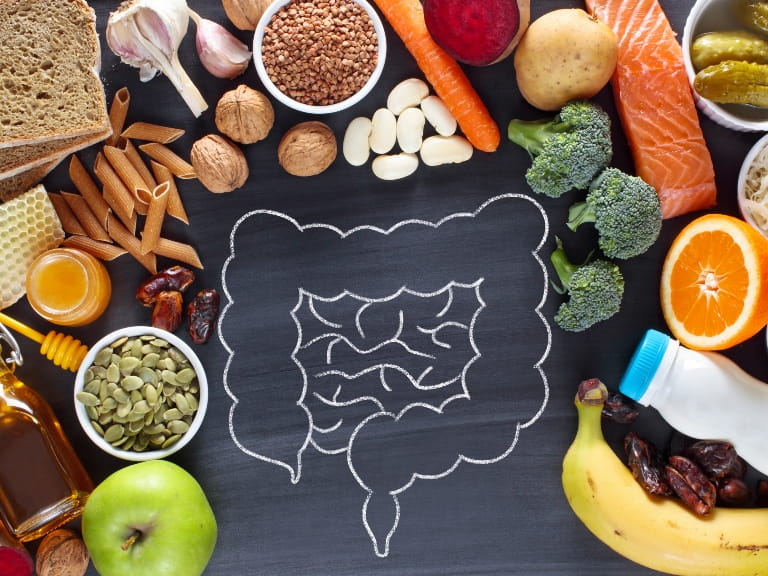
“70% of your immune system is in your gut,” says Dr Linia Patel, a registered dietitian and spokesperson for the British Dietetic Association, “so having good gut health is a fundamental basis for good immunity.”
So how can we achieve that?
“Your gut’s favourite food is fibre,” explains Dr Patel. “It has a ‘prebiotic’ effect by feeding your ‘beneficial’ gut bacteria, therefore enriching your gut microbiome [the trillions of microorganisms that live in your digestive tract].”
Current government guidelines say we need to increase our dietary fibre intake to 30g (1oz) per day – most UK adults are eating only around 20g per day.
Fibre can be found in wholegrain varieties of starchy carbohydrates like oats, whole-wheat bread, brown rice and quinoa, as well as in pulses such as lentils and beans, and fruits and vegetables including strawberries, kiwis, carrots, broccoli, and even dark chocolate.
Wholegrain carbohydrates not only help stimulate immunity through your gut, they power your immune cells too – double whammy!
Both Dr Macciochi and Dr Patel point out that carbohydrates provide glucose, which is a source of energy that fuels immune responses.
Again, opting for wholegrain varieties rather than refined grains is best, as these are packed with health-promoting nutrients.
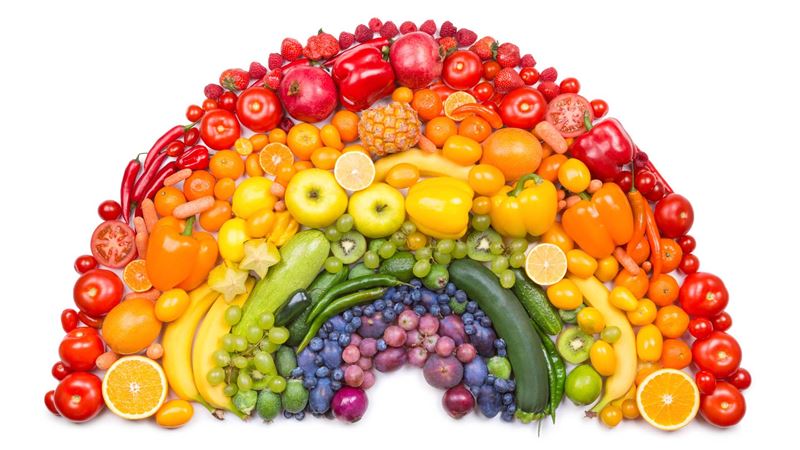
Picture a plate filled with colours of the rainbow in the form of foods like carrots, tomatoes, spinach, blueberries, oranges and cabbage. This isn’t just eye-catching and enticing, it goes a long way in protecting your health.
This is thanks to the phytonutrients (natural compounds found in plants) that give plants their rich colours. There are thousands of different phytonutrients and the most common are carotenoids, ellagic acid, resveratrol, flavonoids, phytoestrogens and glucosinolates.
Carotenoids are particularly beneficial, as they can be converted into vitamin A, which can enhance immune function and protect against multiple infectious diseases.
Phytonutrients also help our gut bacteria to thrive and further promote a healthy immune system. Including a variety of different plant foods, such as fruits and vegetables, in your diet can contribute to diverse gut bacteria. And a more diverse gut microbiome is considered a healthier one.
When it comes to varying your diet, Dr Patel has some advice: “If you’re always buying apples, mix it up by buying different types of apples. Even better, buy other foods like pears and oranges as well.”
While research is limited, a review of studies has shown that vitamins C and zinc can positively influence how the common cold affects you.
Foods high in vitamin C include oranges, strawberries, parsnips, broccoli and peppers.
Good food sources of zinc are nuts and seeds like pumpkin or sesame seeds and cashew or pine nuts.
The review noted that regular supplementation (1-2g a day) of vitamin C may reduce the duration of a cold by 8% in adults, as well as the severity.
Meanwhile, the same review showed that zinc supplementation may shorten the duration of colds by around 33% and vitamin D supplements can help to protect against the common cold.
“Vitamin D particularly supports a group of immune cells called killer T-cells,” says Dr Patel. “It prevents the spread and movement of foreign microorganisms throughout the body and modulates upper respiratory (nose, throat, pharynx and larynx) health.”
There might be occasions when supplementation is necessary. The NHS recommends that older people take vitamin D supplements every day.
You can also get vitamin D from foods like salmon, sardines, tuna and some varieties of mushroom that have been left exposed to sunlight.
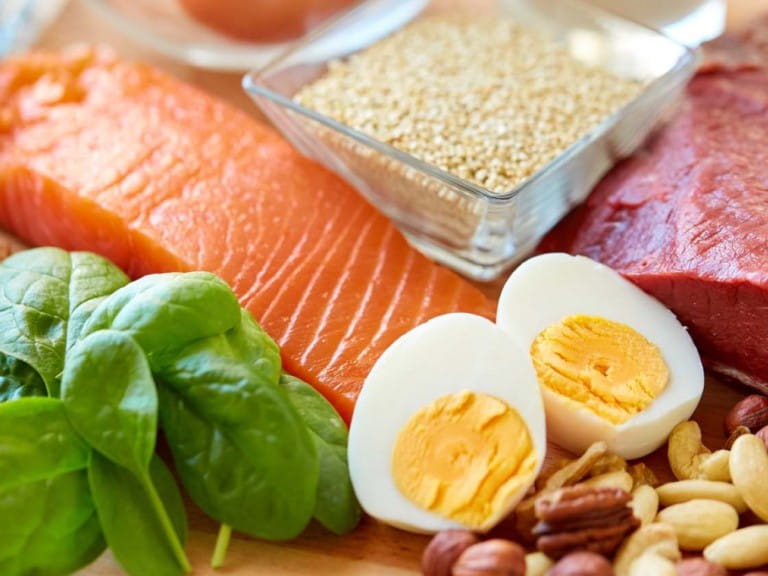
Protein supports muscle growth and also aids our immune system. Dr Macciochi says: “Proteins provide the building blocks for new immune cells and infection-fighting antibodies.”
Animal proteins include meat, fish, eggs, milk, yogurt and cheese.
Plant-based sources of protein include beans, lentils, pulses, tofu and nuts and seeds.
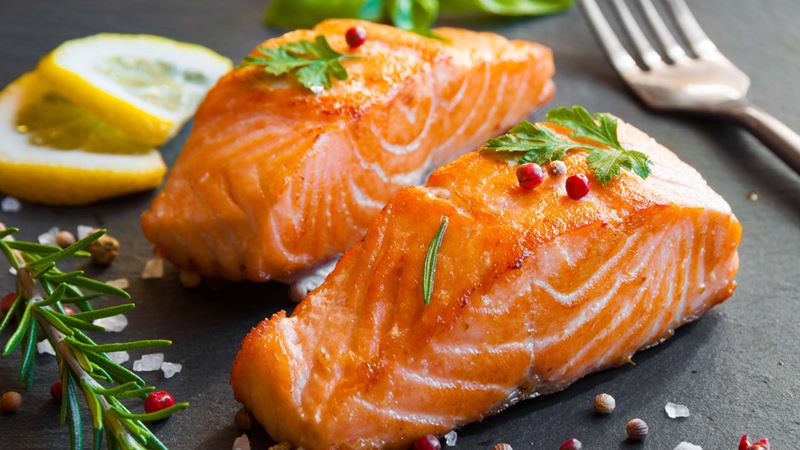
Not all fats are bad for you. In fact, Dr Macciochi says: “Omega 3 fats, sometimes called ‘good’ fats, are incorporated into the membranes of immune cells, which supplies raw materials for immune molecules to resolve inflammation that can occur after an infection.”
Omega 3 fatty acids are found in oily fish like salmon, sardines, trout and mackerel. However, there are Omega 3 alternatives if you don’t eat fish.
According to the NHS, we should aim for at least two portions of fish a week, one of which should be oily. However, most of us aren’t reaching this and are likely short in these essential fats.
What you’re drinking is also important for staying healthy. Dr Patel explains that staying hydrated helps your immune cells to function.
Current UK guidelines recommend that adults aim for six to eight glasses of fluids per day – roughly 1.2 litres or 2.1 pints, which equates to six 200ml (7 fl oz) glasses or eight 150ml (5 fl oz) glasses.
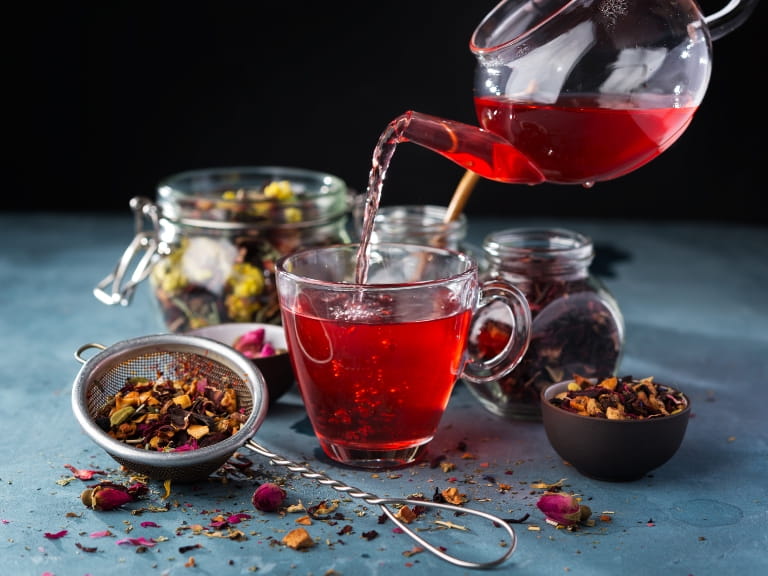
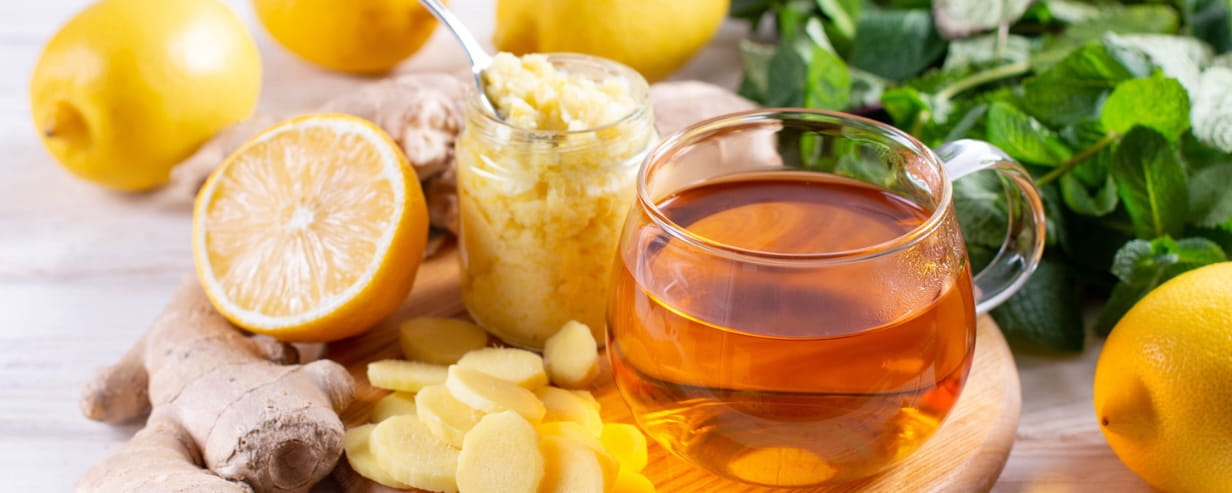
This doesn’t just have to be water – why not have a herbal tea or try some sugar-free kombucha instead? What about honey and lemon water? Is it an effective remedy for getting rid of a cold or is that a myth?
“There is no magic bullet liquid,” says Patel. “However, it’s a good way of gaining fluid and if honey and lemon water is soothing your throat then it’s a good option.”
That said, echinacea tea could be a more beneficial option. Research suggested that regular consumption of echinacea may help with preventing and treating the common cold.
While the saying goes, “feed a cold, starve a fever”, sometimes you might just not be feeling up to it.
In this case, Dr Patel says: “Liquid calories like a smoothie or soup might be easier to tolerate. Also, maybe try eating frequent small meals throughout the day rather than less frequent larger meals.
“The most important thing is that you’re getting healthy nutrients.”
However, eating healthily isn’t just important when you have a cold, it’s about maintaining this as a lifestyle.
“We often think of vitamin C as being the key immune-supporting nutrient,” says Dr Macciochi. “But the immune system requires us to be sufficient in all essential vitamins and minerals and to follow a balanced diet to function properly.
“If we fall short, our immune function may be compromised.
“Also, each of the macronutrients – protein, carbohydrates and healthy fats – within the main food groups plays a unique role in supporting immune function.”
Dr Mark Porter hosts Saga’s health podcast, with experts on hand to advise on common issues such as high blood pressure, knee pain and medication.
Gemma Harris has been a journalist for more than seven years and is a self-confessed health and wellbeing enthusiast, which led her to specialise in health journalism. During her career, she has worked with top editors and publications in the industry.
Buy direct and start a new Saga Health Insurance policy by the end of 10 December 2026 to get your first 3 months free. T&Cs apply.
Underwritten by Bupa Insurance Limited.
Your chance to win cruise for two to Cádiz, Casablanca and the Canary Islands, worth more than £9,600.
Expert nutritionists break down the most important foods to eat in each decade as we get older.
We reveal the 7 best tinned foods to supercharge your health while saving you time and money.
From ketchup to mayo – how healthy are your sauces? We find out the pitfalls and surprising benefits of our favourite condiments.
Could honey be the sweetest way to supercharge your health this year? Our experts explain the benefits and which to buy.
Our expert guide to the common foods you shouldn't mix with prescription drugs.
A nutritionist reveals what to look for and the healthiest varieties to choose.
Looking after your gut health could be one of the biggest things that you can do for your overall health. Here are the best foods to keep your gut happy.
The foods that could help you live longer and protect against chronic illness.
A dietician reveals which foods can help protect vision and prevent age-related eye conditions.
Everything you need to know about protein, from how it benefits your body to the best high-protein foods – and how much you really need.