Why spending time on your phone and computer is good for your brain
New research reveals that computer and phone time may actually keep our minds sharper for longer as we get older.

New research reveals that computer and phone time may actually keep our minds sharper for longer as we get older.
Most of us have heard the warnings – screens are ruining our attention spans, eroding our memory and turning us all into goldfish. However, science is now hinting at something quite surprising. Far from harming your brain, using your phone or computer might actually help keep it nimble and engaged as you get older.
In fact, according to a recent meta-analysis of 57 studies, adults over 50 who regularly use digital technology – think internet browsing, messaging, video calls, emailing, even Googling how to descale the kettle – had a 58% lower risk of cognitive impairment.
For many of us, getting older and using tech feels like a series of small misunderstandings, whether it’s the button you can’t find, the screen that won’t behave or the tablet that acts like it has a mind of its own, but it seems these everyday tussles may be doing us a favour. Could your phone actually be helping your brain stay younger?
Every time you search for a recipe, look up train times or navigate a website that has inexplicably moved the button you need, your brain is solving problems, learning new pathways and engaging in the sort of cognitive effort we know supports memory and attention.
UCLA’s brain-imaging study found that older adults performing internet searches activated more neural activity in key decision-making and reasoning areas than those reading a book.
And it’s not just browsing. Digital games can give the ageing brain a surprising boost too. In one experiment, older adults playing specially designed computer games improved their memory, attention and processing speed, gains that stuck around long after the games ended.
While no-one’s suggesting you become a gamer in your seventies, a few well-chosen puzzles or strategy apps can deliver a brain workout without breaking a sweat.

Tech keeps us talking and that matters more than almost anything else.
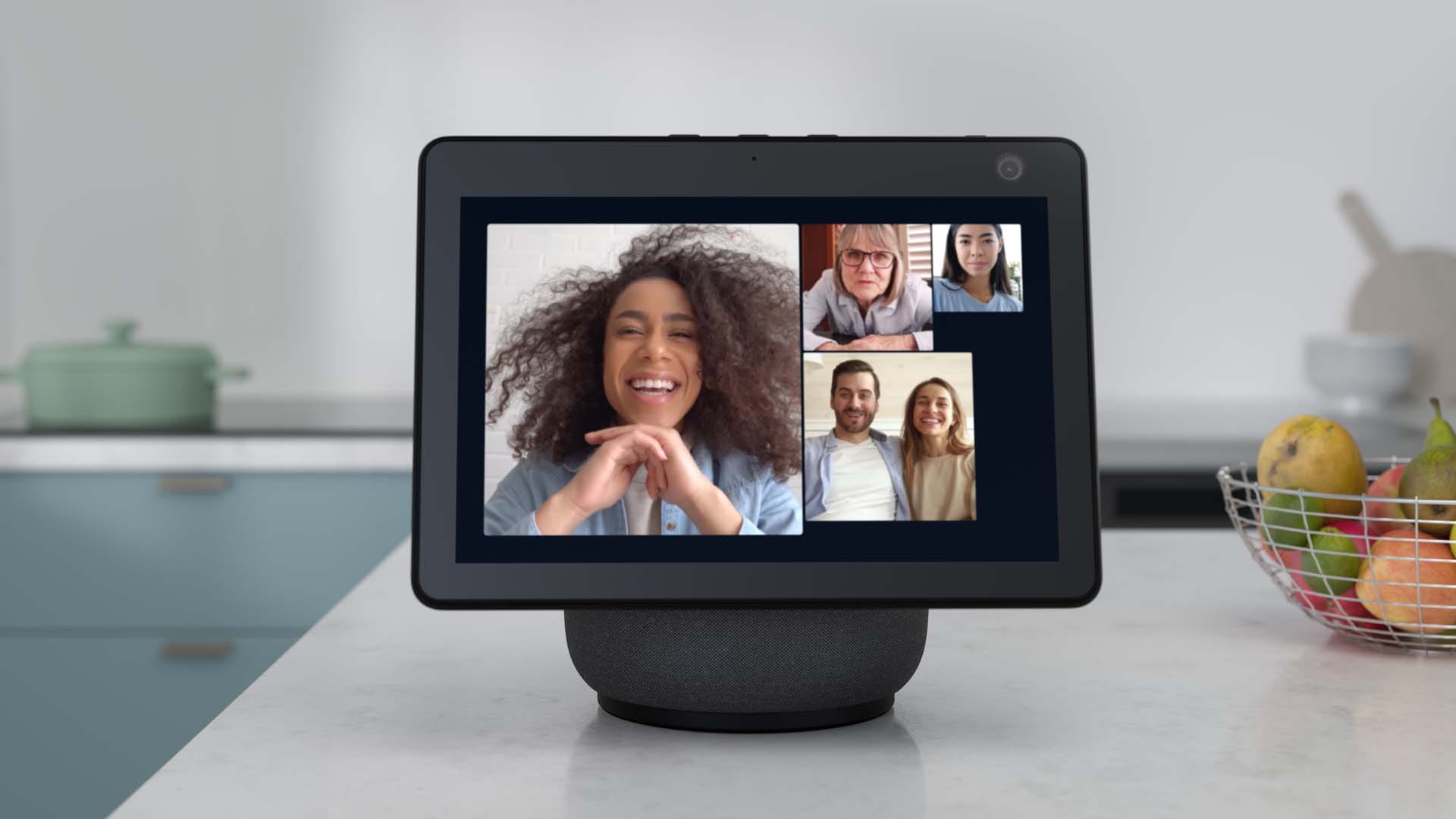
Whether it’s video calls with the family, messaging in WhatsApp groups or taking online classes, it all strengthens social ties, which research consistently links to better brain health and lower dementia risk.
One long-term study, following thousands of adults, found that regular internet users had a significantly lower risk of dementia over the eight-year follow-up period.
Digital tools help us manage daily life from calendars to health apps and even maps. They take the pressure off memory and executive function, reducing cognitive strain and helping people maintain independence for longer.
There’s also evidence that learning new digital skills, like email, photography or basic computing, can improve memory and cognitive flexibility.
Put together, it’s a powerful trio, not because technology magically protects us, but because it helps us stay engaged, connected and stimulated, three things the ageing brain thrives on.
You might think the biggest barrier to getting online is simply not owning the right device. But according to Emma Weston, OBE, CEO of Digital Unite, the reality is more complicated.
“Everyone needs three things to be online – data, a device and skills/confidence,” Weston says. “This is called the ‘pointless triangle’. There’s no point having one or two out of three, you need them all.”
Even when someone has the kit, emotional barriers often come first, explains Weston.
“People are frightened that they’ll open themselves up to online fraud – that they might give away information or inadvertently commit to things that aren’t genuine or they don’t want,” Weston says. “It’s really sensible to be cautious but there are lots of good ways to protect yourself.’
Digital Unite has lots of great free resources on keeping yourself safe online, while organisations such as Age UK and Get Safe Online also offer clear, trustworthy guidance.
“There’s no reason why anyone should automatically understand how digital devices work particularly if it’s not something they’ve grown up with, but older people can often feel that it’s a weakness not to understand it or their fault.” says Weston.
Some people simply don’t see the point of going online, until they discover something they genuinely want to do. Weston says: “People who don’t use the internet at all often don’t understand why they’d want to.”

Building digital skills isn’t just practical – it’s cognitively powerful.
Learning something new, especially something challenging, strengthens neural connections and boosts resilience, the brain’s version of going to the gym.
And it works. Studies show that tackling new digital skills improves memory and enhances attention, particularly when the learning is meaningful, social or linked to personal interests.
If you’ve spent years politely avoiding screens, the idea of getting online can feel overwhelming. But according to Weston, confidence grows quickest when you keep things simple: start with what you love, stay safe and take it one small step at a time.
Not all screen time is created equal. A 2023 study found a U-shaped curve. Moderate daily internet use was linked with a lower risk of dementia, but very heavy use nudged that risk back up again.
In other words, the brain benefits most from active, engaging screen time – learning, searching, connecting – rather than the passive, endless scrolling of cute cat videos that leaves you wondering where the last hour went.
Tech works best when it sits alongside the basics of good living such as movement, real-world socialising, sunshine and sleep. The lesson isn’t to use your phone more, but to use it with curiosity and purpose.
And if someone tells you to “get off your phone”, you can always smile and say: “Actually, I’m building cognitive resilience. What are you doing?”



Your chance to win cruise for two to Cádiz, Casablanca and the Canary Islands, worth more than £9,600.

Buy direct and start a new Saga Health Insurance policy by the end of 10 December 2026 to get your first 3 months free. T&Cs apply.
Underwritten by Bupa Insurance Limited.

Ingenious speakers, brilliant earbuds, nifty note takers - our expert picks his top tech gifts.

Electric models are set to dominate the market next year, including a flood of budget Chinese brands.

How breaking my phone ruined one of the best nights of my life – and the expert lessons that will help you avoid my mistakes.

New to podcasts? Here’s our straightforward guide to finding them, playing them and enjoying them.

Our pick of the best EVs - from spacious SUVs to compact city cars.

As the use of contactless soars, our columnist asks what can be done to prevent discrimination against those still wanting to use cash.

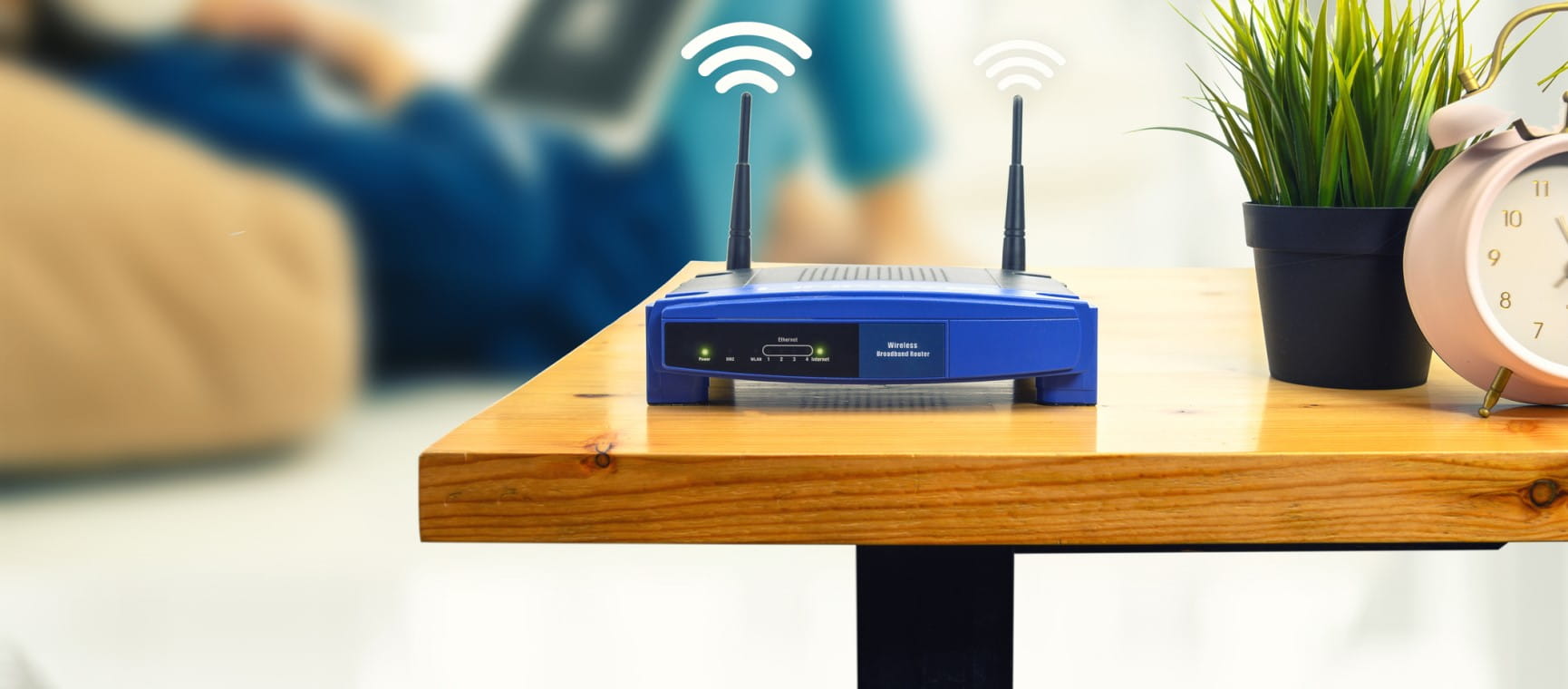
Follow our step-by-step guide to find out your internet speed - and whether it’s your device or broadband that’s slowing you down.
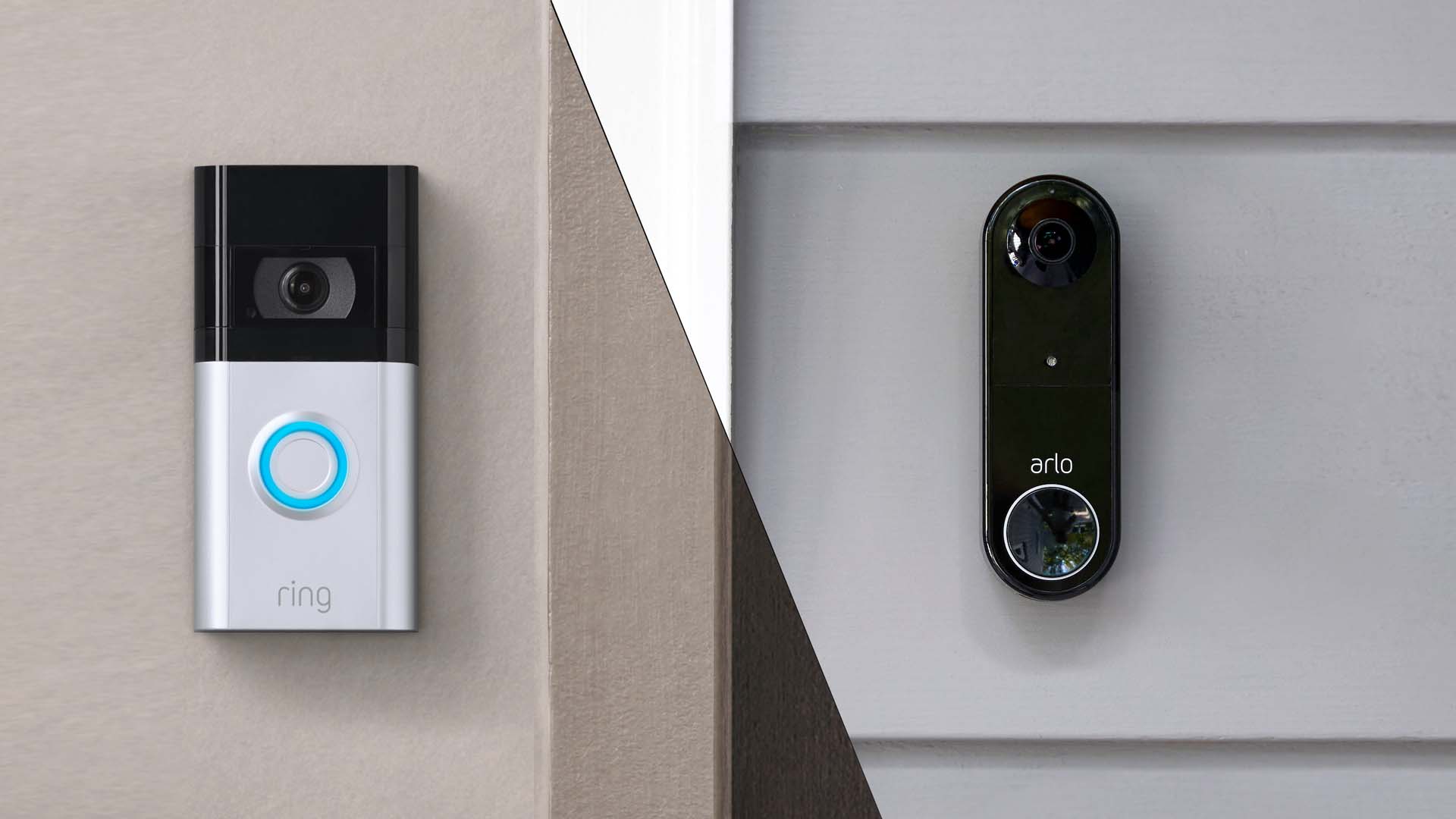
These video doorbells show you who's at your door, even when you aren't home.
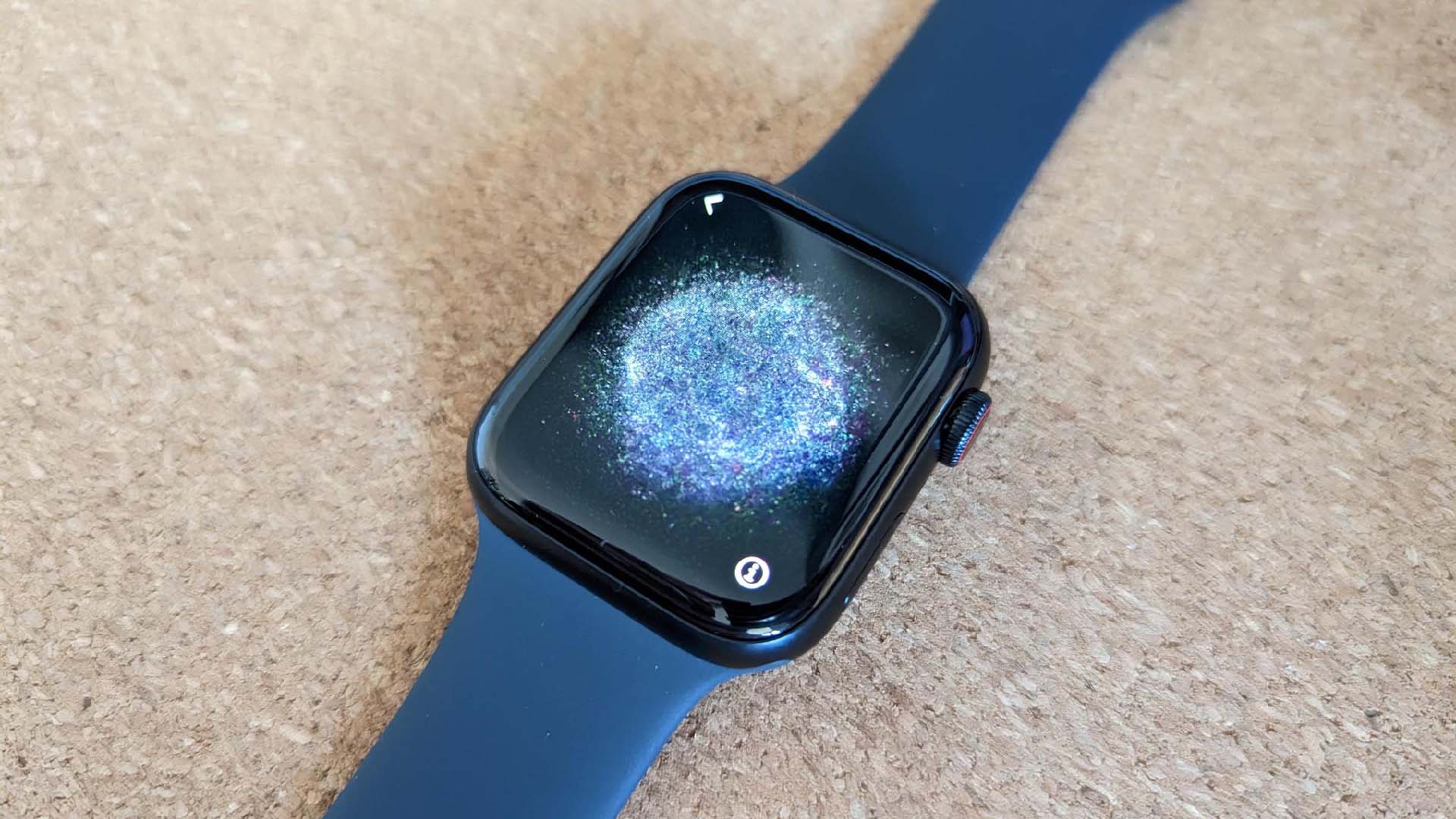
We explain everything you need to know to connect an iPhone to an Apple Watch.
Think you know how to use WhatsApp? We've got some handy tips to help you get the most out of the messaging app.