Strength training and bone density: what you need to know
The benefits of strength training for improved bone density include preventing many adverse health conditions. Here's all you need to know.
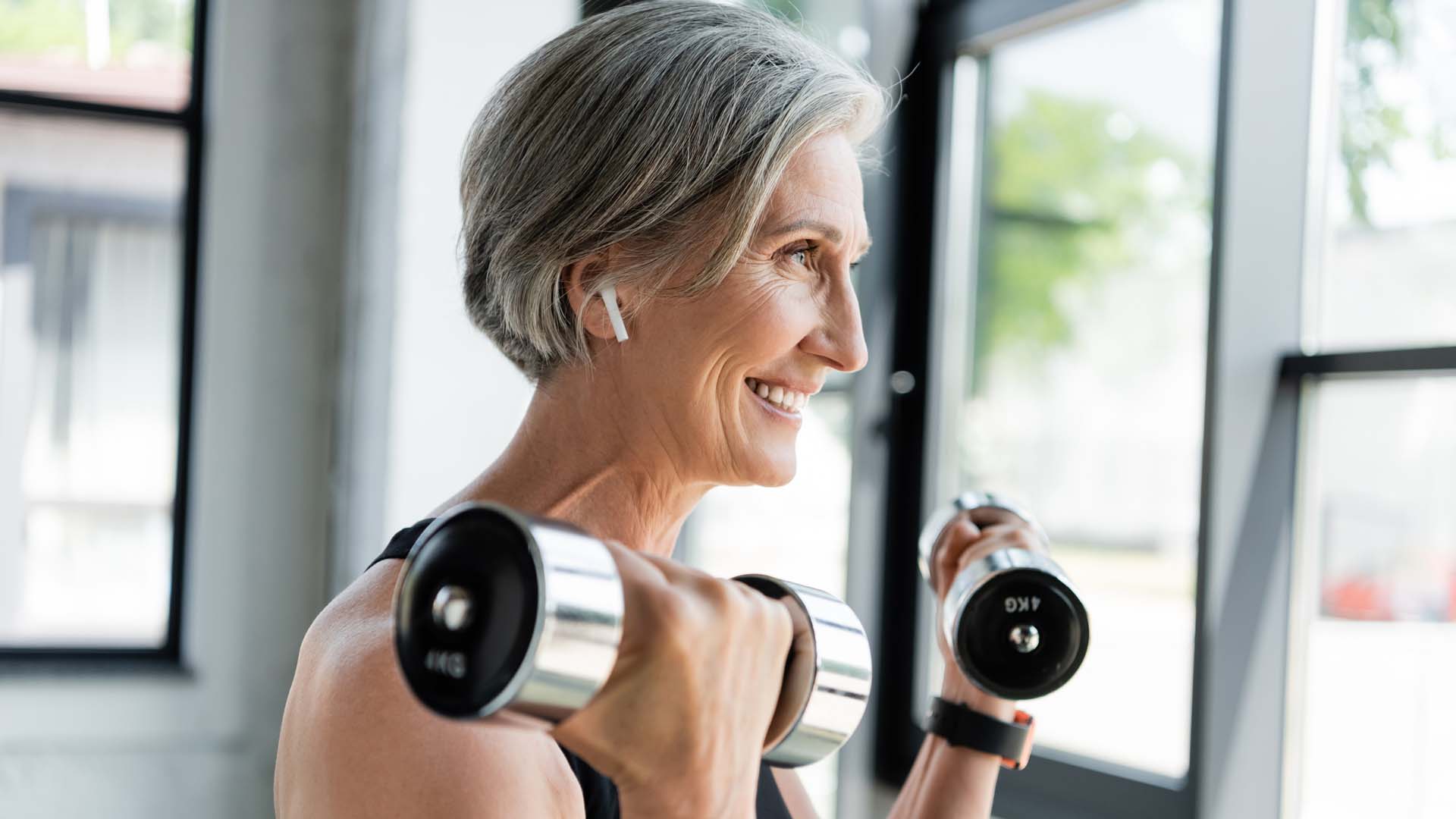
There are many benefits of strength training, and it should be considered an integral part of any exercise regime, especially as we get older.
And the benefits become even more valuable, as weight-bearing activity can help prevent many health problems.
As well as helping with weight loss, improved muscle tone and better mobility also increases bone density.
As we age, fragility can become an issue. A lower bone mineral density is linked to increased fractures, and, in turn, this can lead to reduced mobility and have an impact on confidence.
However, a loss of bone density can be halted by introducing strength training.
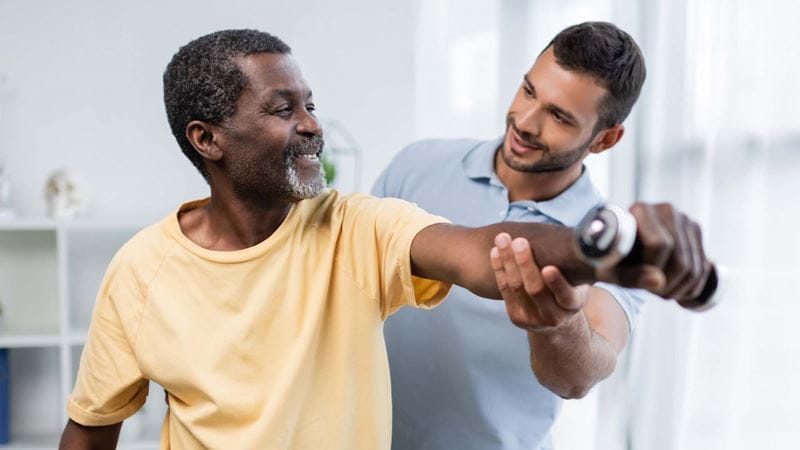
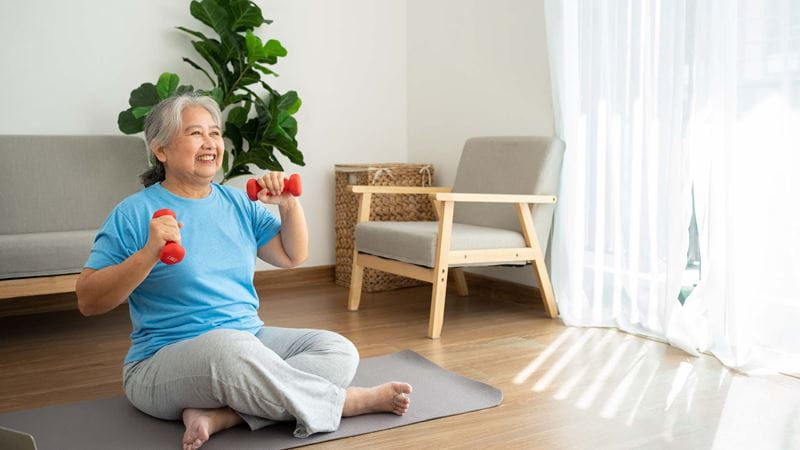
Strength training involves working against some form of resistance – and that doesn’t necessarily mean lifting heavy weights. You could try using dumbbells at home, a gym workout, or using kettlebells.
Strength training slows down the loss of bone density over time. It actually increases density because it increases the osteoblasts (cells that create new bone tissue). Weight-bearing activities also have an effect on the muscles and the tendons, making them stronger.
Sarcopenia – loss of muscle mass – is another issue as we age. Again, it can be kept at bay with any form of regular resistance exercise.
Studies have shown that sarcopenia and loss of bone density are closely linked, and the best way to deal with these issues is to use some form of resistance (bodyweight, dumbbells or bands) as we exercise.
The NHS recommends that we try to do some form of activity that strengthens the joints at least twice a week.
Of course, if you want to do more than that, you can.
Always start at a level that’s comfortable for you. For example, if your lifestyle is very sedentary, standing and sitting from a chair is a great way to start learning squats and building strength in your legs.
If you are already active – a keen runner or swimmer, for example - you may be more comfortable using dumbbells at home or heading to a gym.
Many personal trainers will offer free or reduced price trials, and most (if they’re anything like me) will be delighted to see someone wanting to improve their health and will happily offer free advice.
Harper recommends adding balance work into anything you do as a great way to help build confidence and lessen the fear of falling:
“Exercises like single leg lifts or lunges improve your balance, and that sort of training can help you live longer, because it reduces your risk of falls."
“You're less likely to fall if your proprioception (your sense of spatial awareness) and balance are good. So you're reducing that risk plus making your bones and muscles stronger.”
As well as balance exercises, any moves that replicate activities of daily life (things we do every day) are also useful.
In time, these exercises help to make life easier.
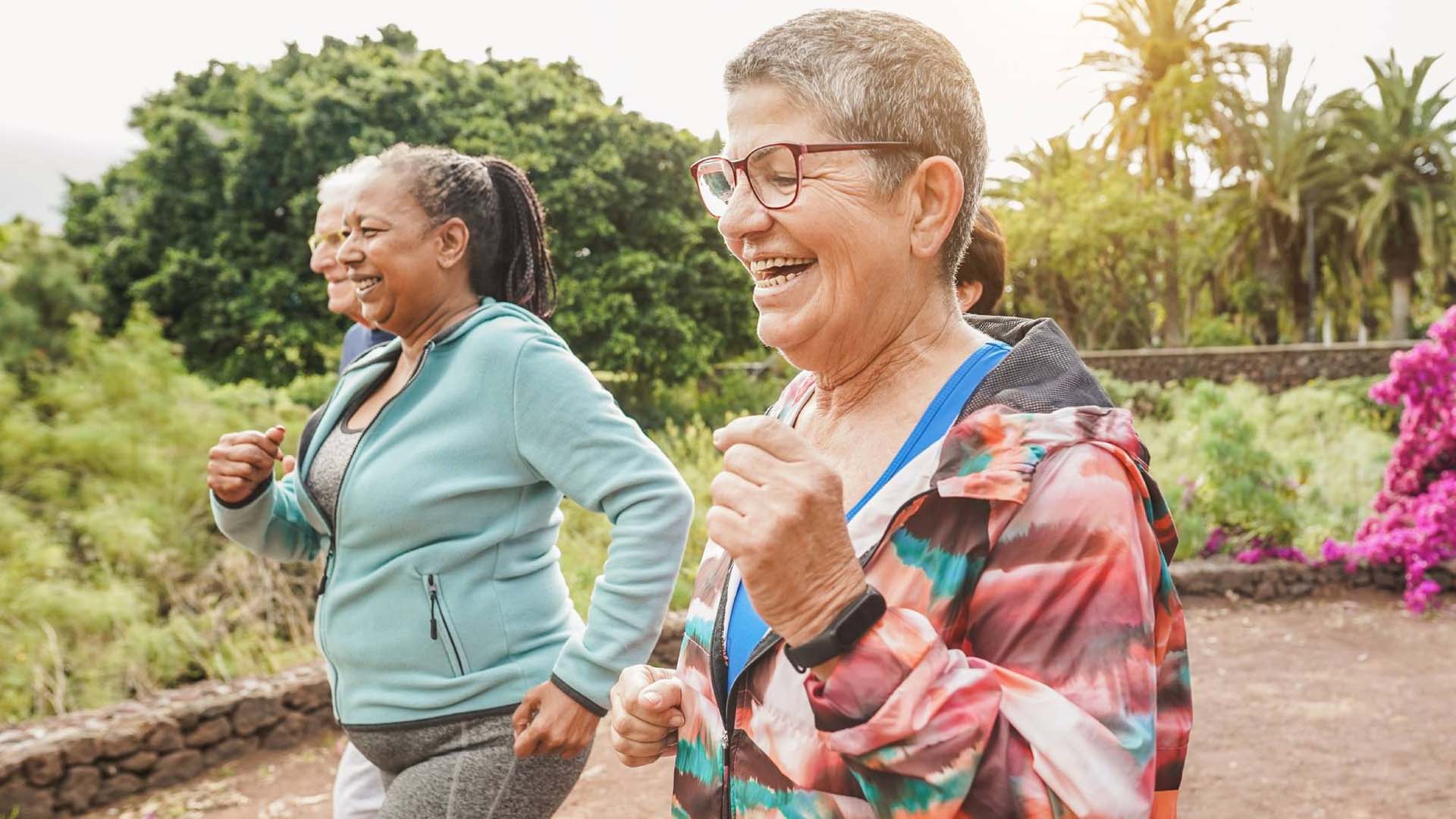
Absolutely not! Whether you’re 50 or 100, any activity is always better than none. You can reap the benefits of strength training at any age.
If you’ve noticed your mobility decreasing, or you’ve had a fall and suffered a fracture, that’s even more reason to start, because it will help – I promise you. You’ll be amazed at how quickly things can turn around.
I’m not saying you’ll wake up one day and be back to where you were when you were 21, but you will notice activities like reaching overhead become less difficult or there’s a reduction in joint pain.
Maybe getting in and out of the car will become easier, or you can play football with the grandchildren without getting too tired or feeling your muscles getting sore.
Becca is a freelance journalist and author. In 2021 her first book, Screen Time, was published, which is a guide to help people find a better balance with the technology they use every day. For more than 12 years she’s been writing about the worlds of science and technology. She’s covered topics like which wearable smartwatch is best, how to get started with virtual reality and what the future of robots in our homes might look like one day. Her work has appeared in the Guardian, Metro, Inverse, New Scientist, TechRadar, Wired and many more.
View author page
Are you retiring at the wrong age? The best age to retire for your body, brain, happiness and pocket.
Everything you need to know about the lung infection and what is walking pneumonia.
Strong calves for a strong mind: how they support our circulation and brain health, with easy moves to strengthen yours at home.
Our GP Dr Mark Porter explains what can cause itchy skin, which is a common problem as we get older.
Worried you’ve morphed into Victor Meldrew? Find out how to battle that bad mood, and what to do if you’re stuck with a grouchy loved one.
The benefits of heat and cold therapy, and how Nordic bathing won over our nervous writer.
Here’s how to spot the symptoms of heat disease and reduce your danger.
The NHS winter vaccination campaign kicks off next week. Here’s the lowdown on what you need to book.
Pilates for back pain – what to do if you are suffering, and five gentle exercises that could help.
Dizziness or vertigo: a sensation of spinning, can stop us doing everyday things for fear of falling. Try these tips to stop feeling dizzy
You don’t have to put up with bladder leaks. We try out the latest pelvic floor gadgets for men and women.
Cataracts are a normal part of ageing. Learn how to spot the signs – and when it’s time to consider surgery.