What really works to ease muscle cramps
Muscle cramps can be a curse as we age, especially at night-time. Why do they happen – and what’s the best way to get rid of them?

Muscle cramps can be a curse as we age, especially at night-time. Why do they happen – and what’s the best way to get rid of them?
GP Dr Rosemary Leonard, resident doctor on BBC Breakfast for 25 years, says, “Muscle cramps happen when a muscle suddenly goes into spasm – it’s basically an extreme contraction.
“They can occur in any part of the body, but most commonly in the calf muscles. A cramp can last just a few seconds or for up to 10 minutes, leaving soreness for as long as 24 hours afterwards.
“Often, the cause is over-exercising, but in many people – especially older adults – it is more likely to be due to underconditioned muscles. As we age, we lose muscle mass and the muscles become weaker. This means even a little strenuous exercise can cause them to tire easily and go into spasm.”
Back problems can be a trigger of lower leg cramp, too. “This is the case particularly if you have an issue that is pressing on the sciatic nerve – another reason why staying mobile and moving is important,” Dr Leonard says.
Night-time cramps, in particular, are more likely to be the sign of an underlying medical issue.
“At any age, someone who suddenly develops frequent cramps should seek medical advice, but it is particularly important if you are over 65 or on medication, as you may need some basic blood tests,” advises Dr Leonard.
“Your GP will probably want to check your thyroid function, and may also test for type-2 diabetes. This causes changes in blood sugar levels and impacts nerve function, which in turn can trigger cramp.”
Certain medication can also be to blame, “including pills to control blood pressure, which can alter sodium and potassium levels. So, if you take any prescription medication, your doctor will want to monitor if they are problematic."
“Your calcium levels may need to be checked, too, and, in winter particularly, your vitamin D, as low levels can contribute to muscle tiredness, which increases the likelihood of painful bouts of cramp,” explains Dr Leonard.

Stretching and gently massaging the muscle while it is cramping may help, advises the NHS.
Standing up and walking around can also help get rid of it, as can relaxing the affected muscle – which can seem almost impossible at the time. Using heat – such as a heated pad or warm shower – can help, too.
Often, though, a cramp goes away on its own. Painkillers such as paracetamol and ibuprofen won’t help, as they take too long to act, although they may help ease muscle soreness afterwards.
Quinine salts like quinine bisulphate used to be a very popular remedy for night-time leg cramp, but they have fallen out of favour in recent years.
Studies have pointed out they are not always that effective and can have worrying side effects.
“According to data collated by the Medicines and Healthcare Regulatory Authority (MHRA), quinine salts typically only reduce cramp attacks by around 20% (down from 17 episodes/month in the studies to 13),” says Saga Magazine columnist and GP Dr Mark Porter.
“Also, they are associated with side effects ranging from hearing and visual problems to, albeit very rarely, life-threatening blood abnormalities (low platelets). The MHRA warned of drug interactions, too, in people also taking warfarin and digoxin.
“Then, in 2017, the MHRA issued another warning: this time about quinine’s effect on electrical conduction in the heart (it slows part of it, increasing the risk of dangerous rhythms).”
The MHRA issued a warning to doctors advising that quinine should not be used routinely for nocturnal leg cramp.
Instead, it should be reserved for more severe, painful cases where other approaches – like exercises, stretches and ruling out other causes like salt imbalances – have not helped.
Dr Porter says he has not seen serious side effects in any of his patients taking quinine: “If it is the only thing that works for someone, then their GP will still prescribe it, although the MHRA advises coming off the medication for a break every three months or so to reassess whether they really need it.”
Dr Leonard adds, “Patients who come into surgery complaining of cramps often tell me they drink tonic water as it’s a known source of quinine, but that is an old wives' tale and simply won’t help.
"Additionally, drinking tonic water too often comes with the risk of tooth damage – fizzy drinks contain carbonic acid, which erodes away enamel – so it’s really not worth it.”

“If you’ve ruled out a medical cause, the first step is to keep your muscles strong and well conditioned,” says Dr Leonard.
“While over-tired muscles cause cramp, particularly as we age, paradoxically, the more active you are, the less likely you are to get cramp. Aim for regular gentle activity. Even daily walking will be enough to strengthen up, improve blood flow and get the muscles moving.”
Simple stretching is one of the most effective measures, especially for night-time cramps.
“Before bed, sit on the sofa, stretch your leg out in front of you and pull your toes towards you, so that you’re stretching your calf muscles,” explains Dr Leonard.
“Hold the stretch for a count of 10, then let it go. Repeat this five times per leg. This can both prevent and ease calf cramp.”
“Magnesium supplements are only useful if magnesium levels are low,” advises Dr Leonard.
Dr Porter adds, “Magnesium supplements are a popular remedy for cramp, but the evidence for them working is mixed: suffice to say, they may help some people, but don’t make a difference to most.
“The only way to find out is to try them. They are generally safe as long as you don’t take high doses (300mg or less is plenty for most people).
“Two caveats: if you have kidney disease, you should only take them under medical direction, and they can cause diarrhoea in some people.
“If you try taking them but haven’t noticed an improvement in your cramps within a month, then you probably never will.”
You can boost your magnesium levels through diet. Good sources include leafy green vegetables, seeds and nuts.
As you enter your 50s, health insurance becomes a more pressing consideration.
Whether you are new to private health insurance, leaving a company scheme or simply looking to switch providers, Saga is here to guide you.
Dr Leonard says, “It’s important to stay reasonably hydrated, as muscle contraction can be impacted by dehydration, so aim to drink around one and a half litres of fluid a day – there’s no need to overdo it, though.”
Registered dietitian Juliette Kellow agrees.
“All fluids except alcohol count (as alcohol is dehydrating), but water is the best choice. You should also focus on eating more nutritious, fluid-rich foods – yogurt, soup, vegetables. Fruits including melon, citrus fruits and berries have an especially high water content."
It’s also important to get the right balance of minerals called electrolytes – these include potassium, magnesium, calcium and sodium.
“Some people recommend taking big doses of electrolytes, but this may be overhyped,” says Kellow.
“Instead, focus on ensuring you are getting enough of these electrolyte nutrients in the first place through eating a healthy, balanced diet – and many of us aren’t.
“Bananas, for example, provide potassium – we should aim for 2,000mg a day – but avocados contains more per 100g (450mg of potassium v 330mg in a banana), while a 250g jacket potato will supply 1,500mg of potassium.
“Dried fruit and nuts are also high in potassium, although the recommended portion size is 30g, so we should typically eat them in smaller amounts. However, they can make a useful contribution to potassium through snacking.
“As for calcium, dairy products are the go-to source, with yogurt and milk keeping your fluid levels topped up and providing some potassium. If you eat a plant-based diet and prefer milk alternatives, look for those fortified with calcium.”
Most people don’t need any extra sodium through salt, Kellow says, “unless you have done endurance events or sweated excessively.”
Action on Salt advises that “you only lose a small amount of salt in sweat, and as we all eat more than we need, most people won’t need to take on any extra.”

After Dr Porter wrote about cramp in September’s issue of Saga Magazine, readers offered their own ideas for dealing with cramp.
Trevor Smith from Leeds said he swears by a natural remedy available online. “I’ve found a spray called TheraCrampes fantastic over many years,” he says.”
The spray is made using five plant extracts including arnica and menthol. “It’s not cheap but it does work wonders for my wife and me – I hope this may help a fellow reader,” Trevor adds.
Other sprays proved popular with readers, including ones containing magnesium sulphate.
One particularly unusual home cure was offered up by Magdalena Abbott from Twickenham, who told us: “Years ago, I heard someone on the radio recommend filling a bag with wine corks and keeping it in your bed. I used one of those little net bags you have for keeping delicate items safe while in the washing machine.
“I have kept a bag in my bed for years, and as soon as I feel a cramp coming on, I pop my leg on top of the bag. Within seconds, it’s done the trick and my cramp is gone. I don’t know how or why it works, but it does!”
Scientists have no idea how or why this might work, but Dr Chris Smith of the Naked Scientists podcast speculates that it may be something to do with the fact that corks are made from bark (of the cork oak tree) and quinine is extracted from bark (of the cinchona tree).
Others have postulated that perhaps the corks are leaching potentially helpful minerals into the bed linen – or (probably more realistically) that it’s entirely psychological, in that people are able to relax their muscles when they think they are doing something that’s helping them.
In a similar vein, some athletes swear by drinking pickle juice to alleviate cramp. This was thought to work because the juice contains electrolytes.
However, research has found that it’s more likely to be because the vinegar in the juice is “noxious-tasting”, which may stimulate the reflex in the back of the throat that, in turn, decreases the activity of receptors in the brain that tell a muscle to contract.
However, our doctors advise that anyone over about 65, or of any age if on medication, should seek medical advice promptly if they develop cramps that recur, particularly at night.
(Hero image credit: Getty)

Some Saga holidays include soothing or spiritual activities like joining a traditional tea ceremony in Japan, practising yoga in India or bathing in Iceland’s Blue Lagoon.

Buy direct and start a new Saga Health Insurance policy by the end of 10 December 2026 to get your first 3 months free. T&Cs apply.
Underwritten by Bupa Insurance Limited.

Are you retiring at the wrong age? The best age to retire for your body, brain, happiness and pocket.


Everything you need to know about the lung infection, and how you could be ill with “walking” pneumonia without realising it.
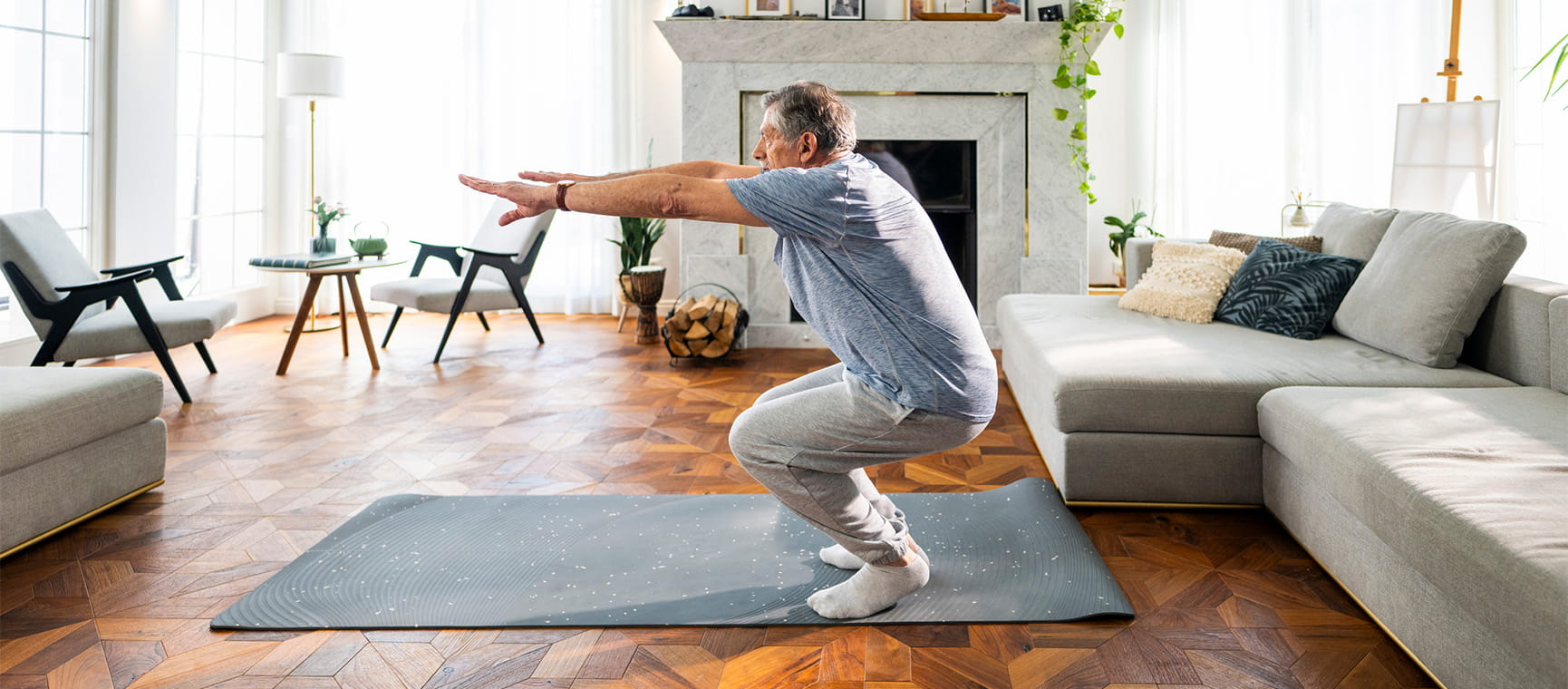
Strong calves for a strong mind: how they support our circulation and brain health, with easy moves to strengthen yours at home.


Our GP Dr Mark Porter explains what can cause itchy skin, which is a common problem as we get older.

Worried you’ve morphed into Victor Meldrew? Find out how to battle that bad mood, and what to do if you’re stuck with a grouchy loved one.

The benefits of heat and cold therapy, and how Nordic bathing won over our nervous writer.

From breathlessness to swollen ankles, a cardiologist explains the warning signs to look out for.


Everything you’re entitled to this year, when you can have it, and the gaps that remain.

Pilates for back pain – what to do if you are suffering, and five gentle exercises that could help.

Dizziness or vertigo: a sensation of spinning, can stop us doing everyday things for fear of falling. Try these tips to stop feeling dizzy


You don’t have to put up with bladder leaks. We try out the latest pelvic floor gadgets for men and women.

Cataracts are a normal part of ageing. Learn how to spot the signs – and when it’s time to consider surgery.