Can I really get free electricity this summer – and how?
Mowing the lawn or doing your washing on a Sunday afternoon could save you money, but are the headlines about “free” energy too good to be true?
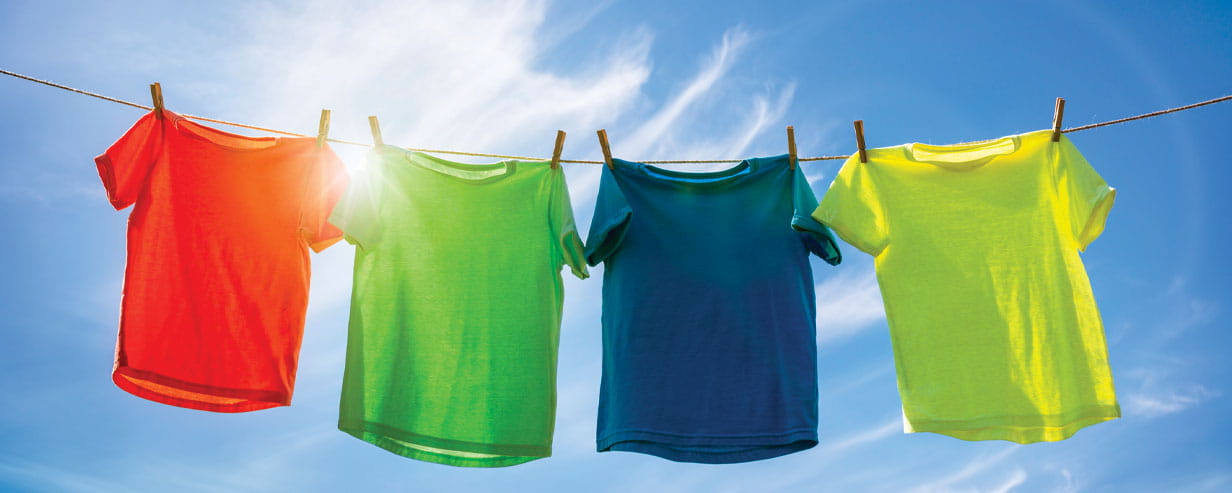
Mowing the lawn or doing your washing on a Sunday afternoon could save you money, but are the headlines about “free” energy too good to be true?
Energy costs are biting with the situation in the Middle East, so if you’ve read headlines about getting free electricity by doing your washing on a sunny weekend, you might be wondering if it’s too good to be true.
Hot summer days are when solar power production is highest, but the demand for electricity is lowest, so the National Energy System Operator (NESO) is encouraging people to switch their consumption to those times.
Countries such as Norway already benefit from low electricity prices and more free periods due to the high use of hydro power and now the UK is producing more renewable energy than ever. Earlier this year, sunny spring weather helped the national grid set a new record for generating solar power, with 14,414 megawatts, which is enough to boil 4.8 million kettles at the same time.
“The amount of renewables we have in the UK is continually increasing with more energy pumped into the system than we’re using, so energy suppliers are working with the network operators to make sure that matches demand,” explains Julio Santamaria, energy advisor at the Centre for Sustainable Energy.
So this summer, there’ll be times when even more solar power is being produced and that’s when the benefits will be passed on to households.
The Demand Flexibility Service (DFS) rewards households for using more power when there’s more supply. It hit the headlines because NESO predicts reliable electricity supplies from solar and wind power this summer, so consumers are being encouraged to use it when demand is lower to avoid a surplus.
Demand is usually highest on weekdays between 4pm and 7pm when many people return home from school and work and start to prepare dinner, watch TV and switch on lights. Suppliers will incentivise people to use electricity at off-peak times by offering it for free during flexibility events” so you can take advantage and do your washing, run your dishwasher and charge your electric car at weekends.
Although tariffs already exist offering off-peak savings, you won’t need to be on one to take advantage of this service. You’ll find more information on your energy supplier’s website, or give them a call to register your interest. It’s likely they’ll contact you to let you know you can take part nearer the time, as the service is expected to start in summer.
Don’t worry: you won’t have to check the weather app to find out when solar power is being generated – your supplier will be monitoring the conditions carefully and will alert you when a “flexibility event” (a chance to get free electricity) is coming up.
This will usually be via email or their app and they aim to give at least a few days of notice so you can plan ahead. Although free electricity is the big draw of the scheme, you might also be offered discounted electricity or reward points for taking part.
Some energy providers already offer half-price electricity at weekends, for example British Gas customers can sign up to PeakSave to get half price electricity between 11am and 4pm on Sundays.
EDF Energy has launched a Sunday Saver Challenge, where customers can pledge to reduce their usage during peak periods (Monday to Friday, 4-7pm) in return for free electricity on a Sunday.
The list of electricity companies who’ll participate in the scheme is growing, with British Gas, Octopus, Equiwatt and Scottish Power already registered, according to NESO. You can check if your own supplier is on the list at NESO’s website.

Firstly, you’ll need a smart meter; which can measure your energy consumption in more detail than a traditional meter reading. “Your supplier will invite you to join the scheme and let you know when the next chance to save is coming up. Some will ask you to reduce the amount you’re using at peak times, while others are simply motivating people to shift their energy by offering it free or half price,” says Santamaria.
“You need a smart meter that sends reports on how much energy you’re using every half hour.” The sessions run at specific times and are closely measured, thanks to your smart meter.
“If you’re retired and not tied to a nine-to-five job, it’ll be easier to shift your consumption to off-peak hours,” says Santamaria.
“You might already be cooking a big meal for family or mowing the lawn on a Sunday afternoon, which is when the free sessions are likely to be.”
Save money on your heating bills every month
Prices per hour (which will vary as energy prices go up)
Figures from Centre for Sustainable Energy
How to use less water and slash your bills
Many people will be motivated by the idea of saving money, particularly while electricity prices are high, but research is showing that doing the right thing for the environment is another incentive to use the service.
“We advise lots of people who say, ‘I want to reduce my carbon emissions because I have grandchildren and I want to make better decisions. They’re thinking not just about their own pocket, but future generations,” says Santamaria.
Is your washing machine costing more than it should?
The savings the scheme will offer are worth having, but they’re small, so don’t make yourself miserable trying to chase them. “It’s about making people’s lives better, not depriving them” says Santamaria. “There are some things that don’t use a lot of energy, such as watching TV or having some lights on and we did find that people were sitting in the dark with their heating off and that’s definitely not what the scheme is aiming for.”
It’s vital you don’t turn down your electric heating to a level that will make you too cold or turn off so many lights that you can’t see where you’re going. Never turn off fridges or freezers to avoid spoiling your food and make sure you keep essential medical equipment running.
And as the savings only apply to electricity, there’s no point in scrimping on your gas central heating during the “free” periods (although turning it down from 22°C to 21°C can save you £90 a year.)

Using a home charger is cheaper than public charge points, but with installation starting at £900 the initial outlay is substantial. With EV tariffs such as EDF’s GoElectric, Intelligent Octopus Go and e-on NextDriveSmart offering such good value, there are already savings to be made when you charge overnight, so two hours of free electricity on a Sunday will be more of a bonus than a necessity.
“The potential savings for EV drivers are real, but still emerging,” says Danny Morgan, spokesperson from Smart Home Charge. “When a flexibility event is triggered, drivers typically need to have their car plugged in and charging, or be willing to delay it until that window to earn rewards. They can receive bill credits, cashback or other incentives, usually via their energy supplier or a smart charging platform.”
Earnings will vary depending on the provider and how often drivers can participate, so it’s too early to say exactly how much most people will make.
“What we do know is that the biggest savings for EV drivers already come from charging at home on the right tariff, which can cut costs by hundreds of pounds a year compared to standard electricity rates,” Morgan explains.
"The trade-off is that many flexibility schemes can’t be combined with the cheapest EV tariffs, so drivers may need to choose between guaranteed low-cost charging or more variable rewards from these events.”
Worried about fuel prices? The best electric cars to buy
“Switch that light off, it’s like Blackpool Illuminations in here!” Although I’m shouting that all the time, my teenage daughters don’t listen, so I’ve had to find different ways to save money on electricity bills.
Every penny counts and I know the savings from two hours of “free” electricity this summer will be small, but I’ll be adding it to the savvy ways I currently use electricity. My energy supplier, Octopus, already offers occasional free energy "Saving Sessions" and they'll let me know by email when they're coming up. I usually forget to load up the washing machine so I’ve only saved 70p on the occasional weekend afternoon, but it makes me feel smug because I’m more motivated by the move to rely less on fossil fuels and more on renewable power.
The biggest change I’ve made is installing an EV charger, which cost £899, but it saves me so much money and hassle. Before, I was paying £22 at a public charge point – and I spent hours walking round the corner to check if it was free. Now, I charge at home and because I have had a smart meter fitted and switched to my energy supplier’s EV tariff, a full charge costs £2.20. That’s for 180 miles of driving, which is a massive saving, particularly compared to petrol.
That tariff gives me cheap electricity when demand is low (it only costs 7p/kWh between 11.30pm and 5.30am), so I run the dishwasher once that kicks in. I also set the timer on my washing machine to come on at 4.30am, then hang everything out on the line in the morning, so I don’t need an expensive-to-run tumble dryer.
People do laugh at me for my extreme energy tightness, but it’s not just that – I think we all need to do our bit for the environment so we don’t ruin the planet for our kids and grandchildren.
(Hero image: Getty)

Guard against inconvenient and unexpected boiler failure with Saga Home & Heating Emergency cover and boiler service option.

Saga offers escorted tours throughout Europe and as far afield as South Africa, Japan, Canada and Australia, plus hotel stays in popular European hotspots including Spain, Portugal, Croatia and Greece.
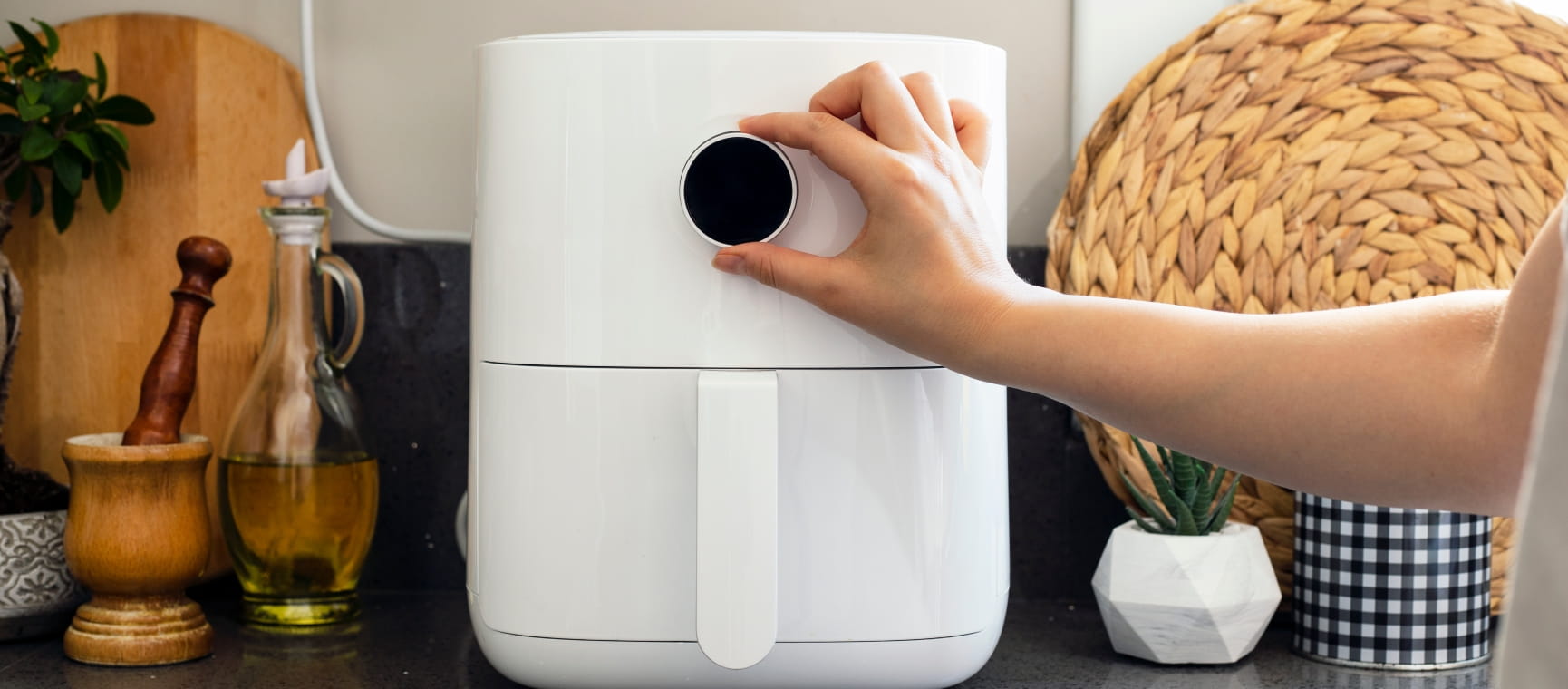
Home chefs are turning to their air fryer and slow cooker to save money on their energy bills. Which is cheaper to run?
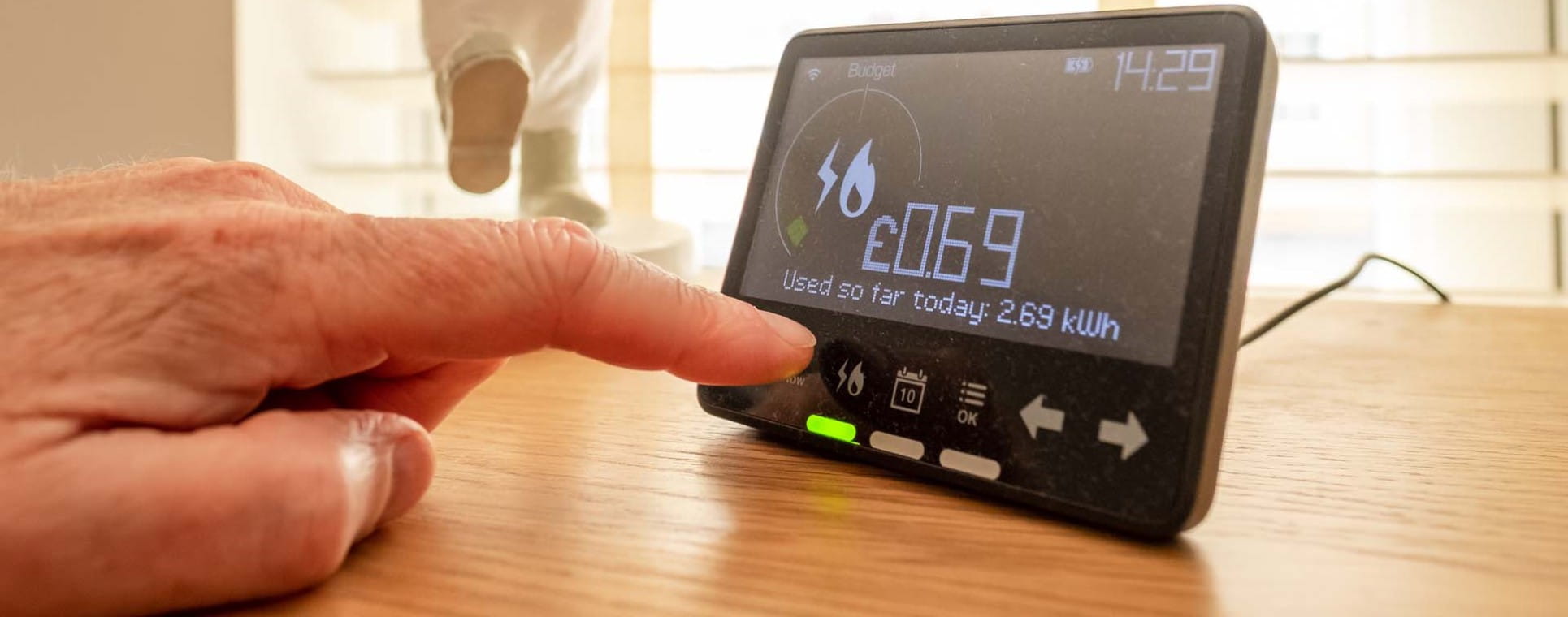
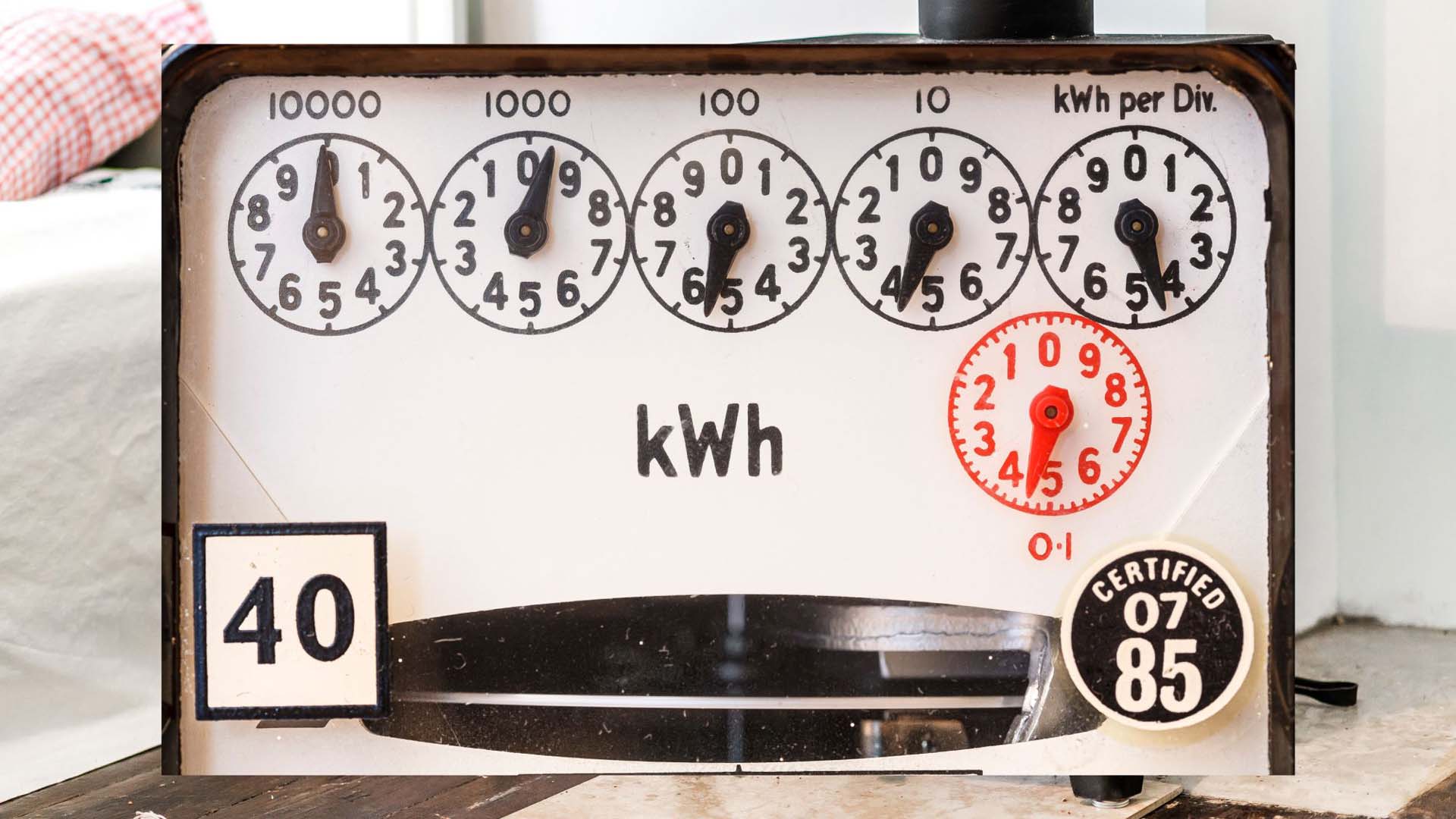
Find out if a smart meter offers you more benefits than your traditional energy meter.
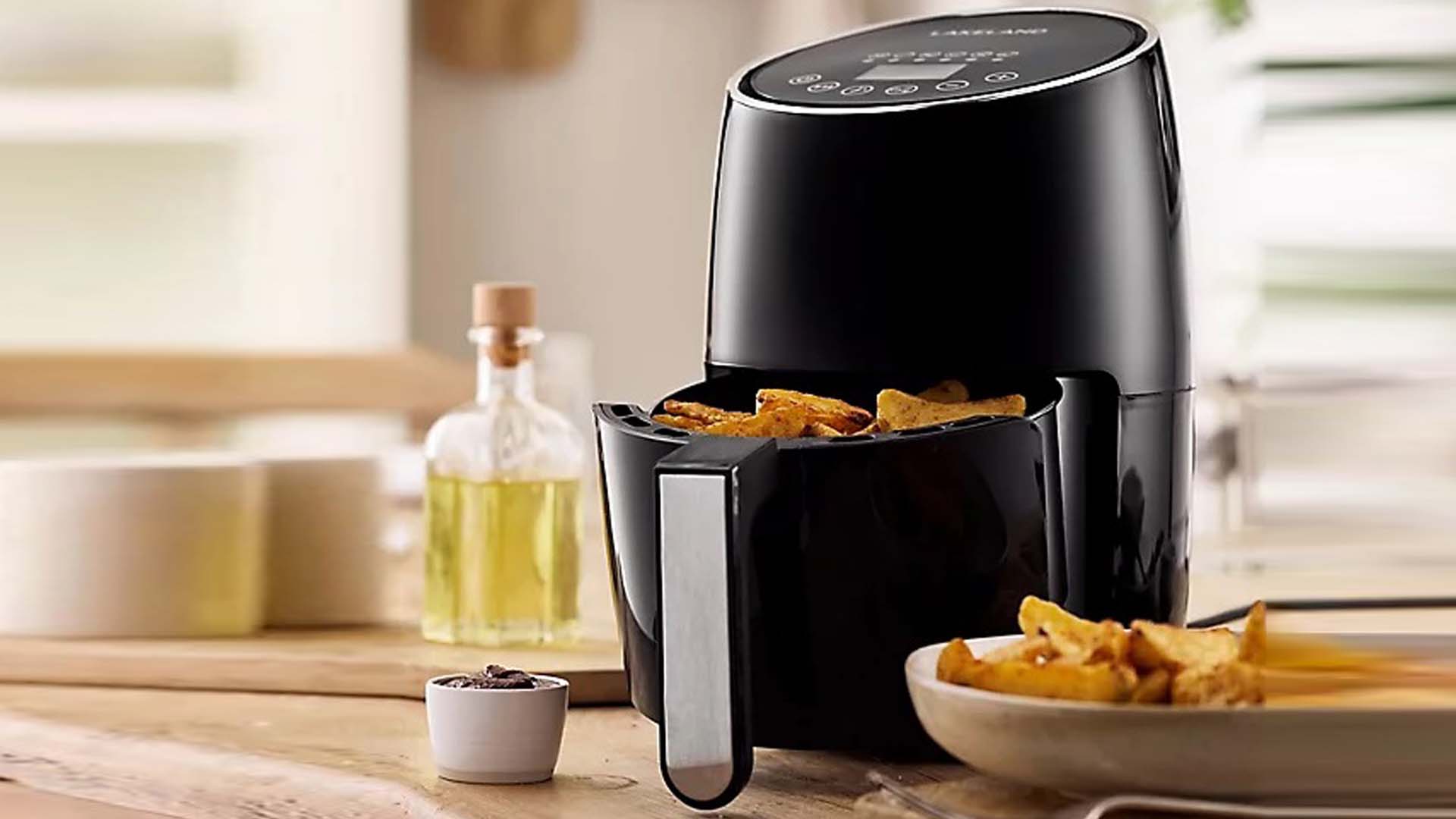
As well as being a healthy option, air fryers are said to save money – but in reality, how economical are they?