Are portable air conditioners worth it? Pros, cons and expert advice
As UK summers become hotter, should you invest in a portable air conditioner, install a fixed unit or stick with a fan? We’ve done the sums to help you decide.

After recent heatwaves – and warnings that UK summers will only become hotter, more and more people are investing in air conditioning.
The recent record temperatures saw red weather warnings and they don’t just cause sleepless nights – they also increase health risks, especially in those aged over 65.
So, when the thermometer hits the red, how can we stay cool and keep safe? Retailers have reported sales of both portable air conditioners and fitted units soaring by up to 300%. so far this year.
The UK’s changeable climate has meant that air conditioning has traditionally only been something we’ve enjoyed on foreign holidays. But now with hotter summers predicted, should we invest in fixed air conditioning, a portable unit or just make do with an electric fan?
While most of us hanker after some summer sun, rising temperatures present a genuine health risk, particularly as we get older.
According to the British Geriatrics Society, the number of heat-related deaths per year is expected to triple by 2050. The body works harder to regulate its temperature in hot weather, so it is important to have a cool sanctuary. This is where air conditioning can play a vital role.
Mark Mansfield, small electrical buyer at John Lewis & Partners, says: “With the recent weather suggesting a scorcher of a summer could be on the way, our customers have been investing wisely to keep their cool, and sales of air con units are on the rise."
The main difference is that while a fan moves the air around a room, an air conditioning unit actually cools it.
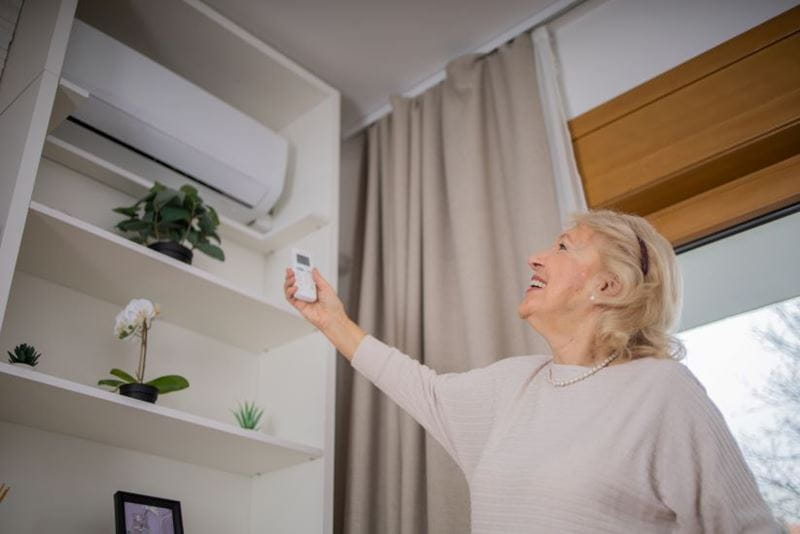
Katie Lilywhite, air treatment expert at AO.com, advises that if you are suffering with the heat, a portable air conditioning unit can make a real difference.
“When the weather’s hot, an air conditioner is the ideal appliance to combat this and create yourself a much-needed escape from the heat,” she says.
There are two types of air conditioning units – portable and fixed.
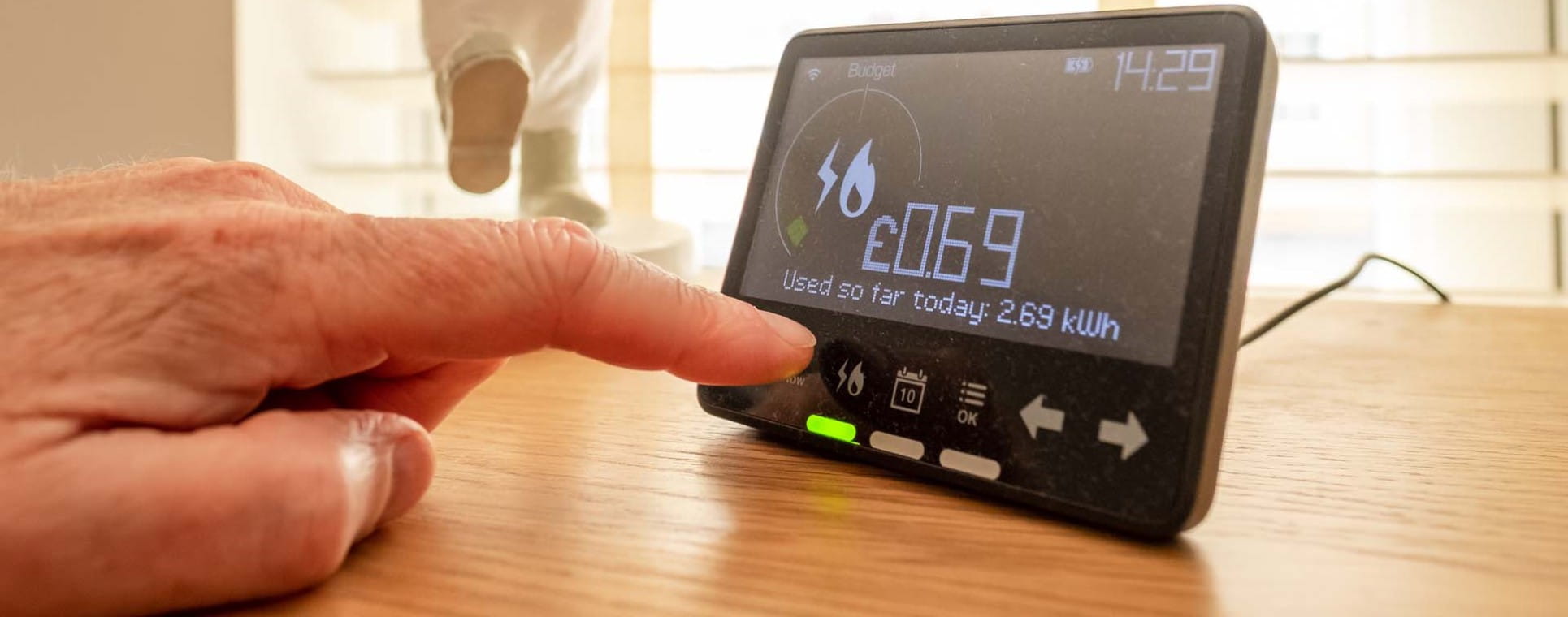
Air conditioner retailer Morris Direct has done the sums. A 9,000 BTU fixed air conditioning unit uses around 800W (0.8 kWh). The cost: 0.8 × 26.11p* = 21p per hour.
So that’s £1.67 a day, based on eight hours’ use, or £50.13 monthly. (*Standard electricity tariff UK, 1 July to 30 September 2026.)
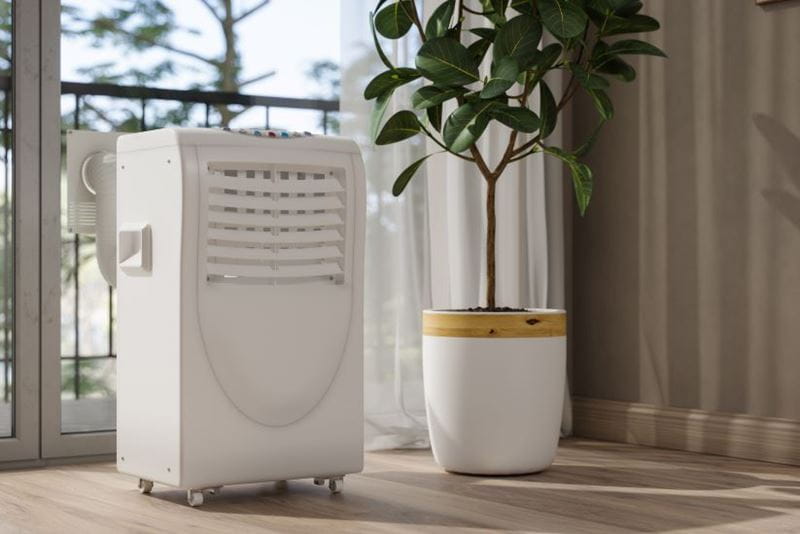
Portable air conditioners have become more popular in the UK over the past few years as a temporary fix during short-term hot weather.
Once again Morris Direct has done the sums. A 9,000 BTU portable AC uses 990W (0.99 kWh). The cost: 0.99 kWh × 26.11p = 26p per hour.
So that’s £2.06 a day, based on eight hours’ use, or £62 monthly. (*Standard electricity tariff UK, 1 July to 30 September, 2026.)
The most important consideration when buying a portable air conditioning unit is ensuring it will adequately cool the room.
Models are measured in British Thermal Units (BTUs). They range from 5,000 BTU, for a small room, up to 16,000 BTU, for a room of 40m². Medium-sized rooms of around 24m² would require around 9,000 BTU.
Lilywhite adds that it’s also important to look at the energy efficiency of a unit and find out how noisy it is.
“All air conditioner units make some noise, yet the level of this noise can vary significantly between models,” she says. “If you’re sensitive to noise or plan to place the unit in a bedroom or quiet space, try to find a model specifically designed for quiet operation.
“Keep in mind that reviews can give you a good indication of how noisy a particular unit might be.”
Mansfield adds that other key considerations include “the space available in your room, and where you’ll store it outside of the warmer months”.
When you choose your unit, check to see if the window kit is included, otherwise factor in an additional £15-£20 to buy one from a retailer such as Amazon.
Lilywhite adds: “Looking after your appliances will go a long way to helping them look after you. Regular cleaning of filters and coils is an essential part of maximising performance and longevity.
“Some units have more accessible maintenance procedures than others, so consider ease of maintenance when making your choice.”
Meaco Cool MC 8000CHBTU Air Conditioner (Argos, £380)
This reasonably priced option is perfect for rooms up to 16-26m – it offers cooling, heating, dehumidifying, and fan modes for year-round comfort.
A-rated efficiency keeps running costs down and has a remote control or app to easily control it.
AEG Comfort 6,000 (£499.99, AO.com)
Confusingly, given the name, this model offers 9,000 BTU. Its considerable 3,000-watt heft means that it can cool a room in extra-quick time. It also has an energy efficiency rating of A+ and is less noisy than most equivalent units.
Best of all, users can adjust settings using the AEG app, ensuring optimum temperatures when you walk in the door. However, at 34.5kg, it’s not exactly lightweight.
Benjie Goodhart divides his time between working as a freelance journalist and in the TV industry. He has written regularly for The Guardian, GQ and Saga Magazine, and worked for Channel 4 in programme publicity. He lives in Brighton with his wife, two children, and three tellies. He loves the tellies most of all.
Whether you're looking for straightforward insurance or cover that's packed with extras, our home insurance has plenty of options for people over 50.
Home chefs are turning to their air fryer and slow cooker to save money on their energy bills. Which is cheaper to run?
Find out if a smart meter offers you more benefits than your traditional energy meter.
As well as being a healthy option, air fryers are said to save money – but in reality, how economical are they?