How to stay safe in a heatwave
As a rare red heat warning is issued for the UK, it’s vital to remain safe. Here’s how to keep cool and protect yourself in the hot weather.

Getty
As a rare red heat warning is issued for the UK, it’s vital to remain safe. Here’s how to keep cool and protect yourself in the hot weather.
The Met Office issued a Red Extreme Heat Warning – its highest category – this week for much of southern and central England, as well as great chunks of Wales. Temperatures looked set to hit 39°C, soaring past June’s record of 35.6°C, set in Southampton 50 years ago.
This heatwave has felt particularly punishing because of the humidity. Dew points were forecast to reach 22°C – higher than during the record-breaking July 2022 heatwave – making conditions feel more oppressive (the dew point is the temperature below which water can condense out of the air – higher dew points mean a “muggier” atmosphere). Tropical nights, where temperatures stay above 20°C, have stopped us recovering from daytime heat.
You might be alarmed by the hot weather warnings, but there are lots of ways you can stay safe. “The Met Office alert should be a wake-up call for older people to take care,” says Caroline Abrahams, Age UK’s charity director. “These Red Alerts are extremely unusual and are not put out by our weather experts lightly.
“Older [people] find it harder to adapt to extremes of hot and cold than younger ones, so getting too hot creates additional health risks for [them], especially if they have underlying problems with their lungs, heart or kidneys. If you are an older person managing serious health conditions, the impact could be a lot more severe.”
“Extreme heat is not just uncomfortable; it can be a health risk,” adds Professor Victoria Tzortziou-Brown, president of the Royal College of GPs (RCGP).
“People do not need to avoid the outdoors completely [in these conditions], but they do need to take the heat seriously and make sensible changes to how they enjoy the weather.”
Whether you’re caught in a heatwave at home or on holiday, it’s important to take steps to protect your health.
Dr Arpit Srivastava, an NHS GP who works privately at messageGP, Age UK and RCGP, offers the charity’s advice for avoiding health risks and staying cool in the heatwave.
“It’s important to increase your water intake,” says Age UK. “Drink water throughout the day even if you aren’t thirsty.”
Dr Srivastava recommends two to three litres of fluid. “It’s better to sip fluids regularly during the day than drink large amounts at once,” he says. “Using a water bottle with time markings can be really helpful.”
What you drink matters, too. “Avoid tea, coffee, alcohol and energy drinks as they can be very dehydrating,” says Dr Srivastava. Decaf tea and coffee are fine.
Sports drinks aren’t necessary. “A better solution is to replace salts lost through sweating by adding a pinch of salt and squeeze of lemon to water,” Dr Srivastava advises. If you have kidney disease, staying hydrated is particularly important, since dehydration can affect kidney function.
But if you have heart failure and have been told to restrict your fluids, staying hydrated can be more of a challenge. The British Heart Foundation recommends speaking to your GP or heart failure nurse.
“Eating foods with high water content such as watermelon and cucumber is an excellent way to supplement hydration,” says Dr Srivastava. “Stock the fridge with cooling foods like fruit and yogurt and keep plenty of ice in the freezer.”
Age UK suggests “eating normally” but trying to include salads.

Avoid going out between 11am and 3pm. If it’s really hot, it might be better to stay indoors throughout the day. “Change the timings of any outdoor activities,” says Age UK. “If you have a routine walk, go when it’s cooler, such as in the early morning or evening. Limit any strenuous activities like gardening.” When you do go outside, stick to the shade.
"Sun protection is important,” says the RCGP. “Broad spectrum sun cream, at least SPF30, should be applied generously and reapplied regularly [every two hours] to help protect against sunburn and longer-term skin damage.” You might like to consider using factor 50, which is the strongest form of UVB protection.
“Apply it to all exposed areas of skin and reapply it after swimming or taking a shower,” adds Dr Srivastava. “While some sun exposure is needed for vitamin D production, this should be avoided during the hottest parts of the day or when UV levels are very high. Remember that UV rays can still be strong even on a cloudy day.”
“Shut windows during the day and open windows at night when temperatures are cooler,” says Age UK. Keeping curtains and blinds closed can also make a difference. It’s worth identifying the coolest room in the house so you know where to go when it’s especially hot. And follow these tips to keep your house cool in hot weather.

“Light-coloured, loose cotton clothing can help you stay cool in the heat,” says Age UK. “Dark colours absorb the light and can make you feel even warmer.” The RCGP also recommends wearing a wide-brimmed hat outside to reduce direct sun exposure.
“Have cool baths or showers and splash yourself with cool water,” says Age UK. “Sprinkling clothes with water regularly, splashing cool water on your face and putting a damp cloth on the back of the neck helps temperature regulation.”
“I would advise against ice-cold showers or ice baths,” adds Dr Srivastava. “The extreme cold can be a shock to the system.”
A lot of medication should be kept below 25°C (77F). “It’s very important to read the storage instructions as high temperatures can affect some of them,” says Dr Srivastava. “While most tablets and capsules are fine at room temperature, many liquids and injections have specific temperature requirements.”
Some medications should not be put in a fridge, he adds, so it is vital to check the leaflet. “For those that do need refrigerating, it’s best to place them away from the back of the fridge, where it is often coldest, to prevent them from freezing,” he says. If they can’t go in the fridge, opt for a cool, dry cupboard away from direct sunlight.
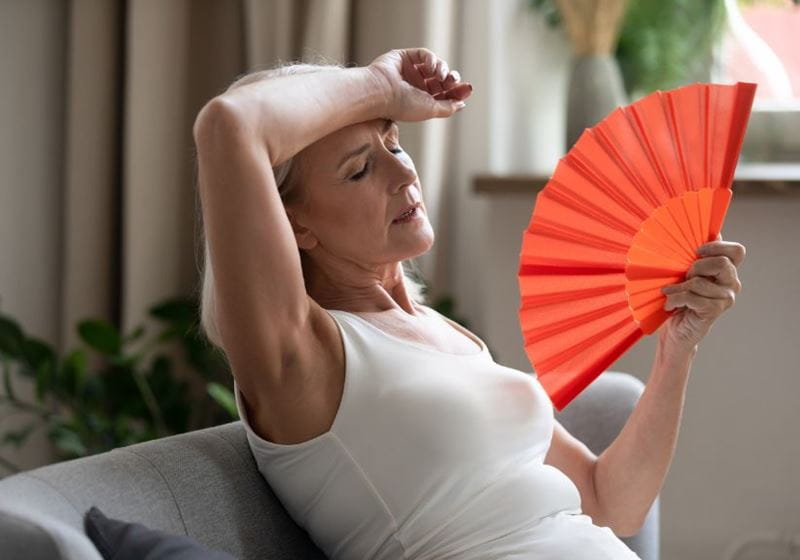
You’re at increased risk of dehydration, sunburn, heat exhaustion and heatstroke during extreme heat. It’s important to be aware of the signs and symptoms.
If you’re over 65, you may be at higher risk of heatstroke. This is because as we get older our body becomes less efficient at sweating to cool down. Heat can also worsen existing conditions, including heart disease, kidney disease and diabetes. When you’re very hot, your heart has to work harder.
If you have kidney disease, dehydration can affect kidney function, so make sure you stay hydrated. Heat can also affect blood sugar control if you have diabetes.
“Certain medications can also interfere with the body’s response to heat,” says Dr Srivastava. “Some blood pressure medications affect how blood vessels expand and contract, which is a key mechanism for cooling down. This can lead to dizziness, light-headedness and a greater risk of falls.” If you’re concerned, speak to your doctor.
Dehydration happens when your body loses more fluids than it gains. It can be caused by spending too long in the sun. If left untreated, it can be dangerous and lead to other health problems.
Older adults face a greater risk of dehydration as many do not drink enough fluids even in everyday temperatures. This increases for people with conditions such as high blood pressure, heart disease and diabetes. It’s vital to stay hydrated and check our guide on how much water to drink a day.
According to the NHS, symptoms of dehydration include:

The NHS defines sunburn as hot and sore skin caused by too much sun. It is usually self-treated and gets better within seven days. Sunburn typically means your skin may:
When your body overheats, during hot weather or exercise, you risk heat exhaustion. Although considered less severe than heatstroke, it can still be serious and can develop into heatstroke. Signs of heat exhaustion are:
“If [someone experiences these symptoms], move them to a cooler place, drink water and try to cool the body down,” says the RCGP. “If they do not start to feel better after 30 minutes or become confused, develop a high temperature, has fast breathing, has a seizure or loses consciousness, this may be heatstroke. Heatstroke is a medical emergency. Call 999.”
Heatstroke can also happen when your body becomes too hot, or as a development from heat exhaustion. It is the most severe form of heat illness and requires immediate medical attention. You should seek medical help if you or someone with you develops the following symptoms:
Much of Europe is also baking under an intense early-summer heatwave, with temperatures reaching 40°C in San Sebastián in Spain and climbing to 38.4°C in Paris. France has placed more than half the country under its highest heat alert, closed more than 1,300 schools and reported several heat-related deaths. Italy, Belgium and Germany are also grappling with dangerous conditions.
If a country you’re planning to visit this summer is experiencing a heatwave, you might be asking yourself whether you should still go.
The UK Foreign Office recommends keeping an eye on local and international weather updates, checking with your travel provider and following the guidance of local authorities. It also offers a directory of travel advice on individual countries worldwide, which you can check if you are worried about wildfires or extreme temperatures.
If you can’t stand the heat, take a look at the travel destinations where the temperature is bearable when you want to go. Find out what to do if you fall ill before you’re due to go on holiday.


Buy direct and start a new Saga Health Insurance policy by the end of 10 December 2026 to get your first 3 months free. T&Cs apply.
Underwritten by Bupa Insurance Limited.

Saga offers escorted tours throughout Europe and as far afield as South Africa, Japan, Canada and Australia, plus hotel stays in popular European hotspots including Spain, Portugal, Croatia and Greece.

Ancient palaces, crystal-clear seas and undiscovered budget beaches – our travel experts share the best travel destinations for 2026.

Our guide to the most remarkable places to visit in Africa, the continent of contrasts.
.jpg?la=en&h=760&w=1730&hash=3900F1F9D5EBD1961A7DFC7B29B5BA1A)
Holidays can boost your brain power, help you live longer and even relieve pain.

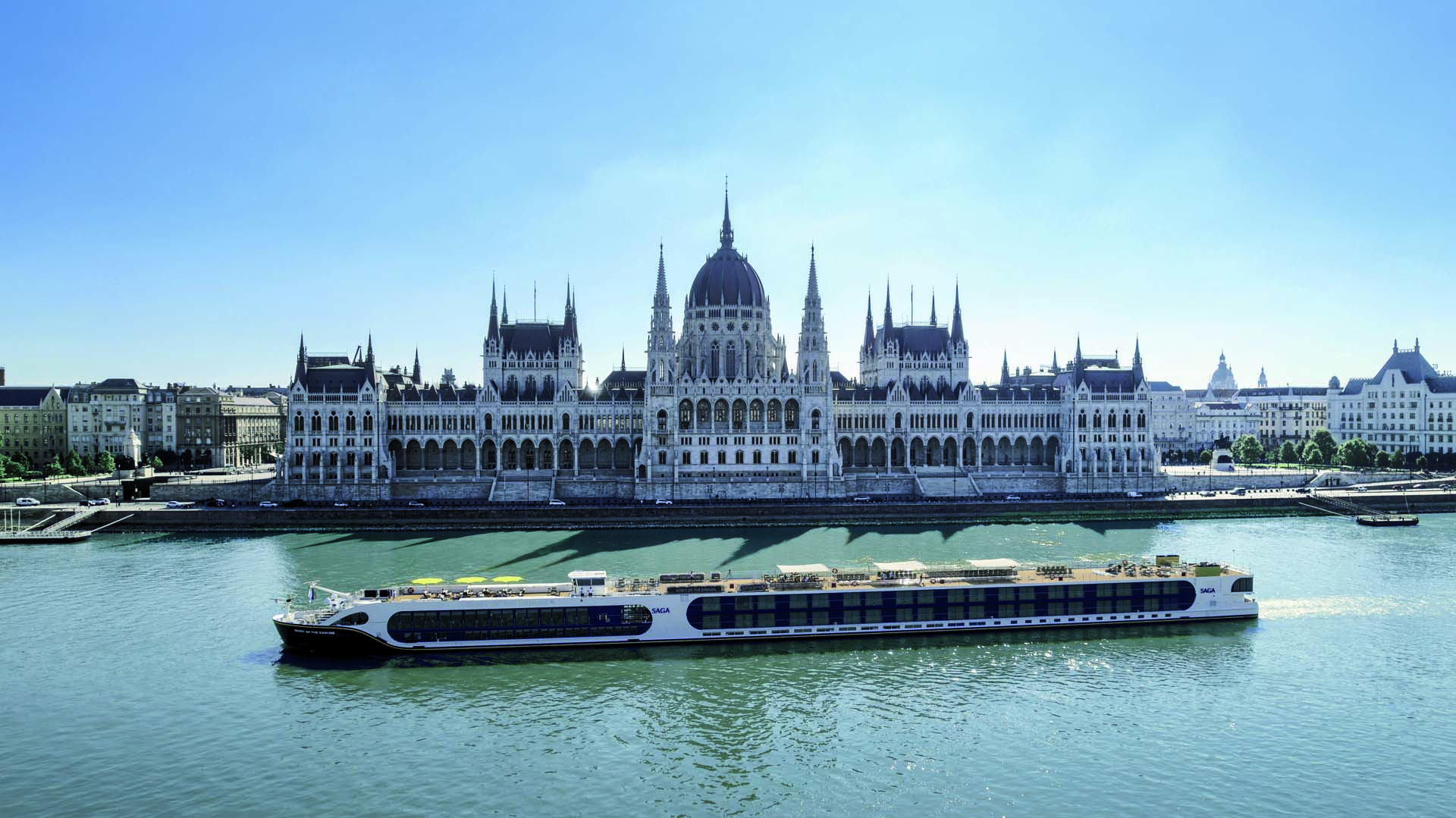
Autumn on Europe’s rivers is always spectacular. We’ve got the best cruises to try in 2025.

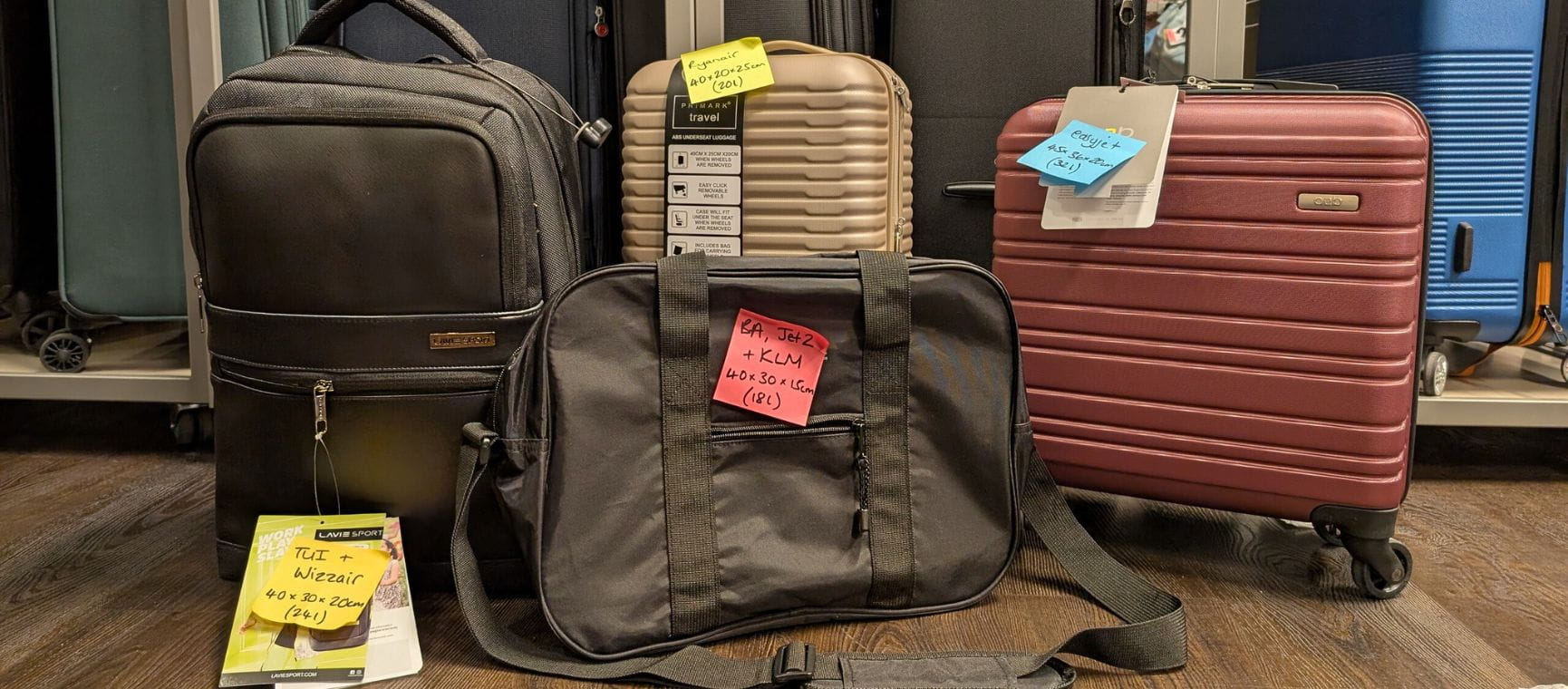
We help you beat the airlines at their own game with the cabin bag weight and size limits for the UK's seven most popular carriers.