8 signs you may be dehydrated – even if you don’t feel thirsty
You don’t have to feel thirsty to be dehydrated. Here are the signs to look out for, especially in later life.
Getty
You don’t have to feel thirsty to be dehydrated. Here are the signs to look out for, especially in later life.
Have you ever been concerned about the fluid intake of someone you care about or asked yourself whether you really are drinking enough?
It's an important question to ask, because as we get older we are more vulnerable to dehydration.
But while staying hydrated is really important, our sensation of thirst can reduce as we age - while those living with dementia or Alzheimer's may not even recognise that they are thirsty or forget to drink.
Our body needs water to function properly, flush out toxins, lubricate the joints and aid digestion.
Lesley Carter, a registered nurse and programme lead at the Malnutrition Task Force, which is supported by Age UK, says that not having enough fluid can affect the balance of electrolytes, such as sodium, which are important for overall health.
“Drink around six to eight glasses or 1.5 litres of fluid per day,” she says.
Your fluid needs can vary depending on factors such as your age, body size, lifestyle, medication, illness and the weather, but as thirst is not always the most reliable clue, it’s worth knowing the other signs to watch for.
Dehydration can happen when you do not drink enough, but also when you lose more fluid than usual through sweating, fever, vomiting, diarrhoea, alcohol or medicines that make you pee more.
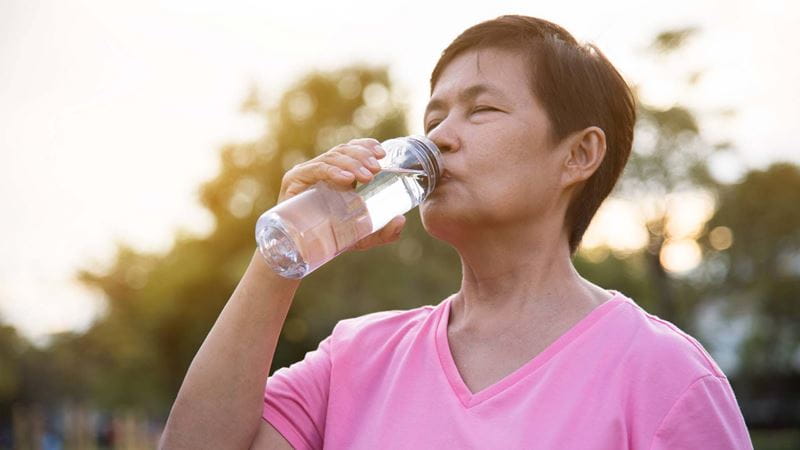
Thirst seems like the obvious sign that you need to drink more but it’s not always that simple, especially as we get older.
“As you age, you don’t necessarily feel as thirsty or the need to drink as much as you did when you were younger,” says Carter.
That means you may not feel particularly parched, even when your body could do with more fluid.
Dr Simon Smail, GP and medical director at Evergreen Medical, says this is one of the most important things to remember.
“One of my main messages would be: don’t rely on thirst alone,” he says. “Thirst is useful, but in later life it can be an alarm bell that rings a little late.
”The upshot? Don’t wait until you feel desperate for a drink. If you know you’ve barely drank anything all morning, or you’ve been out in warm weather, unwell, very active or drinking alcohol, it’s worth having regular sips even if your mouth is not shouting about it.
One of the easiest ways to spot dehydration is to look at what’s happening when you go to the loo. Dark yellow or amber urine can suggest you may need more fluid, especially if it also smells stronger than usual.
“Dark urine is the body’s amber warning light,” says Dr Smail. “It doesn’t prove dangerous dehydration on its own, but if it comes with dizziness, weakness or passing less urine, it should not be ignored.”
Dr Ravina Bhanot, GP and founder of The One, adds that urine colour is not always reliable in older adults and it can be more about how often you go.
Research shows that urine colour shouldn’t be used to indicate dehydration in older adults due to insufficient reliability,” she says. “Monitoring if there is less frequency in urination over a 12-hour period is more accurate.”
Dehydration can reduce the amount of fluid in your blood, which may affect your blood pressure. In turn, this can leave you feeling faint, wobbly or unsteady on your feet.
Dr Smail says dehydration in later life can affect several systems at once, including “blood pressure, balance, kidney function, concentration and medication safety”.
That doesn’t mean a glass of water will solve every dizzy spell as dizziness can have many causes, from medication side effects to inner ear problems. Not drinking enough though can be one of the small things that tips the body off balance and as you become older that matters because feeling unsteady can increase the risk of falls.
Anyone can become dehydrated, but some people are more vulnerable than others, especially in later life. You may be more likely to become dehydrated if you:
People with dementia or memory problems may be particularly at risk, as they can forget they’ve not had a drink or may not remember that they need to keep drinking throughout the day. Simple prompts can make a real difference.
“If they’re living alone and they haven’t got any reminders, they won’t drink,” says Carter.
Medication is another important part of the picture. Dr Smail says diuretics, or “water tablets”, can increase fluid and salt loss, while some blood pressure medicines may become riskier when someone is dehydrated because the kidneys rely on good blood flow to work properly.
This is particularly important for anyone taking an ACE inhibitor or ARB, such as ramipril, lisinopril, losartan or candesartan, alongside a diuretic and regular anti-inflammatory painkillers, such as ibuprofen, naproxen or diclofenac. This combination is sometimes known as the “triple whammy” because of the extra strain it can place on the kidneys during dehydration, vomiting, diarrhoea or a heatwave.
“ACE inhibitors and ARBs are not bad medicines, they are often excellent medicines, but they are medicines that need respect during dehydration,” says Dr Smail.
Do not stop prescribed medication without medical advice. If you take blood pressure tablets, diuretics, diabetes medication, lithium or regular anti-inflammatories, ask your GP or pharmacist about guidance for times when you are unwell or dehydrated.
A headache can have many causes, from stress and poor sleep to eye strain and illness, but it is also recognised as one of the common symptoms of dehydration.
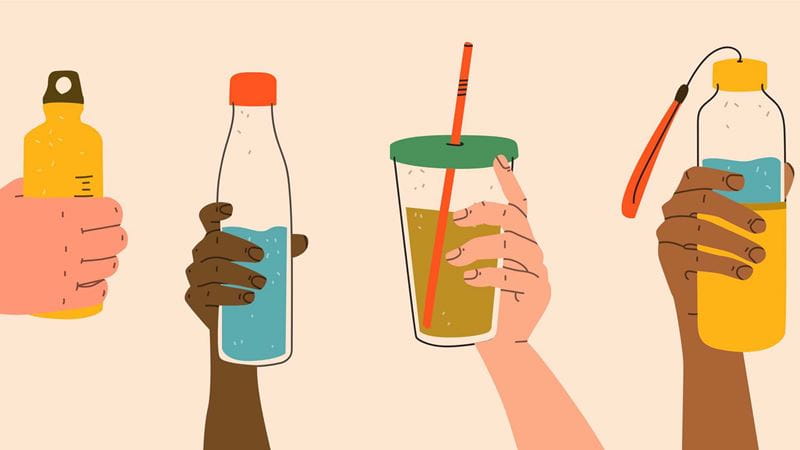
Smail includes headaches among the early signs to watch for, alongside thirst, dry mouth, tiredness, dizziness and darker urine.
There is some evidence that drinking more water may help reduce headache symptoms in some people. One small trial suggested that increasing daily water intake may reduce the total hours and intensity of headaches, while a later evidence review concluded that chronic mild dehydration may trigger headaches, although larger studies are still needed.
So while a glass of water is not a miracle cure for every sore head, if you have a dull headache and realise your last proper drink was hours ago, it’s a sensible place to start.
Not every sign of dehydration looks dramatic. Sometimes it can feel like ordinary tiredness, brain fog or not quite being able to concentrate.
“Dehydration starts with subtle signs like dry mouth, stronger-smelling urine or unusual tiredness,” says Dr Bhanot. “The easiest symptoms to miss are cognitive changes like brain fog or difficulty concentrating.”
She says even mild dehydration can affect the brain: “Even 1%-2% fluid loss can reduce cognitive function, memory and affect mood.
Research has linked dehydration with changes in mood and cognitive performance, including reduced alertness, visual attention and short-term memory so if you feel unusually foggy, flat or unable to focus, it may be worth asking yourself when you last had a proper drink.
Constipation is not always about fluids. Diet, movement, medication, stress and health conditions can all play a part, but drinking too little can make stools harder and more difficult to pass.
Staying hydrated helps keep stools softer and moving through the bowel more easily. Carter says this can be particularly important if you take medication that makes constipation more likely, as drinking too little may make the problem worse
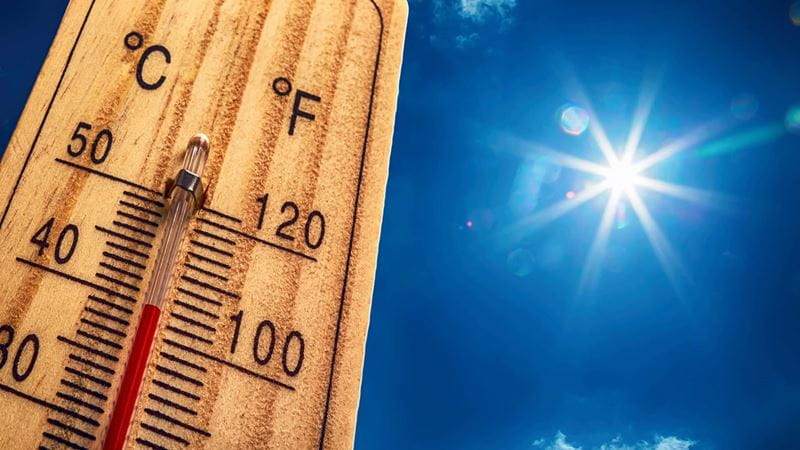
Dr Smail lists dry mouth as one of the early, ordinary signs of dehydration. It can also make eating, swallowing or taking medication feel more difficult, particularly if you are already unwell or have a reduced appetite.
Carter says some people find it easier to drink through a straw, especially if taking large mouthfuls feels difficult. Sucking fluid through a straw can help it “trickle down more easily”, which may make drinking feel more manageable.
This is different from feeling a bit tired or foggy. Mild dehydration can often be improved by drinking more regularly, but sudden confusion, fainting, severe weakness, hallucinations, rapid breathing, a fast pulse or not passing urine are more concerning signs.
“Confusion, altered mental state, fainting, hallucinations, fast pulse or rapid breathing or not passing urine in over 8 hours can be a sign you need medical help,” says Dr Bhanot.
In other words, this is not the moment to simply put the kettle on and hope for the best. If someone seems suddenly confused, very weak, faint, unusually drowsy or unable to keep fluids down, seek medical advice urgently.

For most mild, day-to-day dehydration, drinking water steadily is enough. The key is to sip regularly rather than trying to make up for a whole day with one enormous glass before bed.
Try having a drink with each meal and when you take medication, and keep fluid within easy reach, by your bed, next to your favourite chair, or wherever you spend most of your time.
Dr Smail says you don’t usually need anything complicated.
“For most day-to-day dehydration, water is enough,” he says. “Electrolyte drinks can be useful after heavy sweating, diarrhoea or vomiting, but they are not magic and most people do not need them routinely.
”However, people with heart failure, advanced kidney disease or a formal fluid restriction should not suddenly increase fluids dramatically without medical advice. If you are unsure how much you should be drinking, or you have been unwell with vomiting, diarrhoea or fever, ask your GP, pharmacist or NHS 111 for advice.
The amount of water you need each day is individual and can vary and depend on a variety of factors, including your age, lifestyle, body size and climate.
Sophie Medlin is a consultant dietitian and chair for the British Dietetic Association for London
Medlin adds that if you are unwell with a fever, you will need more fluids. Plus, she says, certain medications may require us to drink more water with them.
However, in general, the NHS Eatwell Guide recommends that we drink six to eight cups or glasses (1.5-2 litres) per day for good hydration. And the good news is that it doesn’t just have to be water.
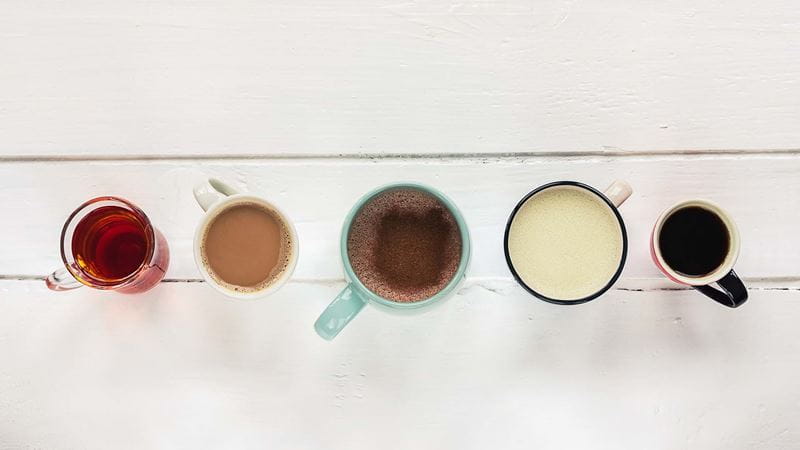
Lower-fat milks, lower-sugar or sugar-free drinks, and tea and coffee all contribute towards your fluid intake. At her clinic, Medlin uses a specific calculation to determine personalised daily fluid requirements for her patients.
“People who are under 60 need 35ml (1.2 fl oz) per kilogram of body weight, and people who are over 60 need 30ml (1 fl oz) per kilogram of body weight,” she says.
“For example, a small 40 or 50 kg (6 to 7.9 st) woman will definitely need less fluid than a 6ft (1.83m) man.
”Some people with heart failure are told to limit their fluid intake because the condition can cause the body to retain fluid, which makes it harder for your heart to pump and can overload it.
However, restricting fluid is not recommended for all people with heart failure. It’s best to speak to a health professional about your consumption.
The good news is that staying hydrated does not mean forcing down glass after glass of plain water if you do not enjoy it.
“Fluid is not just about water,” says Carter. “If you don’t like water and the thought of drinking eight cups is beyond you, you could have soup instead.
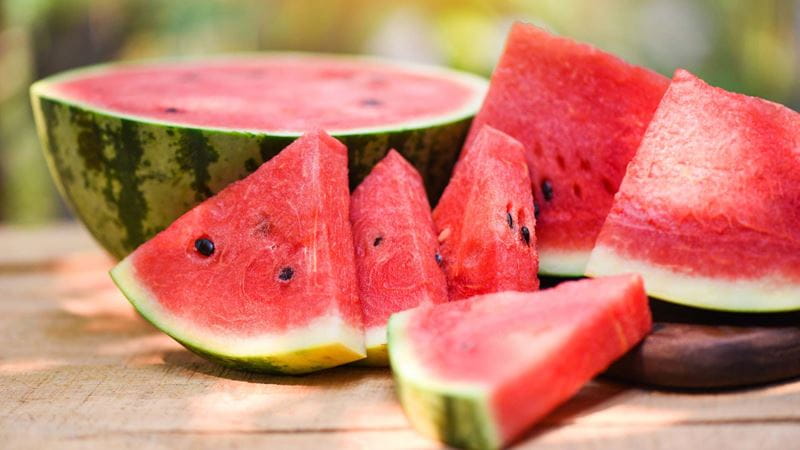
”Tea and coffee can also contribute to your fluid intake for most people, says Dr Smail, while foods such as soups, yogurt, fruit and salad can help too. Carter also suggests options such as custard and stews with gravy, particularly for people who find drinking large amounts difficult.
The aim is to find realistic ways to get more fluid in across the day, rather than chasing perfection.
“Make it work for you,” says Carter. “Have things that you enjoy and you can manage.”
Alcohol is less helpful, especially in hot weather. Dr Smail says it can worsen dehydration, impair judgement and make sleep poorer.
The aim is not to panic every time your mouth feels dry or your urine looks a little darker than usual. Often, mild dehydration can be corrected by drinking more regularly and making fluids easier to reach.
And if you don’t hit your target every day, Carter says not to be too hard on yourself: “If you don’t reach eight glasses one day, don’t beat yourself up. Start again tomorrow.”



Buy direct and start a new Saga Health Insurance policy by the end of 10 December 2026 to get your first 3 months free. T&Cs apply.
Underwritten by Bupa Insurance Limited.

Your chance to win cruise for two to Cádiz, Casablanca and the Canary Islands, worth more than £9,600.

Expert nutritionists break down the most important foods to eat in each decade as we get older.

We reveal the 7 best tinned foods to supercharge your health while saving you time and money.
From ketchup to mayo – how healthy are your sauces? We find out the pitfalls and surprising benefits of our favourite condiments.

Could honey be the sweetest way to supercharge your health this year? Our experts explain the benefits and which to buy.
Our expert guide to the common foods you shouldn't mix with prescription drugs.

Experts reveal whether chilled supermarket soups are worth the extra cost and if some flavours are better for you than others.

Looking after your gut health could be one of the biggest things that you can do for your overall health. Here are the best foods to keep your gut happy.
The foods that could help you live longer and protect against chronic illness.

A dietician reveals which foods can help protect vision and prevent age-related eye conditions.
Everything you need to know about protein, from how it benefits your body to the best high-protein foods – and how much you really need.