Tea vs coffee: which one is actually better for your health?
The experts brew up an answer and reveal the beverage benefits in full.
The experts brew up an answer and reveal the beverage benefits in full.
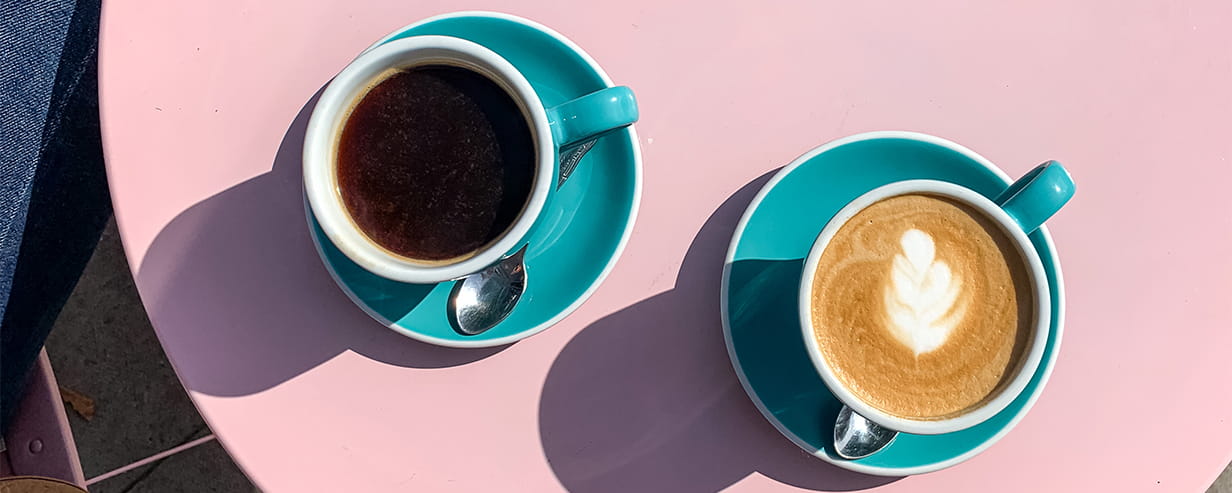
For many of us, a cup of tea or an energy-boosting coffee are a non-negotiable part of our daily routine but there’s always been a debate over which drink is better for our health.
Well, whether you’re Team Coffee or Team Tea, there’s good news as both beverages have benefits and can fit into a healthy lifestyle as well as counting towards consuming 30 plants a week.
Nutritionists Ann Garry, CEO and director of nutrition training at Health Coaches Academy; and Katie Sanders, Doctify-rated dietitian and nutritionist, offer their expert opinions on all things tea and coffee, including how caffeine affects us as we age, how much we should be drinking and whether we should switch from one to the other.
While both tea and coffee can fit into a healthy routine – and for most people there is no need to see either as “bad” – Garry says they have different benefits.
“If I had to give one overall answer, I’d say coffee probably has the broader evidence base when it comes to long-term health outcomes, but tea is often the gentler choice as we age,” she explains.
“Moderate coffee consumption has been associated with a range of positive health outcomes, including a lower risk of conditions such as type 2 diabetes and cardiovascular disease.
“Tea also has a strong track record, and that’s not just green tea. Black tea, which is the most commonly consumed in the UK, contains flavonoids that have been linked to heart health and may help support healthy blood pressure.
“In reality, the better choice often comes down to individual tolerance. If coffee leaves you feeling jittery, causes digestive discomfort or interferes with sleep, tea may suit you better.”

According to Sanders, they are both rich in plant compounds, but they are not identical.
“Coffee is a major source of chlorogenic acids, while tea provides flavonoids such as catechins and theaflavins,” she explains. “So it is less about one clearly winning and more that they offer slightly different strengths. Tea, especially green tea, is often highlighted for its flavonoid content, while coffee also has a strong evidence base for cardiometabolic health.”
Garry adds, “We often hear about antioxidants, and both tea and coffee are rich sources, but they contain different types. Green tea is particularly high in catechins, compounds linked to its potential benefits for heart health and ageing. Black tea contains theaflavins and thearubigins, which are formed during fermentation and also contribute to its antioxidant effects.
“Coffee, on the other hand, is rich in polyphenols such as chlorogenic acids, which have been associated with anti-inflammatory effects and improved glucose metabolism. In fact, for many people, coffee is one of the largest contributors of antioxidants in the diet.
“So if you’re asking which has the healthier image, green tea often comes out on top. But in terms of the strength and breadth of research in typical Western diets, coffee is equally well supported.”
Both experts agree that it does and it’s important to be more careful with coffee as we get older. “Coffee usually contains more caffeine per cup than tea, so it is more likely to trigger symptoms in people who find they are becoming more caffeine-sensitive with age,” Sanders says.
However, it doesn’t mean you need to cut it out and instead you may need to change the times at which you drink it.
“Caffeine can affect us differently as we get older, so it’s fair to say some people may need to be more cautious with coffee,” Garry advises. “It typically contains more caffeine than tea and can feel more stimulating. For older adults noticing palpitations, anxiety, bladder sensitivity or disrupted sleep, switching to tea, weaker coffee, or decaf can make a noticeable difference. It’s not that coffee suddenly becomes unhealthy with age, but tolerance can change.
“Even relatively modest amounts of caffeine later in the day can affect sleep, which becomes lighter as we get older. Timing can also play a role. Caffeine first thing in the morning may overlap with naturally high cortisol levels after waking.
“Some evidence suggests that waiting a little while before your first caffeinated drink may help avoid overstimulation, while consuming caffeine later in the day can interfere with sleep by delaying melatonin release.”
Research from Texas A&M University suggests coffee doesn’t just wake you up in the morning – it could protect your body in other ways too. A study showed coffee activated a receptor in the body that plays a role in ageing, stress response and disease, but more research is needed to find out exactly how it works.
“For sleep, tea may be the gentler option simply because it usually contains less caffeine,” Sanders says. “For heart health, both appear compatible with good health when consumed in moderation, and tea may offer a small advantage for blood pressure and cholesterol because of its flavonoids, while moderate coffee intake has also been linked with favourable cardiometabolic outcomes.
“For bone health, the evidence is more mixed. Tea has been linked in some studies with better bone mineral density, while high coffee intakes may be less favourable in some groups, particularly where calcium intake is poor or intake is very high. The aim is not to overthink it – for most people, it is about moderation and noticing what suits their body.”
Garry says that when it comes to iron absorption, it’s important for some people not to drink tea while eating meals.
“One interesting point is iron absorption,” she says. “Tea is known to reduce iron absorption when consumed with meals, so for someone with low iron, particularly if relying on plant-based sources, it’s better to avoid tea around mealtimes.
"On the other hand, some people find coffee helps with alertness and even bowel regularity, so it’s very individual.”
Find out which type of coffee is best for your health and how to maximise the health benefits of tea.

Although both tea and coffee have health benefits, it is important to remember that some of those can be reduced depending on what you have with them or put in them.
“One of the most important, and overlooked factors is how tea or coffee is actually consumed,” Garry explains. “A plain tea or coffee is very different nutritionally from a drink loaded with sugar, syrups or whipped cream.
“These extras can quickly turn a low-calorie, antioxidant-rich drink into a dessert, something much higher in sugar and calories, which may offset some of the benefits if consumed regularly.
“Milk is absolutely fine for most people and can add some nutritional value, including calcium and protein. Decaf is also a great option for those who enjoy the ritual but not the side effects of caffeine. If you do add sugar, it’s worth being mindful of how quickly it can add up across multiple cups a day.”
“I would not suggest switching purely because of headlines,” says Sanders. “If someone enjoys coffee, sleeps well, and does not get jittery or experience palpitations, there is usually no need to stop.
“But if they are struggling with sleep, anxiety, reflux or feeling overstimulated, swapping one or two coffees for tea – or choosing decaf later in the day — is a very reasonable change. Often the healthiest tweak is not tea versus coffee, but less sugar, fewer syrups, and avoiding caffeine too late in the day.”
Garry adds, “I wouldn’t tell anyone to ditch coffee and switch to tea. I’d tell them to pay attention to how they actually feel. If you enjoy coffee, sleep well, and feel good on it, there may be no reason to stop.
“If you’re feeling jittery, getting reflux, or waking in the night, swapping one or two coffees for tea or decaf is a very sensible experiment.”
“For most healthy adults, up to around three cups of coffee or four mugs of tea a day is generally considered a safe upper level, but that doesn’t mean everyone feels their best anywhere near that amount,” Garry advises. “In practice, it’s better to let your body guide you.
“If your sleep is suffering, your heart feels racy, or you feel dependent on caffeine to get through the day, you may already be over your own ideal limit.
“As a rule of thumb, coffee tends to need a bit more caution simply because it’s usually stronger, while tea is often easier to spread across the day in moderate amounts. In simple terms, it’s not just whether you choose tea or coffee, it’s how you drink it, how much you have, and the role it plays in your day that really matters.”
Both tea and coffee can be healthy choices as we get older, and the best option is usually the one you enjoy and tolerate well.
“Coffee tends to be higher in caffeine, so tea may suit people who are more sensitive, especially if sleep, palpitations or anxiety are becoming more of an issue,” Sanders says. “For most people, the biggest wins are keeping caffeine moderate, avoiding it late in the day, and cutting back on added sugar rather than worrying too much about whether tea or coffee is ‘better’.”
However, Garry says it’s not just about health and that a cup of tea and coffee can mean so much more.
“It’s also worth remembering that tea and coffee aren’t just about nutrients, they’re part of daily rituals and moments of pleasure,” she says. “For many people, making a morning coffee or sitting down with a cup of tea in the afternoon provides a sense of routine and comfort.
“Sharing a pot of tea with friends or meeting someone for coffee can support social connection, which is an important and sometimes underestimated part of healthy ageing. These small, regular moments of enjoyment and connection can have a positive impact on overall wellbeing, not just physically but mentally and emotionally too.”

Find out about Saga's gastronomy holidays here...
They say the way to the heart is through the stomach, and Saga’s thoughtfully crafted food and wine holidays are perfect if you like trying new flavours and exploring traditional methods of cooking.

Buy direct and start a new Saga Health Insurance policy by the end of 10 December 2026 to get your first 3 months free. T&Cs apply.
Underwritten by Bupa Insurance Limited.




The secret to being a successful trail ultra-runner as you get older includes a lot of walking and eating.

Running a half marathon is all about the right training. Here’s how to go about it.
Your questions answered about what really is a good 5k time.


Expert advice on how to train for a 5k with just three runs a week.

Running your first 5k is all about getting the pace right.