Warm wearables: how to stay toasty without turning up the heating
Heated gilets, insoles, gloves and throws: the latest warmables to keep you cosy and save money, wherever you go.
Heated gilets, insoles, gloves and throws: the latest warmables to keep you cosy and save money, wherever you go.
Just a few years ago hardly any of us had heard of heated jackets, gilets, gloves and insoles. But the warm wearables or 'warmables' market really has heated up over the past few years.
And it’s not just clothing. You can take your pick of heated throws, cushions, chair warmers and even a rechargeable upgrade of the humble hot water bottle.
The rising cost of heating our homes has left many of us looking for different ways to stay warm without turning up the heating.
John Lewis reported a 173% increase in sales of electric blankets and heated clothing brands are also seeing a surge in sales. Heating clothing brand Ororo said it had "been truly humbled by the overwhelming response from our customers."
Money-saving expert Martin Lewis has also highlighted heating gilets, insoles and gloves as good ways of saving money by ‘heating the human and not the home’.
Top of the his choices were USB gloves costing £10, which cost less than 1p per hour to warm you, heated insoles at the same cost have the same running cost, while £15 USB hand warmers are also the same to heat.
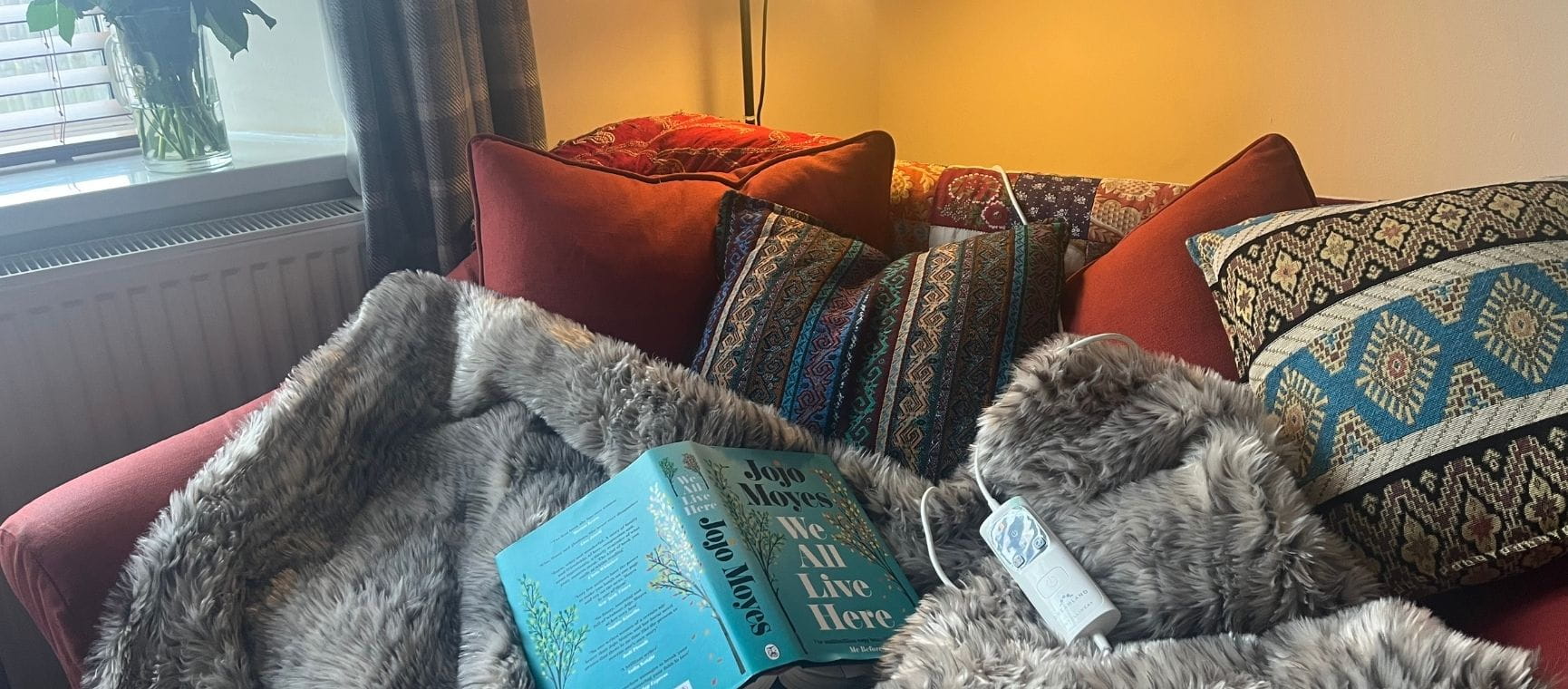
Electric heated throws have also seen a surge in sales and you can find them for sale in all our high street shops. While online homeware chain Lakeland has expanded its range of heated throws, blankets and ponchos to meet the increasing demand.
The retailer said: “Electric blankets and throws are actually very economical – costing from as little as 5p per hour to run, especially when you compare them with the cost of keeping your central heating on for hours or heating rooms you’re not actually using.
“According to the Energy Saving Trust, turning the thermostat down by one degree could save up to 10% on an annual energy bill.”
Dutch company Stoov is one of world's biggest sellers of both warm wearables - including heated cushions, chair warmers and rechargeable heated bottles.
Stoov founder Teun van Leijsen told Saga Magazine: "Over the past few years we’ve seen a real shift in how people think about warmth. Heating is no longer just about radiators and thermostats, it’s becoming personal, portable, and energy-smart. The warmables market has grown rapidly as more people look for comfort that moves with them.
"Our products are great for keeping warm indoors, supporting gentle exercise, and soothing aches - not to mention making outdoor activities like gardening and walking more appealing in the colder months. Since launching in 2014 we’ve sold over 1.5 million products, and this is growing year on year.”
With all warm wearables you will need to factor in the cost of buying your throw, gilet or gloves against your energy savings. They can range from £10 for a pair of rechargeable heated gloves, to more than £300 for a top of the range jacket.

The beauty of heated clothing is that, just like the Ready Brek children from the old TV adverts, you can take the heat wherever you go, ensuring you stay toasty on even the coldest winter day.
Television reporter and sports fans friends of mine swear by heated insoles on long winter days standing outside.
Many of them have invested in insoles with rechargeable batteries. Bertschat (USB pro insoles start at £149.99) are popular and although at the higher end of the market, they have great reviews.
I'm an occasional user and really rate the single-use heated insoles by The Heat Company. The brand is the official supplier of Swiss Ski, the Austria Ski Team and Snowboard Germany, so it knows its stuff. A pack of five foot warmers is £12.90.
If you really feel the cold it may be worth investing in a jacket or gilet for indoor or outdoor use.
Saga Magazine’s own technology expert Jonathan Margolis has discovered the joy of these clothes that warm your core.
He said: “In the depths of last winter I needed to build some shelving in an icy storage unit.
“Running a gas heater is not allowed, so with some scepticism, I bought a battery-heated gilet from Amazon called WeKit (Currently unavailable, but try Amazon’s Choice Rrtizan Heated Vest (RRP £79.99)).
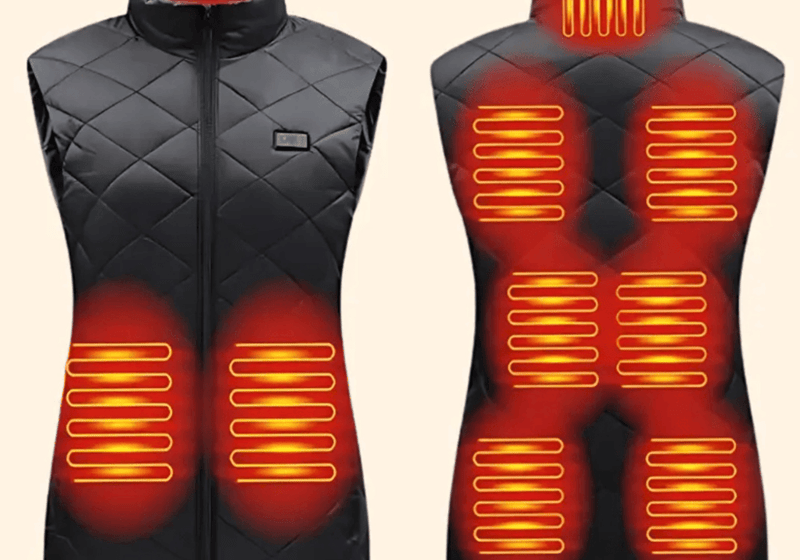
“It was a revelation. Quite brilliant. Even turned up to the max, it gives two hours of heat on one charge; longer if you turn it down.”
At the top end of the market Ororo has won best in test for its gilets (from £159) and jackets (from £179).
These can be a game changer for anyone suffering from frozen and painful hands.
At the top end of the market Sealzskinz Filby (RRP: £190) can tackle the harshest mountain conditions.
You don’t need to spend this much. If you are looking for something for when you are walking the dog, outdoors with your grandchildren or supporting your favourite team, then Amazon has pairs from as little as £10.
If electric wearables don't appeal, then try a heated bottle. Stoov has one with infrared warmth but without the worry of filling a bottle with boiling water.
Try the Homey (RRP:£84.99), a cordless rechargeable fabric-covered bottle with pockets for warming your hands in. I have one and love it. I use it every day during the cold winter months. One charge lasts up to four hours.


Guard against inconvenient and unexpected boiler failure with Saga Home & Heating Emergency cover and boiler service option.

Saga offers escorted tours throughout Europe and as far afield as South Africa, Japan, Canada and Australia, plus hotel stays in popular European hotspots including Spain, Portugal, Croatia and Greece.
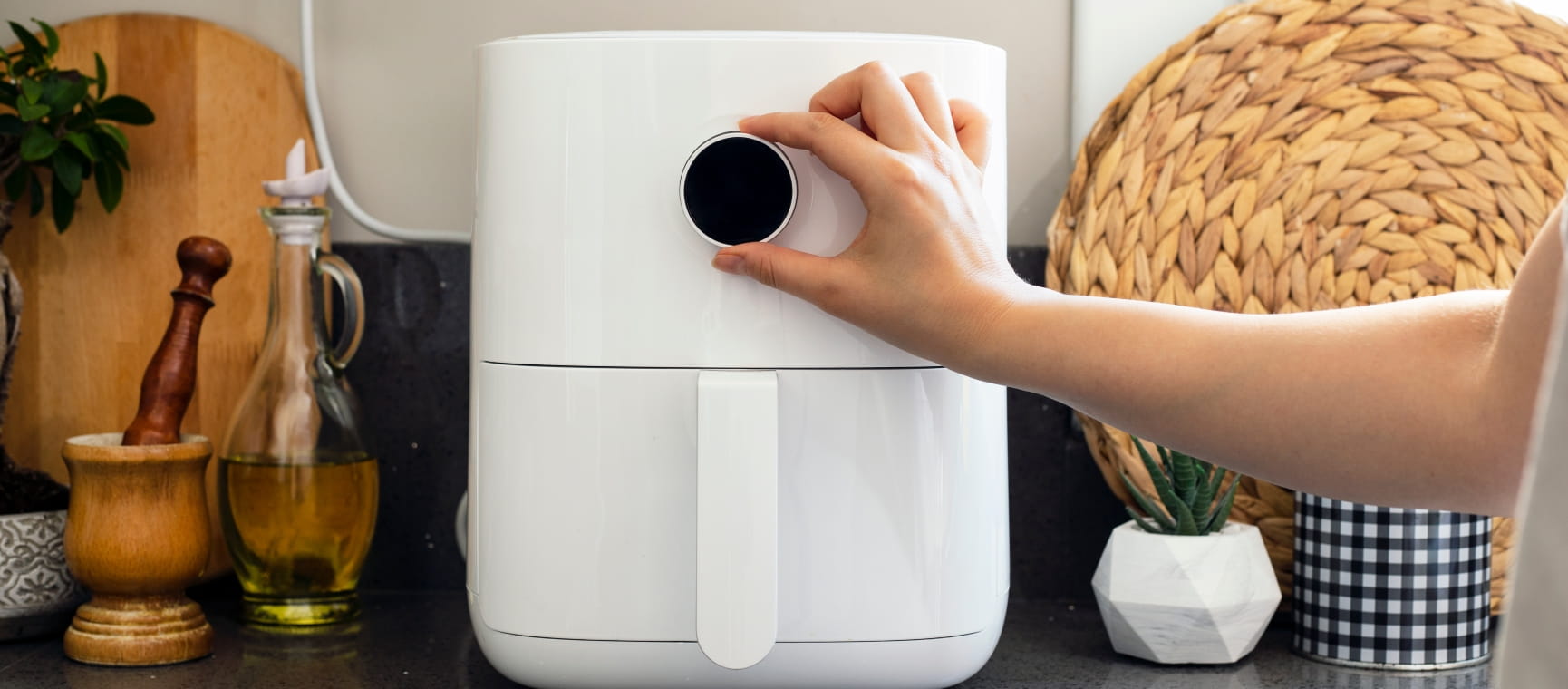
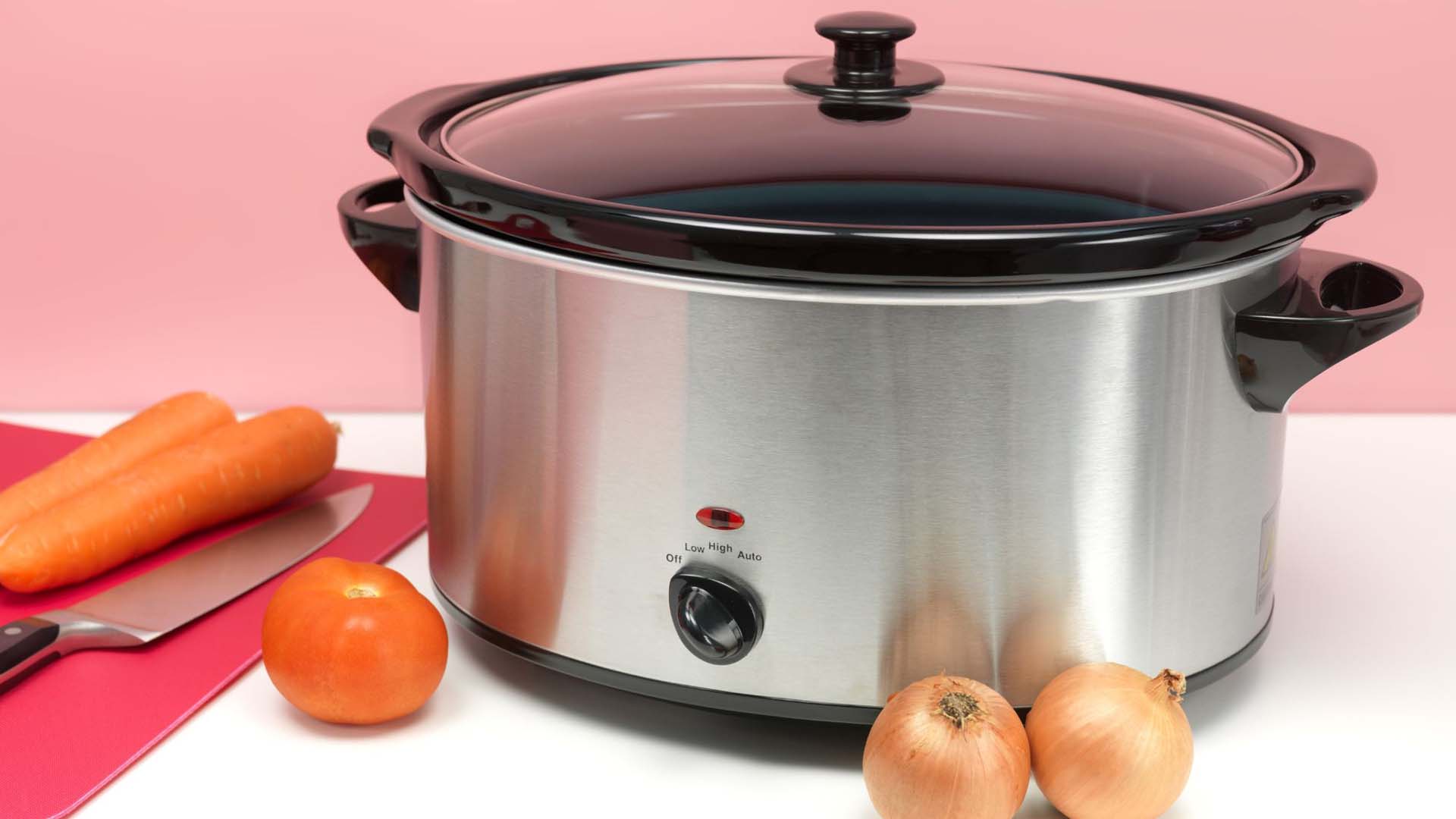
Home chefs are turning to their air fryer and slow cooker to save money on their energy bills. Which is cheaper to run?
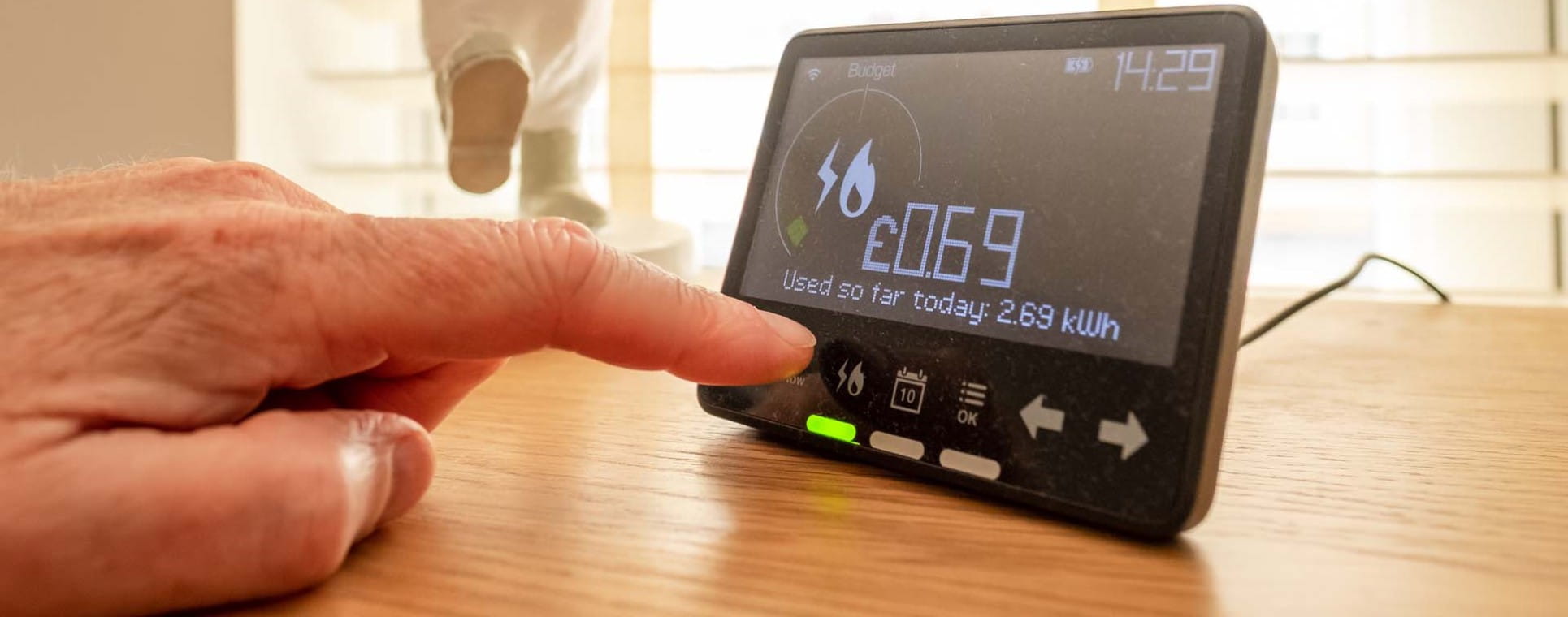
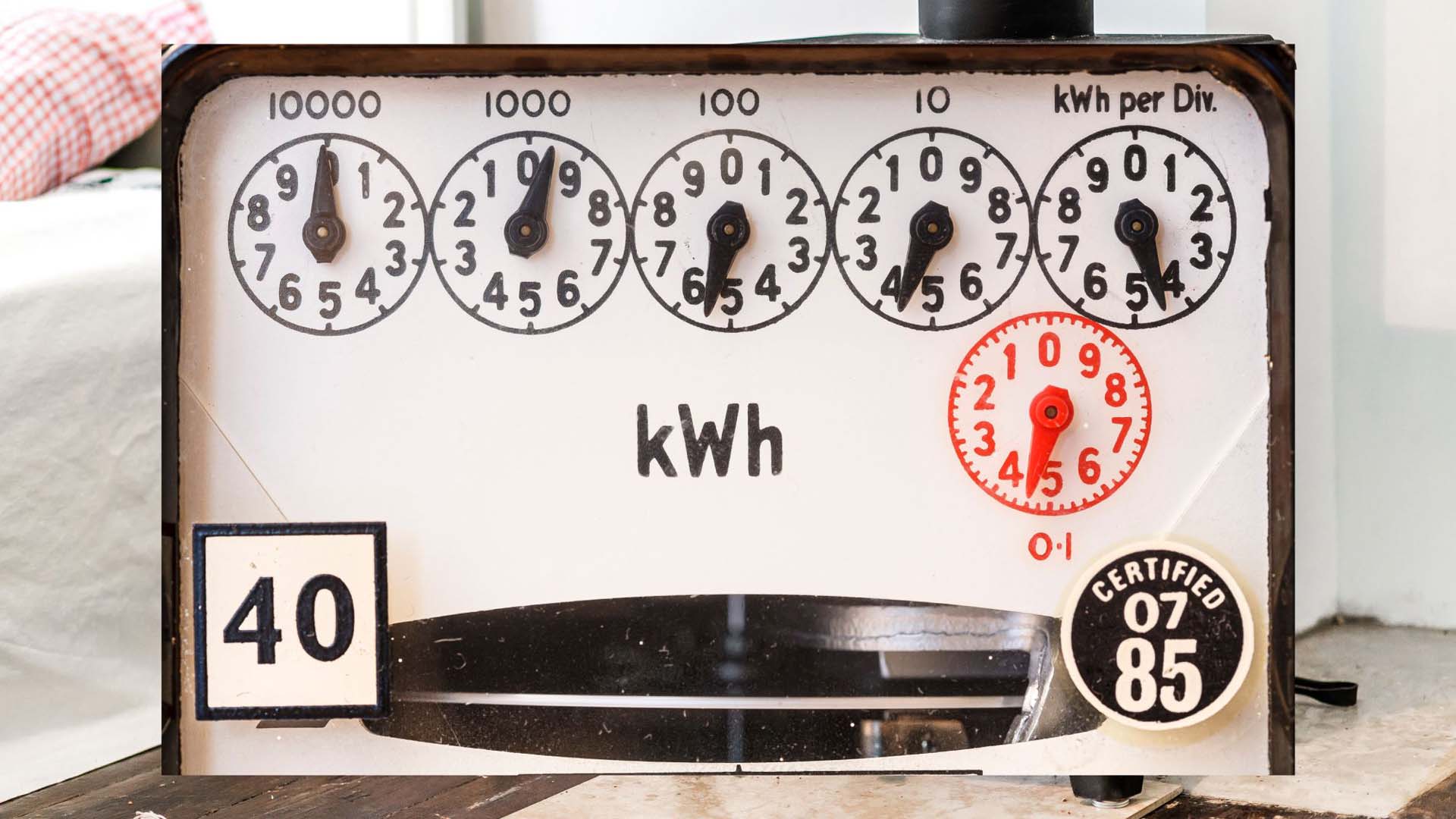
Find out if a smart meter offers you more benefits than your traditional energy meter.

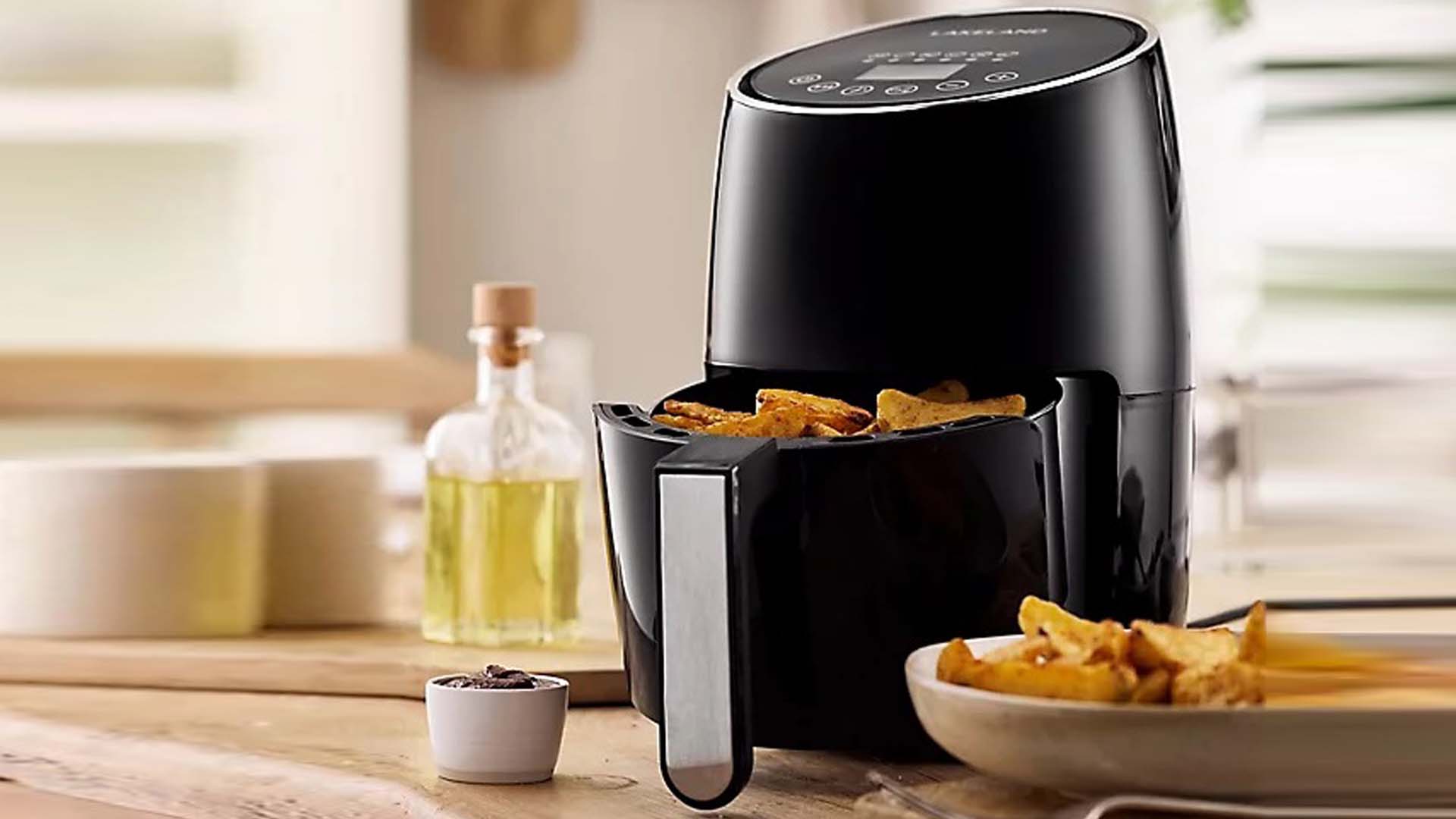
As well as being a healthy option, air fryers are said to save money – but in reality, how economical are they?