How to tell what your dog is thinking
From the guilty look to the wagging tail, trainers decode the 8 everyday signs that owners get wrong and reveal what dogs are really trying to tell us.
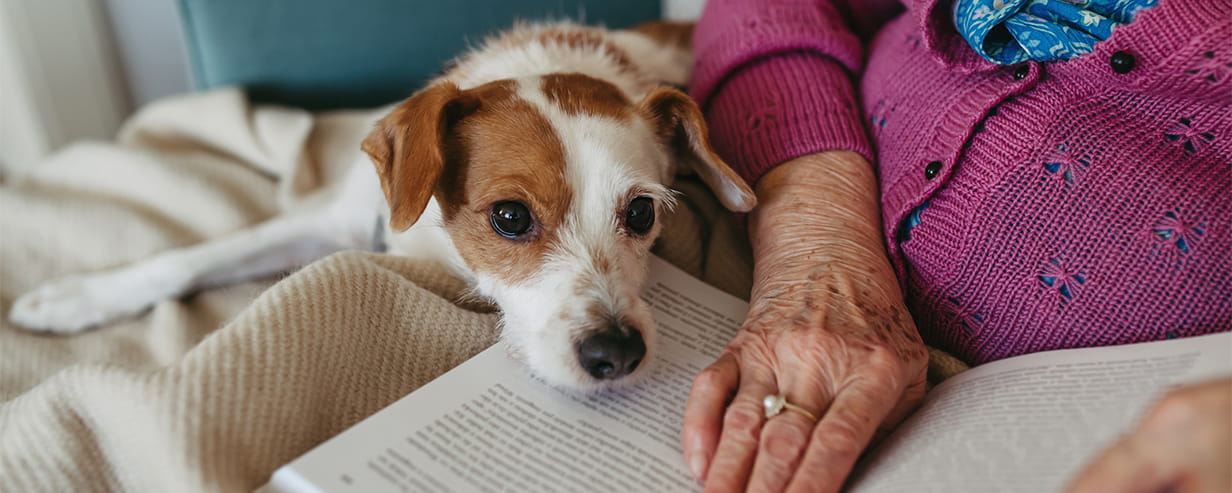
From the guilty look to the wagging tail, trainers decode the 8 everyday signs that owners get wrong and reveal what dogs are really trying to tell us.
We like to think we know our dogs. We feed them, walk them, play with them and often sleep beside them. But many of us miss or misinterpret signs and signals that could tell us what they’re thinking and feeling.
“Human perception is not great compared to a dog’s perception,” says Paula Stewart, animal trainer and director of The Animal Talent, an animal model and acting agency.
“Dogs sense our emotions. They can read subtle body language. Humans find this much harder. Dogs read us better than we read them.”
Want to get better at it? Here are some clues your dog might like you to know.
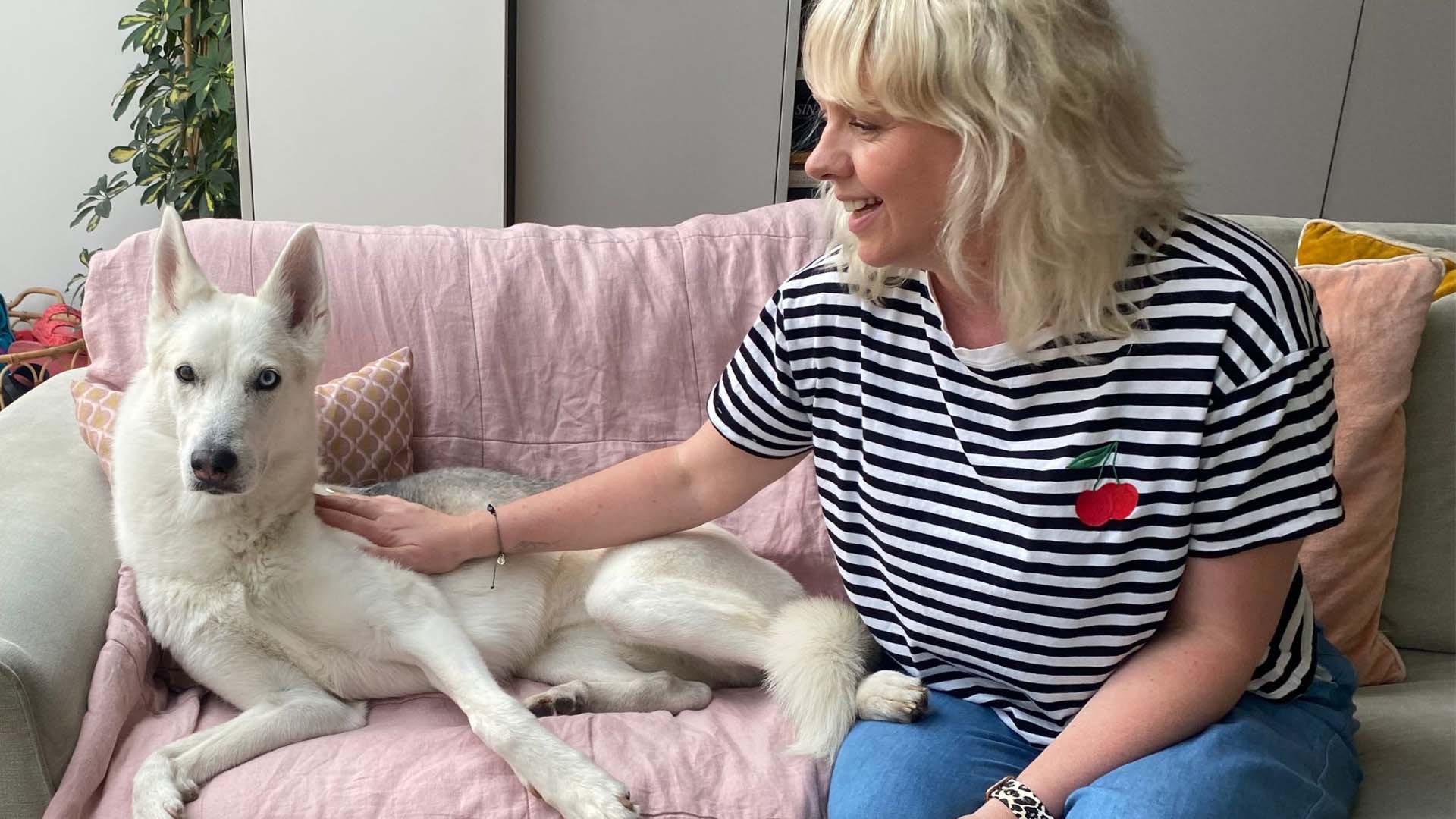
When a dog stares into the eyes of another dog, it can be a sign of aggression, but when they look straight at you, they feel something different.
“They’re showing their love for you,” says Stewart.
One sign to watch out for, however, is “the whale eye”, when dogs show the whites of their eyes. This suggests that they’re scared, explains Stewart.
Dogs also look at us in a certain way to diffuse conflict, says dog trainer Niki French. If they’ve snaffled some leftovers or bounded through the hall with muddy paws, we might get angry with them. The dog might lower their head and have “guilty eyes”.
“What we often call guilt is more likely appeasement, uncertainty or anxiety in response to how we’ve reacted,” says French.

Dogs have learned that certain human behaviours, such as a pointed finger or fierce tone, suggest tension. The dog is now trying to diffuse the situation.
“Dogs don’t feel guilt in the same way as humans,” adds Stewart. “They aren’t thought to learn from retrospection. They learn through what happens at the time.”
The look they’re giving you when you tell them off is a response to the here and now, not what they’ve done two hours ago.
Dogs’ ears flicker between positions in response to sound, emotion and social cues. Forward-pointing ears suggest alertness, interest or intensity. Pinned-back ears tend to indicate fear, discomfort, or appeasement.
“Breed and ear shape matter hugely,” says French. “It’s much easier to read ear movement in a prick-eared dog [such as a German Shepherd] than in a dog with heavy, dropped ears [such as a Cocker Spaniel]. Ears aren’t always reliable on their own, but they are a really useful part of the overall picture."
“Dogs tilt their heads when they’re trying to gather information,” says French. “They may be listening carefully, trying to locate a sound or responding to a familiar word, tone or expression.”
Some dogs know that humans like it when they do this. We might find the head tilt charming. The dog might then use it to get a response from us. Don’t assume your dog is being manipulative, though, cautions French. They might just be curious, concentrating or confused about a command.

“Unless a dog is eating, this is nearly always a sign of stress,” says Stewart.
“It’s part of a wider appeasement or self-soothing response,” adds French. “Dogs may lick their lips when they feel uncertain, pressured, worried or conflicted. It’s like a dog whispering about how they feel, before they need to shout.”
Lip licking can also signal nausea, toothache or other health issues, says Stewart. If your dog licks their lips frequently without an obvious trigger, take them to the vet.
When dogs roll over and lie on their back, it can mean two very different things. If their body is loose, they might want a belly rub. The belly is a vulnerable area, so rolling over can signal trust and be an invitation to play.
At other times, a dog rolls over not to invite touch, but to end confrontation. They’re trying to appease you.
“If a dog rolls over and freezes or is stiff, that is a very different picture from a loose, wiggly dog inviting a belly rub,” says French. Freezing is the body’s way of signalling discomfort, conflict or a desire not to make things worse.
When a dog freezes, says French, give them space. If they move away, they’ve had enough. If they follow you and flop back down, that’s your invitation to play.
“Tail wagging is not a simple happy dog signal,” says French. “A dog may wag their tail when they are happy, excited, conflicted, worried, frustrated or highly aroused. The tail position, speed, stiffness, direction and the rest of the dog’s body all matter, along with what’s going on around them.”
Some research suggests that wags mainly to the right mean the dog is feeling happy emotions, while wags mainly to the left can indicate stress or uncertainty. Circular wags can signal unbridled joy.
A frantic wag tends to mean high excitement; a slow, measured wag tends to signal caution. If a dog is carrying their tail high, they tend to be alert and focused; if they’ve tucked their tail between their legs, they might be scared or in pain.

According to research, tail wagging may have evolved partly for humans. One theory suggests it might be a by-product of us selecting for tameness or we might have favoured it because we’re drawn to rhythmic motion.
It’s important to pay attention to the tail, experts say, but like all signs, you shouldn’t read it on its own. As an extra clue to your dog’s mood, look at whether their body is tense or relaxed.
“I often say to clients that the tail is one part of the sentence, not the whole story,” says French.
“Dogs get into a play bow position [with their front down and their back end up] with humans and dogs,” says Stewart. “It tends to be a clear sign that says let’s play.”
“It can help make chasing, grabbing, bouncing, or exaggerated movements that come after this safer because the other dog [or person] understands the context,” adds French. “Play bows signal that the behaviour is not meant as a threat.”
Consider how your dog is moving. A dog might also adopt this position if they’re in abdominal or gastrointestinal discomfort. “Play bows are usually loose and bouncy,” says French. “Pain-related postures may be fixed, tense or repetitive.”
Some dogs love bringing their owner a stuffed toy or a ball, but when the owner reaches for it, the dog pulls away. “They’ve brought you a toy to show you they’re happy to see you,” says Stewart.
“They hold onto it because they can’t contain their excitement.” The dog, she says, feels overwhelmed by their emotions.
Show them that you’re happy to see them too, says Stewart. They should eventually relax and may well surrender the toy. Now you can expect a circular wag of joy.
Do dogs make you healthier? Gut expert Tim Spector says they do.
(Hero image credit: GettyImages)


Be the first to know when your dogs and cats can join the Saga family too.

Your chance to win cruise for two to Cádiz, Casablanca and the Canary Islands, worth more than £9,600.

Some dog gadgets are genuinely useful. Here’s the tech that’s worth the money and why.