Scammers just got cleverer – Saga experts reveal the warning signs that matter
From fake phone numbers to pressure tactics, Saga experts share the latest ways people are being caught out online and how to stay safe.

It’s easy to think scams only happen to “other people” but official figures tell a different story. Recent surveys estimate that tens of millions of UK adults have been targeted by scam attempts, with millions losing money as a result. The Crime Survey for England and Wales recorded around 4.1 million fraud incidents in the year to June 2025 alone.
Having covered online scams and digital fraud for years, one thing is clear to me: scams are becoming harder to spot. Advances in technology, including the growing use of artificial intelligence, mean fraudulent emails, messages and phone calls can now sound more polished, more personal and more convincing than ever.
The reality is that many scams don’t begin with anything obviously suspicious. They start with everyday interactions – a routine phone call, an email that looks genuine or a quick search online for help.
One reassuring truth is this: scams are on the rise not because people are becoming careless, but because fraudsters have become better at blending in.
Around 70% of UK adults have received a scam message that appeared to come from a trusted source, such as a bank or delivery company, and more than half of those targeted believe AI-generated content was involved, a sign of how convincing these attempts can be. When something looks and sounds legitimate, it naturally lowers our guard.
Which? runs a regularly updated Scam Alerts section covering everything from fake delivery texts and bank impersonation emails to holiday and investment scams. It’s easy to follow and clearly explains how each scam works and what to do if you’ve been targeted.
Alternatively, you can sign up to the National Trading Standards scam alert newsletter, which sends warnings about new and emerging scams directly to your inbox, helping you stay informed without having to go looking.
Technology has also shifted the landscape. Tools such as artificial intelligence can now be used to generate convincing emails, realistic voices and even video calls, quickly and cheaply. At the same time, more of our everyday lives, from managing finances to booking travel or updating details, now happens online, creating more touchpoints where scammers can try their luck.
Importantly, modern fraud relies far less on technical trickery and far more on psychology. Scammers create a sense of urgency – a payment problem, an account issue, an offer about to expire – nudging people to act quickly rather than pause and double-check.
These are the same scenarios that I've seen crop up again and again in fraud cases, regardless of the brand being impersonated. Most online scams don’t begin with anything dramatic or obviously suspicious. In fact, they often start with sensible, everyday behaviour and that’s why they can be so effective.
One of the most common ways people are caught out is simply by trying to find the right contact details. Online searches can surface sponsored or unofficial results, and AI Overviews may summarise information from multiple sources rather than the organisation itself. Adam White, IT security education and awareness consultant at Saga, explains why this can be risky.
“Users can be targeted with fake adverts promising promotions, encouraging them to call a scam phone number or get directed to a fake website,” he says.
“AI Overviews have recently been introduced on search engines, but businesses have very little ability to make sure these are showing correct information. Rather than relying on search results, always use the contact details on a booking reference or via an official website.”
Another clear warning sign is pressure. Scammers often create a sense of urgency, saying an offer is about to expire, a booking will be cancelled or a problem needs fixing immediately. When we’re told something needs urgent attention, it’s natural to want to resolve it quickly. Taking a moment to pause, rather than reacting straight away, can make all the difference.
Payment requests are another area where scams often reveal themselves. Being told card payments aren’t working, being asked to try multiple cards or being directed towards a bank transfer are all situations that should prompt caution. Genuine organisations will offer clear, secure payment processes and won’t rush you into unfamiliar methods.
Persistence can also be a red flag. Repeated calls, texts, WhatsApp messages or emails urging you to “finish” a transaction or complete a payment are often used to wear people down. Messages may feel rushed, poorly written or unprofessional, designed to keep the pressure on rather than give you space to think. Legitimate companies, like Saga, won’t bombard you if you ask for time to think.
If any of these situations sound familiar, it doesn’t mean you’ve done anything wrong. These scams work precisely because they mirror normal interactions. The key is knowing that it’s always OK to stop, check, and take your time.
Emails from scammers can look convincing at first glance, but there are often small details that don’t quite add up.
When it comes to Saga emails, White says things to look out for could be typos or grammatical errors, an unprofessional tone, or potentially screenshots of the Saga website to show an itinerary instead of a more official on-brand communication.
If you do receive an email claiming to be from Saga that you are concerned about, White advises forwarding it to onlinesecurity@saga.co.uk for Saga’s internal teams to review.
Online scams rely on momentum – keeping you moving before you’ve had time to think. That’s why your instincts matter. If anything makes you feel nervous or rushed, stop what you’re doing. A legitimate company will never object if you want to hang up and call back, and you’re always free to step away from a website or message while you check things properly.
Here are some other things to keep an eye out for:
If contact feels excessive, informal or intrusive, it’s worth stopping to check.
If you’re contacted out of the blue by phone, email or message, then pause. Legitimate organisations don’t usually ask for personal or payment details without warning.
If you’re unsure, hang up and contact the company directly using trusted details.
Be cautious if you’re asked for personal details and can’t be sure who you’re dealing with. Scammers often collect information gradually, which can be used to access accounts or steal identities.
If something sounds unusually generous, take a step back and check before responding.
“If a Saga offer feels like it could be too good to be true, contact us via our official website or telephone number so we can help you check that it is genuine,” says White.
“Fake websites can look very convincing and can even be complete copies of the real site,” says White
Sites asking for sensitive information should start with https and show a padlock in the address bar. If those basics aren’t there, step away. He says when it comes to Saga sites, the best thing to do is go to saga.co.uk and follow the links in the main site to your required product, such as cruise or insurance.
“If you are unsure, please call the official Saga booking phone number to speak to our one our agents,” he suggests.
Spelling mistakes, odd formatting or unfamiliar sender details can be signs a message isn’t genuine, even if it uses a trusted name.
Being rushed to make a decision or payment is a strong signal to pause.
Requests to change payment method, try multiple cards or make a bank transfer should raise questions. Secure companies like Saga won’t push you into unfamiliar payment methods or ask you to give card details verbally.
“Saga will never ask you to read out your card numbers over the phone or send them by email,” says White. “There will be a secure automated payment system where you will enter your details using your device keypad.”
Messages asking you to click links or download files, especially those you weren’t expecting, should be treated with caution.
Always use trusted contact details. The safest way to contact Saga is by using the phone numbers listed on the official contact us page – there are different numbers depending on what you need – or the contact details shown on official letters and emails you’ve already received from Saga. It’s best to avoid using search engines to find contact numbers, as fraudulent numbers can sometimes appear in results.
If something doesn’t feel right, end the call. You can then contact Saga directly using the details on the website or official paperwork. Saga’s webchat is also available if you want reassurance before continuing.
If you think a scammer may have contacted you, acting quickly can help limit any damage and you don’t have to deal with it alone.
White says the most important first step is to slow things down.
“If something doesn’t feel right, check that you’re on the correct website before doing anything else,” he says.
After years of writing about online scams, one thing stands out: the people affected are rarely careless. I’ve spoken to those who considered themselves tech-savvy, as well as those who were simply going about everyday tasks such as checking emails or shopping. Being targeted is nothing to be ashamed of. Fraud is a crime, even if it can feel invisible, and many cases still go unreported. Estimates suggest only around 14% of incidents are reported to Report Fraud.
Staying cautious matters, but scams shouldn’t put you off navigating the online world. Pause, check, trust your instincts – and keep going.
Jayne cut her online journalism teeth 24 years ago in an era when a dialling tone and slow page load were standard. During this time, she’s written about a variety of subjects and is just at home road-testing TVs as she is interviewing TV stars.
A diverse career has seen Jayne launch websites for popular magazines, collaborate with top brands, write regularly for major publications including Woman&Home, Yahoo! and The Daily Telegraph, create a podcast, and also write a tech column for Women’s Own.
Whether you're looking for straightforward insurance or cover that's packed with extras, our home insurance has plenty of options for people over 50.
Your chance to win a 14-day tour around the Rockies and Vancouver for two, worth more than £8,800.
T&C’s apply.
Ingenious speakers, brilliant earbuds, nifty note takers - our expert picks his top tech gifts.
Electric models are set to dominate the market next year, including a flood of budget Chinese brands.
How breaking my phone ruined one of the best nights of my life - and the expert lessons that will help you avoid my mistakes
New to podcasts? Here’s our straightforward guide to finding them, playing them and enjoying them.
The EVs you should consider before the new electric vehicle road tax comes into force.
As the use of contactless soars, our columnist asks what can be done to prevent discrimination against those still wanting to use cash.
Follow our step-by-step guide to find out your internet speed - and whether it’s your device or broadband that’s slowing you down.
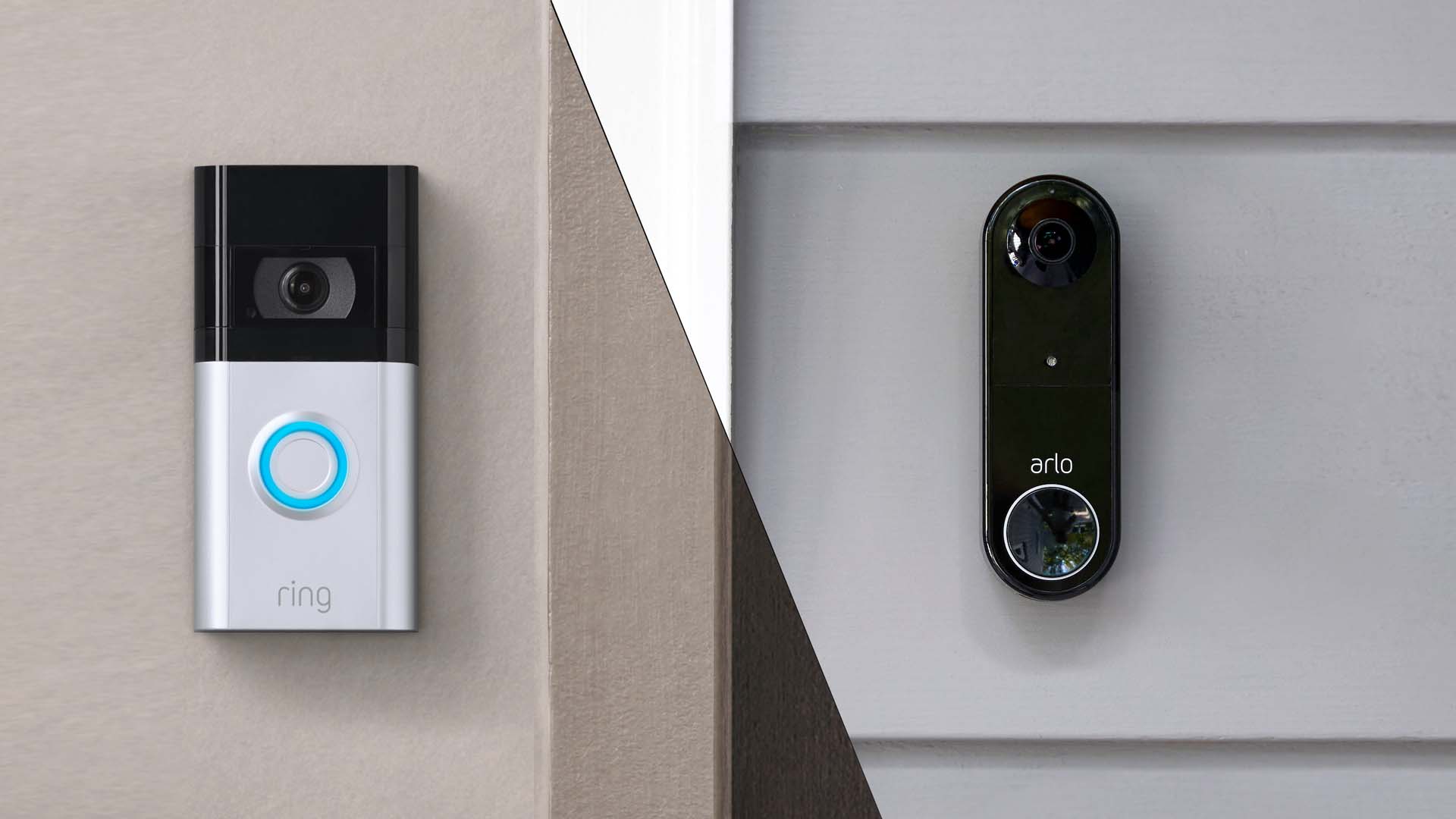
These video doorbells show you who's at your door, even when you aren't home.
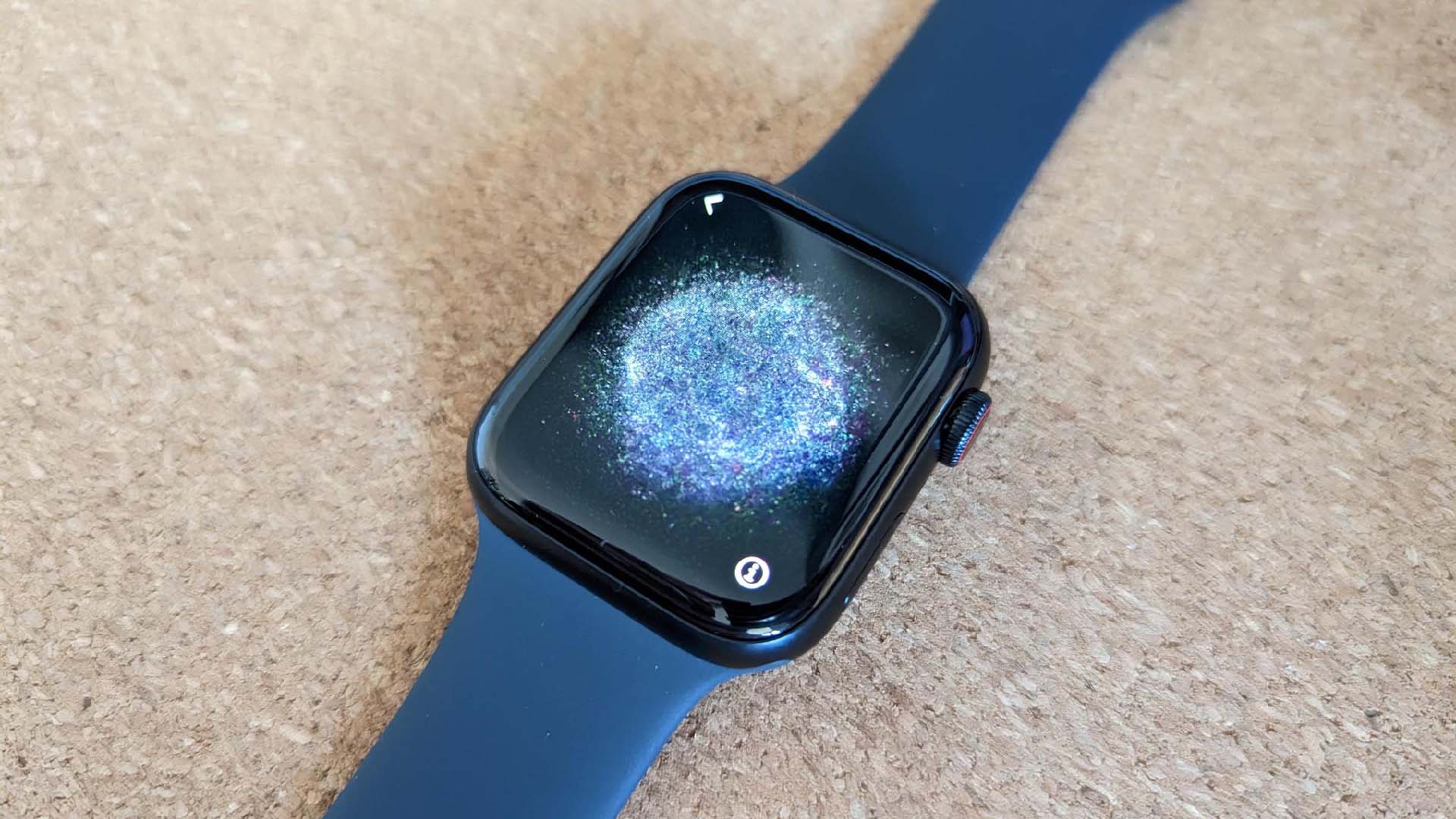
We explain everything you need to know to connect an iPhone to an Apple Watch.
Think you know how to use WhatsApp? We've got some handy tips to help you get the most out of the messaging app.