Article
money-news
Skip to content
Saga logo
Account icon MySaga
  • Insurance
    Go to Insurance Contact us Contact us
    • Car
      • Car insurance
      • Over 50s car insurance
      • Fixed price car insurance
      • Car insurance add-ons
      • Electric car insurance
      • Breakdown cover
      • European cover
      • Make a car claim
      • Car insurance FAQs
    • Home
      • Home insurance
      • Buildings & contents insurance
      • Over 50s home insurance
      • Contents insurance
      • Renters insurance
      • Home insurance add-ons
      • Fixed price home insurance
      • Make a home claim
      • Home insurance FAQs
    • Travel
      • Travel insurance
      • Single trip travel insurance
      • Existing medical conditions
      • Annual travel insurance
      • Cruise travel insurance
      • Over 70s travel insurance
      • Delayed Flight Assistance
      • Make a travel claim
      • Travel insurance FAQs
    • Private medical
      • Health insurance
      • Compare healthplans
      • What is health insurance?
      • Switching provider
      • Over 60s health insurance
      • Options to improve cover
      • Your choice of hospital
      • Make a health claim
      • Health insurance FAQs
    • Other
      • Landlord insurance
      • Motorhome insurance
      • Policy books
      Already a customer?

      Find everything you need for claims, renewals, and policy changes all in one place.

      Visit the Customer Hub
    Insurance help and resources
    • Contact us
    • Bereavement service
    • Support services
    • Hear more from us
    • Customer hub
  • Holidays
    Go to Holidays Call us now Call us on 0808 239 3479
    • Escorted tours
      • Escorted tours
      • Escorted tour offers
      • Solo escorted tours
      • Safari tours
      • Rail journeys
    • Hotel stays
      • Hotel stays
      • Hotel stays offers
      • Solo hotel stays
      • All inclusive
      • Winter sun
    • Special interest
      • Birdwatching
      • Walking
      • Food
      • UK universities
      • All special interest
    • Travel inspiration
      • Destinations
      • Last-minute holidays
      • 2027 Holidays
      • New holidays
      • Blog
    • Existing customers
      Already booked a holiday?
      View your booking, travel documents and update details ahead of your holiday.
      View my booking
    Holiday help and resources
    • Manage my booking
    • Request a brochure
    • Hear more from us
    • Contact us
    • FAQs
  • Cruises
    Go to Cruises Call us now Call us on 0808 258 6779
    • Ocean cruises
      • 2026 ocean cruises
      • 2027 ocean cruises
      • Late availability cruises
      • Solo ocean cruises
      • Ocean cruise offers
      • Ocean cruise destinations
      • What's included
      • Ocean cruise FAQs
    • River cruises
      • 2026 river cruises
      • 2027 river cruises
      • Solo river cruises
      • River cruise offers
      • River cruise destinations
      • What's included
      • River cruise FAQs
    • Why cruise with us?
      • Ocean cruise experience
      • River cruise experience
      • Love It First Time guarantee
      • Benefits of booking early
    • Travel inspiration
      • Travel advice
      • Travel experiences
    • Existing customers
      Already booked a cruise?
      Add passport details, view your cruise documents and check your cruise itinerary.
      View my booking
    Cruise help and resources
    • Manage My Booking
    • Request a brochure
    • Hear more from us
    • Contact us
    • FAQs
  • Money
    Go to Money Contact us Contact us
    • Savings
      • Easy access savings
      • Fixed rate savings
      • Cash ISA
      • How does interest work?
      • How to set savings goals
      • How to budget
      • Go to Savings
      • Existing Savings customers
    • Mortgages
      • Standard mortgages
      • Buy-To-Let
      • Remortgaging
      • Family supported mortgages
      • Compare mortgage rates
      • Retirement interest only
      • Go to Mortgages
      • Existing Mortgage customers
    • Equity release
      • Equity release calculator
      • Exclusive product
      • Pros and cons
      • Request a free guide
      • Alternatives to equity release
      • Request a call back
      • Go to Equity release
      • Equity release FAQs
    • Legal services
      • Will writing
      • Lasting power of attorney
      • Probate
      • Free legal review
      • How to make a will
      • Guide to probate forms
      • Go to Legal services
    • Investing
      • Stocks & Shares ISA
      • General Investment Account
      • Existing Investment customers
      Read the latest Saga Money news
      The latest news, articles and wider reading on all things financial. Making the most of what you have.
      Saga Money news
    Money help and resources
    • Contact us
    • Support services
    • Hear more from us
  • Magazine
    Go to Magazine
    • Explore topics
      • Homes
      • Entertainment
      • Gardens
      • Health & wellbeing
      • Life
      • Travel
      • Recipes
      • Video & podcast
    • Games and puzzles
      • All puzzles
      • Codeword
      • Crossword
      • Quick crossword
      • Sudoku
      • Hard Sudoku
    • Partnerships
      • Vintage by Saga ↗
      • Saga Connections ↗
    • Saga Magazine
      Subscribe to the award-winning Saga Magazine. A celebration of life, experience, and the joy of living, delivered direct to your door.
      Subscribe
    Magazine help and resources
    • Log in to MySaga
    • Hear more from us
    • Contact us
  1. Home
  2. ...
    1. Money news
  3. Are retirement properties worth it? 

Are retirement properties worth it? What you need to know

Retirement properties offer community and facilities. But beware high costs and that they can be hard to sell.

By Ruth Jackson-Kirby | Published - 20 May 2025
Social Facebook Social Twitter Email

Retirement properties have their appeal, offering community, lower maintenance and security in later life. But there are challenges, particularly when it comes to selling them. So is a retirement property worth considering?

Demand is growing, in part because of the UK’s ageing population. The number of units increased by five years between 2019 and 2024, according to real estate company JLL. The number of people aged 75 and over is expected to rise by 38% between 2023 and 2040, according to the Office for National Statistics.

But these properties can have drawbacks. Angela Kerr, director at the HomeOwners Alliance, says that while they offer an appealing and tailored living environment for older adults, “We regularly hear from owners, and their adult children, caught out by the hidden costs and complex terms.”

What’s on this page?

  • How retirement properties work
  • Types of retirement developments
  • Pros of retirement flats
  • Cons of retirement flats
  • Renting vs buying a retirement property
  • Checklist: Questions to ask
  • In summary

How retirement properties work

Retirement properties are specifically designed to provide accommodation for people aged above 50, usually older. The average age of move-in is in the late 70s, according to JLL. The majority of retirement property in the UK is rented social housing, run by local authorities and housing associations. But “integrated retirement communities”, run by private developers, are a fast-growing part of the market. 

These tend to include more communal facilities, such as gardens, pools, gyms and activities. These flats are sold leasehold, meaning you have the right to live in a property for a set period – usually 99 or 125 years. Most new-build retirement properties now come with 999-year leases. In Scotland, flats are likely to be freehold but you’ll pay a fee for the management of communal areas.

Existing leases may also have charges for ground rent, although this has now been abolished for new long-term residential leases. Monthly service charges can be hundreds of pounds. “The better the facilities, the more you can expect to pay in service charges – and you’ll be paying whether you use them or not,” says Kerr.

The charity Age UK says that for a one-bedroom flat, you can expect to pay between £1,500 and £3,000 a year in service charges. But newer schemes with 24-hour staffing, extensive communal facilities and on-site care facilities charge up to £10,000 a year. There may also be ‘event fees’ (for moving out or subletting) and ‘exit fees’ (essentially deferred management fees). It’s important to ask for a full breakdown of current and future fees and have the lease reviewed by your own solicitor before you commit.

Chrissy Fice, marketing director at developer McCarthy Stone, says a retirement property should be viewed as much more than bricks and mortar – it’s about the lifestyle and in some cases the security too. “Many of those living with us want to maintain an independent, flexible and active lifestyle. Some use their retirement property as a ‘lock up and leave’ so they can make the most of seeing the world in retirement as they know it will be safe and secure while they’re away.

  • Read our tips here on how to declutter your home if you’re thinking of moving.
Happy mature husband and wife sign contract closing deal with female bank specialist taking loan together, pensioner clients couple meeting with realtor put signature on agreement buying property
Image credit: Shutterstock/ fizkes

Types of retirement developments

Affordable sheltered housing typically offers limited facilities, like a warden and emergency alarm system, communal lounge, laundry facilities and guest room. Privately-run integrated retirement communities usually have more amenities, which might include a billiards room, swimming pool, restaurant or even a cinema.

Some offer activities such as fitness classes, arts and crafts and gardening. In the UK, they’re likely to be managed by the developer, but they can be run by a third-party management company. McCarthy Stone and Churchill are the biggest private providers, but there are a range of others.

If you have more health needs, the next step up is housing with extra care. Also known as assisted living, this offers staff to help with personal care. They usually have 24-hour nurses and care staff on site to help if needed. Services and costs can differ greatly so make sure you compare a few options to see what is available in the area you want to live in.

  • If you need a care home, we explain how to find the right care home for you.

Pros of retirement flats

Retirement properties have plenty of appeal. They offer peace of mind, convenience and a ready-made community. The developments are usually secure with 24-hour emergency call buttons. Plus, you don’t have to worry about gardening or a lot of maintenance. They also offer the attraction of a purpose-built home designed for older residents. So you get lifts, wider doorways and generally step-free homes.

Retirement developments can be a great weapon against loneliness, since the shared facilities and community of people in your age group give you easy opportunities to socialise.

“Over 80% of McCarthy Stone homeowners say they feel part of a vibrant community, compared with less than half of over-65s in mainstream housing,” says Fice.

Cons of retirement flats

There can also be problems and challenges associated with retirement properties. One of the big ones is the service charges. All those communal areas and events must be paid for. According to the Lottie website, the average monthly service charge is £523.99 a month (or £120.93 weekly).

You pay these whether you are using the facilities or not. “You’ll usually keep paying service charges even after you’ve moved out or passed away, until the property is sold,” says Kerr.

Whether you decide to move on, or your family are selling your place after your death, it can be a difficult process. Selling can be slow and you often can’t sublet while it is on the market. Sometimes the developer/management company has the right of first refusal or must approve the buyer, which can complicate and slow things down.

“There’s a smaller pool of potential buyers, and while you wait, the bills don’t stop – you’ll still be on the hook for service charges and ground rent,” says Kerr. “Poor resale value is also a common problem and should be considered as one of the hidden costs of retirement properties.”

Another issue is the exit fees of up to 35% you may have to pay when you sell, according to the HomeOwners Alliance. Add that to the fact you may not get back what you paid, and retirement properties can be very expensive.

There may also be restrictions, such as rules on pets, long-term guests, or alterations to the property. It’s worth thinking about whether you will benefit from a retirement community specifically, as opposed to simply downsizing to a smaller property that may be suited to your needs.

Renting vs buying a retirement property

Renting a retirement property is becoming increasingly common and has benefits. You avoid the hassle of having to sell the property in the future and worries about maintenance. It could be helpful if you don’t want to tie up your capital, or want to “try before you buy”.

“Our data suggests that almost half of our potential customers are considering renting,” says Fice. But you’ll still have to pay the service fees in most cases. And there are downsides such as the potential for above-inflation rent increases and that you don’t have the security of tenure that you get when you buy.

Shared ownership is another option. This allows you to buy part of your retirement flat and pay rent on the rest. This saves you some of the upfront costs, but you would still have to pay all the service charges.

Checklist: Questions to ask

Checklist: Key questions to ask before buying/renting a retirement property

  • What are all the regular fees (service, ground rent, and so on)? How much have they increased historically?
  • Are there any one-off fees (for example for selling, subletting and guests)? 
  • What are the exit fees (deferred management fees) and how are they calculated? 
  • What are the restrictions on reselling? Does the operator have nomination rights or first refusal? 
  • What happens if your care needs change? 
  • What are the rules on pets, visitors and alterations? 

In summary

A retirement property offers security, community and convenience but it can come with a hefty price tag. Ask for a list of the terms, conditions and charges upfront before viewing a retirement property, advises Kerr. “A lot of the detail is hidden in the small print, so having a good conveyancing solicitor you have independently appointed is essential.”

Ultimately, the 'worth' of a retirement property also depends on the value you place on the community, security, and lifestyle it offers.

It’s important to consider alternatives such as renting or downsizing to another flat that’s not specifically a retirement home, that might offer you better value and flexibility.

A retirement property is a significant decision with long-term implications. So make sure you make the decision based on thorough research, professional advice, and careful consideration of your personal needs and financial situation.


Sign up to hear more from Saga Money

Sign up to hear more from Saga Money

Get the latest updates from Saga Money direct to your inbox. Our emails feature money news, helpful tips and special offers.

Fields marked with an * are mandatory.

Please enter a valid first name
Please use only letters
Please enter a valid last name
Please use only letters
Please enter a valid email address
Please use a valid email format
Unfortunately there has been an issue processing the form, please try again.

By providing your details you will receive emails with related content and offers from Saga Money.

For information about how we use your personal information, please view our Privacy Policy

Related articles

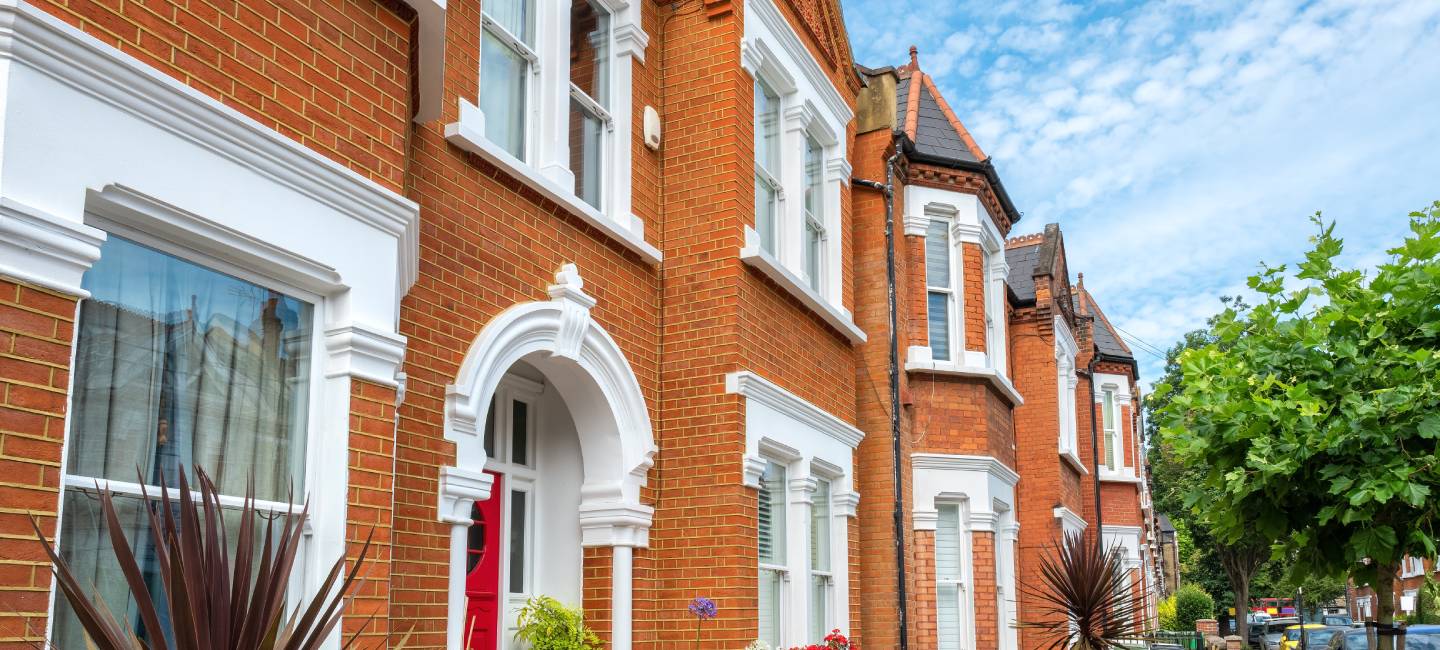
Brick terraced houses in Clapham. London, England
What will happen to UK house prices in 2025?
Row of houses
Why are more people buying their first home in their 50s?
Woman reading a book
The hidden £2,000 “singles tax” and how to reduce it
A couple high-fiving surround by boxes in a new house
Saga brand logo

Saga Mortgages

Provided by Tembo

Find out all you want to know about mortgages with expert advice.

Find out more

Money news

Browse money news
A man looking at his digital thermostat
9 energy saving tips that will cost you next to nothing

Learn how to reduce your energy bill without living miserably.

Happy senior woman involved in moving house sitting among cardboard boxes takes a break with a coffee, concept of moving, retirement, new life, buying, renting, apartment, house
Should you give away your home to your children?

Discover the rules you can't afford to ignore. 

A large and impressive looking home with two garages and a huge driveway
Upsizing in retirement: could it work for you?
 Over 55s are buying bigger or more expensive houses.
A lovely detached bunglaow
The bungalow bottleneck is causing downsizing dilemmas
What property should you look at it if you want to move to a smaller place?
1951
Saga logo
Our company
  • About us
  • Careers
  • Investor relations ↗
  • Newsroom ↗
  • Shareholder services ↗
  • Corporate ↗
Our products
  • Savings
  • Mortgages
  • Equity release
  • Legal services
  • Investments
  • Money news
More from us
  • Exising Savings customers
  • Existing Investment customers
  • Support services
  • Hear more from us
Other information
  • Cookie settings
  • Cookie policy
  • Privacy policy
  • Terms and conditions
  • Modern slavery statement
  • Gender pay review
  • Customer reviews policy
  • Sitemap
Contact us
  • Contact us
  • Make a complaint
  • Log in to MySaga
x icon Facebook icon

Saga Money is a registered trading name of Saga Personal Finance Limited, which is registered in England and Wales (Company No. 3023493) and is authorised and regulated by the Financial Conduct Authority (FCA No. 178922)

Registered office:
3 Pancras Square, London, United Kingdom, N1C 4AG
© Saga 2026