Image credit: Shutterstock/ Inside Creative House
Get all our latest money stories and exclusive offers direct to your inbox. Sign up here.
This article is for general guidance only and is not financial or professional advice. Any links are for your own information, and do not constitute any form of recommendation by Saga. You should not solely rely on this information to make any decisions, and consider seeking independent professional advice. All figures and information in this article are correct at the time of publishing, but laws, entitlements, tax treatments and allowances may change in the future.
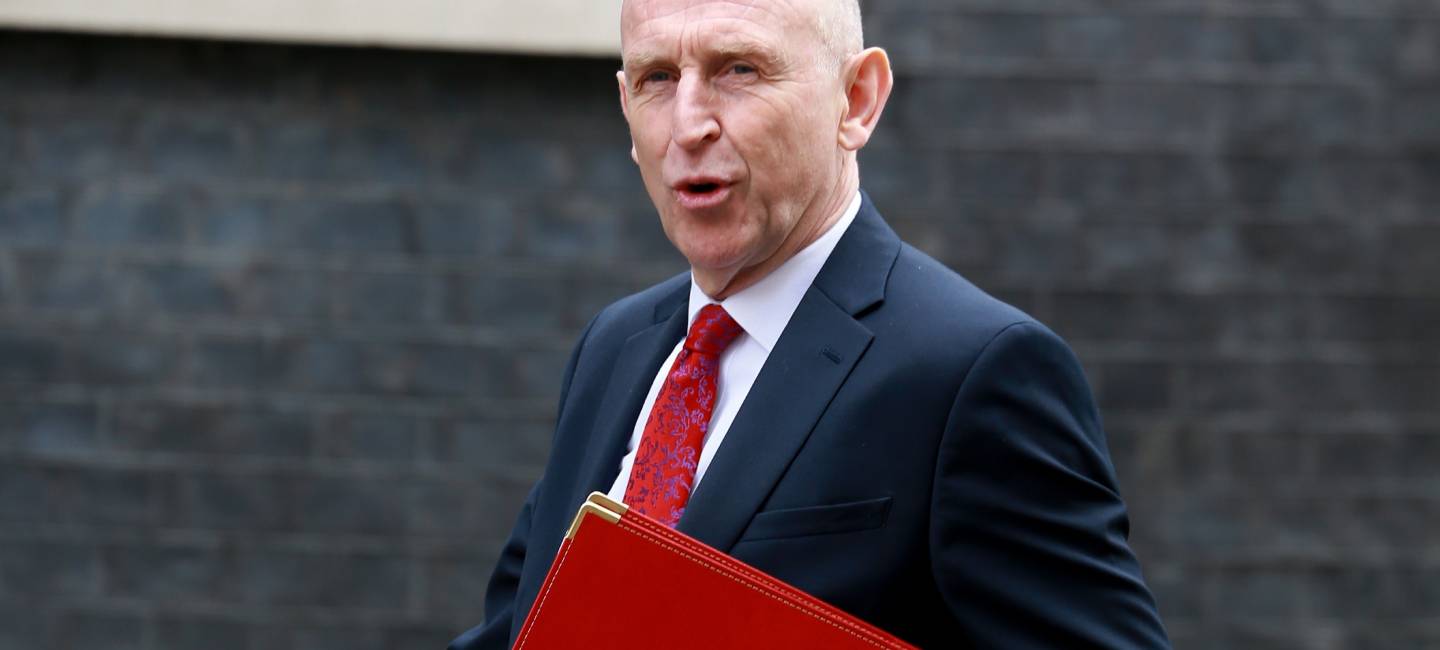
Prime minister Andy Burnham kicked off his premiership last month by wrong-footing Whitehall watchers and appointing former defence secretary, John Healey, as his new Chancellor of the Exchequer.
Healey, who replaced Rachel Reeves as Number 11 Downing Street’s latest occupant, is now in charge of the nation’s finances. His arrival coincides with a tricky backdrop of uncertain economic and political times both at home and abroad.
Soon after taking office, the chancellor announced that this year’s Budget will take place on 28 October, the earliest it has been since 2021 when it was held on 27 October.
Here’s what’s we know already, what’s potentially on the cards, and how best to prepare your finances for any eventuality
What’s on this page?
The run-up to last year’s Budget was mired in controversy when Healey’s predecessor had to publicly address the City’s concerns about her fiscal plans.
Healey will want to avoid a repeat of the situation that saw people raiding their pension funds in advance of rumoured Budget announcements that ended up not materialising.
Online platform AJ Bell estimated that, in the 2024/25 tax year, an additional £10 billion may have been taken out pensions for “no reasons other than panic”.
Announcing the date of Parliament’s showcase financial event of the year in a video message, the chancellor said: “This will be a Budget that moves money and power out of Westminster, and into every postcode around Britain.
“It will be built on fiscal discipline. It will meet our fiscal rules. It’ll give businesses and families some of the stability they need to plan for the future.”
The Andy Burnham-led Labour government has released a flurry of policy announcements since taking charge in last month.
These include the temporary removal of VAT on electricity bills from 1 October resulting in a saving of £45 per household. The cut will apply in England, Scotland and Wales. It will also apply in Northern Ireland, but the mechanism to fund it will work slightly differently.
The decision was also taken that single bus fares across England would be capped at £2 from January 2027.
In addition, there has been a reduction in business rates for pubs and live music venues, and a promise to give England’s regional mayors a share of income tax.

Decisions made in the 2024 and 2025 Budgets revealed several changes to the rules around saving, investing and handing on wealth. These are due to come into force at various times between 2027 and 2028.
For example, there is a major change on the way from 6 April 2027 covering inheritance tax (IHT) rules and pensions. For the first time, most unused pensions will be included in your estate for IHT purposes.
From the same date, although the overall ISA allowance of £20,000 will remain the same, the current cash ISA ceiling will drop to £12,000 for those aged under 65.
Uninvested cash in a stocks and shares ISA will be taxed at 22% and investors will be unable to hold 100% of their investment portfolio in money market funds. Money market funds are a low-risk, cash-like investment exposed to cash and short-term debt assets.
From April 2028, a high value council tax surcharge on residential properties in England worth more than £2 million is due to be introduced. Depending on the property’s value, the charge is expected to fall in the range of £2,500 to £7,000 a year.
Nothing’s for certain as yet, although Labour’s 2024 manifesto pledge not to increase the headline rates of taxation seems set to stay – for now.
But previous comments made by Burnham suggest some clear priorities, his belief being that income is overtaxed while assets (such as property) are undertaxed.
On the campaign trail, prior to winning the Makerfield by-election, Burnham also hinted at revisiting the personal tax allowance with voters citing it as a major concern.
Soon into his premiership and Andy Burnham made a big play on the need to overhaul the UK’s social care framework.
His vision is for the creation of a national care service to be integrated alongside the NHS, with better pay and training for those working in this sphere.
Thus far, however, Burnham and Healey have come up short in providing details about how this might be achieved and paid for. The Budget could be the moment we hear more about their plans. A review of the care sector which was due to take place in 2028 has been brought forward a year.
Burnham is keen to reduce welfare spending. In an interview since becoming prime minister he said certain benefits, including mental health support, should become conditional on people taking work rather than staying at home.
The chancellor will likely confirm the plan for welfare spending in the Budget, including any targets for cuts.
The Budget remains a few months off, and chatter about its potential contents brings its own form of uncertainty.
To get around this, it’s worth getting your finances into the best shape possible before the chancellor stands up at the despatch box at the end of October.
In practical terms, this means ensuring your savings and investments are working as tax-efficiently as possible.
Sarah Coles, head of personal finance at AJ Bell, says: “Like Christmas, Budget speculation has kicked off even earlier this year, with everything from wealth taxes to frozen tax thresholds being thrown into the mix.
“When faced with the threat of higher taxes, people will always want to take steps to protect themselves. But if you do, it’s essential to focus on those you’ll be grateful for, whatever the Budget delivers.”
Coles suggests a seven-point plan for savers and investors.
1) Protect existing investments
If you have investments outside an ISA, and the available allowance this year, you can move investments into a stocks and shares ISA using the ‘bed and ISA’ process to protect them from dividend and capital gains tax.
2) Protect new investments
If you’re starting out with investments or topping up, stocks and shares ISA should be your first port of call so you’re protected from tax from day one.
3) Protect your savings
Even if nothing else is announced in the Budget, the tax on savings interest will rise by two percentage points at the start of the 2027/28 tax year next April. If you have some of your ISA allowance available, it’s worth moving savings into a cash ISA, where interest is protected from tax.
4) Protect yourself from a wealth tax
Be prepared for the introduction of a broader wealth tax on assets.
If you’re married or in a civil partnership, transferring assets between you won’t trigger a tax bill. Not only could it potentially cut how much one of you owns, but it also means you can both take advantage of annual allowances for things considerations such as dividend and capital gains tax.
5) Consider lifetime gifts
You can give large gifts, which will leave your estate for inheritance tax purposes after seven years. You also have a £3,000 annual gift allowance, you can give away £250 to any number of people, and there are gift allowances for weddings.
6) Pay into a pension to protect against frozen tax thresholds
Making extra pension contributions is an excellent way to cut your income tax bill, while building up resilience later in life. It also helps protect you from the impact of frozen tax thresholds.
7) Secure pension tax relief
Take advantage of pension tax relief while you know where you stand. Consider how much you can afford to pay into your pension, and boost contributions if it makes sense.


Achieving a comfortable retirement seems unlikely for many. But it’s possible with careful pension planning.

You could be missing out on thousands in free cash. Here is how to use your allowances before you lose them.
Here’s how to spot errors on your bill, and how to get back cash you’re owed.