Image credit: Shutterstock/Inside Creative House
Get all our latest money stories and exclusive offers direct to your inbox. Sign up here.
This article is for general guidance only and is not financial or professional advice. Any links are for your own information, and do not constitute any form of recommendation by Saga. You should not solely rely on this information to make any decisions, and consider seeking independent professional advice. All figures and information in this article are correct at the time of publishing, but laws, entitlements, tax treatments and allowances may change in the future.
According to research, most Brits achieve what’s been dubbed a ‘minimum retirement lifestyle’. On the face of it, this seems encouraging. But the amount required to achieve this aim - calculated at £13,900 a year for a single person - is worth barely more than the current state pension.
Significantly, less than a quarter of people make it to the next rung of the ladder defined as a ‘moderate’ lifestyle. And less than one-in-ten can expect to attain ‘comfortable’ status in retirement.
So how to climb the ladder? In practice, few people have a handy spare pot of cash to tackle the challenge. But, as the financial experts below explain, other options exist to at least help you move in the right direction.
What’s on this page?
Industry body Pensions UK estimates that a comfortable retirement for a single person, covering treats such as theatre trips, regular beauty treatments, two weeks’ holiday in Europe a year, plus three long weekend breaks, costs £45,400 annually.
Couples, meanwhile, require £62,700 to fund a similar lifestyle. These figures do not account for housing costs.
The full state pension (currently standing at £12,547.60 a year) will put you on the path to attaining this status. If you’re not yet in receipt of it, you can check your entitlement based on the national insurance contributions that you’ve made via the government’s central Gov.uk website.
Of course, the reality is that most people - even those with healthy savings - are going to rely on more than the state pension if they aspire to a higher standard of living in retirement.
Funding a comfortable retirement living standard using a typical annuity, a financial product that pays a guaranteed income for life, would require a pension pot worth between £560,000 and £845,000 for a single person, according to Pensions UK. A couple would each require pots worth between £315,000 to £470,000 to achieve the same outcome.
But these are notably larger amounts compared with the size of a typical pension policy.
Suggesting that the way round this is simply to pile more into a retirement pot appears a little glib given most people’s financial circumstances. So, what’s the answer? Here are three suggestions.
As a starting point, if you’re part of an older couple, it’s important to discuss each other’s retirement plans, rather than letting them carry on in parallel. Part of that discussion might revolve around the possibility of one person working on for longer than originally planned.
Delaying your retirement and working longer gives the stock market-based investments within your pension more time potentially to grow.
If you’re in a workplace pension, you can check online about the holdings contained in your pension. Alternatively, contact the scheme’s trustees (if necessary, via the HR department) who will tell you.
Investments are never risk-free, so it’s impossible to rule out the risk of losses. But a general rule of thumb is the longer a pension portfolio is left to grow and perform, the better.
Marianna Hunt, personal finance specialist at Fidelity International, suggests many people are rethinking what later life looks like, with part-time work, flexible hours, or even turning a hobby into a source of income becoming part of the mix.
She says: “That doesn’t mean working longer is the right answer for everyone - it depends on your health, your job and what you want from retirement.
“But for those who can and want to, even a small amount of extra income or a few more years of contributions can make a meaningful difference to your pension pot, while also helping you stay active and engaged.”
Research by Fidelity shows that a female employee with £250,000 in her pension could add an extra £100,000 into her retirement fund by waiting until she was 60 to retire instead of age 55.
For example, say the employee earnt £45,000 a year and contributed seven per cent of her salary into her pension, with the employer adding another three per cent. For every year past age 55, an extra £4,500 is being added.
If the pension grew by five per cent after fees each year, the pot could grow to around £345,000 by age 60. That means by working five years longer, an additional £100,000 could potentially have been added to her retirement savings.
Graham Nicoll, financial planner at NCL Wealth Partners, suggests it’s also worth ensuring your pensions, ISAs, and budgeting are all working together, especially when you’re in your 50s and 60s.
He says: “Start with a clear budget and, ideally, cashflow modelling with a financial adviser to understand current spending, future income needs, and identify where expenditure can be reduced so more can be invested each month. This often has as much impact as investment returns.”
If you can’t afford the luxury of a financial adviser, examine a past year of bank statements to understand where your money goes and where savings could be made.

It’s difficult to drum up money from nowhere. But with the added attraction of tax relief, any spare monies you can identify and direct to your pension could be a wise use of your cash. Especially if, up until now, you’ve kept to minimum contributions throughout your working life.
If possible, perhaps through savings generated elsewhere, consider increasing how much you put into your pension to reflect any pay rises or bonuses as you have moved up the career ladder.
Rosie Hooper, chartered financial planner at Quilter Cheviot, says: “Your earnings often peak during your mid-life years, so you may find you have more flexibility to increase your contributions and boost your pot as much as possible.”
Generous employers may even increase their contributions to match yours. Check with your HR department to remind yourself of your workplace pension’s rules and explore the possibility.
Mike Ambery, retirement and savings director at Standard Life, says: "If you’re in your 50s and still earning, this can be a good time to consider increasing contributions, particularly after a pay rise, bonus, or a major expense coming to an end.”
That may not be as easy if you are self-employed. You won’t benefit from pensions auto-enrolment which applies to workplace pensions and unpredictable cashflow can make it hard to plan pension contributions.
“If you can afford to, putting a structure in place can really help. For example, setting up a personal pension and treating contributions like a regular business outgoing, similar to tax or bills,” Ambery suggests.
“Regular, affordable payments, even if they’re small to begin with, can help build the habit, with the option to top up contributions in stronger months if your income fluctuates.”
Additionally, your contributions may have been held back if you have taken a career break such as to bring up children or to care for elderly relatives.
Ambery says: “It is never too late to restart contributions if affordable or, for those who can’t commit to regular contributions, one-off payments into your pension when you have spare funds can also work well.
“It’s also worth checking if you can get any other support based on your situation, especially if you’ve taken time out to look after family.”
Even relatively small increases can make a meaningful difference, says Marianna Hunt “particularly when combined with employer contributions and tax relief.”
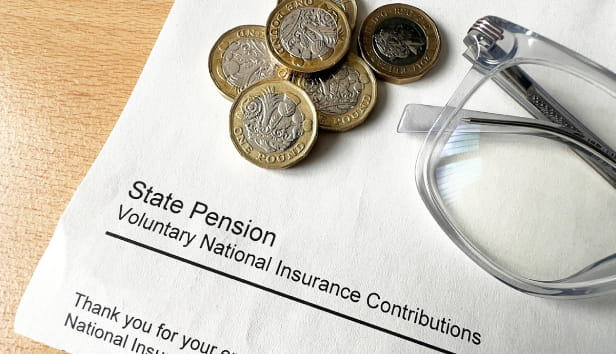
Hooper adds that it is worth checking your state pension forecast as if you are not currently on track to be eligible for the full state pension, you may be able to make voluntary national insurance contributions to fill in any gaps in your NI record.”
You can also make use of so-called ‘carry forward’ allowances to make use of unused annual allowance from the three previous tax years.
This means you may be able to contribute more than your annual £60,000 allowance to your pension pot this tax year and still benefit from tax relief.
If you’ve changed jobs over the years, there’s a good chance you’ve built up a few different pension pots.
Hunt suggests bringing them together can make things easier to keep track of and help you get a clearer picture of what you have.
It could also save money on fees and be a good chance to get your funds out of poor performing schemes, helping your pension grow in the long-term.
She says: “Before you combine anything, it’s worth checking for any valuable benefits or guarantees you might lose, as well as the charges involved, to make sure it’s the right move for you.”
Whether you are saving into a workplace pension or are managing your own arrangements, such as in a self-invested personal pension, Rosie Hooper advises checking how your pension is invested and whether it is well aligned to your ideal retirement timeline.
She adds: “Some pensions will automatically de-risk [move to cash and bonds from stocks and shares] as you near retirement age. But if you do not intend to retire for a while, then it may be more appropriate to keep a higher level of risk to maximise potential growth.”

Saga has partnered with HUB Financial Solutions, who can help you find the right annuity for you from the whole of market. If you take out an annuity using their service, Saga Money will earn a commission.


Discover how to negotiate flexible hours, protect your pension and plan for retirement.

Learn how much pension you need & get tips to boost your savings if you're short.