
Shutterstock / Cat Box
This article is for general guidance only and is not financial or professional advice. Any links are for your own information, and do not constitute any form of recommendation by Saga. You should not solely rely on this information to make any decisions, and consider seeking independent professional advice. All figures and information in this article are correct at the time of publishing, but laws, entitlements, tax treatments and allowances may change in the future.
For many people starting to take their pension, drawdown has become the default setting.
It sounds great: you keep your money invested, take cash when you want it, and hopefully watch the pot grow. But unlike an annuity (which pays a guaranteed income for life), drawdown has no safety net. If you take too much, or the stock market crashes, you could run out of money.
Here is your essential guide to getting it right.
What’s on this page?
Think of it as a ‘pension bank account’ that remains invested. You can withdraw regular monthly amounts, take ad-hoc lump sums, or leave it untouched. It’s only relevant for defined contribution schemes, not final salary or career average schemes where you will get regular payments for life.
Drawdown became a more mainstream option with the introduction of the ‘pension freedoms’ in 2015.
In addition to offering savers the right to take cash out of their pension from the age of 55 (rising to 57 from 2028), it also relaxed the restrictions around drawdown, making it a more appealing option for many.
Scott Gallacher, chartered financial planner at independent financial adviser Rowley Turton, explains: “This reform removed income limits on withdrawals, allowing retirees unprecedented flexibility in managing their pension funds.”
Although higher interest rates have meant that annuities have had a slight increase in popularity in the last few years, figures from the Financial Conduct Authority for 2024/2025 showed that four times as many people now choose drawdown over buying an annuity.
Warning: Not all pensions allow this. Older policies might not offer flexible access, meaning you might need to transfer your pot first.
If you have a defined contribution pension, you generally have three choices, or a combination of these.
You can also opt for a combination of annuity and drawdown.
.jpg?sc=max&mw=800&h=450&la=en&h=731&w=1300&hash=59C50C0A3958D4C3F3AA3B7F313DFF92)
The biggest mistake retirees make is picking a random number to withdraw (e.g., “I’ll take £2,000 a month”) without checking if the pot can sustain it.
Reme Holland, financial planning partner at chartered accountant Albert Goodman, says: “When it comes to drawing up a plan, you almost need to work backwards, rather than starting with the size you want your pension to be. The first question to ask is: what income do I need and what income do I want in retirement? These two are very different things.”
Action: Calculate your ‘need’ (heating, food, bills) vs your ‘want’ (holidays, dining out).
Reme Holland continues: “If you can start with these two numbers... you can work backwards and establish the capital sum you need, and then look at your existing plans and identify any shortfalls through a cash flow planning exercise.”
Stock markets go down as well as up. If your pension drops in value by 20%, and you still withdraw your usual monthly income, you are ‘pound cost ravaging’ your pot – selling investments at a low price, making it impossible for them to recover.
The fix: Some experts recommend keeping up to three years’ worth of essential expenses in an easy-access cash savings account (not invested in the market).
Currently, pension pots can be passed to your beneficiaries free of inheritance tax (IHT). However, the government has announced this will change from April 2027, when pension pots will be dragged into the IHT net.
If you are planning to use your pension as a tax-efficient way to leave money to your children, you need to review your strategy.
If you are moving your pension to a new provider to access drawdown, watch out for these traps:
Reme Holland warns: “When choosing a drawdown arrangement, it generally comes down to three points: charges, flexibility and investment performance. With charges, the higher the cost, the harder your pension must work to generate returns. With flexibility, this comes down to your chosen route for access: for example, do you want to stagger your tax-free cash payment, or do you want it in one lump sum? With regards to investment performance, some providers only give you access to their in-house funds.”
You cannot set this up and forget it. Spending patterns change – often decreasing as you get older. Scott Gallacher advises: “You should factor in lifestyle goals and expenditures, especially in the early years of retirement when you may be more active and inclined to travel or engage in other costly activities. Understand also that spending patterns can change significantly over time, typically decreasing in later years.”
Reme Holland adds: “Drawdown should be reviewed at least annually, and this should include looking at your level of income and asking whether it is still sustainable – or do you need to reduce your drawings? As your health changes, you may wish to think about having a power of attorney in place to make sure your plans are looked after should something happen to you.”
If you’re worried you might be drawing too much from your pension, check out our guides to how to budget effectively in retirement and how to avoid later-life budgeting traps.

Saga has partnered with HUB Financial Solutions, who can help you find the right annuity for you from the whole of market. If you take out an annuity using their service, Saga Money will earn a commission.

We break down the numbers to show you the retirement lifestyle your pension pot could actually provide.


Find out why savers are acting now & what you should consider before taking your lump sum.
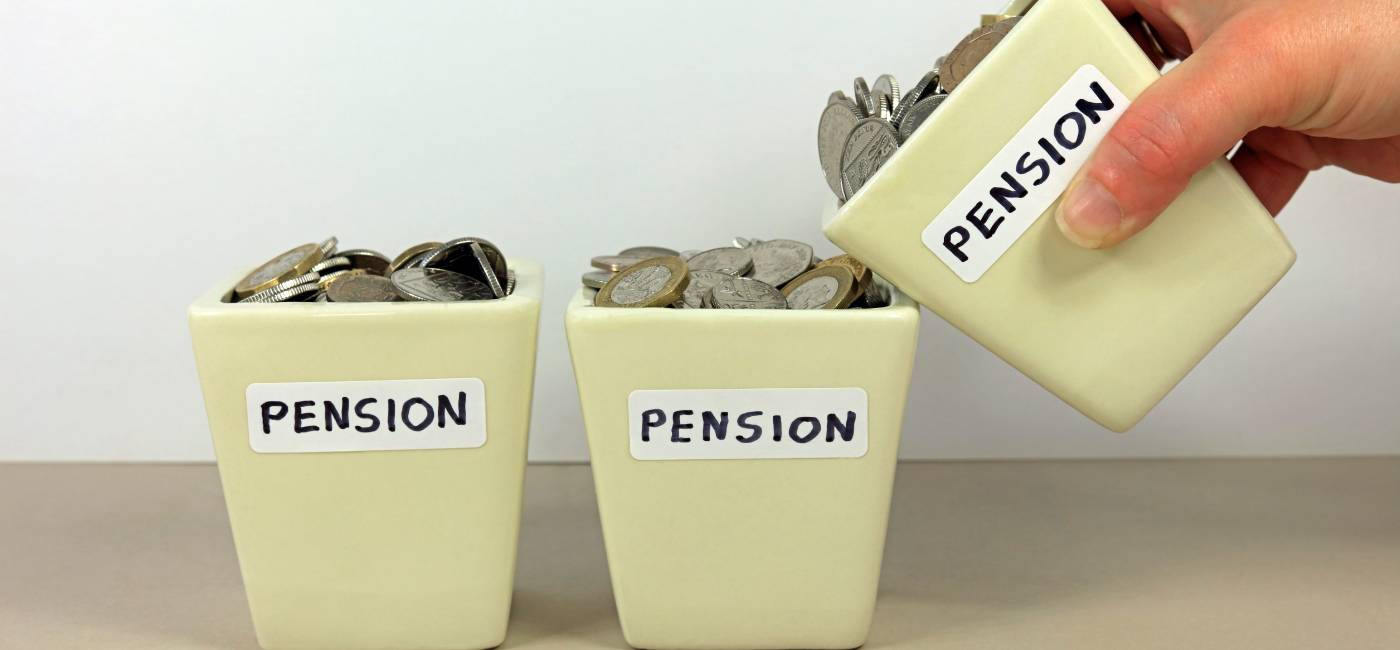
Learn how to combine pensions and whether it's worth it.
The state pension is a cornerstone of retirement, but can it survive? We explore the potential reforms.