Dame Dr Maggie Aderin: Why I've never stopped dreaming of the Moon
The scientist and broadcaster on growing up fascinated by space, inspiring a love of science in others and why visiting the Moon remains firmly on her bucket list.
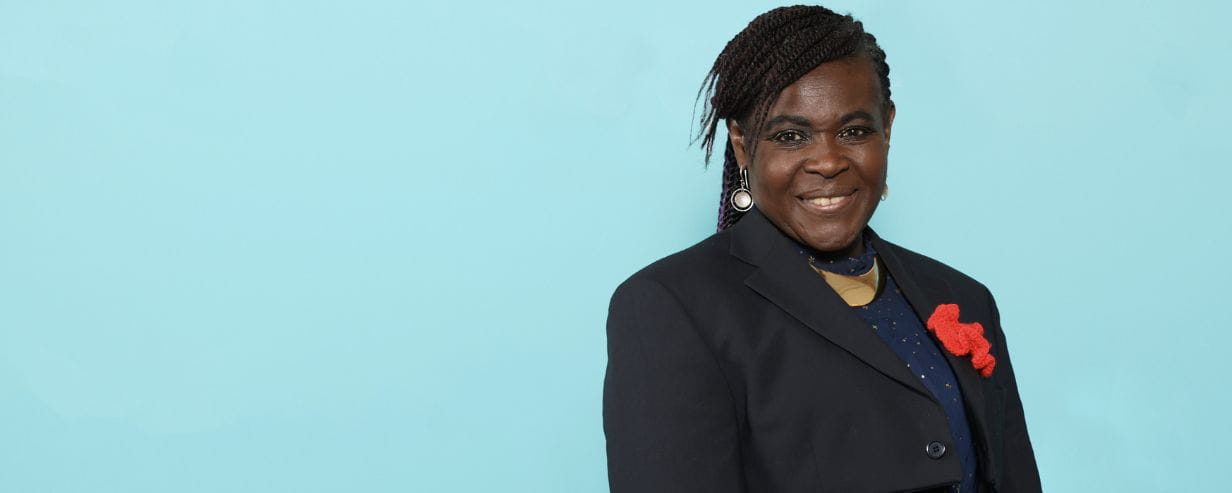
My father used to say the moon was his friend and called himself a self-certified ‘lunatic’, so I was always encouraged to look up. From my earliest days, I’ve been an insomniac, so I used to walk around at night when the rest of the family was sleeping and look at the stars and night sky and find it calming.
The first TV programme I fell in love with was The Clangers. They led to a love of sci-fi. I was obsessed with Star Trek, especially Spock. He was half human and half Vulcan and, like him, I felt I didn’t fit in. My parents were immigrants from Nigeria, but while I wasn’t from there, I was often the only black girl in my schools, so wasn’t like the other British kids either.
I loved the idea of the universe as there were no borders or barriers.
I was born in 1968. The Moon Landing happened in 1969, so I grew up in an excitement about space. My ambition was to be an astronaut and visit the moon. It’s still my dream, though it’s more of a retirement plan.
I’m a firm believer that there is other life out there. If you look at the number of stars, planets and galaxies, there must be. The problems are how to cover space’s vast distances.
Starchild: My Life Under the Night Sky, by Maggie Aderin (BBC Books)
Being awarded an MBE in 2009 was a shock. But when I was given a damehood in 2024, I initially thought someone was playing a joke. Dames are amazing women, game-changers. I had a huge sense of imposter syndrome. I felt I had to live up to it and threw myself into everything, which was exhausting.
During my career, I’ve worked on some amazing space instruments, satellites and the world’s biggest telescopes. But I’m most proud that through my company, Science Innovation Ltd, I’ve spoken to 680,000 people about the wonders of science, and with my presenting work on The Sky at Night and CBBC, I’ve encouraged an interest in astronomy in many more.
When someone tells me they’re studying science after hearing me, it’s wonderful.
I wasn’t sure I’d ever have children, especially as I had a miscarriage with my first pregnancy, so having my daughter, Lori, at 42 was amazing.
Motherhood feels like the ultimate adventure. Lori and I are incredibly close and I feel I am growing with her and learning so much from her.
My parents split up when I was small. My older sisters, Hal and Sue, initially lived with my father, and my baby sister, Grace, and I lived with my mother. But there were custody battles, so sometimes I was with one parent and sometimes with the other.
I went to 13 schools in 12 years. I struggled with literacy and was often dismissed as not very intelligent.
Subscribe to Saga Magazine from just £1 and read the rest of this article in the Saga Magazine app. You’ll get access to our digital archive of over 40 back issues, plus the current edition.
Your chance to win a 7-night cruise for two on board Spirit of the Rhine, worth more than £4,000.
These engrossing novels and fascinating non-fiction picks are the perfect summer escape.
Dr Mark Porter dives into the health issues affecting us all in the new podcast from Saga.
The celebrity historian shares her travel stories and disasters.
The BBC newsreader on running 23 marathons, coping with grief and why she’s still chasing new challenges at 58.
The writer and broadcaster on childhood adventures, Winnie-the-Pooh and the lesson that has guided him.
The TV presenter shares her favourite places and the surprising companion she would love to travel with.
TV’s Dr Hilary Jones on why he wants sweeping reform to modern healthcare.