The great garden gnome debate: are they welcome in your back yard?
King Charles has invited gnomes to return to the RHS Chelsea Flower Show this year, but is there no place like “gnome” or are you on the fence?
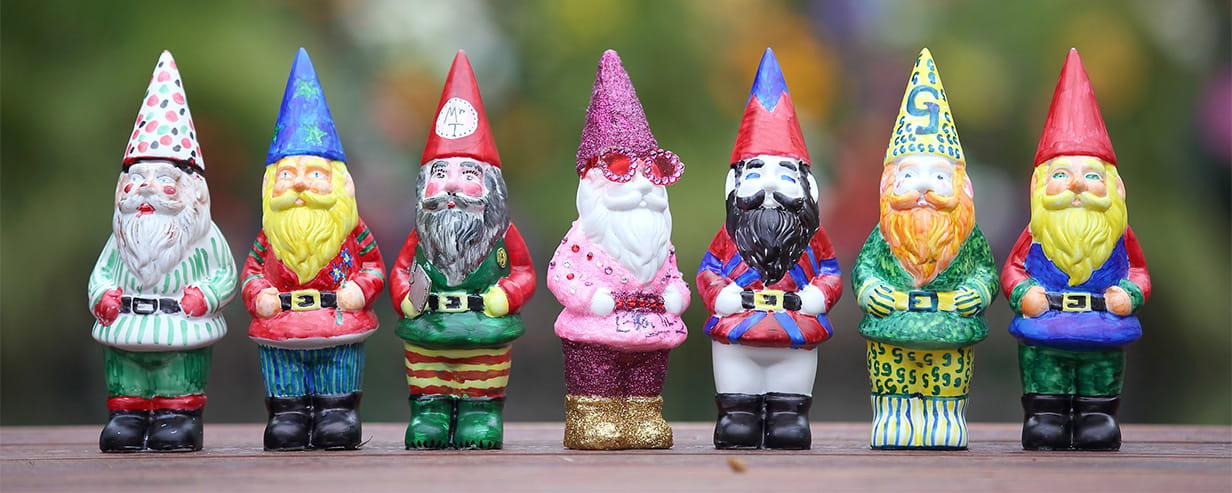
King Charles has invited gnomes to return to the RHS Chelsea Flower Show this year, but is there no place like “gnome” or are you on the fence?
For just the second time in history, the RHS Chelsea Flower Show will lift their infamous gnome ban. And, in turn, this reveals a little-known secret – that His Majesty The King is a closet gnome lover.
Apparently, you’ll be able to spot some extra-special gnomes in The RHS and The King’s Foundation Curious Garden from 19 May to 23 May 2026. This will echo a tradition at the King’s Highgrove residence in Gloucestershire, where a gnome is often to be found in “the Stumpery” area of the gardens.
Find out what else is happening this year in our RHS Chelsea Flower Show preview.
If you have your tickets already, read our expert guide to make the most of your visit.
These taboo-breaking gnomes are set to be decorated by celebrities and will then be auctioned off to raise funds for RHS Campaign for School Gardening, which “inspires school children to learn through gardening, boosting pupils’ wellbeing, skills and environmental awareness”. Some of the famous faces taking part in this “elf-improvement” are Cate Blanchett, Dame Mary Berry, Sir Brian May and Baroness Floella Benjamin, with more to be announced.
“We want people to be playful with their gardening,” says Clare Matterson, RHS Director General, “which is why we’re lifting the gnome ban for these celebrity gnomes, who will then, by being auctioned off, help us do even more to awaken a curiosity in gardening in school children and support our national Campaign for School Gardening.”
Fair enough, but does this mean gnomes are a trend? Have they always been cool, or do you think the Chelsea ban is forever justified? I jumped off my toadstool and set off to find out what people think.
Find out from the Saga Insurance experts what your home insurance covers in your garden.

My first port of call was to Emma House, curator at the Garden Museum in London, which boasts several notable gnomes in its collection. “Garden gnomes seem to originate in Germany, and they were brought over to Britain towards the end of the 19th century,” she explains. “The first recorded example here in the UK is at Lamport Hall. They were something quite playful and mythical – sitting between the imaginary and the real.
“Their affordability helped them flourish in the growing suburbs, giving gardeners an accessible way to add colour, character and a sense of personality to their outdoor spaces,” Emma says.
“Over time, their appeal was reinforced by popular culture, with figures like Disney’s dwarfs blurring the line between folklore and mass entertainment.”
Despite their popularity, gnomes have long divided opinion. “There is definitely a degree of snobbery around them,” Emma notes, pointing out that they sit low in the traditional hierarchy of garden ornament. Their periodic ban – and occasional reinstatement – at prestigious events like the RHS Chelsea Flower Show reflects their contentious status. Yet that tension is part of their appeal.
“People enjoy the playfulness, especially when it goes against the grain,” she says, suggesting that gnomes continue to thrive as a light-hearted counterpoint to more formal garden design.
At the Garden Museum, gnomes are valued as much for their stories as their craftsmanship. “What matters most to us is the connection between the gnome, the gardener and the garden,” explains Emma. The collection ranges from early German examples dating back to the 1870s to more playful and unexpected pieces, including a caricatured “Tony Blair gnome” and characterful figures like a much-loved fishing gnome. “They’ve all got wonderfully expressive faces,” Emma says, highlighting the enduring charm that draws visitors of all ages – particularly families – to them.
For her, that sense of joy is what ultimately matters. “I do really love gnomes – I think they’re great fun”, Emma admits, even if she doesn’t have any in her own garden. “They’re a lovely way for people to interact with their gardens and they often carry really personal memories. That’s part of their lasting appeal.”

I happen to have fond memories of gnomes, partly due to the fact that my Grandad would cast them out of plaster of Paris, so that little me could paint them with him. And partly because later, as a journalist, I reported on the big Asda gnome craze that started in the mid-2010s.
The supermarket is still producing gnomes to this day, driven by customer demand. James Johnson, George Home gnome buying manager, told me: “We welcome the RHS Chelsea Flower Show lifting its long-standing ban on garden gnomes. These cheerful characters are a staple in our customers’ gardens, with demand continuing to grow. We’re offering 39 designs this season alone. It’s great to see them finally getting the recognition they deserve.”
And Asda aren’t the only ones pleased with the gnome resurgence. “Gnomes tap into a growing shift towards more playful, personality-led outdoor styling,” says Laura Wilks, seasonal buyer at Dunelm, which also sells the cheeky chappies.
“We’ve seen a clear appetite for decor that feels light-hearted and expressive rather than purely functional. Characterful gnomes offer an easy way to inject humour and individuality into outdoor spaces, whether dotted along a pathway, styled among planters or used to add a sense of charm to seating areas.”
And if you’re looking for a more rebellious breed of gnome, Rockett St George has your back. “We tend to favour a more tongue-in-cheek take on the traditional gnome,” says Lucy St George, cofounder of Rockett St George.
“Our gnomes are naughty, leaning into all things kitsch, colourful and sweary. As with everything in interiors, we recommend throwing out the rulebook. Don’t worry too much about trends or taste, just focus on what you love and what makes you smile.”

Estate agents and house stagers know only too well the impact that certain objects can have on the kerb appeal of a home, gnomes being no exception. I asked a few what they thought of a potential gnome comeback.
“It’s ultimately about context,” says Elaine Penhaul, founder and director of home-staging firm Lemon and Lime Interiors. “If you’re standing outside of an already run-down property and you’re met with a collection of worn, dated gnomes smiling up at you, then you’d be forgiven for finding it off-putting.
“But I’d argue that a single gnome in an attractive, well-kept garden has the potential to be a positive, or even funny, talking point. If done right, it can even look like a trendy, intentional and sculptural piece of garden artwork.”
Robin Edwards, a buying agent at Curetons Property Finders, is less keen. “I’m afraid garden gnomes aren’t going to do you any favours when it comes to kerb appeal,” he says. “If you’re selling a home, I’d usually suggest putting them away until you move. It just helps keep things neutral and lets the garden speak for itself. You want buyers to focus on the space and its potential, rather than your personality.”
Property expert Jonathan Rolande is on the (garden) fence: “Yes, garden gnomes can dent kerb appeal, but it depends how they’re used. Most agents see them as a liability because they read as clutter and strong personal taste, which buyers struggle to ignore. They can also make a home feel dated or kitsch, particularly in higher-value markets where first impressions are ruthless.
“In lower to mid-market homes, the impact is usually smaller, and one modern, well-placed piece can pass as quirky,” Jonathan continues. “The problem is volume. One raises a smile, a dozen raises questions. For viewings, remove them. Good staging strips gardens back to space, light, and usability. Buyers do not buy your personality; they buy the potential.”
So what do you think? Is there no place like gnome or is it best to be “gnominal” with your gnome count?
(Hero image credit: RHS/Justin Tallis)


Do you have insurance for your outbuildings? Make sure you have the right cover for the structures in your garden.
Saga Home Insurance comes with garden cover included. Find out what’s included and get tips to help secure your garden.

Rekha Mistry shares her top vegetables to grow in your garden all year round.

We explain the science and have 7 of the best scented plants for your garden.
From robot mowers to electric pruning shears, spruce up your outside space with four of the best garden gadgets
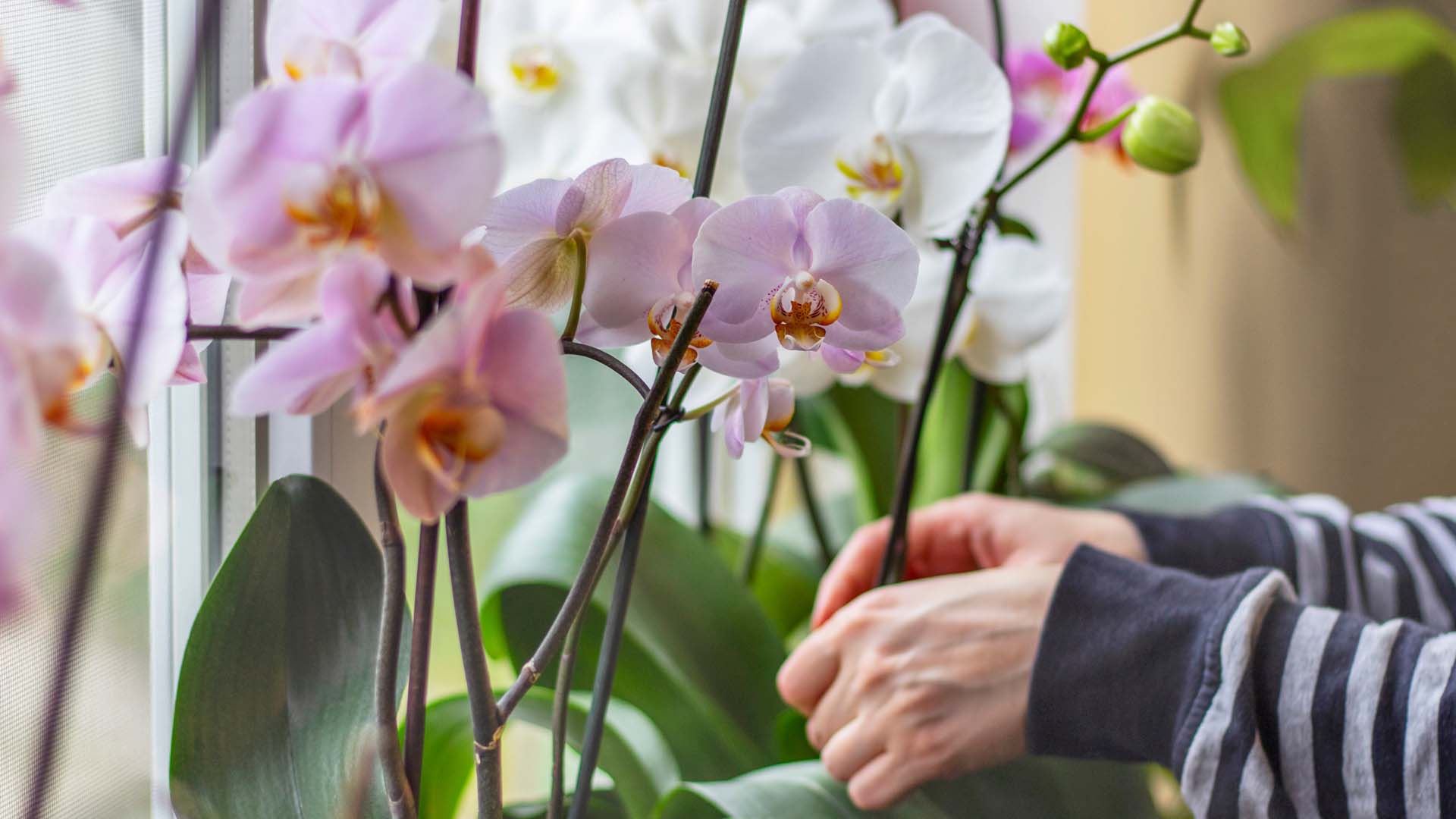
Our expert pruning and watering hacks include a top tip to keep them flowering from Alan Titchmarsh.

The experts explain the best ways to look after our feathered friends.
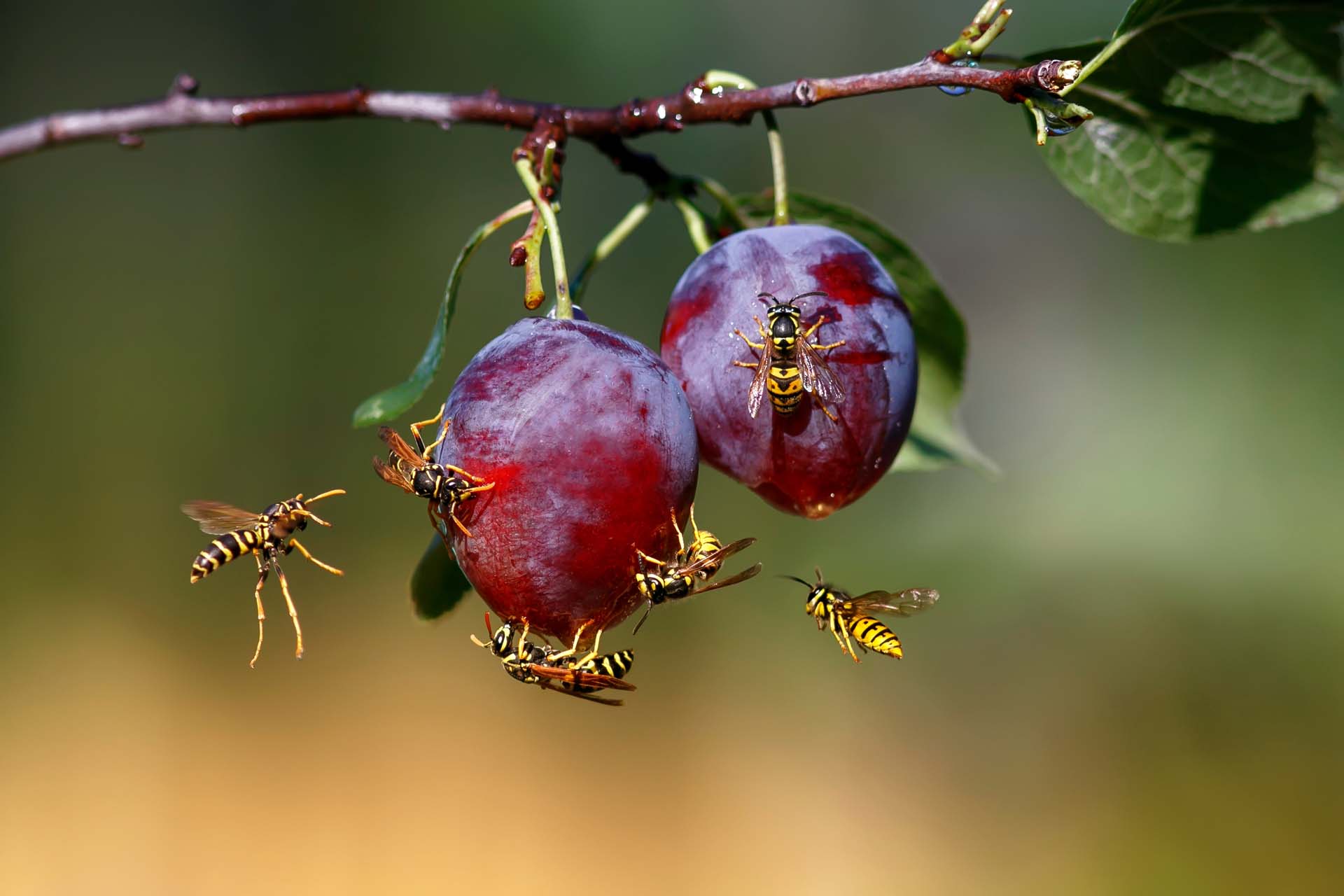
Blighted by buzzing? How to keep wasps out of your garden without harming them so you can enjoy the summer.
Expert advice on how to avoid neighbour disputes, fines or even prosecutions.

Everything you need to know about Japanese knotweed, the fast-growing plant nobody wants in their garden.